
Are you a proud owner of guinea hens or thinking of adding these lovable birds to your backyard flock? One crucial aspect of their care that often gets overlooked is their diet. Choosing the right feed for your guinea hens can be overwhelming, especially with so many options available in the market. But trust me, it’s a vital part of keeping them healthy and happy.
In this comprehensive guide, we’ll walk you through everything you need to know about guinea hen nutrition and care. From understanding their nutritional needs to selecting the best feed for your flock, we’ve got you covered. We’ll delve into the importance of a balanced diet for guinea hens and provide expert tips on how to create a healthy feeding plan that suits their unique requirements. Whether you’re a seasoned breeder or just starting out with your first flock, this guide is designed to be a valuable resource for you.
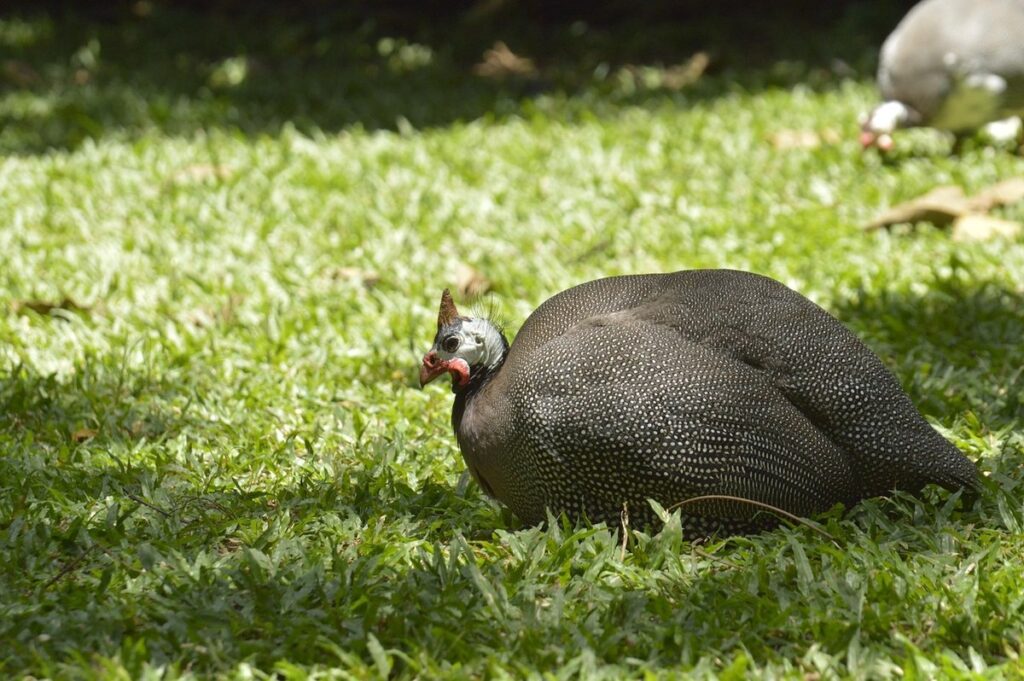
Choosing the Right Feed
When it comes to choosing the right feed for your guinea hens, there are several factors to consider beyond just nutrition and cost. Let’s break down what you need to know.
Section 1.1: Types of Guinea Hen Feed
When it comes to feeding your guinea hens, you’ll come across various types of feed available in the market. Understanding these options will help you make an informed decision about what’s best for your feathered friends.
Commercial pellets are a popular choice among guinea hen owners. These pre-mixed feeds provide a balanced diet and are easy to store. However, it’s essential to choose high-quality pellets from reputable manufacturers that meet the nutritional needs of your birds.
Mash feed is another option, which is often used in conjunction with pellets or scratch grains. Mash feed is usually formulated to provide specific nutrients for guinea hens during different life stages, such as growth or laying.
Scratch grains, on the other hand, are a more natural and cost-effective option. You can buy them in bulk and mix them according to your birds’ needs. Scratch grains typically include ingredients like oats, barley, wheat, and sunflower seeds. Some guinea hen owners also supplement their birds’ diet with fruits, vegetables, and leafy greens.
When choosing between these types of feed, consider factors such as the age, health, and nutritional requirements of your guinea hens. You may also want to consult with a veterinarian or experienced breeder for personalized advice.
Section 1.2: Nutritional Requirements
Guinea hens have unique nutritional needs that are crucial to their overall health and productivity. As a responsible guinea hen owner, it’s essential to understand the specific nutrients they require.
Protein is an essential nutrient for guinea hens, making up about 15-20% of their daily diet. A good quality guinea hen feed should contain at least 16% protein to support muscle growth and maintenance. You can also supplement with high-protein foods like mealworms or crickets.
Calcium is another critical component of guinea hen nutrition, particularly for laying hens. A minimum of 2% calcium content in the feed is recommended to ensure strong eggshell production. Phosphorus, on the other hand, supports bone growth and development, and should be present at a level of about 1-1.5%.
When selecting a guinea hen feed, look for products that are specifically formulated to meet these nutritional requirements. A balanced feed will provide all the necessary nutrients in the right proportions, saving you time and effort in supplementing individual ingredients.
Section 1.3: Understanding Feed Labels
When it comes to choosing the right feed for your guinea hens, reading the label is crucial. You’ll want to carefully examine the ingredients, nutritional content, and potential additives or fillers to ensure you’re providing your flock with a balanced diet.
Start by looking at the ingredient list – the first item should be a named protein source like oats, barley, or corn. Be wary of generic terms like “grains” or “by-products.” These can be low-quality ingredients that don’t provide much nutritional value. Guinea hens require around 16-18% protein in their diet to stay healthy.
Next, check the guaranteed analysis for nutritional content. Ensure the feed meets the guinea hen’s minimum requirements: 3.5-4% calcium and 1.2-1.5% phosphorus for strong eggshell production and overall health. Also, keep an eye out for any potential additives like preservatives or colorants – while they may extend shelf life, they’re not necessary for your guinea hens’ well-being.
Avoid feeds with fillers like corn gluten meal or soybean hulls, which are often cheap but lack nutritional value. Instead, opt for a feed made from high-quality ingredients that are free of artificial additives and preservatives. By choosing the right feed for your guinea hens, you’ll be giving them the best possible chance at a healthy, happy life.
Nutritional Needs of Guinea Hens
To keep your guinea hens healthy and thriving, it’s essential to understand their nutritional needs, which can vary depending on factors like age and activity level.
Section 2.1: Protein Content
When it comes to protein content, guinea hens have specific requirements that are different from other birds. As a general rule, guinea hens require around 16-18% protein in their diet to maintain muscle mass and overall health. However, this can vary depending on factors such as age, breed, and level of activity.
For example, young guinea keets (chicks) need a higher protein diet, around 20%, to support rapid growth and development. On the other hand, adult guinea hens may require less protein, around 14-16%, as their energy needs are lower.
A diet that is too low in protein can lead to muscle wasting, decreased egg production (in females), and overall poor health. Conversely, a diet that is too high in protein can cause kidney strain and other health problems. It’s essential to provide guinea hens with a balanced diet that meets their specific protein needs.
When selecting a commercial guinea hen feed, look for products that have a guaranteed analysis of 16-18% protein. You can also supplement their diet with protein-rich foods such as mealworms, sunflower seeds, and soybeans. By providing the right amount of protein, you’ll be giving your guinea hens the best chance to thrive.
Section 2.2: Calcium and Phosphorus Balance
A balanced diet is crucial for maintaining strong bones and eggshell production in guinea hens. Calcium and phosphorus are two essential minerals that play a vital role in this process. These two elements must be present in the right proportions to support healthy bone growth, fertility, and overall well-being.
Calcium, in particular, is necessary for forming strong eggshells, while phosphorus helps with protein synthesis and energy production. However, an imbalance between these two minerals can lead to a range of problems, including weakened bones, softening of the eggshell, or even reproductive issues.
To ensure that your guinea hens receive the optimal balance of calcium and phosphorus, look for feed mixes that contain a ratio of 2:1 or 3:1 (calcium to phosphorus). You can also supplement their diet with crushed oyster shells or dark leafy greens rich in calcium. Some examples of these include kale, spinach, and collard greens. Regularly check your guinea hens’ feed intake and adjust as necessary to prevent mineral deficiencies.
Homemade vs Commercial Feed
When it comes to feeding your guinea hens, one of the biggest debates is between making their own feed at home versus relying on commercial options. Let’s weigh the pros and cons.
Section 3.1: Benefits of Homemade Feed
Creating homemade guinea hen feed can be a game-changer for many backyard flock owners. Not only is it cost-effective, but it also allows you to tailor the diet of your birds to their specific needs. By making your own feed, you can choose the ingredients and nutrients that are essential for optimal health and production.
One of the biggest benefits of homemade feed is the ability to avoid fillers and additives found in commercial feeds. These ingredients can be detrimental to your guinea hens’ health, causing digestive issues and other problems. By making your own feed, you can opt for natural ingredients like fruits, vegetables, and whole grains that provide essential nutrients.
For example, you can add fresh kale or spinach to their feed for a boost of calcium and vitamins A and K. You can also include whole grains like oats or barley to provide fiber and energy. The possibilities are endless when it comes to creating a customized homemade feed for your guinea hens.
To get started, consider keeping a detailed record of your birds’ eating habits and health to determine their nutritional needs. Research reputable sources for recipes and guidance on making homemade feed, and experiment with different ingredients until you find the perfect blend for your flock.
Section 3.2: Drawbacks of Homemade Feed
While making homemade feed can be appealing, there are several drawbacks to consider. One major challenge is ensuring that your guinea hens receive a balanced diet. Without proper knowledge of nutrition and veterinary expertise, it’s easy to miss essential vitamins and minerals or over-supplement with certain nutrients.
Another issue is the time-consuming process of sourcing and mixing ingredients. This can be especially difficult for busy owners who may not have the luxury of dedicating hours each week to feed preparation. Consider the cost of individual components versus pre-mixed commercial feeds; you might find that your time spent on homemade feed outweighs any potential savings.
Additionally, homemade feeds often lack the quality control and consistency found in commercial products. You’ll need to regularly test the nutritional content of your feed to ensure it meets your birds’ needs. Without this assurance, you risk inadvertently providing inadequate nutrition, which can lead to health problems down the line.
Commercial Feed Options
When it comes to feeding your guinea hens, commercial feed options can be a convenient and affordable choice. Let’s take a closer look at what you can expect from these pre-mixed feeds.
Section 4.1: Top-Recommended Commercial Feeds
When it comes to choosing commercial guinea hen feeds, there are many options available on the market. As a responsible guinea hen owner, you want to provide your flock with high-quality feed that meets their nutritional needs.
Mazuri Guinea Fowl Feed is one of the top-recommended commercial feeds for guinea hens. This feed contains 16% protein, which is essential for maintaining strong muscle mass and supporting overall health. It also includes a balanced mix of vitamins and minerals, such as vitamin A, D3, E, K, calcium, phosphorus, sodium, and potassium.
Another popular option is Purina Guinea Fowl Feed, which contains 15% protein and a blend of nutrients like niacin, pantothenic acid, and biotin. This feed also includes antioxidants to support immune function and overall health.
Nutrena Poultry Feed is another high-quality option that’s rich in protein (16%) and essential vitamins and minerals like vitamin D3, E, K, calcium, phosphorus, sodium, and potassium. It’s also fortified with antioxidants to promote optimal health.
Pros of these commercial feeds include convenience, ease of use, and a balanced nutritional profile. Cons may include higher costs compared to homemade or raw diets, as well as potential additives like fillers and preservatives. To minimize risks associated with commercial feed, be sure to follow the manufacturer’s recommendations for feeding amounts and ratios.
It’s also essential to monitor your guinea hens’ response to their new feed and adjust their diet accordingly. Keep an eye out for changes in appetite, stool quality, or overall health. If you notice any adverse reactions, consult with a veterinarian or poultry expert for guidance on making adjustments.
Additional Dietary Considerations
If you’re considering supplementing your guinea hen’s diet, it’s essential to understand what other foods can provide valuable nutrients and how to incorporate them safely. We’ll explore some additional dietary considerations for optimal health.
Section 5.1: Supplements and Additives
When it comes to guinea hen feed, supplements and additives can play a vital role in ensuring these birds receive all the necessary nutrients for optimal health. One of the most crucial supplements is vitamin E, which helps protect cells from damage and supports immune function. Guinea hens, especially those that are prone to respiratory issues, benefit greatly from this antioxidant.
Another important additive is omega-3 fatty acids, particularly EPA and DHA, which promote healthy skin, feathers, and overall well-being. These essential fatty acids can be sourced from fish oil or flaxseed meal, but it’s crucial to follow the recommended dosage to avoid over-supplementation. Probiotics are also a valuable addition to guinea hen feed, supporting gut health and digestion.
To incorporate these supplements into your guinea hen feed, consider consulting with a veterinarian or poultry expert to determine the best ratios and sources for your flock. Additionally, always choose high-quality supplements from reputable manufacturers to ensure effectiveness and safety. By adding these essential nutrients to their diet, you can help maintain the overall health and vitality of your guinea hens.
Section 5.2: Water Quality and Access
Providing guinea hens with access to clean water at all times is crucial for their overall health and well-being. A healthy guinea hen can drink up to 1/4 cup of water per pound of body weight each day, which translates to about 2-3 cups of water per bird daily.
Maintaining proper water quality involves changing the water frequently to prevent bacterial growth. It’s recommended to change the water at least twice a day, and always provide fresh water after cleaning the feeder or enclosure. You can also use a water filter or add a small amount of apple cider vinegar to help purify the water.
In addition to clean water, guinea hens need easy access to water sources at all times. A shallow dish or a birdbath with fresh water and a few rocks for perching is perfect for this purpose. Make sure the water source is large enough for your birds and placed in an area where they can easily access it without competition from other animals.
Guinea hens are also prone to respiratory problems, which can be exacerbated by dirty or stagnant water. Regularly monitoring the water quality and providing a clean and consistent water supply will help prevent these issues.
Tips for a Healthy Flock
To keep your guinea hens happy and healthy, it’s essential to provide them with proper nutrition and care, which we’ll cover in more detail below. Let’s dive into some valuable tips for a thriving flock!
Section 6.1: Monitoring Feed Intake
Monitoring feed intake is an essential aspect of guinea hen care. By keeping an eye on how much and what type of feed your flock is consuming, you can identify potential issues with nutrient intake and health problems before they become major concerns. To monitor feed intake effectively, it’s crucial to consider the following factors.
Firstly, ensure that each bird has access to a clean water source at all times. A dry or contaminated feeding area can discourage birds from eating and lead to overeating when food is finally available. Secondly, record the amount of feed provided daily and track consumption against this benchmark. This will help you identify if any bird is eating less than expected, which could be an indication of illness or injury.
Regularly inspect your flock’s droppings for signs of nutrient deficiencies or health issues. Look out for changes in color, consistency, or quantity. Additionally, observe your birds’ overall behavior and physical condition. A healthy guinea hen will have a shiny coat, clean feathers, and a robust appetite. By monitoring feed intake closely, you can make informed decisions about adjusting their diet to ensure optimal nutrition and health.
Section 6.2: Maintaining Cleanliness and Hygiene
Maintaining cleanliness and hygiene is crucial for the overall health of your guinea hens. A dirty living area can lead to diseases such as respiratory infections, mites, and lice. To prevent this, it’s essential to establish a regular cleaning routine.
Start by removing soiled bedding material every week, ideally every 5-7 days during peak laying periods or hot weather. Replace it with fresh pine shavings or straw. Also, ensure that their water containers are cleaned daily to prevent bacterial growth. Change the water completely at least once a week.
Additionally, check your guinea hens’ living area for any signs of disease or parasites regularly. Look out for unusual droppings, discoloration, or an unusual odor. Remove any dead birds immediately and dispose of them properly.
You can also consider implementing some natural cleaning methods, such as using diatomaceous earth to control mites and lice. Always read the label and follow instructions carefully before introducing new products into your guinea hens’ environment. By following these simple steps, you’ll be able to maintain a clean and hygienic living area for your guinea hens.
Conclusion and Final Tips
In conclusion, providing your guinea hens with a balanced and nutritious diet is crucial for their health and well-being. As you’ve learned throughout this guide, choosing the right feed can be overwhelming, but by considering factors like protein content, fiber levels, and added supplements, you can make informed decisions for your flock. Remember to always transition your birds gradually when introducing new feeds to prevent digestive upset. Also, don’t hesitate to consult with a veterinarian or poultry expert if you’re unsure about any aspect of guinea hen nutrition. By following these guidelines and being mindful of your birds’ individual needs, you’ll be well on your way to raising happy and healthy guinea hens. With time and experience, you’ll develop a keen sense of what works best for your flock.
Frequently Asked Questions
What’s the best way to transition my guinea hens from a homemade feed to a commercial one?
Transitioning your guinea hens can be challenging, but it’s essential to ensure their nutritional needs are met. Gradually mix the new commercial feed with their current diet over 7-10 days to prevent digestive upset. Monitor their health and adjust the ratio as needed. This gradual transition will help your birds adapt to the new feed.
Can guinea hens eat table scraps, and what are some healthy options?
Guinea hens can enjoy small amounts of table scraps in moderation, but it’s crucial to prioritize a balanced commercial or homemade diet. Healthy options include leafy greens like kale, spinach, and collard greens, as well as fruits like berries and melons. Avoid giving them avocado, onions, or garlic, which can be toxic.
How often should I provide fresh water for my guinea hens?
Fresh water is essential for your flock’s health. Change their water daily to prevent bacterial growth and contamination. Ensure the waterer is clean and easily accessible to prevent overcrowding and stress on the birds.
Can guinea hens benefit from probiotics, and how do I introduce them into their diet?
Yes, probiotics can be beneficial for guinea hens, promoting a healthy gut microbiome and immune system. Introduce probiotics in small amounts (1-2% of their daily feed) to avoid digestive upset. Monitor your flock’s health and adjust the dosage as needed.
What are some common signs of nutritional deficiencies in guinea hens?
Nutritional deficiencies can manifest in various ways, including changes in egg production, feather quality, or overall health. Be aware of the following signs: poor eggshell quality, pale or weak eggs, dull feathers, lethargy, or digestive issues. If you notice any of these symptoms, consult with a veterinarian to rule out underlying nutritional deficiencies.