
The Eye of the Duck is one of those mystical visual effects that has captured the imagination of artists, designers, and photographers worldwide. This captivating phenomenon appears as a glowing circle in the center of a circular object, such as a coin or an iris, when viewed from a specific angle. Whether you’re a seasoned artist or just starting to explore your creative side, understanding the Eye of the Duck can open doors to new possibilities in your work.
In this comprehensive guide, we’ll delve into the fascinating world of the Eye of the Duck and show you how to harness its visual power in photography, graphic design, and digital art. From basic principles to advanced techniques, we’ll cover everything you need to know to create stunning visuals that make the most of this intriguing effect.
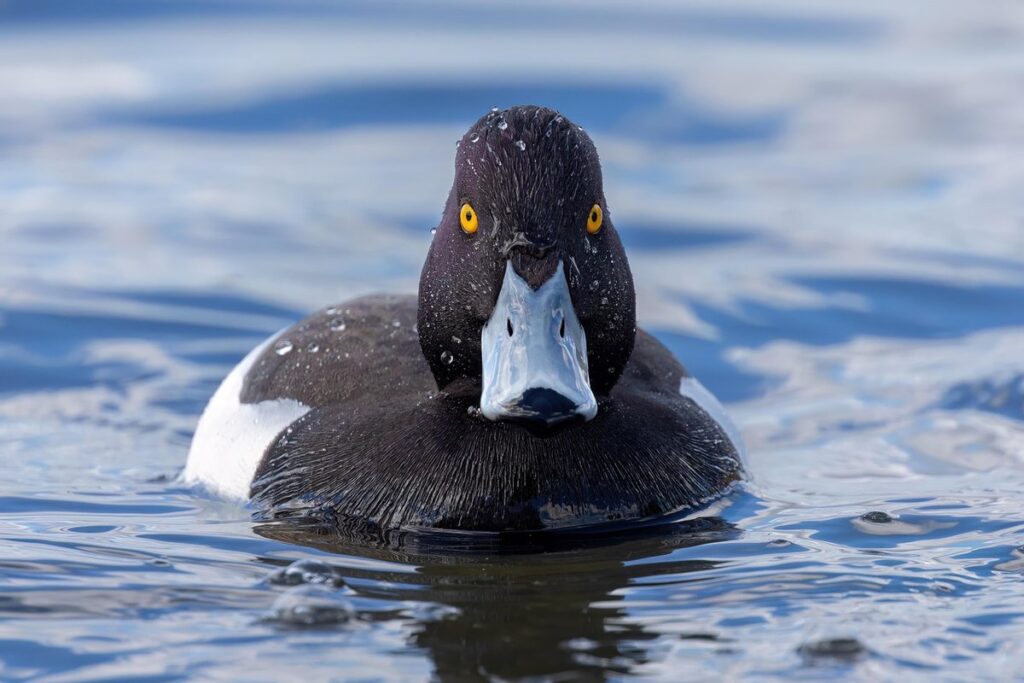
What is the Eye of the Duck?
So, you’re wondering what exactly the Eye of the Duck is and how it’s formed. Let’s dive into the fascinating science behind this unique phenomenon.
Definition and Origins
The “Eye of the Duck” is a fascinating visual effect that has captivated artists and designers for centuries. At its core, this phenomenon refers to the way certain images or designs are composed to create a sense of depth, perspective, and sometimes even mystery. You’ve probably seen it in photographs, illustrations, or digital art pieces where a small element appears to be gazing back at you from within a larger design.
This effect is achieved through clever use of composition, lighting, and shadow. When an image has a clear subject with a distinct shape and outline, the surrounding environment can create an optical illusion that makes it seem as though the subject is looking right back at you. Think of it like when you spot a tiny bird perched on a branch in a photograph – your brain automatically searches for what the bird might be looking at, creating a sense of connection with the image.
In graphic design and digital art, the “Eye of the Duck” can be intentionally created to engage viewers or convey a message. For instance, designers often use it in branding or advertising campaigns to capture attention or create intrigue.
History and Evolution
The concept of the “Eye of the Duck” has its roots in traditional art forms such as painting and printmaking. In the 17th century, Dutch masters like Rembrandt and Vermeer used this technique to create a sense of depth and volume in their works. By manipulating light and shadow, they created the illusion of a bright spot on the surface of an object, drawing the viewer’s eye towards it.
This art historical precedent laid the groundwork for later artists who experimented with similar effects in various mediums. In printmaking, for instance, the “Eye” was achieved through masterful use of chiaroscuro – the contrast between light and dark areas to create a sense of three-dimensionality. This approach allowed printmakers to convey complex textures and emotions without sacrificing aesthetic appeal.
As we’ll explore later, the application of these principles has evolved significantly in modern graphic design. But its origins are firmly rooted in the rich tradition of visual arts where artists sought to create an engaging narrative through carefully controlled use of light and shadow.
Types of Eye of the Duck Effects
You’re curious about the different types of eye of the duck effects that can occur, and we’ll explore each one in detail to help you understand what’s happening. Let’s dive into the various manifestations.
Symmetrical and Asymmetrical Designs
When it comes to creating an Eye of the Duck effect, composition plays a crucial role. Two key aspects of composition that can significantly impact this phenomenon are symmetrical and asymmetrical designs.
Symmetrical compositions involve mirroring elements on either side of a central axis, creating balance and order in the image. This type of composition can create a sense of calmness and stability, which is particularly effective when used to convey a message or tell a story. For instance, in photography, symmetrical composition can be used to capture a serene landscape or a tranquil still life. However, symmetry can sometimes come across as too perfect, losing the emotional impact of the image.
Asymmetrical compositions, on the other hand, involve intentionally breaking this balance to create visual tension and interest. By placing elements off-center, photographers can guide the viewer’s attention to specific parts of the image. Asymmetry is particularly useful when capturing dynamic scenes or emotions, such as action shots or portraits with intense expressions.
In both cases, the goal is to create an engaging composition that draws the viewer in and encourages exploration. When aiming for an Eye of the Duck effect, consider experimenting with both symmetrical and asymmetrical compositions to see which approach yields the most compelling results.
Optical Illusions and Perception
When we gaze at an image or scene, our brain is constantly filtering and processing visual information to make sense of what we’re seeing. This complex process involves multiple cognitive functions working together, including perception, attention, and memory. One fascinating aspect of this process is the role of optical illusions in creating the Eye of the Duck effect.
In art, optical illusions are intentionally used to create striking visual effects that deceive our brain into perceiving something other than what’s actually there. This can include techniques like perspective, shading, and color manipulation. By leveraging these tricks, artists can create a sense of depth, movement, or three-dimensionality in a flat image.
But how does this relate to the Eye of the Duck? It turns out that our brain is wired to prioritize patterns and symmetry, which can sometimes lead us astray. When we look at an image with an optical illusion, our brain tries to make sense of it by creating a narrative or finding meaning in the distorted shapes. This is precisely what happens when we see the Eye of the Duck effect – our brain is tricked into seeing a duck’s profile where none exists.
To apply this understanding to your own artistic endeavors, try experimenting with optical illusions and perception techniques. Play with patterns, textures, and colors to create captivating visuals that challenge the viewer’s expectations. You might be surprised at how easily you can manipulate the viewer’s brain into perceiving something other than what’s really there!
Techniques for Creating the Eye of the Duck
Now that you have a solid understanding of what eye of the duck is, let’s dive into some practical techniques to create it in your own baking and decorating projects.
Composition Principles
When applying composition principles to capture the Eye of the duck effect, balance plays a crucial role. Balance refers to the arrangement of visual elements within an image, creating a sense of stability and harmony. Achieving balance in your shots means distributing visual weight evenly throughout the frame, which can be done by balancing heavy or dark elements with lighter ones.
To create contrast, experiment with different lighting setups and angles. High-contrast images featuring bright highlights and deep shadows can make the Eye of the duck stand out even more. This technique works particularly well in backlit situations, where the sun’s rays illuminate the subject from behind.
Leading lines are another powerful tool to incorporate into your composition. These lines guide the viewer’s eye through the image, drawing attention to the main subject – in this case, the Eye of the duck. Look for natural leading lines like tree branches, shorelines, or ridges to create a visually appealing pathway for the viewer’s gaze.
By applying these fundamental principles, you can elevate your photography and increase the chances of capturing the captivating Eye of the duck effect. Experiment with balance, contrast, and leading lines to create more dynamic and engaging images that showcase this unique phenomenon in its best light.
Image Editing Software
To achieve the distinctive “eye of the duck” effect, you’ll want to use image editing software that allows for precise adjustments. Adobe Photoshop is a popular choice among designers, offering a range of tools for contrast, saturation, and color balance. For instance, you can use the ‘Contrast’ feature to enhance or reduce the sharpness between different areas of the image. Similarly, adjusting saturation levels can help mute or intensify specific colors within the composition.
Another key aspect is balancing the color palette. In an image with a “eye of the duck” effect, warm and cool tones often coexist. You can use the ‘Color Balance’ feature to fine-tune these elements, making sure that neither overpower the other. For example, if you’re working on a design featuring blues and yellows, you might need to adjust the color balance settings to maintain visual harmony.
When editing images, remember that less is often more. Avoid over-processing your work, as this can lead to an unnatural appearance. Instead, focus on making subtle adjustments that enhance the overall mood of the image.
Common Applications of the Eye of the Duck
Let’s dive into some practical examples of how the eye of the duck is used in various fields, from photography to engineering. We’ll explore its unique benefits and applications.
Advertising and Marketing
When it comes to advertising and marketing, companies are always on the lookout for unique ways to grab attention. The Eye of the Duck has become a fascinating phenomenon that’s captured the imagination of many brands. By incorporating this visual illusion into their branding, advertising, and marketing strategies, businesses can create a lasting impression on their audience.
For instance, consider a popular coffee shop chain that uses an Eye of the Duck design for its packaging. The swirling patterns on the cup and sleeve create a mesmerizing effect that makes customers stop and stare. This clever use of visual psychology not only sets the brand apart but also encourages social media sharing and user-generated content. To incorporate the Eye of the Duck into your own marketing strategy, try experimenting with bold color combinations and abstract shapes in your branding materials or ad campaigns.
Remember, the key to successfully using the Eye of the Duck is to balance creativity with attention-grabbing effectiveness. By doing so, you can make your brand stand out from the crowd and leave a lasting impression on your target audience.
Art and Design Trends
The Eye of the Duck has made its mark on art and design trends over the years, becoming an instantly recognizable phenomenon. Its iconic representation has seeped into various mediums, from painting to digital graphics, often serving as a symbol of curiosity or humor. The simplicity of this optical illusion makes it accessible for artists and designers to experiment with and reinterpret.
As a result, the Eye of the Duck has become synonymous with playful manipulation of visual perception. Artists often incorporate this concept into their work, blurring the line between reality and trickery. Designers leverage its versatility by applying it to various contexts – from advertisements to product packaging – where creating intrigue is key.
One notable example of the Eye’s influence on design can be seen in the world of advertising, where marketers employ clever visual tricks like the Eye of the Duck to capture viewer attention. This clever application serves as a testament to how this phenomenon continues to inspire creativity and innovation in the art and design community.
Challenges and Limitations
While studying the eye of the duck phenomenon can be fascinating, it’s not without its challenges and limitations that researchers face daily. Let’s dive into some of these difficulties together.
Balancing Aesthetics and Functionality
One of the biggest challenges when using the Eye of the Duck technique is striking a balance between aesthetics and functionality. On one hand, a beautifully rendered image can make all the difference in conveying complex data; on the other hand, an overly elaborate design can distract from the underlying message.
A key consideration is choosing visualization tools that are both visually appealing and intuitive to use. For instance, using libraries like Matplotlib or Seaborn for creating high-quality plots with minimal coding effort can help achieve this balance. By selecting a well-designed template or theme, users can save time and avoid tedious customization, ensuring the final product is both informative and visually engaging.
Effective Eye of the Duck visualizations prioritize clarity over elaborate styling. Avoid cluttering the image with too much text or extraneous elements, as this can detract from the overall message. Instead, focus on presenting key information in a clear and concise manner, allowing viewers to quickly grasp the insights being presented. By adopting a minimalist approach, you can create compelling visuals that communicate complex ideas while maintaining aesthetic appeal.
Pitfalls to Avoid
When attempting to create or incorporate the eye of the duck effect into design work, it’s essential to be aware of common pitfalls that can compromise its authenticity and visual impact. One mistake designers make is over-simplifying the composition by placing the subject directly in the center of the frame. This straightforward approach not only lacks creativity but also fails to capture the subtlety of the phenomenon.
To avoid this pitfall, experiment with asymmetrical compositions where the subject is placed off-center or even slightly out-of-frame. This can create a more dynamic and engaging visual experience. Another common mistake is over-reliance on software filters or plugins that promise to replicate the eye of the duck effect instantly. While these tools can be helpful, relying solely on them can lead to inconsistent results and a lack of understanding behind the principles driving this phenomenon.
Avoiding these pitfalls requires patience, experimentation, and a willingness to delve into the underlying principles governing the behavior of light and shadow in the eye of the duck effect. By doing so, designers can unlock new creative possibilities and elevate their work with unique and captivating visuals.
Best Practices for Incorporating the Eye of the Duck
When incorporating the Eye of the Duck into your recipes, it’s essential to balance its unique flavor and texture with complementary ingredients that enhance its presentation. Let’s explore some expert-approved best practices for making this happen successfully.
Integrating with Other Design Elements
When incorporating the Eye of the Duck into your design, it’s essential to consider how it will interact with other visual elements. One way to create a cohesive look is to choose typography that complements the Eye of the duck without overpowering it. For instance, use a clean sans-serif font for body text and reserve decorative fonts for headings or accents. This balance allows the Eye of the duck to remain a focal point while maintaining visual harmony.
In terms of color schemes, consider pairing the Eye of the duck with muted tones that allow its subtle detail to shine through. Earthy shades such as sage green, sandy beige, or weathered wood evoke a sense of organic simplicity and don’t compete with the intricate patterns found in an Eye of the duck. You can also use bold colors strategically, such as for accents or highlights, to add visual interest without overwhelming the design.
Additionally, consider the composition of your design when integrating the Eye of the duck. Place it near a negative space or against a contrasting background to create visual balance and allow its unique details to stand out.
Creating a Harmonious Composition
Creating a harmonious composition that incorporates the eye of the duck requires a thoughtful approach to balance and visual flow. When using this unique visual effect, it’s essential to avoid overwhelming the viewer with too much visual stimulation. A good starting point is to identify the focal point within your image – in this case, the “eye” itself.
Balance is key when incorporating the eye of the duck into your composition. Consider dividing your image into thirds both horizontally and vertically, placing the eye at one of these intersections to create a sense of stability. Avoid centering the eye directly; instead, position it off-center to create visual interest.
Consider pairing the eye with complementary elements that enhance its impact without overpowering it. This might include subtle textures or patterns that add depth and context to the scene. By thoughtfully balancing your composition, you can harness the eye of the duck’s unique energy to draw the viewer in and engage their attention.
Frequently Asked Questions
How do I apply the Eye of the Duck effect to my own photography?
To incorporate this captivating effect into your photography, experiment with various angles and lighting setups. Pay attention to the way shadows and highlights interact within the circular object or design. Consider using a shallow depth of field to emphasize the central glowing circle, making it stand out against the surrounding elements.
Can I use image editing software to create the Eye of the Duck effect?
Yes, you can utilize image editing software like Adobe Photoshop or Illustrator to achieve the Eye of the Duck effect. Learn how to manipulate layers, adjust opacity, and play with radial blur to recreate this phenomenon. Be mindful of maintaining a harmonious balance between visual elements.
What are some common pitfalls to avoid when implementing the Eye of the Duck?
Falling into the trap of overusing symmetry or relying too heavily on optical illusions can detract from the overall impact of the design. To avoid this, strike a balance between aesthetics and functionality, keeping in mind your target audience’s needs and expectations.
Can I use the Eye of the Duck effect for commercial purposes?
Yes, incorporating the Eye of the Duck effect into your advertising or marketing campaigns can be an effective way to capture attention and convey complex messages. However, ensure that you’re using it in a responsible manner and respecting any relevant design conventions.
How do I balance the Eye of the Duck with other design elements?
To achieve a harmonious composition, experiment with varying levels of contrast and texture between different visual elements. Consider using contrasting colors or shapes to create visual interest while maintaining cohesion within the overall design.