
If you’re one of the many backyard chicken enthusiasts who’s fallen in love with the gentle and friendly Faverolles breed, then you know how rewarding it can be to raise these lovable birds. But as much as we adore our feathered friends, providing the right care and attention is crucial for their happiness and overall health. From setting up a suitable coop and run to feeding them a balanced diet and monitoring their health, there’s a lot to consider when it comes to Faverolles chicken care. In this article, we’ll be covering all the essential aspects of caring for your Faverolles flock, including housing, diet, health, breeding, and more, so you can ensure your birds live happy and thriving lives.
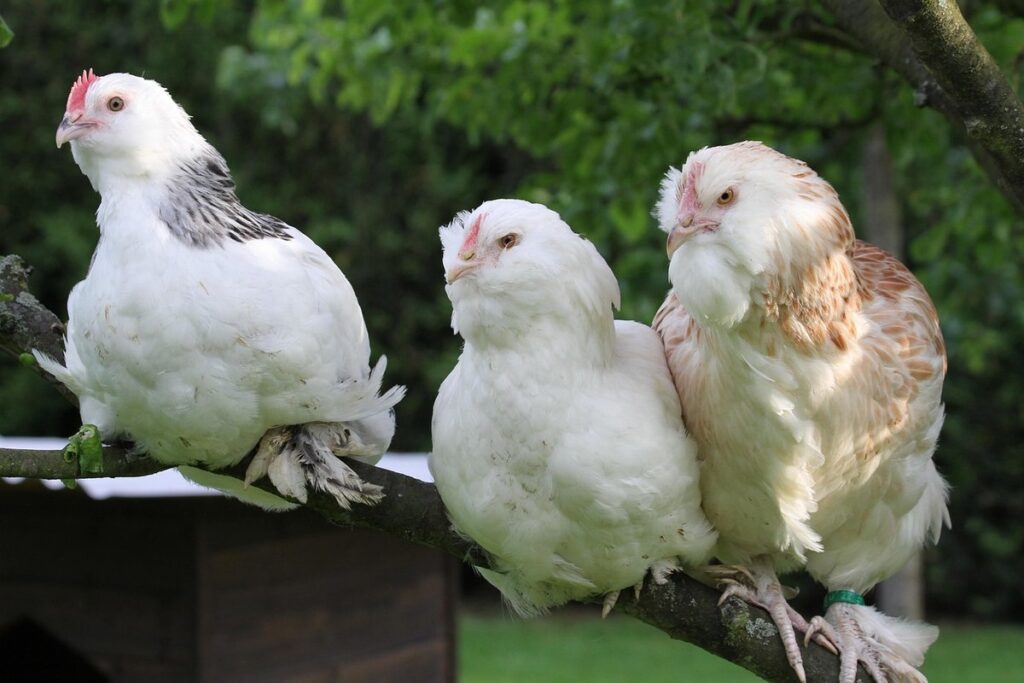
Introduction to Faverolles Chickens
If you’re new to raising chickens, learning about Faverolles can be a great place to start. This breed is known for its friendly and curious nature.
History and Origin of Faverolles Chickens
The Faverolles chicken breed has its roots in France, where it was developed in the late 19th century. The name “Faverolles” comes from the village of Faverolles, which is located in the Eure-et-Loir department of central France. This breed was created by crossing various breeds such as the Cochin, Brahma, and Houdan to produce a bird that excelled in both egg-laying and meat production.
One of the distinctive characteristics of Faverolles chickens is their unique appearance. They have a broad face, a bearded face, and five toes on each foot. This breed is known for its gentle nature, making them an excellent choice for families with children or for backyard chicken keepers who want a friendly and docile bird.
Their origins in France also influenced the Faverolles’ ability to adapt to cold climates, which makes them suitable for keeping in areas where other breeds might struggle. With their moderate egg-laying capabilities and good meat production, it’s no wonder that the Faverolles has become popular among chicken enthusiasts worldwide.
Why Choose Faverolles Chickens
If you’re considering adding Faverolles chickens to your backyard flock, you’ll find that their unique combination of charm and productivity makes them an attractive choice. These gentle birds are renowned for their friendly nature, making them a delight to care for and interact with.
One of the primary reasons many chicken keepers choose Faverolles is their remarkable egg-laying capacity. On average, a mature Faverolles hen will produce around 200-220 eggs per year, which is significantly higher than many other heritage breeds. This means you’ll have an abundant supply of fresh, nutritious eggs right in your own backyard.
But it’s not just about the eggs – Faverolles chickens are also known for their affectionate and docile personalities. They’re relatively easy to handle and can even be quite demanding of attention, which makes them a great choice for families or first-time chicken keepers who want a low-maintenance but rewarding experience. With proper care and attention, your Faverolles hens will thrive and provide you with years of enjoyment and entertainment.
Housing and Environment
When it comes to keeping Faverolles chickens happy and healthy, providing a suitable environment is just as crucial as feeding them well. Let’s dive into what makes for an ideal housing setup.
Coop Design and Size Requirements
When it comes to housing your Faverolles chickens, a well-designed coop is essential for their health and happiness. A suitable coop should provide ample space for the birds to move around comfortably, as well as protection from predators and harsh weather conditions.
As a general rule of thumb, a good starting point for coop size is to provide at least 3-4 square feet per bird inside the coop, not including any attached runs or enclosed areas. For Faverolles chickens specifically, this translates to a minimum of around 20-25 square feet of coop space for a small flock of four birds.
In addition to adequate space, ventilation and lighting are crucial components of a healthy coop design. Ensure that your coop has proper ventilation to prevent the buildup of ammonia from the birds’ droppings, which can be toxic in high concentrations. You can achieve this through the use of vents, windows, or even a simple roof extension.
It’s also essential to include adequate lighting within the coop, both natural and artificial sources, to help regulate your Faverolles chickens’ circadian rhythms and encourage egg-laying. A nesting box ratio is another vital consideration; aim for one nesting box per 3-4 hens to prevent overcrowding and promote a peaceful environment.
Consider investing in a coop with built-in features such as easy-clean surfaces, feeding and watering stations, and predator-proofing measures like hardware cloth or chicken wire mesh. Don’t forget to leave enough space between the nesting boxes and roost bars for your Faverolles chickens to comfortably access them without straining their necks.
When building or purchasing a coop, remember that it’s not just about the size; it’s also about creating a safe and healthy environment that meets your birds’ unique needs. With careful planning and attention to detail, you can create a happy and thriving home for your Faverolles flock.
Perches and Roosting Bars
Providing adequate perches and roosting bars is crucial for Faverolles chickens to promote healthy digestion and prevent leg problems. When it comes to these birds, they have a natural inclination to perch and roost, which is essential for their overall well-being.
To ensure your Faverolles chickens have ample opportunities to exercise and digest food properly, you should provide at least 2-3 inches of space per bird on the roosting bars. This means that if you have two or more birds sharing a coop, make sure the total length of the roosting bars is not less than 12 inches for each additional bird.
It’s also vital to position the perches and roosting bars at an ideal height. Faverolles chickens prefer perching around 2-3 feet off the ground, which allows them to stretch their necks comfortably while keeping their legs elevated. This will not only encourage natural behavior but also reduce the risk of leg problems.
Regular cleaning and maintenance of your roosting bars are equally important. Ensure they’re free from dust, debris, and droppings at all times to prevent health issues in your birds. Consider replacing old perches every 6-8 months or whenever you notice signs of wear and tear.
Diet and Nutrition
When it comes to keeping your Faverolles happy and healthy, their diet is a crucial aspect of their care. This section will cover the essential nutritional needs of Faverolles chickens.
Balanced Diets for Faverolles Chickens
When it comes to providing a balanced diet for your Faverolles chickens, there are several key components to consider. Layer feed should make up the bulk of their diet, with recommendations suggesting that they consume around 16-18% protein and 2.5-3.0% calcium. However, you may also need to supplement their diet, especially if you’re raising them for egg production. A good quality layer feed will contain a balanced mix of vitamins and minerals, but some owners choose to add additional supplements such as oyster shells or crushed eggshells to provide extra calcium.
It’s also essential to consider treats and table scraps when creating a balanced diet. While it can be tempting to give your Faverolles chickens human food, this should be done in moderation. Good treats include fruits like apples and berries, but make sure to remove seeds and pits as these can be toxic. Leafy greens such as kale and spinach are also great options, providing essential vitamins and minerals. Always introduce new foods gradually to prevent digestive upset, and remember that the goal is to provide variety while avoiding overfeeding.
Water Quality and Access
Providing clean, fresh water at all times is essential for maintaining the overall health and well-being of your Faverolles flock. Water quality plays a crucial role in digestion, egg production, and disease prevention. A dirty or contaminated water source can lead to serious health issues, including respiratory problems, diarrhea, and even death.
To ensure adequate water access for your flock, it’s essential to provide multiple watering points throughout the enclosure. Aim for at least one waterer per 10 birds, and consider using nipple waterers or bell drinkers to reduce waste and splashing. Change the water frequently, ideally twice a day, to prevent bacterial growth. Use a water filter or a product specifically designed to improve water quality to keep your flock’s drinking water fresh.
Regularly inspecting your water sources is also crucial in maintaining good hygiene practices. Check for signs of contamination, such as mold, algae, or an unusual odor. Make it a habit to monitor the water level daily and replenish it promptly to avoid running low. By prioritizing clean water access, you’ll be contributing significantly to your Faverolles flock’s overall health and happiness.
Health Considerations
When caring for Faverolles chickens, it’s essential to be aware of potential health issues that may arise, such as parasites and respiratory problems. We’ll cover common health concerns in this section.
Common Health Issues in Faverolles Chickens
As you work to provide top-notch care for your Faverolles chickens, it’s essential to be aware of some common health issues that can affect this breed. Respiratory problems are a major concern, particularly during the hot summer months or when there is high humidity in their coop. Bumblefoot and vent problems are also relatively common issues seen in Faverolles chickens.
To prevent respiratory problems, ensure good ventilation within the chicken run by providing adequate airflow through windows and ensuring that the coop is well-ventilated. A humid environment can lead to health issues, so use a dehumidifier if necessary.
Parasites like mites and lice are also common in Faverolles chickens. Regularly check for signs of these external parasites, such as excessive scratching or dusting behavior. If you do find any infestations, treat promptly with the right medication according to the product’s instructions.
Some breeds are more prone to certain health issues due to their genetics and physiology. Researching common health problems in Faverolles chickens will help you recognize early warning signs of potential health risks and take preventative measures accordingly.
Vaccinations and First Aid
As you care for your Faverolles chickens, it’s essential to prioritize their health and well-being. Vaccinations play a crucial role in protecting them from diseases, while first aid knowledge can help you respond quickly and effectively in case of an emergency.
The American Bantam Association recommends vaccinating your Faverolles against Marek’s disease, a common and often fatal viral illness affecting poultry worldwide. Other recommended vaccinations include those for Newcastle disease and infectious bronchitis. Consult with a veterinarian to determine the best vaccination schedule for your flock based on their age, health, and local disease prevalence.
In addition to vaccinations, it’s vital to have a first aid kit and knowledge of basic treatment options for common ailments like respiratory infections, wounds, and parasites. Keep an eye out for signs of illness, such as labored breathing, lethargy, or changes in droppings. Know how to administer antibiotics, antiparasitics, and other medications under the guidance of a veterinarian. Regularly inspect your flock’s living conditions, providing clean water, food, and shelter to prevent disease transmission.
By taking proactive steps in vaccination and first aid, you’ll be better equipped to handle health issues that may arise and ensure your Faverolles chickens lead happy and healthy lives.
Breeding and Hatching
If you’re planning to breed Faverolles, understanding their unique characteristics is crucial. This section will guide you through the process of breeding and hatching these beautiful birds successfully.
Understanding Faverolles Chicken Reproduction
When it comes to Faverolles chicken reproduction, understanding their breeding cycles and egg production is crucial for successful breeding programs. On average, a mature Faverolle hen will lay around 180-200 eggs per year, with most of them being light brown in color.
Faverolles are known to be prolific layers, but they require proper care and management to ensure optimal reproduction. A good breeder should aim to provide each hen with at least 12 hours of daylight during breeding season, which typically runs from spring to fall.
The average breeding cycle for Faverolles is around 28 days, after which the hen will lay an egg. It’s essential to keep a close eye on temperature fluctuations and ensure that the coop remains draft-free to promote successful reproduction.
To increase your chances of getting fertile eggs, consider introducing a rooster to your flock, as this will help stimulate mating behavior. However, make sure to introduce him slowly and under close supervision to avoid any conflicts between hens.
Once you have fertile eggs, incubation should take place within 24-48 hours for optimal results. Maintain consistent temperatures (around 99°F) and humidity levels during the 21-day incubation period, and candle the eggs carefully around day 7 to check for any signs of embryonic development.
Caring for New Chicks
When you bring home new Faverolles chicks, it’s essential to give them the special care they need during their first few weeks of life. This is a critical period for growth and development, and proper brooding techniques can make all the difference.
For the first week or two, keep your chicks in a warm, draft-free area with a temperature between 90-100°F (32-38°C). You can use a heat lamp or a heat mat specifically designed for chicks. Monitor their temperature closely to ensure it stays within this range. Once they’re about a week old, you can start gradually reducing the temperature by 5-10°F (3-6°C) each day until they reach around 70-80°F (21-27°C).
Feeding and socialization are also crucial during this period. Offer starter feed specifically formulated for young chickens, and make sure fresh water is always available. Spend time with your chicks daily, handling them gently to help them become tame and confident.
Keep an eye out for signs of distress or illness in your new additions. Monitor their behavior, appetite, and stool quality closely, and consult a veterinarian if you notice anything unusual.
Conclusion
As you’ve reached the end of our comprehensive guide, it’s time to summarize the key takeaways and reflect on your new Faverolles chicken care skills. Let’s review what you’ve learned.
Recap of Key Takeaways
To ensure you’re well-equipped to care for your Faverolles chicken, let’s recap the key takeaways from this comprehensive guide. It’s essential to provide a safe and healthy environment for your birds, which includes ensuring they have enough space to roam (at least 2-3 square feet per bird), a balanced diet that includes a mix of grains, proteins, and calcium-rich foods, and regular access to fresh water.
It’s also crucial to understand their specific needs, such as providing plenty of ventilation, maintaining a comfortable temperature range (around 40°F to 80°F), and keeping them protected from predators. Proper handling is vital to avoid stressing your birds; gently pick up your Faverolles chicken by supporting its body and wings.
In terms of health, be on the lookout for signs of illness or injury, such as lethargy, changes in appetite, or difficulty walking. Regularly clean their coop and run, change bedding material regularly (at least once a week), and keep an eye out for mites and lice.
Additional Resources and Tips
If you’re interested in learning more about Faverolles chicken care and breeding, I recommend checking out these reputable resources. For example, “The Faverolles” by Eileen Brown is a comprehensive guide that covers the history, temperament, and characteristics of this breed.
You can also visit websites like the British Faverolle Club or the American Faverolle Club for up-to-date information on breeding standards, health issues, and upcoming events. These organizations offer valuable resources for new and experienced breeders alike.
If you’re just starting out with your flock, consider investing in a good chicken keeping book that covers the basics of poultry care, such as “The Backyard Chicken Book” by Barbara Kilarski. This will give you a solid foundation to build on as you learn more about Faverolles chicken behavior and health.
Additionally, don’t be afraid to reach out to fellow breeders or join online forums for support and advice. Networking with other experienced keepers can help you troubleshoot common issues and stay up-to-date on best practices.
Frequently Asked Questions
What’s the ideal age for introducing new Faverolles chickens to my existing flock?
When introducing new birds, it’s essential to consider their socialization and temperament. For a harmonious integration, introduce young chickens (around 6-8 weeks old) or mature birds with similar temperaments. Monitor behavior closely during the introduction process, ensuring each bird has enough space and resources.
Can Faverolles chickens tolerate extreme weather conditions?
Faverolles are relatively hardy but can be sensitive to extreme temperatures. Ensure their coop provides adequate ventilation, insulation, and protection from wind, sun, or heavy rainfall. Consider providing shade or sheltered areas for them to retreat when needed.
How often should I collect eggs from my Faverolles hens?
Faverolles are prolific egg layers, producing around 150-180 brown eggs per year. Collect eggs daily to maintain a clean environment and encourage healthy laying habits. Store collected eggs in a cool, dry place to preserve their quality.
Can Faverolles chickens forage effectively on pasture or do they require specialized feed?
Faverolles can benefit from free-range access, but their foraging abilities might be limited due to their size and gentle nature. Supplement with high-quality layer feed, ensuring access to clean water and adequate shelter during inclement weather.
How long does it take for Faverolles chickens to become fertile breeders?
Faverolles typically reach maturity between 20-24 weeks of age. To achieve fertility, ensure they receive proper nutrition, maintain a healthy weight, and have suitable mating conditions. Monitor their reproductive health closely to prevent any issues related to breeding.