
Are you curious about the vibrant colors of your Faverolles chickens‘ eggs? You’re not alone! Many backyard flock owners are fascinated by the wide range of eggshell hues produced by these wonderful birds. But have you ever wondered what influences the color of their eggs? Is it genetics, nutrition, or something else entirely?
In this expert guide, we’ll take a closer look at the fascinating world of Faverolles chicken egg colors and help you decode the meaning behind your flock’s colorful creations. We’ll delve into the science of eggshell pigmentation, exploring how factors like breed, diet, and even health can impact the color of your eggs. By the end of this article, you’ll be equipped with a comprehensive Faverolles chicken egg color chart to help you understand and appreciate the unique characteristics of your flock’s eggs.
Understanding Faverolles Chickens and Their Eggs
Let’s dive into the fascinating world of Faverolles chickens, where their unique characteristics and egg-laying habits are a perfect blend of utility and charm. We’ll break down what makes these birds special.
Origin and History of Faverolles Chickens
The Faverolles chicken breed has its roots in 19th-century France, where it was developed by crossing various breeds such as the Belgian D’Uccle and other French fowl. This cross-breeding aimed to create a hardy and versatile bird that could thrive in harsh weather conditions.
As you delve into understanding Faverolles chicken egg colors, it’s essential to appreciate the breed’s rich history and characteristics that have led to their unique eggs. Faverolles chickens are known for their striking appearance, with feathers ranging from white, grey, and black, often in combination with red or orange highlights.
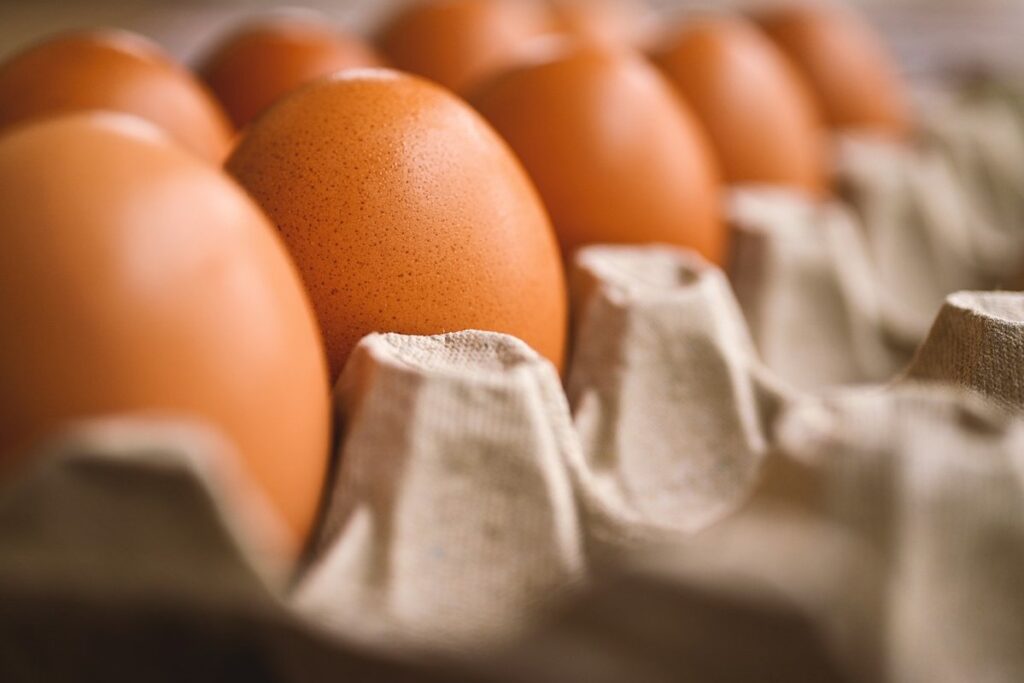
Their origins play a significant role in shaping their egg-laying abilities. Faverolles hens are prolific layers, producing an average of 200 brown eggs per year. However, the color can vary depending on factors such as diet, living conditions, and genetics. By understanding the breed’s history and characteristics, you’ll better appreciate the diversity of egg colors produced by your Faverolles flock.
Physical Characteristics of Faverolles Chickens
Faverolles chickens are known for their unique and attractive physical characteristics that not only make them a delight to own but also may influence their egg coloration. One of the most distinctive features of Faverolles is their plumage, which can vary from golden-brown to silver-gray with intricate patterns on the breast, wings, and tail feathers. This diverse coloring can affect the intensity and hue of their eggs.
Their beak shape and size also play a role in egg coloration. Faverolles have a relatively short, stout beak that is well-suited for pecking at seeds and insects, which may contribute to their brown or tan-colored eggs. Additionally, their medium-sized beaks are less likely to scratch and damage the shell, resulting in cleaner and more uniform eggs.
The size of Faverolles chickens also impacts egg production and color. Being a medium-weight breed, they tend to produce an average number of large to extra-large eggs with brown or tan shells due to their genetic makeup and overall health. This understanding of their physical characteristics can help you anticipate the potential colors and quality of your Faverolles’ eggs.
Factors Influencing Egg Color in Faverolles Chickens
When it comes to determining your Faverolles’ egg color, several factors come into play, including genetics, nutrition, and age. Let’s explore these influences in more detail.
Genetics and Breeding History
When it comes to understanding eggshell color in Faverolles chickens, genetics and breeding history play a crucial role. The science behind pigment production in birds is fascinating, and it’s essential for breeders and owners to comprehend how these factors contribute to the final result.
In simple terms, pigment production in birds involves two types of melanin: eumelanin and pheomelanin. Eumelanin creates brown and black pigments, while pheomelanin produces red and yellow hues. The interaction between these two melanins determines the eggshell color. For instance, a high concentration of eumelanin can result in darker eggshells, whereas a combination of both can produce more intricate patterns.
As breeders selectively breed their Faverolles chickens, they inadvertently shape the genetics behind eggshell colors. This means that even within a single flock, you may notice varying degrees of egg coloration. By understanding these genetic influences and incorporating breeding strategies that prioritize desired traits, you can increase the likelihood of achieving specific eggshell colors in your Faverolles flock.
Keep in mind that every bird is unique, and genetic variation can introduce unexpected surprises even within breeds with relatively consistent eggshell colors. Nonetheless, by delving into the science behind pigment production and acknowledging the role of genetics and breeding history, you’ll be better equipped to navigate the complexities of Faverolles chicken egg coloration.
Diet and Nutrition’s Impact on Egg Color
A chicken’s diet and nutrition play a significant role in determining the color of their eggs. A balanced diet rich in essential nutrients is crucial for optimal egg production, including the pigmentation process that gives eggs their distinctive colors.
The most critical nutrient affecting egg color is lutein, a type of carotenoid found in yellow and orange fruits and vegetables like marigolds, zinnias, and corn. If a chicken’s diet lacks sufficient lutein, it may lead to pale or washed-out egg yolks. Conversely, an overabundance of lutein can cause the eggs to appear more intensely yellow.
Other essential nutrients like calcium, phosphorus, and vitamin D3 also influence eggshell color and quality. A deficiency in these nutrients can result in weaker eggshells that are more prone to cracking or breakage. On the other hand, an excess of certain minerals like copper can cause greenish tints in the eggshell.
Feed your Faverolles hens a balanced diet that includes a mix of grains, fruits, and vegetables. You can supplement their feed with crushed oyster shells for added calcium and vitamin D3. Monitor their egg production and adjust their diet accordingly to ensure they receive all the necessary nutrients. By doing so, you’ll be able to maintain healthy, vibrant eggs from your Faverolles hens.
The Faverolles Chicken Egg Color Chart
The colors of Faverolles chicken eggs can vary greatly, but understanding these variations is essential for any breeder or enthusiast. This chart breaks down the different shades you’ll likely encounter.
Introduction to the Chart and Its Significance
The Faverolles chicken egg color chart is an indispensable resource for breeders, owners, and enthusiasts of this beloved breed. This comprehensive guide is designed to provide a clear understanding of the chart’s purpose, organization, and significance.
At its core, the chart categorizes Faverolles eggs into distinct shades based on their color intensity and tone. Breeders can use it as a reference to identify egg-laying patterns and predict potential outcomes when breeding for specific traits. For owners, the chart helps understand why their hens may be producing certain colors of eggs. It’s also an invaluable tool for enthusiasts who wish to learn more about the genetics behind Faverolles egg coloration.
The chart is structured by egg color intensity, ranging from light pastel shades to deep dark tones, and is further divided by specific hues like blue, green, brown, and olive. Each category provides a detailed description of characteristics associated with that particular color range, allowing users to quickly identify the genetic makeup of their flock. By leveraging this chart, breeders can make informed decisions when selecting breeding stock, while owners can better understand and appreciate the unique attributes of their hens.
Eggshell Colors and Their Meanings on the Chart
As you navigate the Faverolles chicken egg color chart, you’ll notice that the different eggshell colors and shades correspond to specific meanings and characteristics. Let’s break down each of these colors and what they signify:
Eggshell Colors:
* White: A classic choice for many backyard flock owners, white eggs are clean and versatile. Faverolles chickens will often produce white eggs with a slightly pink tint or a small brown patch.
* Light Brown: This warm, earthy tone is a favorite among some breeders. Light brown eggs have a subtle sheen to them and can be a lovely addition to your egg basket.
* Dark Brown: For those who prefer a richer, more intense color, dark brown eggs are the way to go. These eggs often have a darker, almost reddish tint.
It’s worth noting that some Faverolles chickens may produce eggs with slight variations in color within these main categories. Factors like diet and individual bird characteristics can influence eggshell color, so it’s not uncommon for your flock to produce a mix of colors.
When looking at the chart, keep an eye out for these subtle differences in coloration and how they correspond to specific characteristics or traits. This can help you better understand your flock’s strengths and weaknesses.
Interpreting the Chart for Your Faverolles Chickens
Now that you have a chart, let’s dive into how to accurately interpret the egg color patterns and what they might mean for your flock. We’ll break down each possible combination.
How to Use the Chart Effectively
When using the Faverolles chicken egg color chart to assess and understand the egg-laying abilities of your flock, it’s essential to do so effectively. To start, take a closer look at the individual characteristics of each bird. Keep in mind that even within breeds like the Faverolles, there can be significant variations in egg color due to genetics.
As you compare your birds’ eggs to the chart, consider the following: different lighting conditions can affect the appearance of egg color, so take note of this when making comparisons. It’s also crucial to look beyond individual eggs and examine a sufficient number of eggs from each bird over time.
Pay attention to any discrepancies in the chart, as some breeds may not exhibit the exact colors listed. Instead, they might display variations that are still within the breed standard but differ slightly from what’s shown on the chart. By being aware of these possibilities and considering individual variations, you’ll be better equipped to accurately assess your Faverolles chickens’ egg-laying abilities using the chart.
Common Misconceptions and Challenges with Using the Chart
When using the Faverolles chicken egg color chart, you may encounter some common misconceptions and challenges. One of the main issues is that users often assume the chart is a one-size-fits-all solution. However, it’s essential to remember that egg color can be influenced by various factors such as diet, age, and breed characteristics.
To overcome this challenge, start by consulting with experienced breeders or veterinarians who have worked with Faverolles chickens. They can provide valuable insights into the unique characteristics of your flock and help you interpret the chart more accurately. Additionally, don’t be afraid to keep a record of your chicken’s egg-laying patterns, including dates, times, and any notable changes.
Some users may also struggle with understanding the nuances between similar egg colors. For instance, it can be tricky to distinguish between “cream” and “light brown.” To overcome this hurdle, practice using the chart by comparing different egg samples side-by-side. This hands-on approach will help you develop a more keen eye for subtle color variations and improve your ability to accurately identify egg colors.
Additional Considerations and Best Practices
When it comes to collecting eggs from your Faverolles flock, there are some additional considerations and best practices you should keep in mind to ensure optimal egg quality.
Health Implications of Egg Color Variations
When it comes to Faverolles chicken egg color variations, some owners may wonder if there are any health implications associated with these differences. While the color of an eggshell doesn’t directly impact its nutritional value, certain pigmentation can serve as indicators of potential issues within the flock.
For instance, a high incidence of blue or green eggs in your Faverolles chickens might suggest a dietary imbalance or exposure to contaminants that affect the production of porphyrins – responsible for egg coloration. In such cases, it’s essential to reassess their feed and ensure they have access to clean water.
Some health conditions, like hypovitaminosis A or riboflavin deficiency, can also manifest through changes in eggshell pigmentation. For example, eggs with an unusually pale or washed-out appearance may indicate a lack of adequate nutrition within the flock.
Regularly monitoring your Faverolles chickens’ egg color patterns and overall health can help identify potential issues early on. Keep track of any unusual trends or changes, and consider consulting with a veterinarian if you suspect something is amiss.
Maintaining a Healthy and Happy Flock
Maintaining a healthy and happy flock is crucial to ensuring a long and productive life for your Faverolles chickens. A well-balanced diet is essential for their overall health, and providing a variety of high-quality feed will help prevent nutritional deficiencies. Consider supplementing with fresh fruits and vegetables, as these can provide essential vitamins and minerals.
Living conditions are also vital to the happiness and well-being of your flock. Make sure they have plenty of space to roam and exercise, including access to outdoor areas for foraging and sunshine. A clean and dry coop is also necessary, so be sure to regularly clean out the nesting boxes and replace bedding as needed.
Genetic diversity within your flock can also play a significant role in their overall health and happiness. Consider introducing new bloodlines or breeds to prevent inbreeding, which can lead to genetic disorders. Regular vaccinations and health checks will also help identify any potential issues early on, allowing you to take preventative measures and ensure the long-term health of your flock.
Frequently Asked Questions
Can I use the Faverolles chicken egg color chart to predict my flock’s future egg-laying habits?
While the chart provides valuable insights, it’s essential to remember that individual birds can exhibit unique characteristics, and factors like age, health, and environmental conditions also play a role in determining egg-laying habits. Use the chart as a guideline, but keep an eye on your flock’s overall performance and adjust accordingly.
How do I interpret variations in egg color within my Faverolles flock?
Variations in egg color can be influenced by various factors, including diet, health, and genetics. To accurately determine the cause of these variations, pay close attention to other signs of health or stress, such as changes in behavior, feather quality, or overall energy levels.
What’s the ideal environment for my Faverolles chickens to produce eggs with vibrant colors?
Faverolles chickens require a balanced diet rich in nutrients and a clean, safe living space. Consider providing your flock with access to fresh air, adequate shelter, and regular exercise to promote optimal health and well-being. This will not only enhance the color of their eggs but also contribute to their overall happiness.
Can I use the Faverolles chicken egg color chart for other breeds or egg-laying birds?
While the chart is specifically designed for Faverolles chickens, understanding the principles behind eggshell pigmentation can be applied to various breeds and bird species. However, keep in mind that each breed has its unique characteristics, so it’s essential to consult with a poultry expert or conduct further research before applying this knowledge to other flocks.
How often should I update my Faverolles chicken egg color chart?
As your flock grows or changes over time, you may need to reassess their egg-laying habits and adjust the chart accordingly. Consider updating the chart every 6-12 months or when significant changes occur in your flock’s diet, health, or environment. This will ensure that the chart remains a reliable guide for understanding your Faverolles chickens’ unique characteristics.