
When you crack open an egg from your Faverolle hen, you might be surprised to see a brown or greenish-brown treasure inside. But have you ever wondered why these eggs are so uniquely colored? It’s not just about aesthetics; understanding the science behind Faverolle egg color can give you valuable insights into your flock’s health and well-being.
As it turns out, the distinctive hue of Faverolle eggs is influenced by a combination of genetics, nutrition, and environmental factors. In this article, we’ll delve into the fascinating world of poultry science to uncover the secrets behind these one-of-a-kind eggs. We’ll explore how your hen’s diet affects her eggshell coloration and what role genetics play in determining the final result. Whether you’re a seasoned chicken keeper or just starting out, you won’t want to miss this revealing look at the complex factors that shape Faverolle egg color.
The Origins of Faverolle Chickens
To truly understand why Faverolles eggs are so uniquely beautiful, let’s start by tracing their breed back to its humble beginnings in France. This charming chicken has a rich history that’s worth exploring.
History and Breeding
The Faverolle breed has its roots in France, where it was developed in the late 19th century. At that time, farmers sought to create a dual-purpose bird that excelled both as an egg-layer and a meat producer. The resulting breed would be robust, hardy, and able to thrive on varied diets. One of the Faverolle’s unique characteristics is its feathered legs, which give it a comical appearance.
These distinctive feathers also contribute to the breed’s soft, fluffy plumage. Faverolles are known for their gentle nature, making them an excellent choice for backyard farmers who want friendly, low-maintenance birds. Despite their size, Faverolles have a surprising amount of meat on their bones, which made them a prized addition to many French farms.
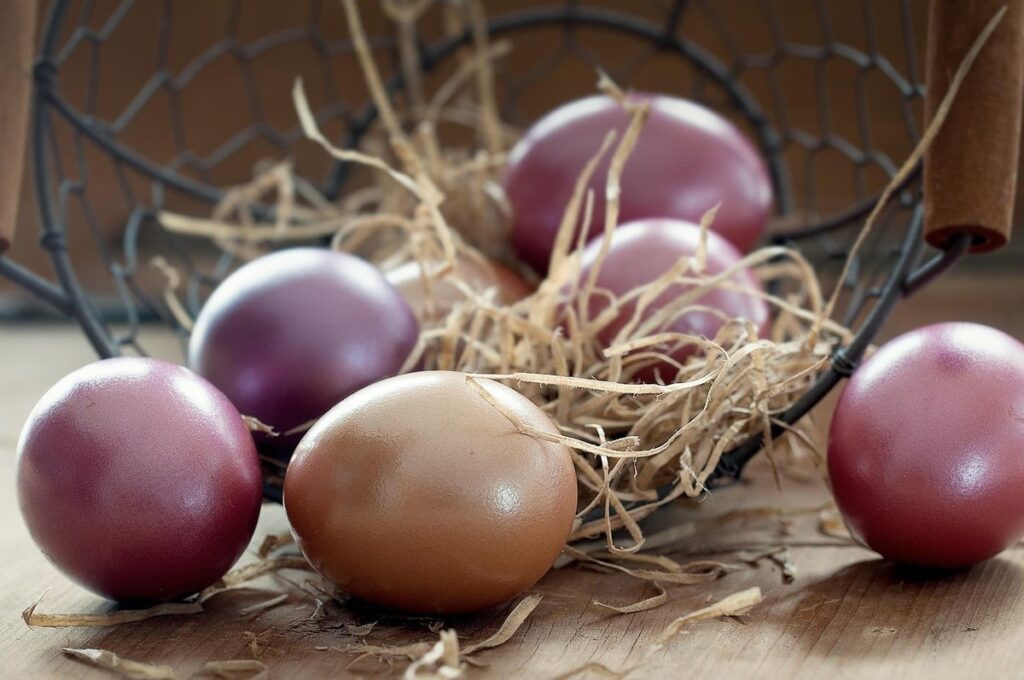
In terms of egg production, the Faverolle’s moderate-sized eggs are often described as ‘dark cream’ or ‘light brown’. The exact color can vary depending on individual bird characteristics and living conditions. With proper care and nutrition, a healthy Faverolle hen will lay around 200 large eggs per year, making them a valuable addition to any egg-producing flock.
Breed Standards and Egg Production
When it comes to egg production, Faverolles are known for their impressive abilities. As a breed standard, these hens are expected to lay around 180-200 brown eggs per year, which is quite remarkable considering their gentle nature and friendly disposition. In fact, many Faverolle owners rave about the moderate to high number of eggs they receive from their birds each month.
But what makes this feat even more impressive is that Faverolles are also known for being relatively low-maintenance when it comes to egg production. They require a moderate amount of space and care, but in return, they provide a steady supply of fresh eggs. This makes them an excellent choice for backyard chicken keepers who want to enjoy the benefits of homegrown eggs without breaking the bank or sacrificing too much time.
Of course, individual results may vary depending on factors like diet, health, and living conditions. However, as a general rule, Faverolle hens are expected to perform well in terms of egg production, making them a popular choice among chicken enthusiasts everywhere.
Egg Color Genetics: Understanding Why Faverolles Eggs Are Unique
So, what makes those beautiful Faverolles eggs so uniquely colored? Let’s dive into the fascinating world of egg color genetics and explore why their eggs stand out.
Introduction to Eggshell Pigmentation
When it comes to eggshell pigmentation, there’s more science behind its unique colors than you might think. So, why do Faverolles eggs have such distinct hues? To understand this, let’s dive into the world of oocyanin and protoporphyrin – two key players in determining an eggshell’s color.
Eggshell pigmentation is a result of the interaction between the egg’s shell membranes and the pigment molecules present within them. Oocyanin is responsible for the greenish-blue hues found in many chicken breeds, including the Faverolles. This pigment molecule reacts with other substances to create its distinctive colors. Protoporphyrin, on the other hand, contributes to the red-brown tones often seen in eggshells.
When oocyanin and protoporphyrin combine, they produce the unique coloration found in Faverolles eggs – a mix of blue-green and creamy undertones. The specific ratio of these pigments can vary between breeds, resulting in distinct eggshell colors. Understanding this science behind eggshell pigmentation can help you appreciate the intricate beauty of your flock’s eggs, including those from your beloved Faverolles hens.
The Role of Oocyanin in Faverolle Egg Color
Oocyanin is a crucial pigment responsible for the distinctive brown or greenish-brown coloration of Faverolle eggs. As one of the key pigments involved in eggshell production, oocyanin’s role cannot be overstated.
When oocyanin combines with other pigments like protoporphyrin and biliverdin, it creates a unique mixture that produces the characteristic brown hue of Faverolle eggs. The exact shade can vary depending on individual birds and their genetic makeup, but oocyanin is always present in some capacity.
Interestingly, research has shown that the amount of oocyanin in the eggshell plays a significant role in determining its color intensity. Birds with higher levels of oocyanin tend to produce darker eggs, while those with lower levels may have lighter brown or almost greenish-brown eggs.
To get an idea of just how much oocyanin contributes to Faverolle egg color, consider this: studies have found that the pigment is present in nearly 80% of all Faverolle eggs, making it a dominant factor in their unique appearance. Understanding the role of oocyanin can help breeders better predict and manage eggshell coloration in their flocks, which is particularly useful for those seeking to preserve the breed’s distinctive characteristics.
Characteristics of Faverolles Eggs: Size, Shape, and Shell Thickness
Let’s take a closer look at the physical characteristics of Faverolles eggs, which play a significant role in their unique appearance. From size to shell thickness, we’ll explore the fascinating details.
Egg Size and Weight
When it comes to Faverolles eggs, their size and weight are notable characteristics that set them apart from other breeds. On average, a large Faverolle egg weighs around 60-65 grams (2.1-2.3 oz), which is slightly larger than the average egg of other popular chicken breeds like Leghorns or Rhode Island Reds.
In comparison to these breeds, Faverolles eggs tend to be more elongated and have a slightly pointed end. This unique shape is due in part to the breed’s overall physical characteristics – their sturdy build and large feet help them lay larger eggs with a slightly different curvature.
While there may not be a huge range in egg size among individual Faverolle hens, some owners have reported that the larger birds tend to produce slightly bigger eggs. It’s worth noting that proper nutrition and care play a significant role in determining an individual bird’s overall health and productivity – so making sure your flock gets the best possible food and living conditions can help encourage healthy egg-laying.
Interestingly, Faverolles’ unique egg shape doesn’t affect their color or appearance, but it does add to their distinct charm.
Shell Thickness and Durability
One of the most striking characteristics of Faverolles eggs is their relatively thick shell compared to other breeds. This increased thickness makes them more durable and less prone to cracking during transportation or storage. In fact, studies have shown that Faverolle eggs have an average shell thickness of around 1.6-2.0 mm, which is significantly higher than many other breeds.
This added durability is likely due to the breed’s genetic makeup, with Faverolles being a cross between various French breeds known for their robust egg-laying abilities. As a result, Faverolle farmers can often ship eggs without worrying about them breaking during transit, reducing waste and increasing efficiency. For backyard chicken keepers, this means you can be more confident in handling your Faverolle eggs, whether it’s for cooking or decorating purposes.
When comparing shell thickness, it’s worth noting that even a small increase of 0.1-0.2 mm can make a significant difference in durability. So, if you’re considering getting a flock of Faverolles for their unique egg color, be sure to appreciate the added benefit of their robust shells!
Factors Influencing Faverolles Egg Color: Nutrition, Health, and Environment
Now that we’ve explored the genetics behind Faverolles egg color, let’s dive into what really matters: how nutrition, health, and environment impact their unique appearance. These external factors can significantly affect the final result.
The Impact of Nutrition on Eggshell Pigmentation
A balanced diet plays a crucial role in determining the eggshell color of Faverolles hens. The production of oocyanin, a pigment responsible for blue and green colors in eggs, is heavily influenced by nutrition. For instance, a deficiency in copper or vitamin B6 can lead to reduced oocyanin production, resulting in lighter-colored eggs.
On the other hand, an adequate intake of these nutrients can stimulate oocyanin production, enhancing the intensity of the eggshell color. Research has shown that Faverolles hens fed with a diet rich in fruits and vegetables tend to lay eggs with more vibrant colors.
To encourage optimal oocyanin production and, consequently, a deeper eggshell color, consider incorporating foods high in copper and vitamin B6 into your flock’s diet. Examples include leafy greens like kale and spinach, as well as supplements specifically designed for poultry. By providing a balanced and nutrient-rich diet, you can unlock the full potential of your Faverolles hens’ unique egg color characteristics.
Environmental and Health Factors
When it comes to Faverolles egg color, several environmental and health factors can influence their unique appearance. One significant factor is stress, which can cause a drop in egg production and alter the shell’s texture and color. For instance, if a flock experiences stress due to poor living conditions or inadequate nutrition, they may produce eggs with blue or green tints.
Another factor that affects Faverolles egg color is age. As hens mature, their egg yolks will darken, causing a change in the overall hue of the eggshell. For example, younger hens typically lay eggs with lighter brown shells, while older hens may produce eggs with darker, more mottled shells.
Additionally, certain diseases or parasites can impact Faverolles egg color. For example, if a flock is infected with mites or lice, they may exhibit changes in their eggshell color and texture. To minimize the impact of these factors on your flock’s egg color, ensure they receive regular health checks and maintain optimal living conditions.
Maintaining a balanced diet and providing access to fresh water and adequate space can also help mitigate any potential effects of stress or disease on Faverolles egg color.
Collecting and Keeping Faverolles: Tips for Egg Breeders
When collecting and keeping Faverolles, it’s essential to consider their unique needs and habits to ensure you’re providing the best environment for them. This section shares expert tips on caring for these lovely egg-layers.
Selecting Faverolles for Backyard Flocks
When it comes to selecting Faverolles for backyard flocks, it’s essential to consider their unique characteristics and suitability for small-scale egg production. Faverolles are an excellent choice for those who want a dual-purpose breed that excels in both egg-laying and meat production.
One of the key advantages of Faverolles is their ability to adapt to various climates and environments, making them an ideal choice for backyard flocks with limited space. They are also known for their docile nature, which makes them a great fit for families or individuals who want a breed that’s easy to handle.
In terms of egg production, Faverolles are moderate layers, producing around 180-200 eggs per year. While they may not be the most prolific layers, their eggs make up for it in quality – with their unique blue-green color adding an extra layer of charm to your farm-fresh eggs.
When selecting a Faverolle rooster, look for one that’s friendly and docile, as this will help ensure a harmonious flock. If you’re new to raising chickens, consider starting with two or three pullets (young hens) and letting them grow into adults together – this will make the transition to laying eggs smoother and less stressful on your birds.
Remember, Faverolles are a breed that thrives on attention and interaction, so be prepared to spend quality time with your flock. With proper care and handling, you’ll be rewarded with delicious, nutrient-rich eggs and a loyal companion in the process.
Managing Faverolle Health and Hygiene
Managing Faverolle Health and Hygiene is crucial to maintaining the quality of their eggs. A healthy flock is more likely to produce high-quality eggs with consistent coloration. Regular health checks can help identify potential issues before they become major problems.
Proper ventilation, cleanliness, and nutrition are essential for maintaining good health in Faverolles. Ensure adequate space for your hens to move around, as overcrowding can lead to stress, which negatively affects egg quality. A balanced diet rich in vitamins and minerals is also vital; include supplements like oyster shells or crushed eggshells to support calcium intake.
Hygiene is equally important. Clean the coop regularly, removing droppings and old bedding to prevent disease. Disinfect feeding and watering equipment frequently to avoid bacterial contamination. Regular vaccinations and parasite control measures should be implemented as part of your flock’s health routine. Keep accurate records of vaccinations, treatments, and health checks to monitor the overall health of your Faverolles.
By prioritizing health and hygiene, you can promote a thriving flock and produce eggs with consistent coloration. Remember that every little detail counts in maintaining a healthy environment for your Faverolles.
Conclusion: Appreciating the Unique Charm of Faverolle Eggs
Now that we’ve explored the fascinating factors behind Faverolles egg color, let’s wrap up by appreciating the beauty and uniqueness of these special eggs. Their charm lies in more than just their appearance.
Recap of Key Points
As we conclude our exploration of Faverolle eggs’ unique color characteristics, let’s take a moment to recap the key points discussed throughout this article. We’ve delved into the fascinating world of eggshell pigmentation and discovered what sets Faverolles apart from other breeds.
One of the primary factors contributing to their distinctive appearance is the breed’s genetics. Faverolles have a unique combination of genes that influence the production of melanin, resulting in a more varied and complex color pattern. This is particularly evident in the subtle gradations of blue and green hues found on their eggs.
We also discussed how environmental factors can impact eggshell color. For instance, a chicken’s diet rich in certain minerals like iron or copper can cause temporary changes to the eggshell’s appearance. Additionally, the influence of sunlight exposure was touched upon, as it can enhance or mute the natural colors present on the eggshell.
In conclusion, Faverolles eggs’ unique charm lies in their distinct blend of genetic and environmental factors. By understanding these elements, enthusiasts can better appreciate the intricate nuances of this breed’s eggs.
Encouraging Breeders to Value Faverolles for Their Distinctive Traits
As we’ve delved into the unique characteristics of Faverolle eggs, it’s essential to acknowledge the breeders who work tirelessly behind the scenes to preserve and promote these remarkable birds. To encourage a greater appreciation for the Faverolle’s distinctive traits, I’d like to highlight their significant contributions to the world of poultry.
Not only do Faverolles possess an endearing appearance with their mottled feathers and gentle nature, but they also lay eggs that boast a delicate, creamy color. This distinctiveness is precisely what sets them apart from other breeds, making them all the more valuable in our efforts to promote egg diversity. So, what can we do as enthusiasts and breeders to encourage this appreciation? For starters, let’s recognize the hard work of dedicated Faverolle breeders who are committed to maintaining these birds’ unique characteristics.
By working together, we can ensure that the Faverolle’s distinct traits continue to thrive in our poultry communities. This collaborative effort will ultimately lead to a more vibrant and varied egg-laying landscape.
Frequently Asked Questions
Can I influence Faverolle egg color through nutrition?
Yes, your hen’s diet plays a significant role in determining the final eggshell coloration. A balanced diet rich in essential nutrients like calcium, vitamin D3, and omega-3 fatty acids can help maintain optimal eggshell pigmentation. Consider incorporating foods high in these nutrients into your flock’s feed to support healthy egg production.
How do environmental factors impact Faverolle egg color?
Environmental factors such as temperature, humidity, and exposure to sunlight can influence the final eggshell color. For example, a diet rich in beta-carotene (found in yellow or orange produce) can cause the eggshell to have a more intense yellow or greenish tint due to increased pigmentation. Monitor your flock’s living conditions and adjust their nutrition accordingly.
Can I use supplements to enhance Faverolle egg color?
Yes, certain supplements like oocyanin-rich foods (e.g., blueberries) or specialized egg-color enhancement products can help intensify the natural pigmentations of your Faverolle eggs. However, be cautious not to overdo it, as excessive supplementation may lead to unhealthy side effects for your flock.
How do I know if my Faverolles are getting enough nutrients for healthy egg production?
Monitor your flock’s overall health by keeping an eye on their feed consumption, droppings, and feather condition. A balanced diet that meets all their nutritional needs will result in consistently healthy eggs with optimal pigmentation. Consult with a poultry expert or veterinarian if you’re unsure about your flock’s specific requirements.
Can I collect Faverolle eggs for commercial use?
Check local regulations regarding backyard egg production before attempting to collect Faverolles eggs on a commercial scale. Ensure that you comply with all relevant laws and guidelines, and consider registering your flock as an official poultry operation if necessary.