
Feeding ducks can be a delightful experience for both kids and adults, but have you ever stopped to think about what you’re really feeding them? While bread may seem like a harmless offering, it’s actually doing more harm than good. In fact, many park rangers and wildlife experts are now discouraging the use of bread as a food source for ducks. So, what can you feed these feathered friends instead? In this article, we’ll take a closer look at the best foods to feed ducks, from nutritious grains to healthy treats. We’ll also cover some essential safety tips and responsible feeding practices to ensure that your visit doesn’t harm the ducks or their environment. Whether you’re a frequent park-goer or just looking for ways to support local wildlife, this guide is perfect for you.
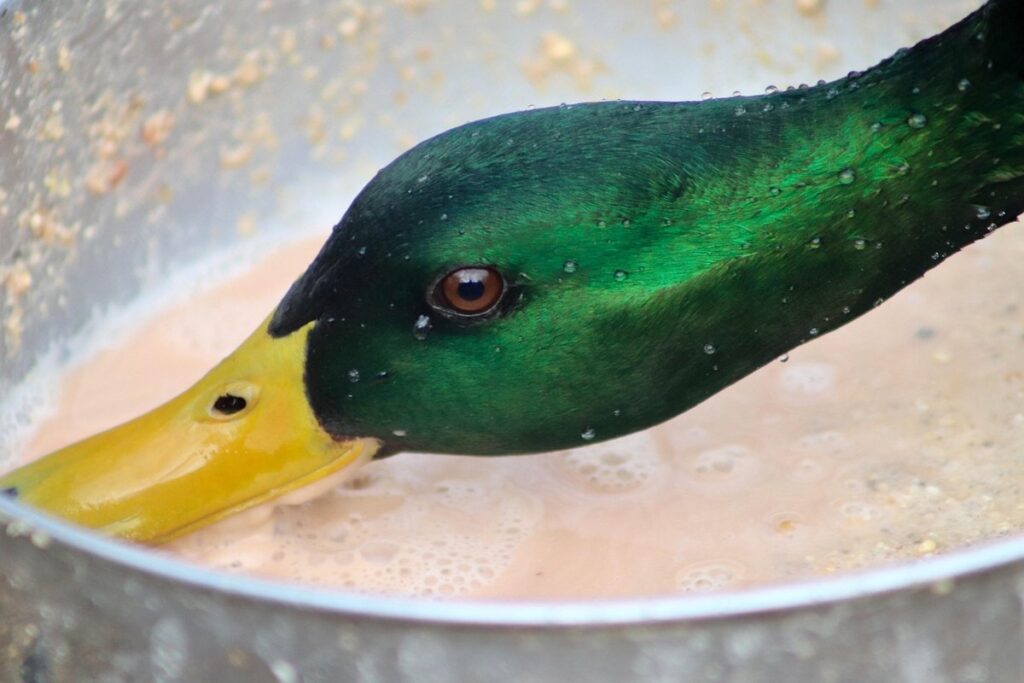
What You Should Know About Feeding Ducks
When it comes to feeding ducks, there are many common misconceptions that can actually harm these lovable birds. Here’s what you need to know before sharing your snacks.
Understanding Duck Diet and Nutrition
When it comes to feeding ducks, it’s essential to understand their nutritional needs. Ducks are waterfowl that require a balanced diet rich in protein, fiber, and nutrients. A typical adult duck consumes around 1/4 to 1/2 cup of food per pound of body weight daily. This translates to about 10-20% of their total body weight in dry matter.
To meet this requirement, ducks need a mix of proteins from animal sources such as insects, crustaceans, and fish. Leafy greens like kale, spinach, and collard greens provide essential fiber, while whole grains offer complex carbohydrates. Fruits are also a good source of vitamins and minerals but should be fed in moderation due to their high sugar content.
For example, feeding ducks a mix of oats, barley, and wheat provides them with the necessary energy for growth and maintenance. Adding protein sources like mealworms or fishmeal ensures they get enough essential amino acids. A balanced duck feed can also include commercial pellets specifically formulated for waterfowl, which should make up about 50-70% of their diet.
Common Foods That Are Bad for Ducks
Feeding ducks bread and other human foods has become a common practice among many people. Unfortunately, this can lead to severe health issues for our feathered friends. The idea that feeding ducks junk food is harmless is a myth that needs to be debunked.
Ducks are naturally herbivores, which means their diet consists mainly of plants and aquatic vegetation. Feeding them human foods like bread, chips, or fries can cause malnutrition and disrupt their digestive system. For instance, bread lacks essential nutrients like protein, fiber, and vitamins that ducks need to survive. Consuming too much bread can lead to an imbalance in their gut microbiome, making them more susceptible to diseases.
Additionally, feeding junk food to ducks can also cause obesity, as these foods are high in calories but low in nutritional value. In extreme cases, feeding ducks human food has been known to cause even death due to digestive blockages or other complications. It’s essential to provide ducks with a balanced diet that includes duck pellets, leafy greens, and aquatic plants to ensure their health and well-being.
Healthy Food Options for Ducks
When it comes to feeding ducks, choosing the right foods can make all the difference. This section will explore healthy food options specifically tailored for ducks.
Fruits That Are Safe for Ducks
When it comes to feeding ducks, many people reach for bread as a convenient option. However, this is not only unhealthy for the ducks but also contributes to their dependency on humans. A healthier alternative is to offer them fruits that are rich in nutrients and fiber.
Some of the best fruits to feed ducks include berries such as strawberries, blueberries, raspberries, and blackberries. These are not only delicious but also packed with antioxidants and vitamins. Apples are another great option, but be sure to remove any seeds or cores first as they can cause digestive issues. Leafy greens like kale and spinach are also excellent choices, providing essential nutrients for healthy growth.
When introducing new fruits into your duck-feeding routine, remember to do it gradually to prevent digestive upset. Also, avoid feeding them overripe or moldy fruits, which can be harmful to their health. Stick to fresh, seasonal options, and wash the fruits thoroughly before offering them to your feathered friends. By making this simple switch, you’ll not only be promoting healthy eating habits but also contributing to the well-being of our local waterfowl population.
Vegetables That Ducks Love
Ducks can thrive on a diverse diet that includes a variety of vegetables. Not only are veggies nutritious for ducks, but they’re also low-cost and readily available. When introducing new vegetables to your duck’s diet, make sure to do it gradually to prevent digestive upset.
Some top picks for veggies include carrots, sweet potatoes, and peas. These vegetables are rich in vitamins A and C, potassium, and fiber, making them an excellent addition to a balanced diet. Carrots can help support eye health, while sweet potatoes provide essential minerals like iron and zinc. Peas are a great source of protein and can be fed fresh or frozen.
When feeding veggies to your ducks, remember that variety is key. Aim to incorporate at least 10-15% of their daily calorie intake from vegetables. A good rule of thumb is to offer a mix of leafy greens like kale and spinach, along with colorful bell peppers and cucumbers. Fresh herbs like parsley and cilantro can also be added for extra flavor and nutrition.
What Not to Feed Ducks
While it’s tempting to share snacks with these feathered friends, there are some foods that can actually harm ducks, and it’s essential you know what they are. Let’s explore what not to feed them.
Foods That Can Harm or Kill Ducks
When it comes to feeding ducks, it’s essential to be aware of the foods that can harm them. While they may seem like harmless treats, some common culprits can actually cause more harm than good.
Onions and garlic are two examples of foods that should be avoided when it comes to duck feedings. These pungent bulbs belong to the Allium family and contain compounds that can cause oxidative stress in ducks. When ingested, they can lead to a range of health issues, including liver damage and anemia. So, if you’re planning to feed ducks near a pond or park with onions or garlic, it’s best to skip them altogether.
Chocolate is another food item that should be kept away from ducks. While it may seem like a sweet treat for humans, chocolate contains theobromine, which can be toxic to birds. Ingestion of even small amounts can cause vomiting, diarrhea, and heart problems in ducks.
In addition to these foods, other items like avocado pits, apple seeds, and raisins should also be avoided. Remember, it’s always better to err on the side of caution when feeding ducks. Stick to safe options like duck pellets or healthy fruits and vegetables to ensure their well-being.
Human Foods That Should Be Avoided
When it comes to feeding ducks, it’s essential to be mindful of what you’re putting into their bellies. While an occasional treat might seem harmless, many human foods can cause harm or even be fatal to our feathered friends.
Processed meats like hot dogs and sausages are particularly hazardous due to the presence of sodium nitrite, a preservative that can lead to methemoglobinemia, also known as blue duck syndrome. This condition causes the duck’s blood to become unable to carry oxygen, resulting in symptoms such as rapid breathing, lethargy, and eventually death.
Sugary snacks like candy, pastries, and cookies are another no-no. These foods cause a spike in sugar levels in the duck’s body, leading to an insulin surge that can trigger pancreatitis, a painful and potentially fatal condition. Even seemingly innocuous foods like bread, crackers, and chips can contribute to malnutrition and digestive issues when fed excessively.
Stick to healthy, nutrient-rich options for your feathered friends, and avoid these hazardous human foods altogether.
Tips for Feeding Ducks Responsibly
When it comes to feeding ducks, there are plenty of common mistakes that can harm these beautiful birds. Here’s what you need to know to feed them responsibly and safely.
How Much Food Should You Provide?
When it comes to feeding ducks, it’s essential to provide the right amount of food for their unique needs. The amount of food your duck requires depends on its age, size, and activity level. Baby ducks, for instance, need more calories than adult ducks due to their rapid growth rate.
A good rule of thumb is to offer 1/4 to 1/2 cup of food per duck per day for adults. However, if you have a large or active duck, it may require more. For example, a Mallard duck can eat up to 3/4 cup of food per day. On the other hand, a duck that’s not as active might need only 1/8 cup.
To determine the right amount for your ducks, observe their behavior and body condition. If they’re not gaining weight or seem lethargic, increase the food portion. Conversely, if they’re getting too plump, reduce the amount. Also, be mindful of overfeeding during extreme weather conditions, as this can lead to health issues.
Keep in mind that these are general guidelines, and it’s always best to consult with a local expert or veterinarian for specific advice on feeding ducks in your area.
Creating a Safe Feeding Environment
When it comes to feeding ducks responsibly, creating a safe feeding environment is crucial for both humans and birds. A well-planned feeding area can help prevent accidents, reduce waste, and promote healthy duck behavior.
To set up a safe feeding area, start by choosing a spot that’s easily accessible but not too close to water sources or walkways. Make sure the surface is even and slip-resistant to avoid slips and falls. You’ll also want to consider the amount of space available for ducks to move around comfortably.
Consider using a designated duck feeder or a shallow dish with fresh water for drinking. This will encourage ducks to drink from a clean source rather than puddles on the ground, which can harbor bacteria and contaminants. Regularly cleaning and disinfecting the feeding area is also essential to prevent the spread of diseases.
Remember to keep food waste to a minimum by using only duck-specific feed or healthy human foods like fruits and vegetables. This will not only reduce mess but also promote good eating habits among ducks.
The Importance of Water Quality
When it comes to keeping our feathered friends happy and healthy, understanding the importance of water quality is crucial. This section delves into the impact of contaminated water on ducks.
Why Clean Water Matters for Ducks
When it comes to providing the best care for our feathered friends, access to clean water is just as crucial as a balanced diet. Ducks need water not only for drinking but also for bathing and swimming, which are essential activities that help them stay healthy and happy.
Good water quality is vital for ducks’ overall well-being. When water is contaminated with pollutants, bacteria, or other impurities, it can cause serious health issues in ducks, including respiratory problems, digestive issues, and even death. For example, a study found that exposure to poor water quality increased the risk of duckling mortality by 30%.
To ensure your backyard ducks have access to clean water, make sure to change their water frequently, ideally every 24 hours. Also, consider using a water filter or purification system specifically designed for duck ponds or pools. This will help remove contaminants and debris that can harm your ducks. By prioritizing good water quality, you’ll be creating a safe and healthy environment for your feathered friends to thrive in.
How to Keep Your Pond or Lake Clean
Monitoring water quality is crucial for maintaining a healthy pond or lake ecosystem, which in turn affects the well-being of the ducks that inhabit it. Regular testing and maintenance schedules are essential to keep the water clean and safe for both humans and wildlife.
To start, it’s recommended to test your pond or lake water at least twice a week during peak duck season. You can purchase a DIY water testing kit from most pet stores or online retailers. These kits usually include pH, ammonia, and nitrite test strips. Record the results in a logbook to track any changes over time.
A general maintenance schedule should include:
* Weekly skimming of surface debris
* Monthly application of algaecide to prevent algae growth
* Quarterly partial draining and refilling of water (if possible)
* Annual professional water quality testing and analysis
By following this routine, you’ll be able to identify any potential issues before they become major problems. This will also ensure the water remains safe for your feathered friends, allowing them to thrive in their aquatic environment.
Community Involvement and Education
When it comes to feeding ducks, we’re not just talking about what’s on their menu – but also how our actions impact local wildlife. Let’s explore some community-driven initiatives and educational resources that promote responsible duck-feeding practices.
Raising Awareness About Responsible Duck Feeding
As we explore the best things to feed ducks, it’s essential to consider not only what they should eat but also how our actions impact these amazing creatures. Educating others about responsible duck feeding is crucial for promoting animal welfare and ensuring the well-being of local waterfowl populations.
One way to raise awareness in your community is by organizing events or workshops on responsible duck feeding practices. You can partner with local parks, wildlife organizations, or community centers to host talks, demonstrations, or even duck-friendly habitat clean-up initiatives. For instance, you could collaborate with a local school to create a fun and interactive educational program for kids.
Another effective way to spread the word is through social media campaigns. Share engaging content on platforms like Facebook, Instagram, or Twitter to inform people about the consequences of feeding ducks unhealthy foods. Use eye-catching visuals, share statistics, and highlight real-life examples of responsible duck feeding practices in action. By taking these simple steps, you can contribute to creating a more informed and compassionate community that prioritizes the welfare of our feathered friends.
Collaborating with Local Authorities
Partnering with local authorities is an excellent way to promote sustainable duck-feeding practices and create a positive impact on your environment. By working together, you can develop initiatives that educate the community about what not to feed ducks and encourage responsible behavior.
One potential collaboration is with local park rangers or wildlife experts who can provide guidance on creating informative signage at popular duck-feeding spots. This can include clear messages on what types of food are safe for ducks, as well as which ones to avoid.
You could also consider partnering with local schools to develop educational programs that teach children about the importance of proper duck feeding. This can be a great way to engage the next generation in sustainability efforts and promote long-term behavior change.
To get started, reach out to your local authorities and express interest in collaborating on a community project. Be specific about how you plan to work together and what kind of impact you hope to make. With open communication and a shared goal, you can create a positive and lasting effect on your environment.
Conclusion: Making a Difference One Feeding Session at a Time
As you’ve learned about the best things to feed ducks, it’s time to put your newfound knowledge into action. Remember that every feeding session is an opportunity to make a positive impact on these beautiful creatures and their environment. When choosing what to feed ducks, keep in mind the importance of sustainability and responsible wildlife management. By opting for healthy, eco-friendly options like duck pellets or aquatic plants, you’re contributing to the well-being of the local ecosystem.
As you continue to visit your favorite park or pond, consider implementing small changes to your feeding routine. For instance, try incorporating a mix of seeds, fruits, and vegetables into their diet, while also refraining from overfeeding. These adjustments may seem minor, but they collectively add up to make a significant difference in the lives of the ducks and the environment surrounding them.
Frequently Asked Questions
Can I feed ducks bread if it’s just a small amount?
Yes, even small amounts of bread can still contribute to the negative impacts on duck health and the environment. It’s best to stick with nutritious foods that meet their dietary needs. Instead, consider offering grains like oats or barley, which are easily digestible and provide essential nutrients.
How do I know if the water source is safe for ducks?
When feeding ducks, it’s crucial to ensure they have access to clean water. Look for signs of contamination, such as algae growth, murky waters, or an unpleasant odor. If you’re unsure about the water quality, consider contacting local authorities or park rangers for guidance on maintaining a healthy aquatic environment.
Can I feed ducks in areas with low water levels?
Yes, but it’s essential to exercise caution and consider the impact of your actions. In areas with low water levels, feeding ducks can lead to over-reliance on human food sources and contribute to the degradation of their natural habitats. Be mindful of the local ecosystem and avoid creating dependencies that might harm the ducks in the long run.
How do I ensure responsible feeding practices when visiting parks or lakes?
When visiting areas with duck populations, respect local guidelines and regulations regarding feeding. Avoid overfeeding, as this can lead to negative consequences for both the ducks and their environment. Instead, focus on providing small amounts of nutritious food while maintaining a safe distance from the water’s edge.
What if I’m unable to identify or obtain healthy foods for ducks?
If you’re unsure about what foods are suitable for ducks or cannot access them, consider reaching out to local park rangers, wildlife experts, or online resources for guidance. They can provide recommendations on where to find nutrient-rich food options and offer tips on creating a safe feeding environment.