
Are you looking for ways to give your chickens a nutritious and protein-rich treat? Feeding mealworms to chickens can be an excellent addition to their diet, providing essential nutrients like iron, calcium, and phosphorus. Not only do mealworms offer a natural source of protein, but they’re also low in fat and calories. If you’re interested in incorporating mealworms into your flock’s meals, you’ll want to learn how to raise them at home effectively and safely.
This article will cover the benefits of feeding mealworms to chickens, including their nutritional value, as well as provide practical tips on raising mealworms indoors and outdoors. We’ll also discuss essential safety precautions to ensure a healthy and thriving flock. Whether you’re a seasoned chicken keeper or just starting out, this guide will help you make informed decisions about incorporating mealworms into your chickens’ diet.
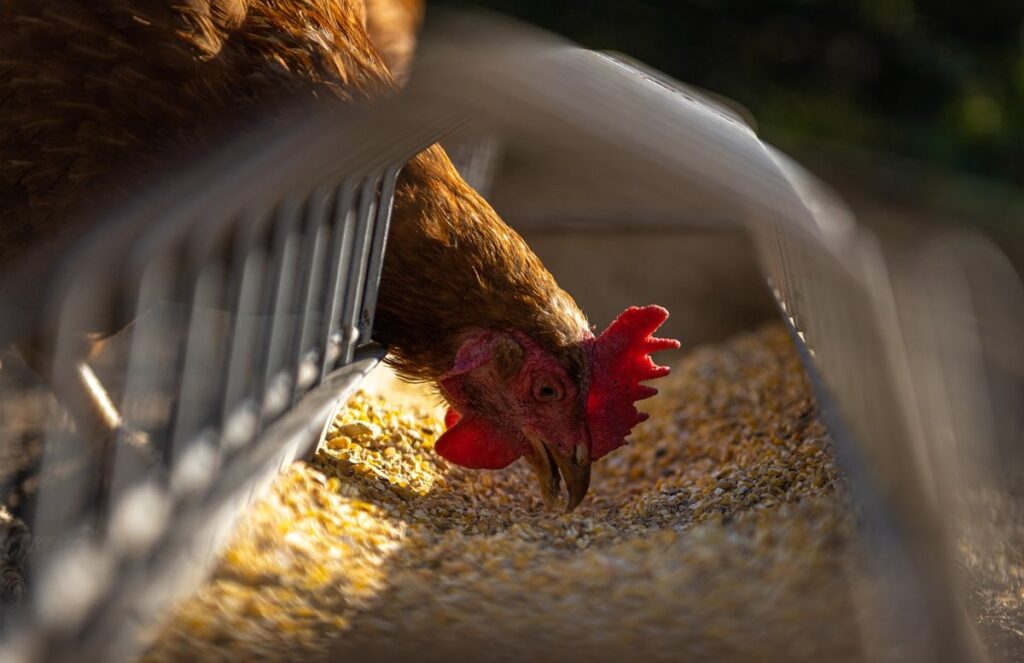
Benefits and Nutritional Value of Mealworms for Chickens
When feeding mealworms to your flock, it’s essential to consider their benefits and nutritional value for your chickens’ overall health. Let’s dive into what these edible insects can do for your birds!
Protein Content and Mealworm Composition
Mealworms are an attractive option for chicken owners looking to boost their flock’s protein intake. These edible insects pack a punch when it comes to nutritional value, boasting an impressive 60% protein content by dry weight. This is significantly higher than many commercial chicken feeds, making mealworms an excellent addition to your birds’ diet.
In terms of composition, mealworms are primarily composed of proteins, fats, and chitins – a type of polysaccharide that provides structure to their exoskeleton. Amino acids such as lysine, leucine, and isoleucine are present in abundance, making them an excellent source of essential nutrients for your chickens.
The nutrient-dense profile of mealworms makes them particularly beneficial for young birds or those under stress. They’re also a great option for egg-laying hens, who require more protein to maintain their energy levels and support reproductive health. To incorporate mealworms into your flock’s diet, consider adding 10-15% of their dry weight to their daily ration.
Comparing Mealworms to Other Protein Sources
When it comes to providing protein for our feathered friends, we have several options at our disposal. Mealworms are a popular choice among chicken keepers due to their high nutritional value and ease of use. But how do they stack up against other common protein sources like insects, seeds, and grains?
Insects like crickets and mealworms are often compared for their protein content. While both offer a significant amount of protein per serving, mealworms tend to have a higher fat content, making them more energy-dense. This can be beneficial for chickens that need a boost in their diet. Seeds like sunflower seeds and grains like oats are also used as protein sources, but they lack the concentrated nutrition found in insects.
One advantage of using mealworms is their convenience. They’re easy to store, require minimal preparation, and can be fed fresh or dried. In contrast, other protein sources may need to be soaked or ground before feeding. For example, sunflower seeds must be cracked open before offering them to your flock, which can be time-consuming.
In terms of nutritional value, mealworms have a higher phosphorus content than many other protein sources. This makes them an excellent choice for supporting healthy bone growth in young chickens. Additionally, mealworms are often less expensive than other insect options like crickets or superworms.
When considering the use of mealworms as a protein source, it’s essential to remember that they should be introduced gradually into your flock’s diet. This will help prevent digestive upset and ensure a smooth transition. Start by offering a small amount (about 10-20% of their daily intake) and monitor your chickens’ response before increasing the quantity.
It’s also worth noting that mealworms can be used in conjunction with other protein sources to create a balanced diet for your flock. For example, you could supplement with seeds or grains during times when insects are scarce or expensive. By diversifying your protein sources, you’ll not only provide a varied diet but also reduce reliance on any single source.
If you’re new to feeding mealworms, it’s crucial to understand the importance of proper storage and handling. Mealworms can be stored in a cool, dry place for up to six months when kept fresh. Be sure to check them regularly for signs of mold or spoilage before offering them to your chickens.
Ultimately, whether you choose mealworms or another protein source will depend on your specific flock’s needs and preferences. By weighing the advantages and disadvantages of each option, you’ll be able to make an informed decision that supports the health and well-being of your feathered friends.
Introduction to Raising Mealworms for Chicken Feed
If you’re new to raising mealworms, don’t worry – we’ll take it from scratch and guide you through everything you need to know. This section is all about getting started with these nutritious chicken treats.
Setting Up a Mealworm Breeding Facility
Setting up a mealworm breeding facility requires careful planning and attention to detail. First, you’ll need to determine the space requirements for your operation. A good rule of thumb is to allocate 1-2 square feet of space per 1000 mealworms. This will give them room to move around and prevent overcrowding.
Temperature control is also crucial, as mealworms thrive in temperatures between 75°F and 85°F (24°C and 29°C). You can use a heat mat or a thermostat-controlled heating system to maintain the ideal temperature range. Humidity levels should be kept between 50-70%, which you can achieve using a humidifier or by placing the breeding facility near a water source.
Feed the larvae a high-quality commercial mealworm food or a mixture of oats, wheat bran, and sugar. Avoid overfeeding, as this can lead to mold growth and poor quality mealworms. Ensure that the food is fresh and free from contamination to promote healthy growth and development. Regularly clean and disinfect the breeding facility to prevent disease and pest infestations.
It’s essential to monitor the temperature, humidity levels, and feeding schedules closely to ensure optimal conditions for your mealworms. With proper setup and care, you can establish a thriving mealworm breeding facility that will provide a consistent supply of nutritious mealworms for your chickens.
Life Cycle of Mealworms and Harvesting Times
The life cycle of mealworms is relatively straightforward and can be broken down into four stages: egg, larva, pupa, and adult. Female mealworm beetles lay their eggs in a moist environment, typically 7-10 days after mating. The eggs hatch into larvae within 2-3 weeks, depending on factors such as temperature and humidity.
During the larval stage, which can last anywhere from 2 to 6 months, the mealworms will molt several times as they outgrow their skin. It’s during this stage that you’ll want to start feeding them a nutrient-rich diet to promote healthy growth. After 2-3 weeks of molting, the larvae will begin to enter the pupal stage, where they will transform into adults.
For optimal harvesting times, you can start collecting mealworms as early as 6 weeks after hatching, when they are still in the larval stage. This is because mealworms at this stage are high in protein and low in fat, making them an ideal food source for your chickens. Simply collect the larvae by hand or use a net to scoop them up, being careful not to disturb their habitat.
Feeding Mealworms to Chickens: Best Practices
When feeding mealworms to your chickens, it’s essential to introduce them gradually and in moderation to prevent digestive issues and ensure a healthy flock. This section shares expert tips on how to do it correctly.
Incorporating Mealworms into a Chicken’s Diet
Introducing mealworms to your chicken’s diet requires a gentle and gradual approach. This will prevent digestive upset and ensure they can tolerate the new food source.
Begin by adding 1-2% of their regular feed with live or dried mealworms. For example, if you’re feeding 4 pounds of layer feed per day, start with about one ounce of mealworms. Monitor your flock’s response and adjust as needed.
Aim to increase the amount of mealworms in their diet by a small percentage every few days. This could be an extra half-ounce or one ounce every three to four days. Be cautious not to overdo it, as too much protein can cause health issues.
It’s essential to mix mealworms with other foods initially, rather than serving them on their own. You can also supplement with a small amount of mealworms in the morning and another amount in the afternoon. Keep an eye out for signs that your flock is adapting well to the new food source, such as increased egg production or robust health.
Remember that every flock is different, so it’s crucial to observe and adjust their diet accordingly.
Preparing Mealworms for Chicken Consumption
Before feeding mealworms to your chickens, it’s essential to properly clean and store them to ensure food safety and quality. Start by thoroughly washing the mealworms with cold water to remove any debris or dirt. You can also add a small amount of vinegar to the water for added cleaning power.
Next, dry the mealworms completely using paper towels or a clean cloth to prevent mold growth. This step is crucial in preventing the mealworms from becoming contaminated with bacteria or fungi that can harm your chickens.
For long-term storage, you’ll want to keep the mealworms in an airtight container, such as a glass jar or plastic container with a secure lid. Store them in a cool, dry place, like a pantry or cupboard, and keep them away from direct sunlight. It’s also essential to label the container with the date it was stored to ensure you use the oldest mealworms first.
When storing, make sure the container is clean and sanitized regularly to prevent contamination. A good rule of thumb is to store mealworms for no more than a week or two before feeding them to your chickens.
Safety Precautions and Considerations
When feeding mealworms to your chickens, it’s essential to take some extra precautions to ensure their health and safety, as well as yours. This includes proper storage and handling of the live insects.
Potential Health Risks Associated with Mealworm Consumption
While mealworms are a nutritious and sustainable protein source for chickens, it’s essential to acknowledge potential health risks associated with consuming them. Allergic reactions can occur if your flock is new to eating mealworms. Some chickens may develop an allergy or intolerance, leading to symptoms like itching, scratching, or respiratory issues. Monitor their behavior closely after introducing mealworms into their diet.
Parasites are another concern when feeding live insects like mealworms to your chickens. Mealworms can harbor internal parasites such as tapeworms, roundworms, or hookworms. If not properly cooked or prepared, these parasites can be transferred to your birds, leading to health problems and even death.
To minimize the risk of allergic reactions or parasite transfer, ensure mealworms are sourced from a reputable supplier that adheres to strict quality control measures. Also, follow proper food safety guidelines when handling and storing live insects for feeding. Cook mealworms thoroughly before offering them to your chickens to kill any potential parasites.
Regulations and Permits for Raising Mealworms
Before you start raising mealworms for your chickens, it’s essential to check with your local authorities about any regulations or permits required. Zoning laws vary from area to area, and some may prohibit the keeping of insects on residential properties.
In the United States, for instance, the US Department of Agriculture (USDA) regulates insect rearing facilities under the Animal Welfare Act. You’ll need to ensure that your mealworm-raising setup complies with local regulations regarding animal welfare and environmental impact.
Some areas may also require a permit or license to raise insects, especially if you plan on selling them as feed. In other regions, there might be restrictions on what types of insects can be raised, so it’s crucial to check with your local authorities before starting your mealworm-raising venture.
To get started, contact your local agricultural extension office or county government website to inquire about specific regulations and permits needed in your area. This will help you avoid any potential issues down the line and ensure a smooth operation of your mealworm-raising business. Keep records of all communication with authorities for future reference.
Tips for Successfully Integrating Mealworms into Your Flock
When introducing mealworms to your flock, it’s essential to do so gradually and under close observation to avoid stressing out your chickens. This will help you gauge their acceptance and adjust feeding accordingly.
Monitoring Chicken Health and Weight Gain
When introducing mealworms as a food source for your flock, it’s essential to closely monitor their health and weight gain. This is because mealworms are high in protein and fat, which can be beneficial but also potentially lead to digestive issues if fed excessively.
Start by keeping a close eye on your chickens’ stool quality, appetite, and overall behavior. If you notice any signs of discomfort or lethargy, reduce the amount of mealworms being offered immediately. Also, observe their weight gain closely, as some breeds may experience rapid growth due to the high nutritional value of mealworms.
Aim to supplement mealworms with other nutrient-rich foods, such as fruits and vegetables, to ensure a balanced diet. You can also consider introducing them gradually, starting with small amounts (about 10-15% of their total diet) to prevent digestive shock.
Monitor your flock’s weight gain by weighing them regularly, ideally every week or two. This will help you adjust the mealworm ration accordingly and avoid overfeeding.
Troubleshooting Common Issues with Mealworm Feeding
When it comes to feeding mealworms to your flock, you may encounter some common issues that can be frustrating and potentially detrimental to their health. One of the most significant concerns is mites or other pests in the breeding facility.
Firstly, ensure that your mealworms are stored properly in a clean, dry environment away from direct sunlight. Regularly inspect your containers for any signs of infestation, such as eggs, larvae, or actual mites on the mealworms themselves.
If you notice an issue, it’s essential to take immediate action. Discard the affected batch and thoroughly disinfect the containers with a mild detergent solution. To prevent future occurrences, maintain good hygiene practices when handling and storing mealworms.
It’s also crucial to monitor your flock for any signs of illness or stress related to the mealworm feeding. Keep an eye out for changes in appetite, droppings, or behavior. If you suspect a problem, consult with a veterinarian or poultry expert to determine the best course of action.
Regularly cleaning and maintaining your facilities will help prevent pest issues and ensure the overall health of your flock.
Conclusion and Final Thoughts
Now that we’ve explored the ins and outs of feeding mealworms to your flock, it’s time for a wrap-up on what you can expect from incorporating them into their diet. Let’s review the key takeaways!
Recap of Key Takeaways
In summary, feeding mealworms to chickens has numerous benefits for their health and well-being. These nutritious insects are rich in protein, calcium, and iron, making them an excellent supplement to a chicken’s diet. As discussed earlier, mealworms can help improve egg production, feather quality, and overall digestive health.
To recap, some key takeaways from this article include:
• Mealworms should be introduced gradually into your chickens’ diet to prevent any adverse reactions.
• A 10-20% inclusion rate is recommended for optimal benefits, with 1/4 cup of mealworms per chicken per week being a good starting point.
• Fresh water and adequate shelter are crucial when raising live mealworms as feed.
• Mealworms can be safely stored in an airtight container in the freezer to maintain their nutritional value and prevent spoilage.
By incorporating mealworms into your flock’s diet, you can provide them with a nutrient-rich food source that supports their overall health and well-being. Remember to always prioritize freshness and quality when sourcing mealworms for feeding.
Encouragement to Try Mealworm Feeding
As you continue on your chicken-keeping journey, I want to encourage you to consider incorporating mealworms into their diet. Not only can they provide a valuable source of protein, but also contribute to a healthier and more sustainable flock.
One of the most significant benefits of mealworm feeding is its potential to reduce the environmental impact of your backyard flock. With traditional commercial feed often relying on resource-intensive production methods, switching to live insects like mealworms can significantly decrease your carbon footprint. According to a study by the University of California, Davis, insect-based diets can lower greenhouse gas emissions by up to 74% compared to traditional feed.
By incorporating mealworms into their diet, you can also expect to see improved egg production and overall health in your flock. Mealworms are rich in essential amino acids, vitamins, and minerals that promote healthy digestion and immune function. Simply dust mealworms with a small amount of probiotic powder or supplement before feeding them to your chickens for an added boost.
If you’re new to mealworm feeding, start by introducing them gradually into their diet (about 5-10% of their total feed) to avoid digestive upset. Store live mealworms in an air-tight container and keep them refrigerated until ready for use.
Frequently Asked Questions
Can I feed mealworms to chickens of all ages, or are they beneficial for specific age groups?
Mealworms can be a nutritious treat for chickens of various ages. However, it’s especially beneficial for young chicks and pullets as they require more protein for growth. Adult hens also benefit from mealworms, particularly during molting periods when their nutritional needs change.
How often should I feed mealworms to my flock, and in what quantities?
The ideal frequency of feeding mealworms depends on your chickens’ age, size, and activity level. As a general rule, offer 1-2 tablespoons of live mealworms per chicken daily, or 1/4 cup for larger flocks. Monitor their consumption and adjust the amount as needed to avoid overfeeding.
What are some common health risks associated with feeding mealworms to chickens?
While mealworms are a nutritious treat, there’s a small risk of disease transmission if not handled properly. Ensure you’re purchasing from reputable suppliers, and maintain good hygiene when handling live insects. Regularly monitor your flock’s health and adjust their diet accordingly.
How do I store and manage live mealworms to keep them healthy and thriving?
Store live mealworms in a secure, ventilated container with enough space for movement. Maintain a temperature range of 60-80°F (15-27°C) and humidity levels between 50-70%. Regularly inspect the mealworms for signs of disease or infestation.
Can I breed mealworms indoors during winter months when outdoor temperatures drop?
Yes, you can raise mealworms indoors year-round. Provide a suitable breeding container with adequate ventilation, temperature control, and humidity management. Ensure proper lighting and maintain good hygiene practices to prevent the spread of diseases.