
As a quail enthusiast, you’re probably no stranger to the importance of providing your feathered friends with the right nutrition. But when it comes to quail chicks, feeding them can be a bit more complicated than you think. After all, they require a specific balance of nutrients to grow strong and healthy. This is where choosing the best feed for your quail chicks comes in – commercial vs. homemade feed, nutritional requirements, and tips on hydration and feeder options are just a few things you’ll want to consider. In this article, we’ll break down everything you need to know about feeding your quail chicks, from understanding their dietary needs to finding the right feed and equipment for optimal growth and development. By the end of it, you’ll be equipped with the knowledge to provide top-notch care for your young quails.
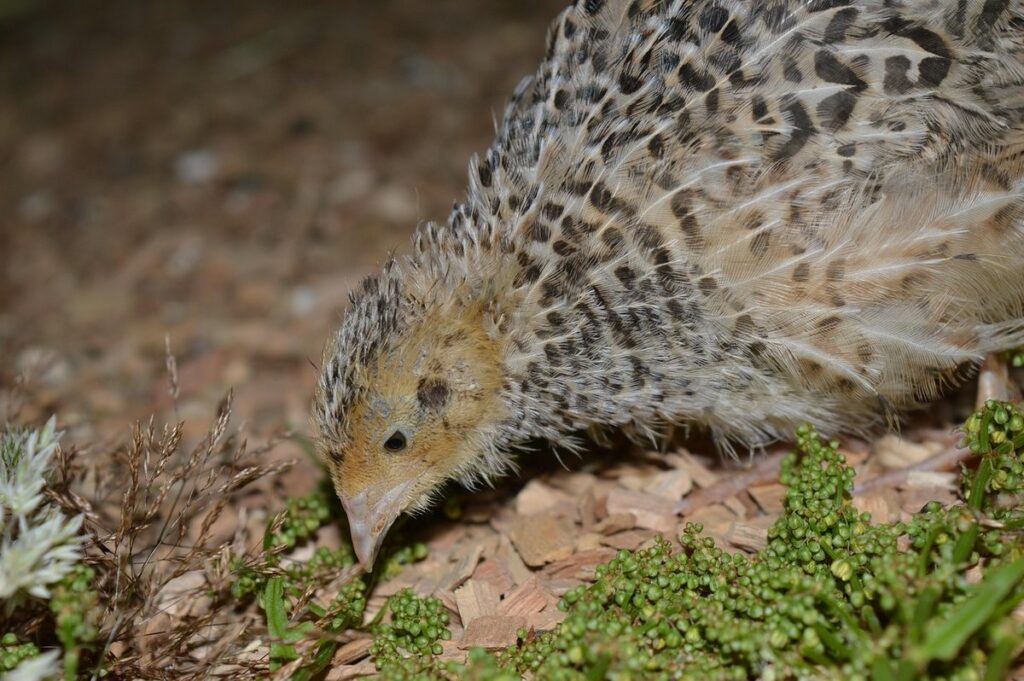
Choosing the Right Feed for Quail Chicks
When it comes to selecting a feed for your quail chicks, choosing the right one is crucial for their growth and development. Let’s explore some essential factors to consider when making this decision.
Type of Feed: Commercial vs. Homemade
When it comes to feeding quail chicks, one of the most important decisions you’ll make is whether to opt for commercial feed or homemade feed. Both options have their advantages and disadvantages, which we’ll discuss below.
Commercial feed is widely available at most pet stores or online retailers, making it a convenient option for many breeders. It’s also formulated by experts to meet the specific nutritional needs of quail chicks, ensuring they receive all the necessary vitamins, minerals, and proteins for healthy growth and development. However, some commercial feeds may contain fillers or by-products that can be detrimental to your birds’ health in the long run.
On the other hand, homemade feed allows you to have complete control over the ingredients and nutritional content. You can mix and match different grains, seeds, fruits, and vegetables to create a customized diet for your quail chicks. However, this approach requires careful research and planning to ensure the feed is balanced and meets all their nutritional needs. With homemade feed, you’ll need to consult with a veterinarian or poultry expert to determine the right ratios of ingredients.
It’s also worth noting that homemade feed can be more expensive than commercial options in the long run, especially if you’re purchasing high-quality ingredients. Nevertheless, many breeders prefer homemade feed because it allows them to avoid potential additives and preservatives found in commercial feeds. Ultimately, whether you choose commercial or homemade feed, make sure to do your research and consult with experts to ensure your quail chicks are receiving the best possible nutrition for optimal growth and health.
Nutritional Requirements for Quail Chicks
Quail chicks have distinct nutritional requirements that differ from those of adult quails. At 1-2 weeks old, they need a diet rich in protein to support rapid growth and development. A minimum of 18% protein is recommended, but 20-22% is ideal for optimal health.
Energy is also crucial at this stage, with chicks requiring around 1.5-2 times more calories than adult quails. This energy comes from complex carbohydrates such as oats, barley, or wheat. However, it’s essential to choose feed that is specifically formulated for young quail chicks, rather than using human-grade grains.
In addition to protein and energy, essential vitamins and minerals are also vital for growth and overall health. Quail chicks require vitamin A for eye development, vitamin D3 for calcium absorption, and vitamin E for immune system function. They also need adequate levels of iron, calcium, phosphorus, and potassium.
When selecting feed for quail chicks, look for a starter or grower formula that meets these nutritional requirements. Always follow the manufacturer’s guidelines for feeding rates and ensure fresh water is available at all times to prevent dehydration. By providing your young quails with a balanced diet, you’ll set them up for success and promote healthy growth.
Stages of Growth and Feed Requirements
As you care for your quail chicks, it’s essential to understand how their nutritional needs change as they grow from day-old hatchlings to mature birds. Let’s break down their growth stages and corresponding feed requirements.
Starter Phase (0-2 Weeks)
During the starter phase (0-2 weeks), quail chicks require a nutrient-rich feed to support their rapid growth and development. It’s essential to provide them with a starter feed specifically formulated for young birds, which should contain around 18-20% protein content. This high-protein diet will help meet their energy needs and promote healthy growth.
A good quality starter feed should also include other essential nutrients such as calcium, phosphorus, and vitamins A, D, and E. These nutrients are crucial for the development of strong bones, beaks, and overall health.
When choosing a starter feed for your quail chicks, look for a product that meets or exceeds these nutritional requirements. You can also consider making a homemade starter feed using ingredients such as mealworms, sunflower seeds, and commercial poultry starter feed. However, make sure to follow proper mixing ratios and avoid over-supplementation.
Feed your quail chicks 3-4 times a day during this phase, providing around 10-15% of their body weight in feed per feeding. For example, if you have a brooder with 10 chicks weighing an average of 20 grams each, provide around 2-3 grams of starter feed per chick per feeding.
Grower Phase (2-4 Weeks)
During the grower phase, which spans from 2 to 4 weeks of age, quail chicks undergo significant growth and development. Their nutritional demands increase dramatically as they transform from fluffy, helpless chicks into active, foraging birds. At this stage, provide a starter feed with a crumbled or powdered texture to facilitate easy consumption.
Quail chicks require more protein during the grower phase, aiming for 18-20% crude protein content in their diet. This boost in protein supports rapid growth and muscle development. Consider offering free-choice access to grit and oyster shells to support calcium intake and strong eggshell production.
Tips for Feeding Quail Chicks at Home
When feeding quail chicks at home, it’s crucial to ensure they’re receiving a balanced diet that meets their nutritional needs. Here are some essential tips to keep in mind when caring for your young birds.
Hydration: Providing Fresh Water
Providing fresh water is just as crucial as feeding quail chicks with the right food. In fact, dehydration can set in quickly, especially for young and growing birds like quail chicks. When they’re thirsty, their growth and development slow down, making it harder for them to fight off diseases.
To maintain clean drinking areas, change the water at least once a day, or more often if you notice it getting dirty or contaminated. Use a shallow dish or birdbath with fresh water and place it near the feeding area so the chicks don’t have to travel far to get a drink. Avoid using bowls made of metal or other materials that might leach into the water.
You can also add a few rocks or marbles to the water to make it harder for the chicks to accidentally drown while drinking. Keep an eye on them, especially at first, and make sure they’re not fighting over water sources. With a little attention and care, you can ensure your quail chicks have access to fresh, clean water at all times, supporting their health and well-being throughout their growth stages.
Feeder Options: Choosing the Right Equipment
Choosing the right feeder for your quail chicks is crucial to ensure they eat well and grow healthy. There are several options available, each with its own set of advantages and disadvantages.
One popular option is the gravity feeder. This type of feeder works by allowing feed to flow into a trough as it’s eaten, ensuring that the chicks always have access to food. Gravity feeders are easy to clean and can be filled from the top, making them a convenient choice. However, they may require more space than other types of feeders.
Another option is the hopper feeder. Hopper feeders hold a large quantity of feed and release it as needed, providing a constant supply for your chicks. They’re often preferred by breeders because they can be filled once or twice a week, reducing the need for frequent refills. However, they may take up more space than gravity feeders.
When selecting a feeder, consider factors such as size, ease of cleaning, and durability. Make sure to place the feeder in an area where your chicks can easily access it without straining their necks or wings.
Common Feed-Related Issues in Quail Chicks
As you learn to care for your quail chicks, it’s essential to address common issues that can arise from feed-related problems. These may include digestive upset, stunted growth, and health complications if not managed properly.
Nutritional Deficiencies: Symptoms and Solutions
Nutritional deficiencies can be a significant concern for quail chicks, and it’s essential to recognize the symptoms early on to prevent long-term health issues. One of the most common nutritional deficiencies is protein deficiency, which can lead to stunted growth, weakness, and even death. Symptoms include pale combs, lethargy, and reduced egg production in females.
Other notable deficiencies include vitamin D3 and calcium deficiencies, which are critical for strong bone development and immune function. Calcium deficiency can cause softening of the bones, leading to fractures or deformities. Vitamin D3 deficiency, on the other hand, can result in weakened immunity and increased susceptibility to diseases.
To prevent nutritional deficiencies, it’s crucial to provide a balanced diet that meets the quail chicks’ specific needs. A good quality commercial quail chick starter feed should contain at least 18-20% protein, along with adequate levels of vitamins and minerals. Supplements or fortified feeds can also be used under veterinary guidance. Regular monitoring of your chicks’ health and adjusting their diet accordingly will help prevent nutritional deficiencies and ensure optimal growth and development.
Health Risks Associated with Poor Feeding Practices
Poor feeding practices can have devastating effects on quail chick health and productivity. One of the most significant risks is stunted growth, which can be caused by inadequate nutrition, overfeeding, or underfeeding. Quail chicks require a balanced diet that meets their nutritional needs at each stage of development. Insufficient nutrients can lead to slowed growth rates, weakened immune systems, and increased susceptibility to diseases.
Reduced fertility is another critical concern associated with poor feeding practices. Malnutrition can affect reproductive health, leading to lower egg production and reduced fertility in adult quail. Furthermore, a diet lacking essential vitamins and minerals can impair the development of reproductive organs, making it challenging for quail chicks to reach breeding age.
To mitigate these risks, it is essential to provide quail chicks with a high-quality feed that meets their nutritional needs. Ensure you consult with a veterinarian or poultry expert to determine the best feeding plan for your flock. Monitor your quail’s weight gain and adjust feed intake accordingly to prevent overfeeding or underfeeding. A well-planned feeding strategy can significantly reduce the risk of stunted growth and reduced fertility in your quail flock.
Homemade Feed Recipes for Quail Chicks
When it comes to feeding your quail chicks a healthy diet, making their own feed at home can be a cost-effective and nutritious option. Learn how to create balanced feed mixes for optimal growth.
Balanced Formula: Creating a Custom Mix
When creating a homemade feed mix for quail chicks, it’s essential to strike the right balance of nutrients. A well-balanced formula should comprise around 20-25% protein, 15-20% fat, and adequate amounts of other essential vitamins and minerals.
To get started, you can use the following basic ingredients as a foundation: wheat or oats for carbohydrates, sunflower seeds or safflower oil for healthy fats, and mealworms or crickets for high-protein content. You’ll also need to add supplements like calcium carbonate, vitamin D3, and Epsom salt to ensure they receive all necessary nutrients.
A sample recipe for a balanced homemade feed mix could be: 50% wheat, 20% sunflower seeds, 15% mealworms, 5% dried kelp, 4% crushed eggshells (for calcium), 2% cod liver oil (rich in vitamin D3), and 1% Epsom salt.
When mixing the ingredients, it’s crucial to follow a specific order: add dry ingredients first, then the wet ones. This ensures even distribution of all components and prevents clumping or spoilage.
Additional Ingredients: Supplementing Your Quail Chick’s Diet
When it comes to raising quail chicks, providing them with a balanced and nutritious diet is crucial for their growth and development. While homemade feed recipes can be an excellent way to ensure your quails get the nutrients they need, there may be times when you want or need to supplement their diet with additional ingredients.
Some common supplements that can be added to homemade quail chick feed include probiotics, calcium powder, and crushed oyster shells. Probiotics help support digestive health, while calcium is essential for strong bone growth and development. Crushed oyster shells provide a natural source of calcium, which is also rich in other minerals like magnesium and phosphorus.
It’s essential to note that supplements should not replace homemade feed recipes but rather be used as an addition to ensure your quail chicks are getting everything they need. Be sure to research the correct dosage for each supplement and only add them in moderation to avoid over-supplementing your quails. For example, a good rule of thumb is to start with a small amount (about 1/4 teaspoon per pound of feed) and gradually increase as needed based on the health and well-being of your birds.
Health Considerations for Quail Chick Owners
When it comes to feeding quail chicks, their health is a top priority, so let’s discuss some essential health considerations you should keep in mind. This will help ensure your young quails grow strong and healthy.
Vaccinations: Protecting Your Quail Flock
As a quail chick owner, it’s essential to consider vaccinations as part of your flock’s overall health strategy. Common diseases like infectious bronchitis and avian influenza can wreak havoc on a quail flock, especially during peak breeding seasons. Vaccinations provide immunity against these diseases, protecting your birds from severe illness and death.
When choosing a vaccination program for your quail flock, consult with a veterinarian who has experience in poultry health. They will help you develop a tailored plan that accounts for factors like age, breed, and environmental conditions. A typical vaccination schedule might include initial vaccinations at 1-2 weeks of age, followed by boosters every 4-6 weeks.
Don’t forget to also follow proper biosecurity measures to prevent disease transmission. This includes quarantining new birds before introducing them to your existing flock, maintaining a clean and hygienic environment, and monitoring for signs of illness or stress. By combining vaccinations with good husbandry practices, you’ll be well on your way to protecting your quail flock from common diseases.
Biosecurity Measures: Preventing Disease Spread
As you take on the responsibility of caring for quail chicks, it’s essential to consider biosecurity measures that prevent disease spread. This is particularly crucial when handling young birds that are more susceptible to illness.
Quail chicks can be exposed to diseases through contaminated feed and water, so maintaining a clean environment is vital. Ensure all feeding and watering equipment is regularly disinfected with a solution of 1 part bleach to 9 parts water. Change the bedding material frequently to prevent bacterial growth.
Keep your quail chicks separated from other birds, especially those that may be carriers of diseases. This will reduce the risk of disease transmission through direct contact or contaminated droppings.
Practice good hygiene by washing your hands thoroughly before and after handling the quail chicks. Also, make sure to store feed and supplements in a dry, well-ventilated area to prevent moisture accumulation and potential bacterial growth.
Frequently Asked Questions
How do I ensure my quail chicks are getting enough protein from commercial feed?
Commercial feeds are formulated to meet the nutritional needs of quail chicks, including sufficient protein levels for growth and development. However, it’s essential to choose a high-quality feed that meets or exceeds the minimum protein requirements (around 20-22% on a dry matter basis). Check the feed label for guaranteed analysis and look for reputable brands that specialize in poultry nutrition.
Can I mix commercial and homemade feeds to create a balanced diet for my quail chicks?
While it might seem convenient to combine both options, mixing commercial and homemade feeds can lead to inconsistent nutrient profiles and potential deficiencies. Stick to one type of feed or consult with a qualified poultry expert to create a well-balanced homemade feed recipe that meets the nutritional needs of your quail chicks.
What are some common signs of nutritional deficiencies in my quail chicks?
Watch for symptoms like stunted growth, lethargy, dull plumage, and poor appetite. Nutritional deficiencies can also lead to specific health issues, such as rickets (calcium deficiency), scaly leg syndrome (phosphorus deficiency), or fatty liver disease (imbalanced energy intake). Consult with a veterinarian to diagnose and address any underlying nutritional problems.
How often should I change the water in my quail chicks’ drinkers?
Fresh water is essential for maintaining your quail chicks’ health. Change the water at least twice daily, or more frequently if the water becomes cloudy or stagnant. Ensure that each chick has access to an unobstructed water source, and consider using a waterer with a built-in filter to prevent bacterial contamination.
Can I supplement my quail chicks’ commercial feed with additional ingredients like mealworms or sunflower seeds?
While some supplements can provide essential nutrients, be cautious not to overdo it. Introduce new ingredients gradually and in moderation (about 5-10% of their daily diet). Some supplements may interact negatively with the existing feed or lead to imbalances if not properly balanced. Consult a poultry expert or veterinarian for guidance on safe supplementation practices.