
When it comes to raising broiler chickens for meat production, one of the most critical aspects is feeding them a well-balanced diet. A good feed can make all the difference in the health and performance of your birds, directly impacting their growth rate and quality of meat. However, choosing the right feed can be overwhelming, especially with so many commercial options available. In this article, we’ll guide you through the process of feeding your broiler chickens a balanced diet that meets their nutritional needs. We’ll cover everything from selecting the best commercial feeds to creating homemade feeds and supplementing with essential nutrients for optimal health and performance. By the end of this post, you’ll have a clear understanding of how to feed your broilers like a pro.
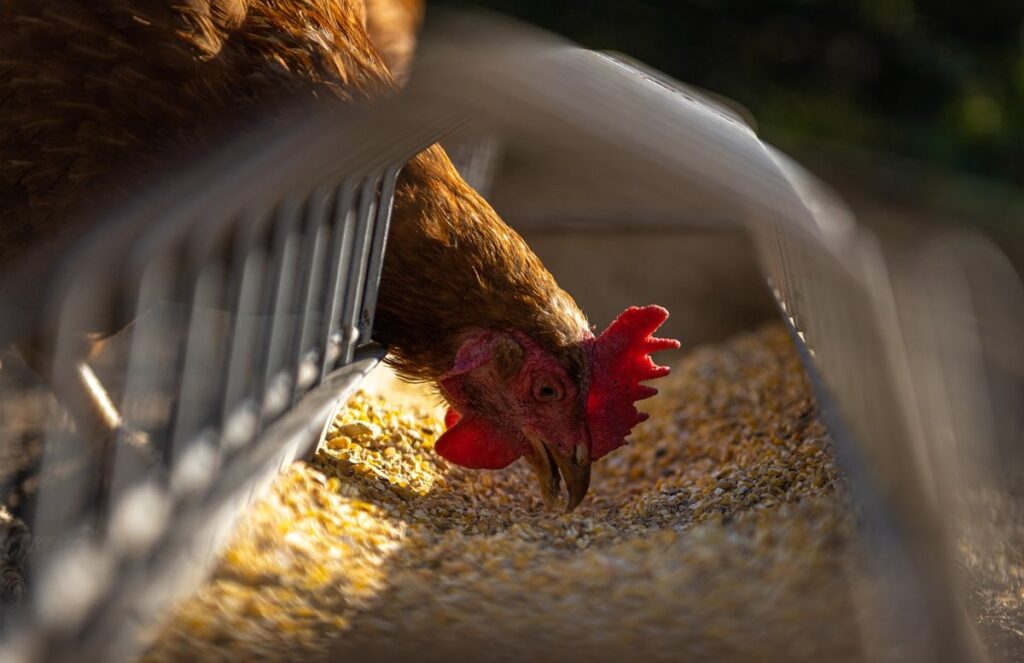
Understanding Broiler Chicken Nutrition
To raise healthy and productive broilers, it’s crucial you understand their nutritional requirements. This section breaks down what broiler chickens need to thrive from hatch to harvest.
The Importance of a Balanced Diet
A balanced diet is essential for broiler chicken health and performance. It plays a crucial role in determining their growth rate, weight gain, and overall well-being. A well-planned diet helps to ensure that broilers receive all the necessary nutrients, vitamins, and minerals required to maintain optimal health.
For instance, a deficiency in protein can lead to stunted growth, while an imbalance of calcium and phosphorus can result in poor bone development. Similarly, inadequate access to energy-rich feed can impact their overall performance and make them more susceptible to disease. To avoid such issues, it’s vital to provide broilers with a balanced diet that meets their nutritional needs at different stages of growth.
A typical broiler chicken requires a diet rich in protein (about 18-20% on average), moderate levels of energy (around 2,900-3,000 kcal/kg), and sufficient amounts of vitamins and minerals. By providing the right balance of nutrients through feed or supplements, farmers can expect to see significant improvements in their flock’s health and productivity.
Common Nutrient Deficiencies in Broilers
Proper nutrition is crucial for broiler chickens to grow and thrive. However, nutrient deficiencies can occur if not properly addressed. One of the most common nutrient deficiencies in broilers is protein imbalance. This can lead to stunted growth, reduced feed efficiency, and decreased egg production in females.
Broilers require a balanced diet that includes adequate levels of essential amino acids such as lysine, methionine, and threonine. Amino acid imbalances can be caused by factors such as age, sex, and breed. For example, broilers may require higher levels of lysine during the first few weeks of life to support rapid growth.
Energy deficiencies are also common in broilers, particularly if they are not provided with enough calories from feed or if their energy needs are not met through other sources. This can lead to reduced weight gain and decreased efficiency. Mineral imbalances such as calcium, phosphorus, and potassium deficiencies can also occur, affecting bone health and growth.
To address these nutrient deficiencies, it’s essential to formulate a balanced diet that meets the specific needs of your broilers. Consider consulting with a poultry nutritionist or using a feed formulation software to ensure you’re providing the right nutrients in the right proportions. Regular monitoring of your flock’s performance will also help you identify any potential nutrient deficiencies early on, allowing you to make necessary adjustments to their diet.
Factors Affecting Broiler Nutrition
When it comes to feeding broiler chickens, several factors come into play that can affect their nutrition. One of the most significant influences is their age. As broilers grow and mature, their nutritional needs change rapidly. For example, during the starter phase (0-4 weeks), they require a diet high in protein to support rapid growth. In contrast, during the finisher phase (5-8 weeks), their energy requirements increase as they continue to gain weight.
Another crucial factor is breed. Different breeds have varying nutritional needs, and some may be more sensitive to certain ingredients than others. For instance, some broiler breeds are prone to leg problems, so their diet should include essential minerals like calcium and phosphorus to promote strong bone growth.
Climate also plays a significant role in broiler nutrition. Extreme temperatures can impact feed intake and efficiency, making it essential to adjust the nutritional content of their feed accordingly. Sex is another factor that affects nutrition, with males typically requiring more energy than females due to their larger size.
Choosing the Right Feed for Your Broilers
When it comes to feeding your broilers, selecting a nutrient-rich feed is crucial for their growth and health. This section will guide you through choosing the right feed for your flock.
Types of Commercial Feeds Available
When it comes to commercial feeds for broiler chickens, you’ll have several options available. One of the key decisions is selecting the right type of feed for each stage of your birds’ growth.
Starter rations are designed for young chicks, typically from day-old to six weeks old. These feeds provide the necessary nutrients for rapid growth and development during this critical period. Look for starter feeds that contain around 20% protein levels to support muscle growth and feathering.
Grower rations take over at around six weeks of age, when your birds have reached about half their market weight. At this stage, they require a feed with a slightly lower protein content – around 18-19%. Grower feeds help maintain muscle mass while also supporting continued growth.
Finisher rations are used for the last few weeks before slaughter and contain even less protein – typically around 15-16% – to prevent excessive fat deposition. Your birds will also require more energy-dense feeds during this stage, as they’re nearing market weight.
When selecting a commercial feed, be sure to check the label for guaranteed analysis and follow the manufacturer’s recommendations to ensure you’re meeting your birds’ nutritional needs at each growth stage.
Key Ingredients to Consider When Selecting a Feed
When selecting a feed for your broilers, it’s essential to consider the key ingredients that will support their growth and overall health. Protein sources are a top priority, as they provide the building blocks for muscle development. Look for feeds that contain high-quality protein sources like soybean meal, fishmeal, or sunflower seed meal.
Energy sources, such as grains like corn and wheat, are also crucial for broilers’ rapid growth rates. Ensure that the feed you choose provides a balanced mix of energy-rich ingredients to support their metabolism. Additionally, consider the inclusion of additives like vitamins and minerals, which play a vital role in maintaining your birds’ immune function and overall health.
It’s also important to check the feed’s amino acid profile, as it can vary depending on the protein source used. For example, soybean meal is rich in methionine, while fishmeal is high in lysine. By considering these factors, you can make an informed decision when selecting a feed that meets your broilers’ nutritional needs.
A good feed should also be free from fillers and by-products, which can have negative effects on your birds’ health. Opt for feeds made from whole grains or single-source protein meals to ensure maximum nutrient retention.
Organic vs. Conventional Feeds: What’s the Difference?
When it comes to choosing the right feed for your broilers, one of the key decisions you’ll need to make is whether to opt for organic or conventional feeds. While both types have their advantages and disadvantages, understanding the differences between them can help you make an informed decision.
Organic feeds are made from ingredients that are free from synthetic fertilizers, pesticides, and genetically modified organisms (GMOs). They tend to be more expensive than conventional feeds, but many farmers believe they offer better nutritional content. In fact, a study by the Rodale Institute found that organic feed can improve egg production and overall health in broilers.
Conventional feeds, on the other hand, are made from a mix of grains, soybeans, and other ingredients, often sourced from large-scale industrial farms. They tend to be cheaper than organic feeds but may contain lower-quality protein sources and added growth promoters like antibiotics. According to the US Department of Agriculture (USDA), conventional feed accounts for about 70% of all poultry feed consumed in the US.
When deciding between organic and conventional feeds, consider your farm’s values and goals. If you’re looking to reduce your environmental impact or offer a premium product to customers, organic may be the way to go. However, if budget is a concern, conventional feeds can still provide good results with proper management practices in place.
Homemade vs. Commercial Feeding Options
When it comes to feeding your broiler chickens, you’re probably wondering whether a homemade diet or commercial feed is best for their health and performance. Let’s weigh the pros and cons of each option.
The Pros and Cons of Homemade Feeding
When it comes to feeding your broiler chickens, you might be considering making your own feed instead of relying on commercial options. While homemade feeding can have its benefits, it’s essential to weigh the advantages and disadvantages before making a decision.
One of the primary pros of homemade feeding is that you can tailor the diet to meet the specific needs of your flock. This means you can choose ingredients that are readily available, in season, and nutritious for your birds. For instance, if you have access to fresh corn or oats, you can include them in your feed mixture for added nutrition.
However, homemade feeding also requires a significant time commitment, as you’ll need to source, measure, and mix the ingredients regularly. You’ll also need to consider the potential health risks associated with contaminated or spoiled ingredients, which can be detrimental to your flock’s health.
In addition, ensuring that your homemade feed meets the nutritional requirements of broiler chickens can be a challenge, especially if you’re new to feeding them. A single mistake in formulating their diet can lead to stunted growth, reduced egg production, or even mortality. On the other hand, commercial feeds have already undergone rigorous testing and formulation to ensure they meet the nutritional needs of poultry.
When considering homemade feeding, make sure to thoroughly research and understand the nutritional requirements of your broiler chickens. It’s also crucial to source high-quality ingredients from trusted suppliers to minimize health risks. If you’re new to feeding your flock, it might be wise to start with a pre-mixed commercial feed to ensure they receive a balanced diet before transitioning to homemade feeding.
Another con of homemade feeding is the potential for ingredient availability issues, which can disrupt your feeding schedule and cause stress on your birds. What if a key ingredient becomes scarce or prices skyrocket? You’ll need to have contingency plans in place to ensure you can still provide a nutritious feed for your flock.
Ultimately, whether to choose homemade or commercial feeding depends on your personal circumstances, resources, and preferences. If you do decide to go with homemade feeding, make sure to invest time in researching and formulating a balanced diet that meets the nutritional needs of your broiler chickens.
Creating a Customized Feed Formula
Creating a customized feed formula for your broiler chickens is a straightforward process that requires some basic knowledge of nutrition and planning. The first step is to determine the nutritional requirements of your specific breed and age group. This can be done by consulting with a poultry expert or reviewing established feeding guidelines.
Once you have identified your birds’ needs, you can begin formulating a customized feed recipe. A typical broiler feed formula consists of 18-20% protein, 0.9-1.2% calcium, and 0.5-0.7% phosphorus. You’ll need to source high-quality ingredients that meet these standards.
Start by selecting a base grain such as corn or barley, then add supplements like soybean meal, fishmeal, or bone meal to boost protein levels. Don’t forget to include essential vitamins and minerals like vitamin A, D3, and E, as well as salt and phosphorus.
To create your formula, allocate percentages of each ingredient based on the nutritional requirements of your birds. For example, if you’re formulating a feed for 1-2 week-old chicks, you may use 50% corn, 25% soybean meal, and 10% fishmeal. Remember to calculate and balance the recipe carefully to avoid nutritional deficiencies or excesses.
Supplementing Your Broilers’ Diet
To get the most out of your broiler chickens, you’ll want to supplement their diet with essential nutrients that can boost growth rates and overall health. This section covers the best ways to add these extras in a balanced manner.
Why Supplements Are Necessary for Optimal Health
When it comes to maintaining optimal health in broilers, supplements play a crucial role. These nutritional boosters enhance growth rates, reduce disease risk, and promote overall well-being. By providing essential vitamins, minerals, and amino acids, supplements fill the gaps in commercial feed that may not be fully meeting your birds’ nutritional needs.
Research has shown that supplementing with certain nutrients can significantly improve broiler health. For instance, adding probiotics to their diet can enhance gut health, leading to improved digestion and a stronger immune system. Similarly, providing essential vitamins like B6 and niacin can increase growth rates and improve feed efficiency. By incorporating these supplements into your broilers’ diet, you can reap numerous benefits.
Consider the following scenario: A study found that broilers fed with a supplement containing yeast-based nutrients experienced a 10% increase in growth rate compared to those without supplementation. Similarly, another study showed that adding a specific amino acid blend reduced disease incidence by 25%. By tailoring your supplements to meet the unique needs of your flock, you can unlock these kinds of results and promote optimal health in your broilers.
Common Supplements Used in Broiler Flocks
When it comes to supplementing your broiler flock’s diet, there are several common supplements that can have a significant impact on their health and productivity. Probiotics are one of the most popular supplements used in broiler flocks. These beneficial bacteria help maintain a healthy gut microbiome, which is essential for optimal digestion, immune function, and overall well-being.
Prebiotics are another crucial supplement that works synergistically with probiotics to support gut health. By providing a food source for beneficial bacteria, prebiotics promote the growth of these helpful microbes, leading to improved nutrient absorption and utilization.
Vitamins and minerals also play a vital role in broiler nutrition. Specific vitamin supplements such as Vitamin A, E, and B complex are often added to ensure that birds receive adequate amounts of essential nutrients. Similarly, minerals like calcium and phosphorus are commonly supplemented to support strong bone growth and overall health.
When selecting supplements for your broiler flock, it’s essential to choose products from reputable manufacturers that follow strict quality control measures. Always consult with a veterinarian or poultry nutritionist to determine the best supplement regimen for your specific operation.
Managing Water Quality and Intake
When it comes to feeding broiler chickens, providing them with a consistent supply of clean water is just as crucial as offering top-notch feed. In this section, we’ll cover the dos and don’ts of managing your flock’s water intake and quality.
The Importance of Clean Drinking Water
Providing clean drinking water is essential for broiler chickens to prevent disease and maintain hydration. A lack of access to clean water can lead to dehydration, which can result in reduced growth rates, decreased egg production, and increased mortality.
When broilers drink contaminated or dirty water, they may be exposed to bacteria like E. coli, Salmonella, and Campylobacter, which can cause a range of diseases. This is especially concerning for commercial farmers who are under pressure to produce high-quality birds while minimizing losses.
In addition to disease prevention, clean drinking water is crucial for maintaining broilers’ overall health and well-being. Dehydration can impair the immune system, making chickens more susceptible to disease.
To ensure your broiler’s drinking water is clean, change the water frequently and store it in a cool, shaded area. Use a water filter or purifier if necessary, especially during hot weather when bacteria growth accelerates. Monitor the water quality regularly by checking for any visible signs of contamination or odors.
Maintaining Adequate Water Intake Levels
Ensuring that your broiler flock has access to adequate water intake levels is crucial for their overall health and productivity. A common mistake many farmers make is providing water at the same temperature as the ambient air, which can be particularly problematic during hot weather. Instead, aim to provide cool water (ideally around 10-15°C) to encourage your birds to drink more.
Some key factors to consider when maintaining adequate water intake levels include:
* Ensuring that water troughs are cleaned regularly to prevent bacterial contamination
* Providing enough water stations for each bird, especially in larger flocks
* Monitoring water consumption daily to identify any potential issues
* Making sure that water is always accessible and within reach of the birds
A simple trick you can try is adding a few ice cubes to the water trough on hot days. This will help lower the temperature of the water, making it more appealing to your birds. By implementing these tips, you’ll be well on your way to maintaining adequate water intake levels in your broiler flock and keeping them healthy and productive.
Monitoring Feeding Performance and Adjusting as Needed
Monitoring feeding performance is crucial to ensure your broilers are receiving the right nutrients at the right time, so let’s explore how to track and adjust their diet accordingly. We’ll cover key metrics to monitor and tips for making adjustments on the fly.
Tracking Growth Rates and Feed Conversion Ratios (FCR)
Monitoring growth rates and Feed Conversion Ratios (FCR) is crucial for optimizing broiler chicken feeding performance. These metrics provide valuable insights into the effectiveness of your feeding program, allowing you to make data-driven decisions to improve flock health and productivity.
To track growth rates, record daily or weekly weight gain measurements for a representative sample of birds. Calculate average daily gain (ADG) by dividing total weight gained by the number of days elapsed. A well-managed broiler operation should aim for an ADG of around 40-50 grams per day.
FCR is another essential metric to monitor, calculated as the ratio of feed consumed to weight gained. Aim for a FCR of less than 1.5:1, indicating that your birds are efficiently converting feed into muscle and other body tissues. Regularly monitoring growth rates and FCR enables you to identify areas for improvement and adjust feeding strategies accordingly.
For example, if you notice a decline in ADG or an increase in FCR, it may be necessary to reassess ingredient formulations, feeding schedules, or management practices to optimize flock performance. By closely tracking these metrics, you can refine your feeding program to achieve maximum efficiency and profitability.
Adjusting Feed Formulas Based on Performance Data
As you monitor your broiler chickens’ feeding performance, it’s essential to adjust their feed formulas accordingly. This will help optimize feeding efficiency and promote overall flock health. To do this, analyze the data collected from your monitoring efforts, focusing on key metrics such as growth rate, feed conversion ratio (FCR), and mortality rates.
Identify areas where the flock is excelling or struggling. If you notice a drop in growth rate or an increase in FCR, it may indicate that the current feed formula isn’t meeting their nutritional needs. Conversely, if the flock is thriving, you can refine the formula to ensure consistency.
Adjusting feed formulas involves tweaking key ingredients such as protein levels, energy sources, and nutrient profiles. For example, if your data shows a deficiency in phosphorus, you may want to increase its concentration in the feed. Similarly, if the FCR is high, you could switch from corn-based feeds to soybean meal or other cost-effective alternatives.
Make adjustments gradually, as sudden changes can disrupt the flock’s balance and lead to negative consequences. Instead, implement small tweaks and monitor the results over time.
Frequently Asked Questions
What are some common mistakes to avoid when switching from commercial feeds to homemade feeding for my broiler chickens?
When transitioning to homemade feeding, it’s essential to ensure that you’re providing a balanced diet that meets the nutritional needs of your broilers. Avoid making sudden changes to their feed formula, as this can lead to digestive issues and affect growth rates. Start by gradually introducing small amounts of homemade ingredients into their commercial feed over a period of 7-10 days.
Can I use organic feeds for my entire flock, or do I need to alternate between conventional and organic options?
Yes, it’s possible to raise your broilers entirely on organic feeds, but this may require more planning and budgeting. Organic feeds tend to be higher in nutritional value and lower in contaminants, but they can also be more expensive. If you choose to use only organic feeds, make sure to select a reputable supplier that provides consistent quality.
How do I determine if my broilers are getting enough protein in their diet?
Monitor your broilers’ growth rates, weight gain, and overall health. A balanced feed should provide around 20-25% protein for optimal growth. If you notice stunted growth or poor feathering, consider supplementing with additional protein sources like mealworms or fishmeal.
What are some key factors to consider when creating a customized feed formula for my broiler flock?
When crafting a customized feed formula, keep in mind the age, sex, and breed of your birds. Consider their energy needs, growth rate requirements, and any health issues that may be present within the flock. Also, take into account the availability and cost-effectiveness of different ingredients to ensure sustainability.
Can I give my broilers supplements during hot weather, or will it affect their feed intake?
No, it’s not recommended to introduce new supplements during extreme temperatures. Instead, focus on providing adequate clean drinking water (around 1 gallon per bird per day) and maintaining a well-ventilated coop to prevent heat stress. You can reintroduce supplements once the weather cools down and your birds are adjusted to their usual feeding routine.