
Are you experiencing the joys of raising backyard chickens, but struggling to care for a broody hen? These hens can be quite demanding when it comes to their nutritional needs. A well-fed broody hen is crucial for her health and the overall success of your flock. However, feeding her requires more than just scattering grain on the ground. To ensure she’s getting the essential nutrients and supplements she needs, you need to understand what to feed a broody hen.
In this comprehensive guide, we’ll explore the world of broody hen feed, covering the must-have nutrients, essential supplements, and practical feeding tips to keep her happy and healthy. Whether you’re an experienced chicken keeper or just starting out, our expert advice will help you provide top-notch care for your feisty broody hen.
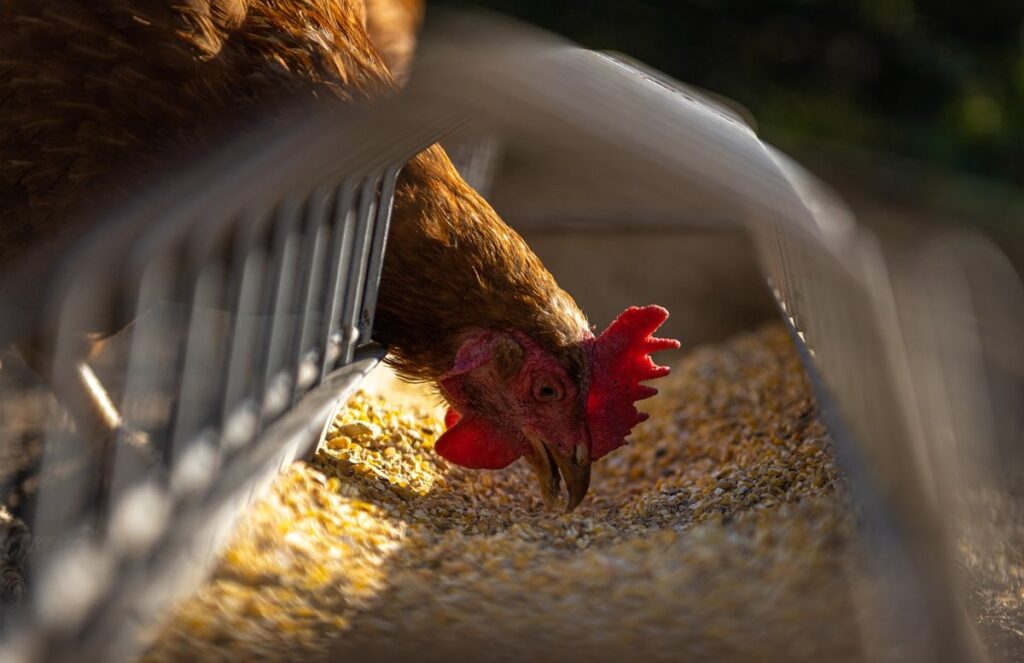
What is a Broody Hen?
A broody hen is a hen that has decided to sit on eggs, usually her own, and incubate them until they hatch. This unique behavior requires special care and nutrition for the hen herself.
Characteristics of a Broody Hen
A broody hen is a hen that has decided to take on the role of motherhood and sit on eggs, refusing to leave her nesting box. You’ll recognize a broody hen by its distinct behavior: it will start to exhibit strong maternal instincts, often becoming aggressive when approached or disturbed. A broody hen’s feathers may become ruffled, and she may produce a soft clucking sound to reassure herself that the eggs are safe.
One of the most telling signs of a broody hen is its refusal to leave the nesting box. If you try to coax her out, she will resist, often by flapping her wings or pecking at your hands. This behavior can be quite intense, and it’s essential to recognize that she’s not just being stubborn – she genuinely believes that the eggs are fertile and need her protection.
If you have a flock of hens, you may notice one hen dominating the nesting box while others wait their turn. A broody hen will often choose a specific nesting box or area as its own, making it difficult for other hens to access. Recognizing these behaviors is crucial in understanding how to care for your broody hen and ensure her nutritional needs are met during this period.
Importance of Recognizing Broodiness in Hens
Recognizing when a hen goes broody is crucial not just for her own well-being but also for the health and productivity of the rest of the flock. A broody hen can be quite aggressive, refusing to let anyone near her or her precious eggs. If left unchecked, this behavior can lead to stress and anxiety in other hens, potentially causing a drop in egg production and even fights within the flock.
To identify when a hen is going broody, look for signs such as pacing back and forth, clucking loudly, and becoming overly protective of her nesting box or area. You may also notice that she stops laying eggs altogether, instead devoting all her energy to incubating whatever has been laid in the nest. If you catch this behavior early on, it’s often possible to gently intervene by removing any fertile eggs from the nest and giving the hen a break from broodiness.
In extreme cases, a prolonged broody spell can even lead to health issues such as egg-binding or prolapse, so monitoring your hens closely is essential. By recognizing when a hen is going broody, you can take steps to manage her behavior and prevent problems in your flock.
Nutrition for Broody Hens
When it comes to a broody hen, her diet plays a crucial role in supporting the development of her chicks. In this section, we’ll explore the essential nutrients your broody hen needs.
Essential Nutrients for Broody Hens
When it comes to meeting the nutritional needs of your broody hen, there are several essential nutrients that must be prioritized. First and foremost, protein is crucial for maintaining muscle mass and promoting overall health. A good quality layer feed should contain at least 16% protein, with a balanced mix of amino acids including methionine, lysine, and threonine.
Energy, in the form of carbohydrates and fats, is also vital for broody hens. They require around 1-2% calcium to support eggshell production and maintain strong bones. Broody hens also need access to certain vitamins and minerals such as vitamin D3, which helps regulate calcium absorption, and iron, crucial for red blood cell production.
When selecting a feed for your broody hen, look for products that are specifically designed for laying hens or those that contain the necessary nutrients listed above. A good quality feed should also include other essential micronutrients like zinc, phosphorus, and magnesium to support overall health.
Benefits of Supplementing with Calcium and Other Minerals
As you provide the best care for your broody hen, it’s essential to ensure she receives an adequate supply of calcium and other minerals. These nutrients play a crucial role in supporting her egg-laying process. Calcium, in particular, is vital for building strong eggshells, while magnesium and phosphorus help regulate energy production and nerve function.
When you notice your broody hen struggling with weak or thin eggshell production, consider supplementing her feed with additional calcium sources. You can add crushed oyster shells or eggshells to her diet to provide an extra boost of this essential mineral. Similarly, a balanced blend of magnesium and phosphorus will help maintain her overall health.
To ensure your broody hen is getting enough minerals, check the nutrient profile on her feed label. Aim for products with at least 2% calcium content. Additionally, consider providing a cuttlebone or mineral block to encourage exploration and additional intake of essential nutrients. By supplementing your broody hen’s diet with these key minerals, you’ll be supporting her overall health and egg-laying abilities.
Feeding a Broody Hen: Recommendations
When caring for a broody hen, it’s essential to understand what nutrients she needs to recover from her brooding phase and stay healthy. This section offers practical feeding recommendations for your broody hen.
Feed Options for Broody Hens
When it comes to feeding a broody hen, you’ll want to choose a feed that provides the necessary nutrients for her and her chicks. Layer feed is often recommended for broody hens as it’s specifically formulated to meet their nutritional needs during this period.
However, some breeders prefer using starter feed instead, especially if they’re concerned about excessive protein levels in layer feed. Starter feed typically contains less protein (around 18-20%) compared to layer feed (around 16-18%), which can be beneficial for the health of both the hen and her chicks.
You may also consider adding nutrient-rich supplements to their diet. These can include items like mealworms, sunflower seeds, or oats. Some popular options include flaxseed, which is high in omega-3 fatty acids, and probiotics, which support gut health.
When choosing a supplement, make sure to select one that’s specifically formulated for poultry and free from contaminants. It’s also essential to introduce new foods gradually to prevent digestive upset. Always provide fresh water and a balanced feed as the primary source of nutrition to ensure your broody hen stays healthy and productive throughout this critical period.
Tips for Implementing a Balanced Diet
When it comes to feeding a broody hen, providing a well-balanced diet is crucial for her health and productivity. A broody hen’s energy needs are higher due to the extra effort of sitting on eggs, so she requires more nutrients than a non-broody hen. To ensure your broody hen receives all the necessary nutrients, focus on incorporating a variety of foods into her diet.
Include high-protein ingredients such as mealworms, sunflower seeds, and hard-boiled eggs to support her energy needs. Dark leafy greens like kale, spinach, and collard greens provide essential vitamins and minerals. Fresh fruits like berries, apples, and carrots add fiber and antioxidants. You can also supplement with commercial broody hen feed or layer pellets specifically formulated for hens in this stage.
Offer fresh water daily to prevent dehydration. A general rule of thumb is to provide 1-2 cups of treats per pound of body weight per day. For example, if your broody hen weighs 5 pounds, aim for 5-10 cups of treats daily. Monitor her food intake and adjust as needed to avoid overfeeding or underfeeding. By following these tips, you can ensure your broody hen receives a balanced diet that supports her health and productivity.
Managing a Broody Hen’s Weight
When it comes to managing a broody hen’s weight, monitoring her intake is crucial to ensure she stays healthy and productive while caring for her chicks. We’ll explore practical tips on how to achieve this balance.
Potential Health Risks of Excess Weight in Hens
Excess weight gain in broody hens can lead to significant health issues. For instance, mobility problems are common due to the strain on their joints and legs. This can cause hens to have difficulty walking, standing, or even perching. Furthermore, excess weight puts additional pressure on their reproductive system, which can lead to reduced egg production, ovulation problems, and an increased risk of prolapse.
In severe cases, excessive weight gain can also lead to life-threatening conditions such as respiratory distress, heart disease, and metabolic disorders. A hen’s ideal body condition score (BCS) is essential in maintaining their overall health. It’s crucial for farmers or backyard chicken keepers to monitor their broody hens’ BCS regularly and make adjustments to their diet accordingly.
A BCS of 2-3 is generally considered acceptable, but this can vary depending on the breed and individual hen. Regular monitoring will help identify potential issues early on, allowing you to take corrective action and prevent further complications.
Strategies for Maintaining a Healthy Weight
When managing a broody hen’s weight, it’s essential to prevent or address excess weight gain as soon as possible. Excess weight can lead to various health issues, including reproductive problems, decreased egg production, and increased susceptibility to diseases. To maintain a healthy weight for your broody hen, consider the following strategies:
* Monitor food intake: Ensure your broody hen has access to fresh water at all times and limit treats, which can contribute significantly to weight gain.
* Provide adequate exercise: Allow your hen to roam freely in a securely fenced area to encourage physical activity. Aim for at least 4-6 hours of foraging time daily.
* Adjust the diet: Feed your broody hen a balanced layer feed formulated specifically for hens over 18 months old, which typically contains lower protein and higher fiber content.
* Consider a weight loss program: Consult with a veterinarian or poultry expert to develop a tailored plan if your broody hen is significantly overweight.
By implementing these strategies, you can help maintain your broody hen’s overall health and well-being. Remember that every hen is different, so be patient and adjust your approach as needed based on individual results.
Alternative Solutions: Stopping Broodiness
If you’re dealing with a broody hen and need to get her back to laying eggs, there are alternative solutions beyond medicated feeds. Let’s explore some options for stopping broodiness safely and effectively.
Why Some Farmers Opt for Artificial Methods
Some farmers may choose to use artificial methods to stop broodiness in their hens due to various reasons. One of the primary concerns is the potential impact on egg production and the overall health of the flock. Medication, such as progesterone blockers or withdrawal methods, can be used to suppress the hen’s natural instinct to go broody. However, these methods may have unintended consequences, including disrupting the flock’s social dynamics or causing stress to the hens.
Another reason farmers might opt for artificial methods is the perceived ease and speed of results. Separating a broody hen from her flock can be an effective way to stop her from incubating eggs. But this approach requires careful consideration, as it can lead to behavioral issues in the hen once she’s reintegrated into the flock.
Some farmers also choose artificial methods due to time constraints or the pressure to meet production demands. For instance, if a farmer is running a large commercial operation and needs to maintain consistent egg production, they may prioritize using medication over natural remedies to quickly resolve broodiness issues.
Considerations and Risks Associated with Artificial Methods
Using artificial methods to stop broodiness can be an attractive option for busy backyard chicken keepers. However, it’s essential to consider the potential risks and drawbacks associated with these methods.
When using artificial heat sources, such as heat lamps or warm lights, there is a risk of burns or fires if not monitored properly. Make sure to follow the manufacturer’s instructions and take regular breaks to ensure your hen’s safety. Additionally, some hens may become stressed by the sudden change in temperature, leading to health issues.
Other artificial methods, like injectable or oral medications, can have adverse effects on a broody hen’s reproductive system or overall health. These treatments can also suppress hormonal balances, potentially leading to long-term fertility problems. Always consult with a veterinarian before administering any medication.
Before resorting to artificial methods, try to understand the underlying causes of your hen’s broodiness and address them through changes in her environment, nutrition, or management practices. This approach may be more effective and safer for both you and your bird in the long run.
Supporting Fertility in a Broody Hen
As you work towards supporting your broody hen’s health, it’s essential to provide her with the right nutrition and care to foster fertility. A balanced diet will play a crucial role in this process.
Importance of Egg-Laying Cycles for Health
Egg-laying cycles play a crucial role in maintaining a broody hen’s overall health. When a hen is not laying eggs regularly, it can lead to nutritional deficiencies and other health problems. For example, a study found that hens that were not laying eggs experienced a significant decline in calcium levels, which can cause weak bones and eggshell issues.
Nutrition also plays a vital role in maintaining egg-laying cycles. A well-balanced diet rich in essential nutrients like protein, vitamins, and minerals is necessary to support regular egg production. Include foods high in omega-3 fatty acids, such as flaxseeds or chia seeds, which promote healthy reproductive function.
To support your broody hen’s egg-laying cycles, make sure she has access to a nutritious diet and clean living conditions. Aiming for 1-2 eggs per day is a good starting point, but this can vary depending on breed and age. Regular health checks and monitoring of egg production can help identify any underlying issues early on. With proper care and nutrition, you can encourage your broody hen to return to regular egg-laying cycles.
Nutritional Support for Regulating Cycles
When a broody hen stops laying eggs and focuses solely on incubating her eggs, it’s essential to support her nutritional needs during this period. Research suggests that nutritional deficiencies can exacerbate the issue of broodiness, making it challenging for hens to return to their normal reproductive cycles.
To regulate a broody hen’s cycle, ensure she receives adequate calcium, phosphorus, and vitamin D3 in her diet. These nutrients support strong eggshell production, which is essential during this period. Provide high-quality commercial layer feed or supplement with crushed oyster shells and dark leafy greens like kale or spinach to boost calcium levels.
Additionally, consider adding omega-3 fatty acids to her diet through flaxseeds or chia seeds to reduce stress and inflammation. A well-balanced diet also includes adequate protein, vitamins, and minerals, which are crucial for hormone regulation.
Maintaining a healthy weight is also vital, as excessive weight can disrupt reproductive cycles. Monitor your hen’s food intake and ensure she has access to fresh water at all times. By providing a nutrient-rich diet and maintaining her overall health, you may be able to regulate her cycle and encourage her to return to laying eggs.
Frequently Asked Questions
What if I’ve already started feeding my broody hen, but I realize she’s not getting enough calcium? Can I add it to her existing diet?
You can supplement your broody hen’s diet with calcium-rich foods like crushed oyster shells or dark leafy greens. However, do this gradually to avoid digestive upset. Start by adding a small amount (about 1-2 tablespoons per day) and monitor her behavior and droppings for any signs of adjustment issues.
How long will it take to see noticeable improvements in my broody hen’s health after changing her diet?
Nutritional changes can be subtle, so it may take several weeks to notice significant improvements. Keep a close eye on your hen’s overall condition, including her feather quality, energy levels, and egg-laying habits (if she’s not currently laying). Be patient and give her body time to adjust to the new nutrients.
Can I feed my broody hen the same food as my other hens, or does she require a specialized diet?
A broody hen has different nutritional needs than a non-broody hen. While some overlap exists, it’s essential to provide a balanced diet that meets her specific requirements for egg production and incubation. Consider separate feeding areas or consult with an expert to ensure your broody hen gets the nutrients she needs.
What if my broody hen is overweight? How can I safely reduce her weight without affecting her ability to incubate eggs?
Gradual weight loss is essential to avoid stressing your broody hen. Focus on high-fiber foods, increase exercise opportunities (within reason), and ensure access to fresh water. Consider consulting a poultry expert or veterinarian for personalized advice on managing your broody hen’s weight.
Are there any natural ways to encourage my broody hen to leave her nesting box and resume egg-laying?
Encourage your broody hen to return to normal behavior by creating a comfortable, distraction-free environment near the nesting box. Provide plenty of food, water, and light to promote appetite and energy. Some farmers also use pheromone sprays or supplements to stimulate hens’ natural instincts.