
If you’re a proud owner of guinea keets, you know how crucial it is to provide them with a nutritious diet. These adorable birds require specific nutritional needs that aren’t always met by commercial pellets alone. A well-balanced diet for your guinea keets should include a mix of commercial pellets, fresh produce, and maybe even some homemade feed recipes. But what exactly do guinea keets need to stay healthy? How can you avoid overfeeding or underfeeding them? In this article, we’ll dive into the world of guinea keet nutrition, covering nutritional requirements, commercial pellet options, and creative ways to add variety to their diet. By the end of it, you’ll be equipped with the knowledge to give your guinea keets a happy and healthy life.
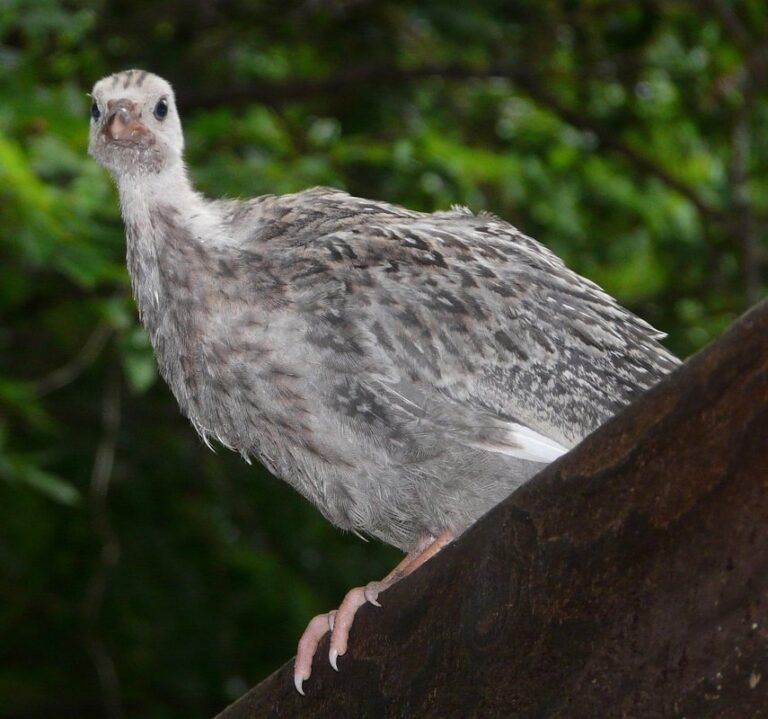
Understanding Guinea Keet Nutrition
When it comes to keeping your guinea keets happy and healthy, understanding their nutritional needs is essential. This section will break down what makes up a well-balanced guinea keet diet.
Importance of Balanced Diet
A balanced diet is crucial for guinea keets to grow and thrive. These young birds need a mix of protein, carbohydrates, and essential vitamins to develop strong immune systems, promote healthy growth rates, and prevent nutritional deficiencies. Without adequate nutrition, guinea keets may become susceptible to various health issues, such as stunted growth, weakened immunity, and increased susceptibility to diseases.
To ensure your guinea keet receives a well-rounded diet, provide a starter feed specifically formulated for young birds during the first few weeks of life. This feed should contain approximately 20-22% protein, which will support rapid growth and development. As they mature, you can gradually transition them to a grower or maintenance feed with slightly lower protein content.
Remember to supplement their diet with fresh fruits, vegetables, and calcium-rich foods, such as crushed eggshells or dark leafy greens, to provide essential vitamins and minerals.
Nutritional Requirements of Guinea Keets
Guinea keets have specific nutritional requirements that are essential to their growth and development. A balanced diet should provide a daily caloric intake of around 10-15% of the adult guinea pig’s weight, which translates to about 1/4 cup of high-quality pellets per pound of body weight per day.
In terms of macronutrient ratios, guinea keets require a mix of 18-20% protein, 2-3% fat, and 60-70% complex carbohydrates. A diet rich in fiber is also crucial to maintain healthy digestive function and prevent conditions like impaction. Micronutrients such as vitamin C, calcium, and phosphorus are equally important.
One common micronutrient deficiency in guinea keets is vitamin C, which can lead to symptoms like lethargy, loss of appetite, and poor coat condition. To avoid this, you should provide fresh veggies high in vitamin C, such as bell peppers or kale, daily. Additionally, guinea keets are prone to hypocalcemia due to inadequate calcium intake, so supplementing their diet with crushed eggshells or dark leafy greens like spinach can help meet these needs.
Types of Food for Guinea Keets
When it comes to feeding your guinea keet, you’ll want to provide a varied and balanced diet that meets their unique nutritional needs. This section will explore the different types of food suitable for guinea keets.
Commercial Pellets
Commercial pellets are a convenient and nutritionally complete food source for guinea keets. Many breeders rely solely on pellets as a staple of their keet’s diet due to its ease of use and convenience. However, it’s essential to weigh the benefits against the drawbacks before making pellets your go-to choice.
Pellets offer a balanced mix of nutrients, including proteins, vitamins, and minerals that guinea keets need to grow strong and healthy. They also save time and effort as they are easy to store and can be fed in large quantities. Moreover, pellets help maintain the cleanliness of the enclosure by reducing waste and minimizing the risk of disease.
However, relying solely on pellets has its downsides. Keets that are fed only pellets may miss out on essential nutrients found in fresh fruits and vegetables, which can lead to stunted growth and health issues. Additionally, keets may develop a preference for the taste and texture of pellets over more nutritious foods, making mealtime less varied.
When using commercial pellets as your primary food source, it’s crucial to rotate their use with other nutrient-rich foods to ensure a well-rounded diet. This can include introducing fresh fruits and vegetables on a regular basis or supplementing with calcium and vitamin D3-enriched foods. By striking the right balance between convenience and nutrition, you can give your guinea keets the best possible start in life.
Supplementing with Fresh Fruits and Vegetables
When it comes to supplementing your guinea keets’ diet with fresh produce, it’s essential to introduce them gradually and in moderation. Not all fruits and vegetables are safe for your keets, so be sure to stick to the ones that are known to be non-toxic.
Some of the best fruits to offer your guinea keets include berries like strawberries, blueberries, and raspberries, as well as sliced apples and bananas. Leafy greens like kale, spinach, and collard greens can also be a great addition to their diet. Carrots, cucumbers, and sweet potatoes are other safe options.
When introducing fresh produce into your keets’ diet, start with small amounts (about 1/4 cup per day) and gradually increase the serving size as they become accustomed to eating it. Make sure to remove any seeds or pits from fruits like berries and apples, and cut them into bite-sized pieces to prevent choking hazards.
Some other tips to keep in mind: avoid giving your keets citrus fruits, onions, garlic, or raw beans, as these can be toxic to them. Also, make sure to wash all produce thoroughly before offering it to your keets, and store any leftover produce in the refrigerator to prevent spoilage.
Homemade vs. Commercial Feed
When it comes to feeding your guinea keet, you’re likely torn between store-bought commercial feed and making your own at home. Let’s explore the pros and cons of each option together.
Pros and Cons of Making Your Own Guinea Keet Food
When it comes to feeding your guinea keets, one decision you may consider is making your own homemade feed. While this option offers some benefits, there are also potential drawbacks to keep in mind.
One of the main advantages of homemade guinea keet food is that you have complete control over the ingredients and nutritional balance. This can be especially beneficial if your birds have specific dietary needs or allergies. For example, you can tailor their feed to include more protein sources like mealworms or crickets, which are rich in essential amino acids.
However, making homemade feed can also be time-consuming and expensive, particularly if you’re purchasing high-quality ingredients. Additionally, it’s easy to inadvertently create a nutrient-deficient diet if you don’t have a thorough understanding of guinea keet nutritional requirements. A common mistake is over-emphasizing calcium intake, leading to softening of the birds’ bones.
To ensure your homemade feed is balanced and cost-effective, research reliable recipes and consult with experienced breeders or veterinarians. They can guide you in selecting the right proportions of protein, carbohydrates, and other essential nutrients for optimal health and growth.
Recipes for Homemade Guinea Keet Feed
Making homemade guinea keet feed is a great way to ensure your feathered friends receive exactly what they need. Here are three simple recipes you can try:
Recipe 1: High-Protein Mash
* 2 cups of oats
* 1 cup of sunflower seeds
* 1/2 cup of dried mealworms
* 1/4 cup of chopped kale
Combine all ingredients in a bowl and mix well. This recipe provides approximately 18% protein, making it perfect for keets that need an extra boost.
Recipe 2: Fruity Delight
* 2 cups of mixed fruits (such as berries, apples, and bananas)
* 1 cup of cooked quinoa
* 1/4 cup of chopped nuts
Mix all ingredients together and serve. This recipe is great for keets that need a change of pace from the usual grains.
Tips for Ensuring Nutritional Adequacy
When making homemade guinea keet feed, it’s essential to ensure you’re providing a balanced mix of nutrients. Always include a source of protein (such as mealworms or nuts), complex carbohydrates (like oats and quinoa), and fresh fruits and veggies (like kale and berries). Consult with a veterinarian or poultry expert if you have any concerns about your keet’s diet.
Managing Health Issues Through Diet
While guinea keets are generally hardy birds, they can still be prone to certain health issues that can be managed through diet. Let’s explore how you can use nutrition to keep your guinea keet happy and healthy.
Common Health Problems in Guinea Keets
As you work towards creating a balanced diet for your guinea keets, it’s essential to be aware of the common health issues that can arise due to dietary imbalances or deficiencies. Vitamin A deficiency is a significant concern in guinea keets, leading to symptoms such as softening of the eyes, loss of appetite, and lethargy. This condition can often be prevented with a diet rich in dark leafy greens like kale and spinach.
Gastrointestinal disorders are another common issue in guinea keets, caused by an imbalance of gut bacteria or poor digestion. Signs include loose stools, diarrhea, or constipation. To maintain a healthy digestive system, ensure your keets have access to fresh water at all times and provide a diet high in fiber-rich foods like alfalfa hay.
Regular monitoring and adjustments to their diet can prevent these issues from arising.
Dietary Solutions for Common Health Issues
As a guinea keet owner, it’s essential to be aware of common health issues that can affect these adorable birds. Diet plays a significant role in preventing and managing various health problems. Let’s explore some dietary solutions for common issues.
Respiratory problems are a major concern for guinea keets, particularly bronchitis and pneumonia. A balanced diet rich in omega-3 fatty acids, vitamin E, and antioxidants can help alleviate symptoms. You can achieve this by adding foods high in these nutrients to their regular feed, such as flaxseeds or chia seeds. For example, mix 1 tablespoon of flaxseed oil with their regular pellets for a healthy dose of omega-3s.
Another common issue is digestive problems, including diarrhea and constipation. A diet rich in fiber can help regulate bowel movements. Include high-fiber foods like cooked carrots, sweet potatoes, or leafy greens like kale and spinach in their meal. Limit high-starch foods like bread and pasta to prevent digestive issues.
For guinea keets prone to obesity, reducing calorie intake is crucial. A balanced diet with fewer treats and more physical activity can help manage weight. Limit treats like nuts and seeds to no more than 10% of their daily caloric intake. Consult your veterinarian for a personalized feeding plan tailored to your guinea keet’s specific needs.
Tips for Guinea Keet Owners
As a guinea keet owner, it can be overwhelming to figure out what to feed your furry friends, so here are some practical tips to ensure they get the nutrients they need. Let’s dive into these essential tips together!
Avoiding Overfeeding and Underfeeding
Dietary balance is essential for guinea keets to grow and thrive. To avoid overfeeding and underfeeding, it’s crucial to determine the right amount of food based on their age, size, and activity level. Start by understanding that young keets require more nutrients than adults, so their feed should be formulated accordingly.
For guinea keets under 4 weeks old, you can follow a starter mash or crumb that contains around 20-25% protein content. As they grow, gradually switch to high-quality pellets that meet the nutritional requirements of growing birds. Keep in mind that excessive feeding during this period may lead to soft droppings and stunted growth.
For keets over 6 months old, a balanced diet with moderate protein levels (around 18-20%) is ideal. Be mindful of their activity level – guinea keets who are more active will require slightly more food than those that are less active. Monitor your birds’ weight and adjust the feeding accordingly to avoid overfeeding or underfeeding. A good rule of thumb is to weigh your keets every week to ensure you’re providing them with just the right amount of food for optimal health.
Monitoring Growth and Development
Monitoring growth and development is crucial when raising guinea keets. You need to ensure they’re getting all the necessary nutrients from their food. To do this, keep an eye out for physical changes like feathering, beak shape, and overall weight gain.
Signs of nutritional deficiencies or excesses can be subtle at first, but they’ll become more apparent over time if left unchecked. Be on the lookout for slow growth, pale comb, dull feathers, or excessive shedding – all of which could indicate a diet lacking essential nutrients.
Regular weighing is also important to track their progress. Guinea keets should grow about 1-2% of their body weight each day. If you notice this rate slowing down or speeding up, it may be due to nutritional issues with their food.
Another key aspect is monitoring the condition of their droppings. A well-balanced diet will produce firm, dark droppings, while a diet lacking essential minerals might result in loose or pale droppings.
If you’re ever unsure about your keets’ health, it’s always best to consult with a veterinarian for professional advice.
Frequently Asked Questions
Can I mix commercial pellets with homemade feed recipes to create a balanced diet for my guinea keets?
Yes, you can combine commercial pellets with homemade feed recipes to provide your guinea keets with a well-rounded diet. Just ensure that the homemade recipe meets or exceeds the nutritional requirements of guinea keets and doesn’t compromise their health. A mix of 75% commercial pellets and 25% homemade feed can be a good starting point, but monitor your birds’ growth and adjust as needed.
What if I notice my guinea keet is experiencing stunted growth or weakened immunity due to nutritional deficiencies? Can I supplement with individual nutrients?
If you suspect nutritional deficiencies in your guinea keets, it’s best to consult with a veterinarian before making any changes. While supplementing with individual nutrients might seem like a solution, it can be challenging to ensure the correct balance of essential vitamins and minerals. A balanced homemade feed recipe or adjusting commercial pellet amounts may be more effective.
How often should I switch between different types of fresh produce in my guinea keets’ diet?
To keep your guinea keets engaged with their food, switch between different types of fresh produce every 7-10 days. This will also help ensure they receive a variety of essential vitamins and minerals from various sources. You can rotate between leafy greens, fruits, and root vegetables to maintain a balanced and interesting diet.
Can I use leftover cooked vegetables or cooked grains as part of my guinea keets’ diet?
Yes, you can incorporate leftover cooked vegetables or cooked grains into your guinea keets’ diet in moderation. However, ensure they’re completely cool before serving to prevent bacterial growth. Avoid using overcooked or spoiled food, which can lead to digestive issues.
What’s the ideal ratio of protein to carbohydrates for a guinea keet’s diet?
The ideal ratio of protein to carbohydrates varies depending on your guinea keets’ age and developmental stage. Generally, a balanced diet should include 18-20% protein and 40-50% carbohydrates from high-quality sources like commercial pellets or homemade recipes that incorporate whole grains.