
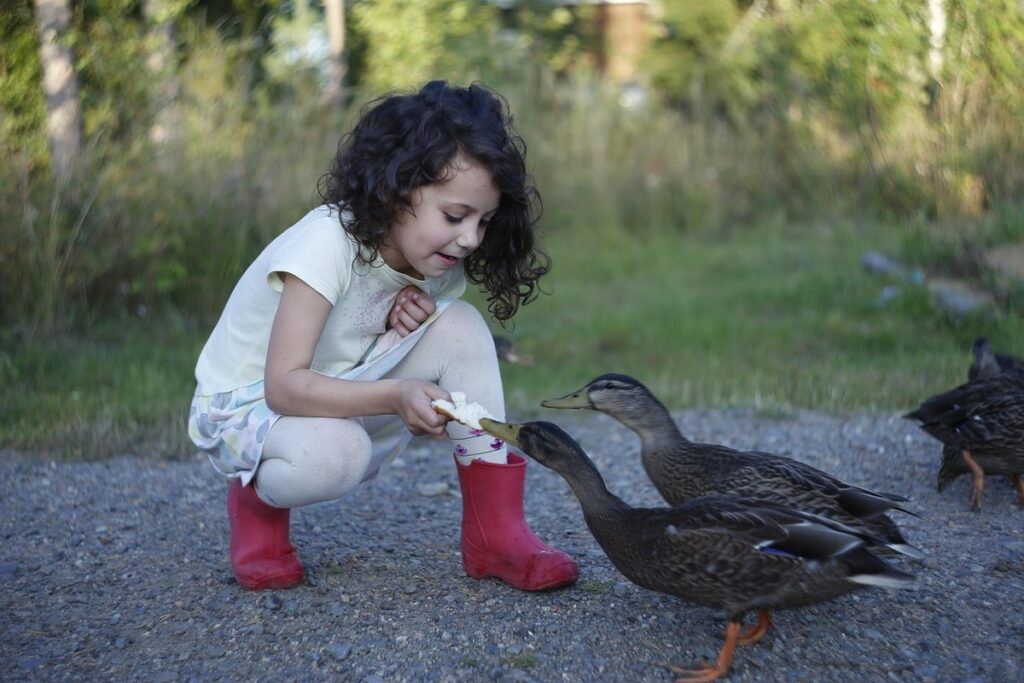
Feeding bread to ducks is a common sight in many parks and lakes, but have you ever stopped to think about whether this practice is actually helping or harming these beautiful birds? Unfortunately, feeding bread to ducks can be detrimental to their health, causing problems like malnutrition, obesity, and even death. As responsible members of our community, it’s essential that we understand the impact of our actions on local wildlife and make informed decisions about how to interact with them. In this article, we’ll explore why feeding bread to ducks is a problem and what eco-friendly alternatives you can use to support your local duck population. We’ll also cover responsible feeding practices and provide tips on how you can make a positive impact in your community, promoting a healthier environment for these amazing creatures to thrive.
The Importance of Feeding Ducklings
When it comes to raising healthy ducklings, proper feeding is crucial for their growth and development, which is why we’re taking a closer look at what they need. Let’s dive into the importance of feeding ducklings correctly.
Why We Tend to Feed Bread to Ducks
When we spot wild ducks waddling around, it’s natural to want to help them out. We might throw some bread into the water, thinking that we’re giving them a tasty treat and providing for their basic needs. However, this gesture can have unintended consequences. The desire to feed bread to ducks often stems from a good intention – we genuinely want to care for these beautiful creatures.
Unfortunately, bread doesn’t provide the necessary nutrients for ducks to thrive. It’s high in carbohydrates and low in essential vitamins and minerals, making it more of a hazard than a help. Feeding bread can lead to malnutrition, digestive issues, and even death in severe cases. Moreover, relying on humans for food can make wild ducks dependent on us rather than teaching them how to forage for their natural diet.
As we learn more about the needs of our feathered friends, it’s time to reevaluate our approach. Instead of bread, consider providing healthy treats like leafy greens or aquatic plants that mimic their natural diet. By making this simple switch, we can help protect the well-being of wild ducks and maintain a balance in their ecosystem.
Understanding the Short-Term Benefits of Feeding Bread
Feeding bread to ducklings may seem like an innocuous way to entertain them, but there are some immediate benefits that might make it appealing. For instance, feeding bread can increase the visibility of ducklings as they gather around the food source. This can be a pleasant sight for onlookers, who might interpret this as evidence of happy and contented ducklings.
Perceived happiness is often a subjective measure, but it’s undeniable that feeding bread can elicit an immediate response from ducklings. They may become more energetic and vocal as they vie for the treats. However, it’s essential to note that this reaction could be attributed to the sudden availability of food rather than any genuine contentment.
If you’re still considering feeding bread to ducklings, here are some tips: Keep in mind that what you’re doing can have long-term effects on their behavior and dietary habits. For now, just remember to provide a safe distance for the ducklings to feed without causing them stress or overfeeding.
The Long-Term Consequences of Feeding Bread to Ducks
Feeding bread to ducks may seem harmless, but it can have far-reaching effects on their health and well-being over time. Let’s explore what happens when our feathered friends become too reliant on human snacks.
Impact on Duckling Nutrition and Digestion
Feeding bread to ducks can have severe long-term consequences on their nutrition and digestion, particularly for ducklings. A diet consisting mainly of bread lacks essential nutrients that ducklings need to grow and thrive. For instance, bread is deficient in protein, which is vital for developing muscles and feathers. As a result, ducklings fed solely bread may experience stunted growth, weakened immune systems, and impaired feather development.
Bread also tends to expand quickly in a duckling’s stomach, leading to digestive issues such as bloating, constipation, or even intestinal blockages. This can cause significant discomfort, stress, and potentially life-threatening complications for young ducks. Furthermore, bread is often high in carbohydrates, which can lead to an imbalance of gut bacteria, negatively impacting the overall health and well-being of ducklings.
To ensure healthy ducklings, it’s best to supplement their diet with nutrient-rich foods like leafy greens, fruits, or specialized duck pellets. These options provide essential vitamins, minerals, and fiber that support optimal growth, development, and digestive health. By making informed choices about what to feed your ducks, you can significantly reduce the risk of long-term nutritional deficiencies and promote a happy, thriving flock.
Effects on Local Ecosystems and Water Quality
When we feed bread to ducks, it’s easy to get caught up in the moment and forget about the broader consequences for our local ecosystems. Unfortunately, this well-intentioned action can have severe effects on water quality and disrupt natural food chains.
Feeding bread to ducks contributes significantly to water pollution. As the ducks digest the carbohydrates in bread, they produce large amounts of nutrient-rich waste that enters nearby waterways. Excessive nutrients can lead to an overgrowth of algae, which depletes oxygen levels and harms aquatic life. In fact, a study by the University of Michigan found that feeding ducks bread increased E. coli levels in local lakes by 300%. This not only poses a risk to human health but also impacts native wildlife.
To put it into perspective, consider this: if you feed bread to just one duck daily, you’re essentially dumping an extra 12 pounds of nutrient-rich waste into the water per year! By refraining from feeding bread and instead offering healthier alternatives like leafy greens or cracked corn, we can significantly reduce our impact on local ecosystems. So, next time you’re tempted to feed the ducks, remember: every little bit counts, and your actions have a ripple effect on the environment.
Alternative Food Sources for Ducks
If you’re looking for a more nutritious way to feed your feathered friends, let’s explore some alternative food sources that are perfect for ducks. These options are easy to incorporate into their diet.
What Wild Ducks Actually Eat
When it comes to wild ducks, their diet is far more diverse and nutritious than just bread. In their natural habitats, these amazing birds feed on a wide variety of plants, insects, and other foods that provide them with the energy and nutrients they need to thrive.
In freshwater environments like ponds, lakes, and rivers, wild ducks forage for aquatic plants such as duckweed, water lilies, and algae. They also enjoy snacking on grains like oats, barley, and wheat, which are often found in abundance along riverbanks and shorelines. Insects like grasshoppers, crickets, and even small fish are also a common part of their diet.
In wetlands and grasslands, wild ducks feast on seeds from plants like dandelions, sunflowers, and clover. They also eat fruits like berries, cherries, and apples that grow in nearby forests and fields. By understanding what wild ducks actually eat in the wild, we can learn to provide them with healthier alternatives when it comes to supplemental feeding – rather than relying on bread as their sole source of nutrition.
It’s worth noting that by mimicking the natural diet of wild ducks, you can help promote a balanced and healthy lifestyle for these amazing birds. This might include offering whole grains like oats or barley, or even growing your own fruit trees and vegetable gardens to provide them with fresh produce!
How You Can Help Supplement Duck Diet Naturally
If you’re concerned about the nutritional well-being of local duck populations and want to contribute positively without causing harm, consider these natural supplement ideas. You can provide ducks with beneficial food sources like fresh vegetables, fruits, leafy greens, and aquatic plants.
For example, carrots, sweet potatoes, and squash are nutrient-rich additions that promote healthy digestion and energy levels in ducks. Leafy greens such as kale, spinach, and collard greens offer essential vitamins A, C, and K for optimal health. Fresh berries like blueberries and strawberries provide antioxidants to combat oxidative stress.
To incorporate these supplements effectively:
* Offer a balanced mix of foods in moderation, avoiding overfeeding
* Rotate seasonal produce to ensure variety and minimize food waste
* Introduce new foods gradually to prevent digestive issues
* Provide a constant source of fresh water for drinking
By implementing these simple steps, you can contribute positively to the health and well-being of local duck populations while minimizing potential harm associated with bread feeding.
Understanding Duck Behavior and Needs
To care for ducks responsibly, it’s essential to understand their natural behavior and needs, which can be influenced by their wild ancestors. Let’s dive into what makes these waterfowl tick.
Recognizing Signs of Nutritional Deficiencies
As you care for your feathered friends, it’s essential to recognize signs of nutritional deficiencies in ducklings. Malnutrition can lead to a range of issues, from slow growth to weakened immune systems. Identifying common behaviors that indicate nutritional needs are not being met will help you make informed decisions about their diet.
Ducklings with inadequate nutrition may exhibit changes in appetite or water intake. A decrease in egg-laying or an increase in pecking at feathers can also be signs of malnutrition. Additionally, look out for soft, fluffy down, pale or washed-out feathers, and lethargy.
In contrast to the benefits of a balanced diet, feeding bread to ducks can lead to nutritional deficiencies over time. A high-carb diet lacking essential nutrients can cause vitamin and mineral deficiencies, particularly in calcium and iron. Regularly observing your ducklings’ behavior will allow you to detect potential issues before they become severe. Monitor their overall health, weight gain, and feather condition to ensure they’re receiving the necessary nutrients for optimal growth and well-being. If you notice any concerning signs, consult with a veterinarian or experienced breeder for guidance on adjusting their diet.
How Human Behavior Influences Wild Ducks’ Trust Levels
When humans frequently feed bread to ducks, it can have a profound impact on their trust levels towards us. On one hand, consistent feeding can make them associate us with food sources, potentially increasing their dependence on humans for sustenance. This can be seen in urban parks where ducks eagerly await bread from visitors. However, when they become too reliant on human-provided food, they may begin to lose interest in foraging for natural foods like aquatic plants and insects.
This shift in behavior can lead to malnutrition, as their diet becomes skewed towards high-calorie but nutrient-poor bread. For instance, a study found that ducks fed with bread had higher levels of fat and lower levels of essential vitamins compared to those fed with natural foods. To mitigate this issue, consider feeding them duck pellets or other nutritionally balanced options when visiting parks. If you choose to feed bread, do so sparingly and in moderation to avoid reinforcing unhealthy habits.
The Role of Education and Community Involvement
When it comes to deciding whether to feed bread to ducks, education and community involvement play a significant role in making informed choices. Local experts and park rangers can offer valuable insights on how to help these feathered friends thrive without harming them.
Engaging with Local Communities to Promote Sustainable Practices
When interacting with local communities near parks and waterways, it’s essential to educate them about the negative consequences of feeding bread to ducks. One effective way to do this is by organizing community events and workshops that highlight the impact of bread-feeding on duck health and the environment.
For instance, you could partner with local schools or community centers to host a “Duck-Friendly” event where participants learn about eco-friendly alternatives to bread, such as duck pellets or fresh vegetables. You can also invite experts from wildlife rehabilitation centers to share their experiences and provide insights into why bread is detrimental to ducks’ health.
To make this initiative more engaging, consider setting up interactive displays or exhibitions showcasing the effects of bread-feeding on water quality and duck behavior. This hands-on approach will not only raise awareness but also encourage community members to adopt sustainable practices when interacting with wildlife. By working together with local communities, you can create a ripple effect that promotes environmentally responsible habits and protects our feathered friends.
Collaborating with Local Authorities and Conservation Efforts
Working together with local authorities, conservation organizations, and community groups can be a powerful way to create positive change for duck populations. By building relationships with these entities, you can help raise awareness about the dangers of bread feeding and promote alternative, more sustainable solutions.
For example, you could partner with your local park ranger or wildlife service to develop educational programs that teach visitors about responsible duck feeding practices. This might involve creating signage, distributing brochures, or hosting guided tours that highlight the importance of preserving natural habitats.
Community groups can also play a vital role in promoting conservation efforts. Consider collaborating with nearby schools, community centers, or environmental organizations to develop initiatives that promote sustainable living and reduce waste. Together, you can host clean-up events, plant native vegetation, or establish wildlife-friendly corridors – all while discouraging bread feeding and promoting healthy duck populations.
Ultimately, by working together, we can create a ripple effect of positive change that benefits not just ducks but the entire ecosystem.
Addressing Misconceptions and Common Questions
We’ve probably all been guilty of feeding bread to ducks at one time or another, but there are many misconceptions surrounding this common practice. Let’s set the record straight about what it really means for our feathered friends.
Separating Fact from Myth: Debunking Common Feeding Myths
When it comes to feeding bread to ducks, you’ve probably heard some claims that it’s harmless or even beneficial for these waterfowl. However, the truth is far from it. Some people believe that feeding bread to ducks helps them survive during harsh winters or allows them to thrive in urban environments. But what they don’t realize is that this practice can do more harm than good.
In reality, bread has little to no nutritional value for ducks. In fact, a 2019 study found that bread consumption can lead to malnutrition and digestive issues in waterfowl. Moreover, feeding bread to ducks can also disrupt their natural diet and behavior, making them reliant on humans for food rather than searching for their own natural sources.
Another common myth is that feeding bread to ducks helps support local ecosystems. However, the truth is that this practice can actually have negative impacts on these environments. For example, overfeeding can lead to water pollution, attract other pests like rodents and seagulls, and even displace native species from their habitats.
Q&A Section on Feeding Ducks Responsibly
Q&A Section on Feeding Ducks Responsibly
As you’ve learned that feeding bread to ducks is not only detrimental to their health but also harmful to the environment, you might still have some questions about what to feed them instead. Here are some frequently asked questions and answers to help you provide responsible care for these wonderful creatures.
What’s a suitable replacement for bread?
You can offer your feathered friends a variety of healthy treats such as leafy greens like kale or spinach, fruits like berries or sliced apples, and even commercial duck pellets specifically formulated to meet their nutritional needs. For example, if you’re visiting a park with ducks, consider packing some chopped carrots or sweet potatoes in your bag.
How often can I feed the ducks?
Remember, moderation is key! It’s best to limit feeding to once or twice a week, and only for short periods of time. This will help prevent over-reliance on humans for food and maintain their natural foraging behavior.
Frequently Asked Questions
What are some alternative food sources that I can offer to ducks instead of bread?
While it’s great to provide a nutritious supplement, not all foods are suitable for ducks. Consider offering duck pellets or seeds specifically formulated for waterfowl. You can also try offering fresh fruits and vegetables like carrots, kale, or berries in moderation. Be sure to introduce new foods gradually to avoid digestive upset.
How do I know if the ducks in my local park are already being fed by someone else?
Before introducing your own feeding routine, it’s essential to assess whether other people are already providing food for the ducks. Observe the park during peak visiting hours and see if you notice any regular feeders. You can also speak with park rangers or local community members to gauge their knowledge about duck feeding practices.
Can I still feed bread to ducks occasionally, as long as it’s not a regular habit?
Feeding bread to ducks even occasionally can contribute to the same problems mentioned in our article, such as malnutrition and obesity. The best approach is to establish a consistent feeding routine using eco-friendly alternatives. If you’re concerned about the ducks’ immediate needs, consider providing a small amount of nutrient-rich food like duck pellets.
What if I see ducks ignoring their own natural diet in favor of bread? Is it still harming them?
Yes. Even if ducks appear to be ignoring their natural diet and opting for bread instead, it can still have negative effects on their health. Bread lacks essential nutrients, causing malnutrition and potentially life-threatening conditions like fatty liver disease.
How do I encourage my community to adopt more sustainable feeding practices for wild ducks?
Start by organizing a local event or workshop that highlights the importance of responsible duck feeding. Collaborate with park rangers, conservation groups, and educational institutions to promote eco-friendly alternatives and raise awareness about the impact of human behavior on wildlife. You can also establish partnerships with local businesses to donate alternative food sources or sponsor education initiatives.