
As a duck breeder or enthusiast, you know that providing your feathered friends with the right nutrients is crucial for their growth and development. But have you ever stopped to think about the importance of niacin in duckling nutrition? Niacin, also known as vitamin B3, plays a vital role in maintaining healthy metabolism, energy production, and even skin and feathers. Meeting the recommended dietary allowance (RDA) of niacin is essential for your growing ducklings, but it can be tricky to ensure they get enough from their diet alone. In this article, we’ll take a closer look at the sources of niacin, discuss practical considerations, and provide guidance on meeting the RDA in a way that’s easy to follow. Whether you’re a seasoned breeder or just starting out, understanding how to provide your ducklings with adequate niacin is key to raising healthy, thriving birds.
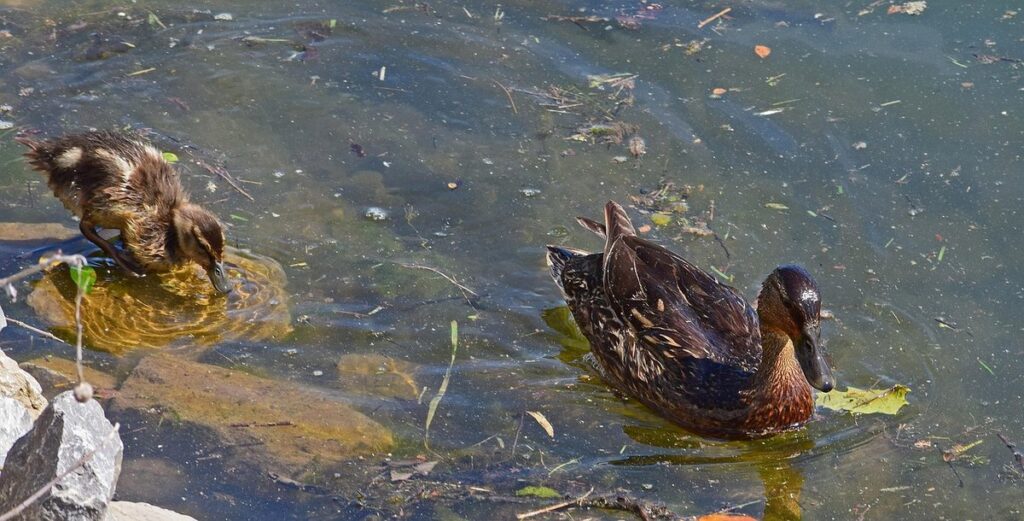
Importance of Niacin in Duckling Nutrition
Niacin is a crucial nutrient for ducklings, playing a vital role in their growth and development, especially during the first few weeks of life. Let’s explore why it’s essential to include niacin-rich foods in their diet.
Role of Niacin in Metabolism and Growth
Niacin plays a vital role in duckling metabolism and growth. It’s essential for energy production, as it participates in the breakdown of nutrients to generate ATP (adenosine triphosphate), the primary source of energy for cellular processes. Ducklings rely heavily on niacin for this function, particularly during their rapid growth phase.
As a component of NAD+ (nicotinamide adenine dinucleotide) and NADP+, niacin enables ducklings to synthesize vital coenzymes that facilitate various biochemical reactions, including glycolysis and the citric acid cycle. This is crucial for their growth and development, as they require constant energy to fuel rapid muscle development, feather growth, and organ maturation.
Inadequate niacin levels can lead to impaired energy production, resulting in stunted growth and reduced egg-laying capacity later in life. To ensure your ducklings receive sufficient niacin, provide a balanced starter feed formulated specifically for duckling nutrition or supplement their diet with niacin-rich foods like fish meal, meat scraps, or grains fortified with the vitamin.
Effects of Niacin Deficiency on Ducklings
Duckling owners often overlook the importance of niacin in their feeding regimen. However, inadequate niacin intake can have severe consequences on the health and development of ducklings. When niacin is not provided in sufficient quantities, ducklings may experience stunted growth and delayed feathering.
This deficiency can lead to weakened immune systems, making them more susceptible to diseases. A compromised immune system can be especially devastating for young ducklings, as it increases their risk of contracting common health issues such as respiratory problems and infections. Moreover, niacin plays a crucial role in the production of red blood cells, which means that a deficiency can lead to anemia.
In severe cases, prolonged niacin deficiency has been linked to increased mortality rates among duckling populations. It’s essential for breeders to recognize the importance of niacin in their feeding regimen and take steps to ensure adequate intake. Providing a balanced diet that meets the nutritional requirements of ducklings, including sufficient amounts of niacin, can significantly reduce the risk of health problems and promote healthy growth and development.
Sources of Niacin in Duckling Feed
When it comes to meeting your ducklings’ niacin needs, it’s essential to know where to find this vital nutrient in their feed. Niacin can be obtained from a variety of ingredients.
Plant-Based Sources of Niacin
When it comes to providing ducklings with niacin-rich plant-based ingredients, there are several options you can consider incorporating into their feed. Grains such as corn and wheat are good sources of niacin. In fact, one cup of cooked corn contains about 3 milligrams of niacin.
Seeds like sunflower seeds and sesame seeds are also rich in niacin. For example, one ounce of sunflower seeds provides approximately 1.5 milligrams of niacin. Legumes such as soybeans and peanuts are other excellent plant-based sources of niacin. One cup of cooked soybeans contains about 4.3 milligrams of niacin.
To incorporate these ingredients into your duckling feed, you can mix them with other grains or use them as a supplement to ensure the ducklings receive adequate niacin levels. For instance, adding a small amount of sunflower seeds or sesame seeds to their daily ration could help boost their niacin intake.
Some farmers also choose to use plant-based protein sources like soybean meal or peanut meal in place of animal-derived proteins. These ingredients are not only rich in niacin but can also provide other essential nutrients for optimal growth and development. Always ensure that you follow the recommended levels and balance them with other nutrient sources to avoid any potential deficiencies.
Animal-Based Sources of Niacin
When it comes to incorporating animal-derived sources of niacin into duckling feed, there are several options available. Fish meal is one such source that can provide a significant amount of niacin. It’s often used as an ingredient in commercial duckling feed due to its high protein content and efficient conversion rate. However, it’s essential to note that not all fish meal sources are created equal. Some may be lower in niacin or even contain contaminants like mercury.
Another animal-derived source of niacin is meat by-products. These can include a wide range of ingredients such as organ meats, bone meal, and blood meal. Meat by-products can also provide essential amino acids, vitamins, and minerals that support the overall health and growth of ducklings. When selecting a feed ingredient containing meat by-products, ensure it’s from a reputable supplier to minimize the risk of contaminants.
Some commercial duckling feeds may list specific animal-derived sources of niacin on their labels. Always check the ingredient list to identify these sources and understand how they contribute to meeting the ducklings’ daily niacin requirements.
Recommended Dietary Allowance (RDA) for Ducklings
To ensure your ducklings get enough niacin, it’s essential to understand their daily nutritional needs. The RDA guidelines provide a benchmark for feeding your ducklings the right amount of niacin.
Establishing RDA for Niacin in Duckling Feed
Calculating the optimal amount of niacin for ducklings requires consideration of their age, weight, and breed. A commonly used method to determine RDA is the factorial method, which involves multiplying the basal metabolic rate (BMR) by a factor based on the animal’s energy needs.
For example, if you’re raising Muscovy ducklings, which grow rapidly, you may need to adjust their niacin intake accordingly. Let’s say you have 10 Muscovy ducklings at 1 week old, weighing around 0.05 kg each. Their BMR would be approximately 15 kcal/hour per bird, multiplied by a factor of 2.5 for growth and activity. This results in an estimated daily energy requirement of around 37.5 kcal/bird.
To calculate the niacin requirement, you can use the following formula: (niacin requirement / energy intake) x total energy consumption. Assuming a moderate niacin requirement of 3 mg/1000 kcal, for our example ducklings, this would translate to around 1.125 mg of niacin per bird per day.
To make it simpler, you can use the following general guideline: provide 2-4% of their daily energy intake as niacin. This translates to about 75-150 mg/kg of feed per day for our example ducklings.
Factors Influencing RDA for Niacin
When it comes to determining the Recommended Dietary Allowance (RDA) for niacin in ducklings, several factors come into play. One crucial consideration is the impact of vitamin B3 deficiency on niacin requirements. You see, niacin and tryptophan have a unique relationship – tryptophan can be converted into niacin in the body. However, if there’s a deficiency in vitamin B3 (niacin), this conversion process doesn’t happen efficiently. As a result, ducklings may require more niacin to meet their needs.
In fact, studies have shown that when ducklings are fed a diet with low levels of tryptophan, they exhibit signs of niacin deficiency, such as skin lesions and impaired growth rates. This highlights the importance of balancing both niacin and tryptophan intake in the diet. To ensure you’re meeting your duckling’s needs, make sure to provide a well-rounded diet that includes sources of both niacin (like brewer’s yeast) and tryptophan (such as fish meal or eggs). Aim for a dietary ratio of 60:1 – 80:1 tryptophan:niacin.
Factors Affecting Niacin Absorption in Ducklings
When it comes to meeting duckling niacin requirements, factors such as their age, diet, and overall health can all impact how well they absorb this essential nutrient. Let’s explore these key considerations in more detail.
Impact of Age on Niacin Absorption
As duckling growers, it’s essential to understand how age affects niacin absorption in these young birds. Research suggests that ducklings’ ability to absorb and utilize niacin changes as they grow. For instance, studies have shown that younger ducklings (0-2 weeks old) have a higher requirement for niacin due to their rapid growth rate and limited intestinal capacity.
As ducklings mature, their ability to absorb niacin increases. However, older ducklings (4-6 weeks old) may experience decreased absorption rates, which can lead to niacin deficiency if not properly managed. This is because the demand for niacin decreases as growth slows down in these later stages.
To ensure optimal niacin absorption across different age groups, consider the following: For younger ducklings, provide a diet rich in niacin and consider adding supplements if necessary. For older ducklings, focus on maintaining a balanced diet with adequate protein sources to support their energy needs. Monitoring growth rates, feed intake, and overall health will help you adjust your feeding strategy accordingly.
Role of Health Status and Environmental Conditions
When it comes to niacin absorption in ducklings, several factors can significantly impact their ability to utilize this essential nutrient. Stress and disease are two primary concerns that can affect niacin utilization. For instance, if a brood is experiencing high levels of stress due to overcrowding or poor living conditions, their immune system may become compromised, leading to impaired niacin absorption.
Similarly, diseases such as coccidiosis or respiratory infections can also hinder niacin utilization. Research suggests that even mild stress and disease can reduce niacin absorption by up to 20%. This highlights the importance of maintaining a healthy environment for ducklings. To mitigate these risks, ensure proper ventilation, maintain cleanliness, and provide adequate space for growth.
In addition to disease and stress, environmental conditions also play a crucial role in determining niacin absorption. For example, high temperatures can compromise nutrient uptake, while inadequate lighting can impede overall health. By understanding the interplay between these factors and niacin requirements, you can take proactive steps to ensure your ducklings receive optimal nutrition for healthy growth and development.
Practical Considerations for Feeding Niacin-Rich Foods
When incorporating niacin-rich foods into your duckling’s diet, it’s essential to consider a few practical factors to ensure their nutritional needs are met effectively. Choose from a variety of nutritious options carefully.
Strategies for Incorporating Niacin-Rich Ingredients
When it comes to incorporating niacin-rich ingredients into commercial duckling feed formulas, poultry farmers have several options. One approach is to add plant-based sources such as oats, barley, and corn to the diet. These grains are not only rich in niacin but also provide essential fiber and other nutrients.
Another option is to use animal-derived sources like fish meal or meat meal, which can be particularly useful for intensive poultry operations. For instance, a study published in the Journal of Applied Poultry Research found that adding 0.5% fish meal to duckling feed significantly improved niacin levels.
A practical approach to implementation involves starting with small increments and monitoring duckling growth and health metrics. Farmers can also consider working with nutritionists or feed manufacturers to develop custom formulas that meet specific niacin requirements. Some successful examples of niacin-rich feed formulations in poultry farms include those using a combination of oats, barley, and fish meal.
By incorporating these strategies into their feeding practices, poultry farmers can help ensure ducklings receive adequate niacin levels for optimal growth and development.
Challenges and Solutions for Ensuring Adequate Niacin Intake
As you strive to provide ducklings with adequate niacin intake, you may encounter challenges that impact their dietary formulation. One such challenge is varying dietary formulations from different manufacturers. Different companies may use different sources of niacin, or might not fortify the feed at all. For instance, some duckling feeds might contain animal-derived sources like liver meal or fishmeal, which can vary in their niacin content. On the other hand, plant-based sources like corn gluten meal or soybean meal are often fortified with synthetic niacin.
Supply chain disruptions also pose a threat to ensuring adequate niacin intake in ducklings. Crop failures or transportation issues can lead to shortages of certain ingredients, causing manufacturers to adjust formulations on short notice. This can result in unpredictable levels of niacin in the feed. In such cases, it’s essential to monitor your duckling’s health closely and be prepared to make adjustments to their diet as needed.
To mitigate these challenges, it’s crucial to work with a reputable feed manufacturer that has a transparent and consistent formulation process. Regularly reviewing and updating your knowledge on niacin requirements for ducklings will also help you stay ahead of potential issues.
Conclusion
Now that we’ve explored niacin requirements for ducklings, let’s summarize what you need to know to raise healthy and thriving birds. This final section wraps up key takeaways from our discussion.
Recap of Key Points on Feeding Ducklings Niacin Requirements
As we conclude our discussion on feeding ducklings niacin requirements, it’s essential to recap the key points that will help you ensure your feathered friends get the necessary nutrients. Niacin plays a crucial role in energy metabolism and maintaining healthy skin and feathers. For commercial duckling feed formulations, adequate niacin intake is critical for optimal growth and development.
To meet their niacin requirements, ducklings need around 12-15 mg/kg of niacin per day. You can achieve this by incorporating grains like corn, wheat, and barley into their diet. However, it’s also important to note that these grains may contain niacin-degrading enzymes, which can reduce the overall availability of niacin.
When selecting commercial duckling feed, look for formulations that explicitly state they meet or exceed the ducklings’ niacin requirements. Also, consider adding supplements like brewer’s yeast or niacin-rich ingredients to their diet to ensure they get enough of this essential nutrient. By following these best practices and staying informed about your ducklings’ needs, you’ll be well on your way to raising healthy and thriving ducks.
Recommendations for Future Research and Action
To build on our current understanding of duckling niacin requirements, there are several areas that warrant further research and exploration. One crucial area is refining the Recommended Dietary Allowance (RDA) values for niacin based on genetic diversity within breeds. Different breeds may have varying levels of niacin absorption and utilization, which could impact their overall health and well-being.
Additionally, evaluating the impact of environmental conditions on niacin utilization is also essential. Factors such as temperature, humidity, and light exposure can affect duckling growth rates and development, potentially influencing their niacin needs. Conducting studies to better understand these interactions will enable us to provide more tailored feeding recommendations for specific breeds and environments.
Practically speaking, farmers and breeders can begin by incorporating a variety of niacin-rich foods into their ducklings’ diets, such as sunflower seeds, safflower seeds, and whole grain cereals. By monitoring the growth and health of their flocks, they can also gather valuable data to inform future research and improve feeding practices.
Frequently Asked Questions
How can I ensure my duckling feed meets the RDA for niacin?
Start by consulting with a veterinarian or poultry expert to determine the best approach for your specific operation. You may need to supplement their diet with niacin-rich ingredients, such as brewer’s yeast or dried corn. Always follow proper nutrition guidelines and label recommendations when selecting commercial feeds.
What are some signs of niacin deficiency in ducklings?
Look out for symptoms like lethargy, poor growth rates, skin lesions, and feather abnormalities. In severe cases, deficiencies can lead to life-threatening health issues, including organ damage and impaired immune function. Be aware that early detection is key to preventing long-term consequences.
How does the age of my ducklings impact their niacin requirements?
As ducklings grow and develop, their energy needs change significantly. Younger birds require more niacin per pound of body weight than older ones. For example, ducklings under 4 weeks old may need up to twice as much niacin as those between 6-12 weeks old. Adjust feeding strategies accordingly to ensure adequate intake.
Can I rely solely on plant-based sources for my duckling’s niacin needs?
While some plant-based ingredients like brewer’s yeast or corn can provide significant amounts of niacin, they may not always meet the RDA. Consider supplementing with animal-derived products, such as fish meal or meat meal, which are often more bioavailable and reliable sources.
How do health status, environmental conditions, and other factors influence niacin absorption in ducklings?
Factors like stress, disease, and climate can all impact your ducklings’ ability to absorb nutrients effectively. Ensure proper living conditions, provide a balanced diet, and monitor their overall health to minimize these effects.