
As a backyard chicken owner, you’re likely always on the lookout for ways to improve your flock’s health, egg production, and overall well-being. One simple yet effective way to do this is by incorporating scratch grains into their diet. But what exactly are scratch grains, and how can they benefit your chickens? In this article, we’ll delve into the world of scratch grains, exploring the benefits they offer for nutrition, egg production, and health. We’ll cover the different types of scratch grains available, guidelines for feeding them at various life stages, and tips on how to incorporate them into your flock’s diet. By the end of this article, you’ll have a better understanding of why scratch grains are an essential addition to your chickens’ feed.
Understanding the Importance of Scratch Grains
Scratch grains provide essential nutrients and exercise for your flock, but it’s crucial to understand their benefits and limitations as a supplement. In this next part, we’ll delve into why scratch grains are vital for your birds’ health.
What Are Scratch Grains?
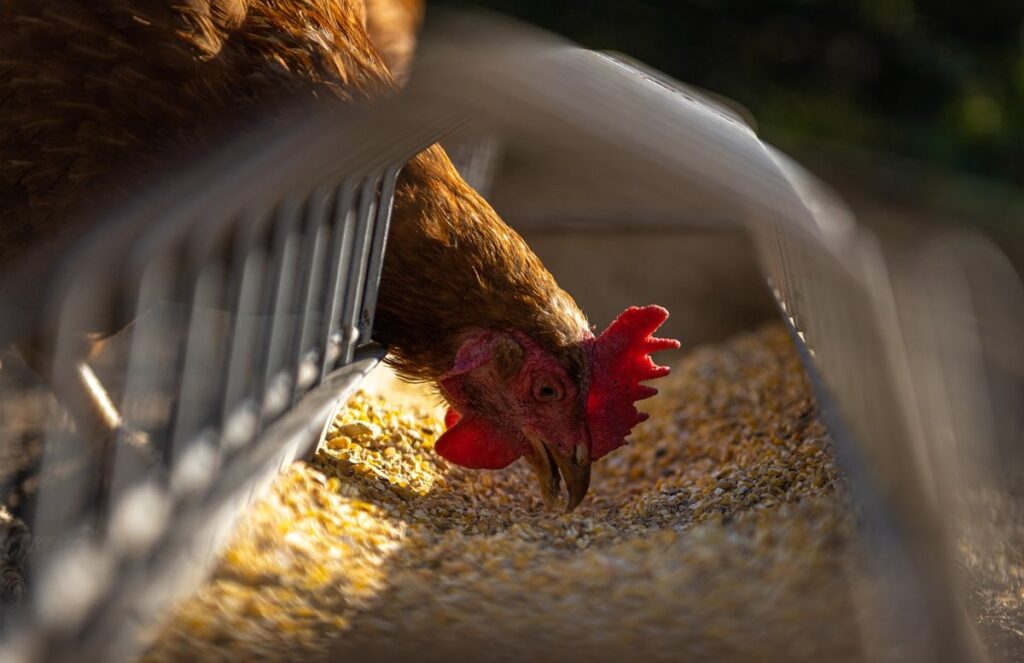
Scratch grains are a type of grain that’s typically made up of broken pieces and other fragments of whole grains. They can be oats, barley, wheat, or rye, and they’re often less expensive than whole grains due to their imperfect shape and size. For chickens, scratch grains provide an essential source of nutrition that complements their regular layer feed.
Nutritionally speaking, scratch grains are a good source of fiber, vitamins, and minerals, including iron, zinc, and B vitamins. They also contain a decent amount of protein, which is vital for maintaining healthy feathers, eggs, and overall health. When fed in moderation as part of a balanced diet, scratch grains can even help to reduce the risk of certain health problems in chickens.
To incorporate scratch grains into your flock’s diet, consider adding them to their feeder as an occasional treat or supplementing their regular feed with a mix of whole and broken grains. This will not only provide essential nutrients but also offer a change of pace for your birds.
Types of Scratch Grains Available
When it comes to choosing scratch grains for your flock, you’ll find that there are several types available in the market. Among the most popular ones are oats, barley, and wheat.
Oats are a great choice as they’re high in fiber and low in protein, making them an excellent option for birds that require a balanced diet. They’re also relatively inexpensive compared to other grains. However, it’s essential to note that oats can be more prone to mold if not stored properly.
Barley is another widely used scratch grain that’s rich in nutrients like iron, phosphorus, and manganese. It’s an excellent option for birds that require a boost of energy. Barley is also known to have a longer shelf life compared to other grains, making it a convenient choice.
Wheat is the most commonly consumed grain globally and is often used as a scratch grain due to its affordability and nutritional value. However, some farmers may find it challenging to digest wheat in large quantities, so moderation is key. Ultimately, the type of scratch grain you choose will depend on your flock’s specific needs, your budget, and personal preferences.
Nutritional Benefits of Scratch Grains
Scratch grains are a nutritional powerhouse for your flock, providing essential vitamins and minerals that support healthy growth and development. Let’s dive into the specific benefits you can expect from feeding scratch grains.
Protein Content and Amino Acids
Scratch grains are an excellent source of protein and amino acids for your flock. These essential nutrients play a vital role in supporting chicken growth, maintenance, and overall health. When it comes to protein content, scratch grains typically contain between 10-15% crude protein, which is comparable to or even exceeds the levels found in commercial layer feeds.
The combination of essential amino acids (EAAs) in scratch grains is also noteworthy. These EAAs, including methionine, lysine, and threonine, are crucial for muscle growth, repair, and maintenance. Methionine, in particular, is often the first limiting amino acid in many commercial layer feeds, but scratch grains tend to have sufficient levels.
A study conducted by the University of California showed that scratch-fed hens had higher egg production rates compared to those fed commercial feeds. This can be attributed to the balanced nutrient profile, including adequate protein and amino acids, provided by scratch grains. To maximize the benefits of scratch grains in terms of protein content and amino acid supply, ensure you provide a varied mix of grains, such as oats, barley, and wheat, in your flock’s feed.
Fiber and Digestive Health
When it comes to maintaining a healthy digestive system, fiber plays a crucial role. Fiber acts as a natural scrubber, removing impurities and waste from the gut. In chickens, a diet lacking sufficient fiber can lead to issues such as coccidiosis, obesity, and even death. That’s why incorporating high-fiber scratch grains into your flock’s feed is essential.
Some of the best sources of fiber in scratch grains include wheat bran, oats, and barley. These grains not only provide fiber but also offer other essential nutrients like vitamins, minerals, and antioxidants. By including these grains in their diet, chickens can reap numerous benefits, including improved digestion, increased energy levels, and a reduced risk of diseases.
To ensure your flock is getting enough fiber from scratch grains, consider the following tips: include a mix of high-fiber grains in their feed, provide plenty of fresh water for easy digestion, and avoid overfeeding to prevent obesity. By incorporating these simple steps into your feeding routine, you can give your chickens the digestive health they deserve and enjoy a healthier, happier flock overall.
Vitamin and Mineral Content
Scratch grains are not only a cost-effective way to feed your flock but also provide an abundance of essential vitamins and minerals. Vitamin E is one of the key benefits, which plays a crucial role in maintaining healthy feathers and immune function. This vitamin is particularly important for young chickens as it helps them develop strong bones and muscles.
Calcium is another vital mineral present in scratch grains, supporting the development of strong eggshells. In fact, laying hens require around 2-3 grams of calcium per day to maintain peak egg production. You can enhance this benefit by sprinkling crushed oyster shells or dark leafy greens like kale and spinach into their feed.
Other important minerals found in scratch grains include zinc, iron, and potassium. Zinc supports overall immune function while iron is essential for carrying oxygen to the cells. Potassium helps regulate body fluids and maintain healthy muscle function. By incorporating scratch grains into your flock’s diet, you’re providing them with a natural and holistic approach to nutrition that can lead to improved health and well-being.
Tips for Introducing Scratch Grains into Your Chicken Feed
When adding scratch grains to your chicken feed, it’s essential to introduce them gradually and in small amounts to avoid digestive upset. Start by substituting 10-20% of their regular feed with scratch grains.
Gradual Introduction to Prevent Shock
When introducing scratch grains into your chicken feed, it’s essential to do so gradually to prevent digestive upset. If you suddenly switch to a full scratch grain diet, your flock may experience shock, leading to vomiting, diarrhea, or even life-threatening conditions like bloat.
To avoid this, start by mixing in small amounts of scratch grains with their regular feed. Aim for 10-20% scratch grains initially and gradually increase the proportion over the next few days or weeks. For example, you could follow a schedule where you add 5% more scratch grains to their diet every other day.
Monitor your flock’s response closely, observing their appetite, stool quality, and overall health. If you notice any adverse effects, slow down the introduction process or even revert back to their regular feed for a few days. This cautionary approach will allow your chickens’ digestive systems to adjust gradually, making the transition smoother and less stressful for both them and you.
Amounts to Add and Frequency of Feeding
When introducing scratch grains into your chicken feed, it’s essential to get the amounts right. A general rule of thumb is to start with a small percentage of scratch grain (around 5-10%) and gradually increase as needed based on your flock’s preferences. For example, if you’re adding corn or oats to their regular feed, aim for about 1/4 cup per bird per day.
As for the frequency of feeding, it’s best to provide scratch grains in moderation, ideally 2-3 times a week. This allows your chickens to get used to the new treats and prevents overfeeding. You can also consider adding scratch grains during certain activities, such as egg-laying or dust bathing, to make mealtime more engaging.
Remember to monitor your flock’s weight and overall health when introducing scratch grains. If you notice any changes, adjust the amounts accordingly. It’s also crucial to ensure that scratch grains don’t replace their regular feed completely – a balanced diet is still essential for optimal health.
Mixing with Other Foods for Variety
When introducing scratch grains into your chicken feed, it’s essential to vary their diet with other foods to ensure they receive a balanced nutrient intake. Mixing scratch grains with fruits and vegetables is an excellent way to provide your flock with the necessary vitamins and minerals.
Consider adding fruits like apples, berries, or melons to their scratch grain mix for a sweet treat. Apples are particularly beneficial as they contain fiber, which can help support digestive health in chickens. On the other hand, leafy greens such as kale or spinach are packed with calcium, essential for maintaining strong eggshell quality.
Aim to incorporate at least 10-20% of fresh produce into their scratch grain mix. For example, if you’re using a mix of wheat, oats, and barley as your main scratch grains, consider adding chopped carrots, sweet potatoes, or squash to make up about 1/5 of the total mixture.
Health Considerations and Potential Risks
When feeding scratch grains to your flock, there are some essential health considerations you should be aware of. We’ll explore these potential risks and how to minimize them for a healthy and happy flock.
Risk of Overfeeding and Obesity
When it comes to feeding scratch grains to your flock, one crucial aspect to consider is the risk of overfeeding and contributing to obesity in chickens. This is a common issue many backyard chicken keepers face, especially if they’re not monitoring their birds’ food intake closely.
Overfeeding can lead to a range of health problems, including heart disease, diabetes, and reproductive issues in hens. A study published by the Journal of Applied Poultry Research found that 30% of laying hens were overweight or obese, which significantly impacted their egg-laying abilities.
To avoid this issue, it’s essential to understand your birds’ nutritional needs and feeding patterns. Provide a balanced diet with limited scratch grains as treats (about 10-15% of their daily intake). Monitor their food intake closely, and adjust the amount accordingly based on age, breed, and activity level.
For instance, if you have young pullets or breeding stock, they require less energy-rich foods to prevent excessive weight gain.
Allergies and Intolerances
When it comes to feeding scratch grains to your flock, there are potential allergies and intolerances that you should be aware of. Scratch grains can cause allergic reactions in some birds, similar to how peanuts can affect humans. Common allergens found in scratch grains include corn, wheat, and soy.
If your birds exhibit symptoms such as labored breathing, lethargy, or skin irritation after consuming scratch grains, it may be an indication of an allergy or intolerance. Some birds might also experience gastrointestinal issues like diarrhea or vomiting due to intolerances.
To minimize the risk of allergies and intolerances in your flock, introduce new foods gradually. Start with a small amount and monitor their behavior closely. You can also consult with a veterinarian for guidance on choosing the best scratch grains for your specific breed and size of birds. Be sure to keep an eye out for any unusual behaviors or symptoms that may indicate an issue.
Parasite and Disease Prevention
When introducing new foods like scratch grains to your flock, it’s essential to take steps to prevent parasites and diseases. One common concern with feeding scratch grains is the risk of internal parasites, such as coccidiosis and histomoniasis, which can spread quickly among birds.
To minimize this risk, ensure that your chickens have access to clean water at all times, as this helps them stay hydrated and flush out any potential toxins. Also, maintain a clean and well-ventilated coop to reduce the likelihood of disease transmission.
Consider adding supplements or probiotics to their diet to promote digestive health and boost their immune system. For example, you can mix in some crushed oyster shells or eggshells into their scratch grains to provide essential minerals and support healthy gut bacteria.
Regular monitoring of your flock’s behavior, droppings, and overall health is also crucial in detecting any potential issues early on. If you notice changes in appetite, energy levels, or egg production, consult with a veterinarian for professional advice.
Feeding Scratch Grains for Specific Life Stages
When it comes to feeding scratch grains, knowing what’s best for your flock at different stages of life is crucial. This section will break down the specifics of feeding scratch grains for chicks, pullets, laying hens, and seniors.
Starter Chickens (0-4 Weeks)
When it comes to feeding scratch grains to starter chickens (0-4 weeks old), it’s essential to provide a balanced and nutritious diet that meets their unique needs during this critical growth period. At this stage, chicks are rapidly developing their digestive system, immune function, and feathering.
The amount of scratch grain your starter chickens should receive varies depending on their age and individual needs. As a general guideline, chicks under 2 weeks old should be started on a commercial chick starter feed as the main staple, with small amounts of scratch grains (about 10-15% of their diet) introduced gradually to prevent digestive upset.
Between 2-4 weeks, you can increase the proportion of scratch grain in their diet to about 50-60%. However, it’s crucial to ensure they’re getting adequate protein and nutrients by supplementing with a high-quality chick starter feed or adding other nutrient-rich ingredients like mealworms or sunflower seeds. Monitor your flock closely for signs of overeating or under-eating and adjust the amounts accordingly.
Grower Chickens (5-16 Weeks)
For grower chickens (around 5-16 weeks old), it’s essential to increase the amount and frequency of feeding scratch grains. At this stage, they require more energy to support their rapid growth and development. A good rule of thumb is to provide around 10-15% of their daily calorie intake through scratch grains.
Aim to feed your grower chickens a mix of 1/4 to 1/2 cup of scratch grains per bird, two to three times a day. You can start by incorporating more scratch grains into their diet as they approach the 8-week mark and adjust accordingly based on their individual needs. Keep in mind that overfeeding can lead to health issues, so monitor their weight and overall well-being closely.
It’s also crucial to ensure your grower chickens have access to fresh water at all times. A general guideline is to provide a minimum of 1/4 cup of scratch grains per pound of body weight daily, adjusted for their individual energy needs. This will help you maintain a balanced diet and support healthy growth in your flock.
Layer Chickens (17+ Weeks)
As layer chickens (17+ weeks) reach maturity, their nutritional needs shift to support optimal egg production and overall health. Scratch grains can be a valuable addition to their diet during this stage.
Layer hens require more protein and calcium to produce high-quality eggs, which scratch grains can provide in abundance. For example, adding oats, barley, or rye to their feed can boost their energy levels and encourage them to forage for nutritious foods. This, in turn, can lead to an increase in egg production and better overall health.
When incorporating scratch grains into your layer chickens’ diet, be sure to provide a mix of grains that include calcium-rich ingredients like oyster shells or crushed eggshells. This will help support their bone health and prevent issues like egg binding or soft-shelled eggs. Aim for a 10-20% inclusion rate of scratch grains in their daily feed, gradually increasing the proportion as they become accustomed to the new diet.
Common Mistakes to Avoid When Feeding Scratch Grains
Feeding scratch grains can be a great way to supplement your flock’s diet, but there are some common mistakes to watch out for when doing so. Let’s take a look at what not to do.
Overreliance on Scratch Grains as Sole Source of Nutrition
Feeding scratch grains as the sole source of nutrition can have devastating consequences for your flock. It’s essential to understand that scratch grains are designed to supplement their diet, not replace it entirely. Relying solely on scratch grains for nutrition can lead to nutrient deficiencies and related health issues.
For example, a diet consisting only of scratch grains may lack sufficient protein, calcium, or other vital nutrients necessary for optimal health. This is because scratch grains are often formulated with fillers and by-products that don’t provide the same nutritional value as whole grains. In severe cases, this can lead to issues such as stunted growth, weakened immune systems, and an increased risk of disease.
To avoid this pitfall, it’s crucial to strike a balance between scratch grains and other nutrient-rich foods. Consider adding fruits, vegetables, seeds, and live greens to their diet or incorporating probiotics and supplements as needed. This will ensure your flock receives the well-rounded nutrition they require for optimal health and productivity. Always consult with a veterinarian or poultry expert to determine the best feeding strategy for your specific flock.
Failure to Provide Adequate Clean Water
When it comes to feeding scratch grains to your flock, it’s easy to focus on the grains themselves and overlook one of the most essential components of a healthy diet: clean, fresh water. However, providing adequate water is just as crucial as offering scratch grains. In fact, a lack of access to clean drinking water can lead to serious health issues in chickens, including dehydration, kidney damage, and even death.
To put this into perspective, consider that chickens need around 1/2 cup of water per pound of body weight daily. For example, if you have a flock of laying hens weighing an average of 3 pounds each, they’ll require at least 1.5 cups of water per bird every day. To avoid any potential issues, make sure to provide your flock with clean water at all times. Change the water frequently to prevent bacterial growth and consider using a waterer with a built-in filter or water purification system to ensure maximum purity.
Conclusion and Call-to-Action
Now that you’ve learned about the benefits and basics of feeding scratch grains to your flock, it’s time to put this knowledge into action. If you’re looking to supplement your chickens’ diet with some extra nutrition and variety, consider adding scratch grains to their menu. Not only will they love pecking at these tasty treats, but you’ll also be giving them a boost of energy and helping to promote healthy digestion. Don’t forget to introduce new foods gradually to prevent digestive upset – start with small amounts and monitor your flock’s response before increasing the quantity.
To get started, simply scatter scratch grains around their coop or run, or mix them into their regular feed for an added treat. Experiment with different types of scratch grains, like oats, barley, or wheat, to see which ones your flock prefers. With a little creativity and experimentation, you can provide your chickens with a well-rounded diet that’s both healthy and fun.
Frequently Asked Questions
Can I use scratch grains as a replacement for my chickens’ regular layer feed?
Yes, but it’s crucial to understand that scratch grains are meant to be a supplement, not the sole source of nutrition. They should make up no more than 10% of your flock’s daily diet to ensure they receive all necessary nutrients.
How do I know if my chickens have allergies or intolerances to scratch grains?
Monitor their behavior and health closely after introducing scratch grains into their diet. Look for signs like lethargy, loss of appetite, or changes in droppings. If you notice any adverse reactions, consult with a veterinarian to determine the best course of action.
What’s the ideal age range for starting chickens on scratch grains?
You can start offering scratch grains as early as 4-6 weeks old, but it’s essential to introduce them gradually to prevent digestive upset. For younger chicks (0-4 weeks), focus on a starter feed with high nutrient content and supplement with small amounts of scratch grains.
Can I mix scratch grains with other foods like fruits or vegetables?
Yes, mixing scratch grains with other healthy treats can add variety to your flock’s diet and encourage foraging behavior. Just be sure to introduce new foods gradually to prevent digestive issues. Avoid overfeeding, as this can lead to obesity and related health problems.
How often should I feed scratch grains to my chickens, especially during breeding or egg-laying seasons?
For optimal results, offer scratch grains 2-3 times a week, depending on your flock’s size and individual needs. During breeding or high-production periods, you may need to increase the frequency or amount of scratch grains to support their energy requirements. Consult with a veterinarian for personalized advice.