
If you’re among the many people who delight in watching wild ducks at your local pond or park, you’ve probably wondered what to feed them. While it might be tempting to offer these beautiful birds a treat from your pocket, it’s essential to know that their dietary needs are quite specific. Feeding wild ducks requires more than just tossing some bread into the water – it’s about understanding what they need to stay healthy and thrive. In this article, we’ll dive into the best foods for wild ducks, including fruits, veggies, grains, and even discuss the importance of maintaining good water quality. By the end of our comprehensive guide, you’ll be equipped with the knowledge to make informed decisions about how to feed these amazing creatures, ensuring their well-being is your top priority.
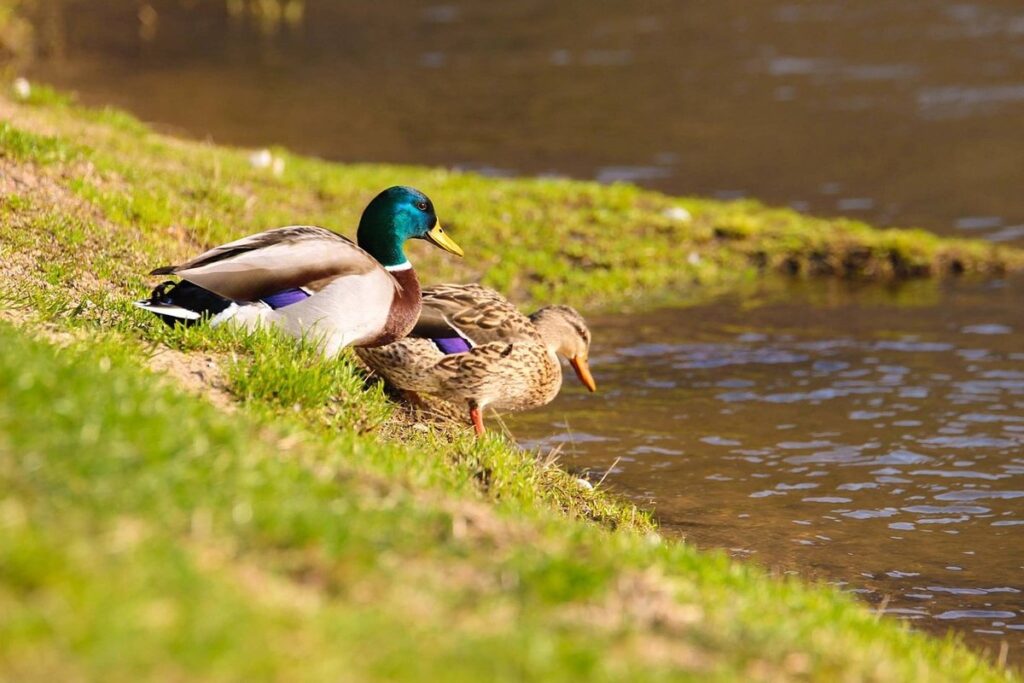
Understanding Duck Nutrition and Needs
Understanding what wild ducks need to thrive is essential when deciding what to feed them. Let’s dive into the basics of duck nutrition to ensure you’re providing the best possible care for these fascinating birds.
Importance of Proper Feeding in Duck Care
Proper feeding is essential for maintaining the health and well-being of wild ducks. A diet rich in nutrients helps them maintain their energy levels, ensuring they can fly, swim, and engage in other vital activities. If left unattended, malnutrition can lead to various issues such as feather loss, lethargy, and susceptibility to diseases.
Wild ducks require a balanced diet that includes proteins, carbohydrates, and essential vitamins. A mix of aquatic plants, insects, and small crustaceans provides the necessary nutrients. Avoid feeding them bread or other processed foods as they lack nutritional value and can lead to dependence on humans for food.
In their natural habitat, wild ducks forage for food during early morning and evening hours. You can replicate this by providing a mix of grains such as oats and barley along with vegetables like leafy greens and fruits like berries. Fresh water is also crucial, so ensure they have access to clean drinking water at all times.
A healthy diet will not only keep wild ducks thriving but also help them coexist peacefully in their environment. By feeding them the right food, you’re contributing to their overall well-being and allowing them to live as naturally as possible.
Common Mistakes to Avoid When Feeding Wild Ducks
When interacting with wild ducks, it’s easy to make feeding mistakes that can have serious consequences for their health. One common error is overfeeding, which can lead to obesity and related problems such as joint pain and digestive issues. On the other hand, underfeeding can cause malnutrition and weaken the duck’s immune system.
Another mistake is relying on high-calorie foods like bread, crackers, or chips, which may seem appealing but are nutritionally empty. These foods provide a quick energy boost but offer no long-term benefits for the ducks’ well-being. In fact, over-reliance on these snacks can even displace their natural diet and lead to nutritional deficiencies.
To avoid these pitfalls, it’s essential to understand what wild ducks need in terms of nutrition. A balanced diet should include a mix of aquatic plants, insects, and small invertebrates. If you must supplement their food, choose nutrient-rich options like cracked corn or oats. Always feed in moderation and observe the duck’s response to ensure they’re getting enough to eat without overindulging.
Choosing the Right Foods for Wild Ducks
When it comes to feeding wild ducks, choosing the right foods is crucial. You want to make sure they’re getting a balanced diet that’s easy to digest and nutritious for them.
Fresh Fruits and Vegetables as a Healthy Option
When it comes to providing healthy options for wild ducks, fresh fruits and vegetables are an excellent choice. These nutrient-rich foods offer a range of benefits that can enhance the health and well-being of these fascinating creatures.
Wild ducks require a diverse diet that includes essential vitamins, minerals, and antioxidants. Fresh fruits like berries (strawberries, blueberries, raspberries), apples, and bananas provide a good source of fiber, vitamins C and K, and potassium. Leafy greens such as kale, spinach, and collard greens are rich in iron, calcium, and vitamins A and E.
Other options include sliced carrots, chopped bell peppers, and diced cucumbers, all of which can be safely given to wild ducks in moderation. You can also offer fresh corn on the cob or cooked and mashed sweet potatoes as treats.
When introducing new foods, it’s essential to do so gradually to prevent digestive upset. Start by offering a small portion (about 10-20% of their total diet) and monitor their response before increasing the amount.
Grains and Seed Mixes for Added Nutrition
When it comes to feeding wild ducks, grains and seed mixes play a crucial role in providing them with essential vitamins, minerals, and proteins. A well-balanced mix of grains such as oats, barley, and wheat can help meet their nutritional needs. However, not all grain mixes are created equal.
A good quality grain mix for wild ducks should include a variety of grains, seeds, and nuts that cater to their specific dietary requirements. Look for mixes that contain ingredients like sunflower seeds, millet, and pumpkin seeds, which are rich in healthy fats and proteins. You can also consider adding some fruits like berries or apples to provide essential vitamins and minerals.
In addition to providing a balanced mix of grains and seeds, it’s equally important to avoid overfeeding wild ducks. A general rule of thumb is to offer no more than 1/4 cup of grain mix per duck per day. This will not only prevent overfeeding but also encourage them to forage for food in their natural habitat.
It’s also worth noting that some store-bought seed mixes may contain fillers and preservatives, which can be detrimental to the health of wild ducks. Opting for a homemade or organic mix is often a better choice.
Fruits That Are Safe and Healthy for Wild Ducks
When it comes to feeding wild ducks, it’s essential to know which fruits are not only safe but also provide a balanced diet. Let’s dive into some healthy fruit options for our feathered friends.
Berries: A Nutritious Favorite Among Ducks
Berries are an excellent choice for wild ducks, offering numerous nutritional benefits that can supplement their natural diet. Rich in antioxidants, fiber, and essential vitamins, berries provide a much-needed boost to these beautiful birds. When selecting berries for wild ducks, it’s crucial to choose varieties that are safe and free from pesticides or other chemicals.
Wild strawberries, blueberries, raspberries, and blackberries are all great options, but be sure to pick them from areas with minimal pesticide use. A good rule of thumb is to opt for organic berries when possible, as they tend to have lower pesticide residue levels. When introducing berries to wild ducks, start by offering a few fresh or frozen ones near their favorite feeding spots.
Begin with small amounts to gauge the birds’ interest and tolerance. Monitor their behavior and adjust your offerings accordingly. For instance, if you notice a flock of ducks eagerly devouring wild strawberries one morning, consider adding more varieties to their menu in subsequent days. Remember to only offer berries as an occasional treat, as they should not replace their natural diet.
Melons and Other Soft Fruits as Treats
When it comes to feeding wild ducks, it’s essential to consider melons and other soft fruits as occasional treats. These fruits can provide a welcome change of pace for our feathered friends, but moderation is key.
Some popular options for soft fruits that are safe for wild ducks include watermelon, cantaloupe, honeydew, strawberries, blueberries, and raspberries. When offering these fruits, make sure to remove any seeds or rinds, as they can cause digestive issues.
When feeding melons and other soft fruits, be mindful of the duck’s overall diet. These treats should not exceed 10% of their daily intake, with a maximum serving size of about one tablespoon per duck per day. Overindulging in these sweet treats can lead to an imbalance of essential nutrients in the wild duck’s diet.
When introducing new soft fruits, do so gradually and in small amounts to prevent digestive upset. Also, ensure that the fruits are fresh and not spoiled, as this can be detrimental to the duck’s health. By offering melons and other soft fruits in moderation, you can provide a delightful treat for your wild ducks while maintaining their overall well-being.
Vegetables That Are Good for Wild Ducks
When it comes to supplementing your wild duck friends’ natural diet, there are some fantastic vegetables that can provide essential nutrients and keep them happy and healthy. Let’s explore some of our favorite veggie options.
Leafy Greens for a Balanced Diet
Leafy greens are an essential component of a balanced diet for wild ducks. These plants provide a rich source of vitamins A, C, and K, as well as minerals like calcium and iron. Incorporating leafy greens into their diet can help maintain the duck’s overall health and prevent deficiencies.
Some examples of beneficial leafy greens include kale, collard greens, spinach, and mustard greens. When introducing these foods to wild ducks, it’s essential to do so gradually to avoid overwhelming their digestive system. Start by offering a small amount, mixed with their regular food, to gauge their acceptance. You can also try adding leafy greens to their water, as some ducks prefer to forage in this way.
To ensure safe introduction, choose fresh leaves free of pesticides and wash them thoroughly before use. A good starting point is to offer 10-15% of the duck’s daily ration as leafy greens, adjusting according to their preference and response. This will help maintain a balanced diet while minimizing the risk of overfeeding or underfeeding.
Root Vegetables as a Nutrient-Rich Option
Root vegetables are an excellent addition to a wild duck’s diet, offering a rich source of essential nutrients. They’re particularly beneficial during the winter months when other food sources may be scarce. For instance, sweet potatoes provide vitamin A and fiber, while carrots are high in beta-carotene and antioxidants.
When introducing root vegetables to your wild duck population, start by incorporating small amounts into their existing diet. Gradually increase the serving size as they become accustomed to this new food source. It’s also crucial to choose fresh, organic produce free from pesticides and other chemicals that can harm the birds.
Some recommended root vegetables for feeding wild ducks include beets, turnips, rutabagas, and parsnips. Boil or steam these vegetables before offering them to prevent digestive issues. A general rule of thumb is to offer about 10-15% of their daily diet in root vegetables.
Grains That Can Be Offered to Wild Ducks
When it comes to offering grains, wild ducks have specific preferences that can be easily met by providing them with a few staple options. Some of these grains are surprisingly easy to find and provide all the nutrients they need.
Oats and Barley: A Good Start
Oats and barley are excellent grains that can be safely offered to wild ducks as part of their balanced diet. Both are high in fiber, which is essential for maintaining healthy digestion and preventing problems such as gizzard impaction. Oats are particularly rich in iron, a vital mineral that helps support the duck’s immune system.
When feeding oats or barley to wild ducks, it’s crucial to remember that they should be offered in moderation. A good starting point is to provide about 1-2 tablespoons per duck, mixed with other nutrient-rich foods like leafy greens and fruits. You can also soak the grains overnight to make them easier for the birds to digest.
Some tips to keep in mind when feeding oats or barley include choosing whole grain varieties over processed ones, avoiding moldy or spoiled grains, and providing a constant supply of fresh water. By incorporating these nutritious grains into your wild duck feeding routine, you can help support their overall health and well-being. Always remember to observe and respect the local regulations regarding wild bird feeding.
Other Grains for Additional Nutrition
In addition to oats and barley, there are several other grains that can provide valuable nutrients for wild ducks. Wheat is another excellent option, rich in protein and fiber. However, it’s essential to use wheat in moderation, as excessive consumption can lead to an imbalance of certain nutrients.
Corn can also be a beneficial additive, but it should be given sparingly due to its high sugar content. A general rule of thumb is to limit corn intake to no more than 10-15% of the duck’s overall diet. This will help prevent digestive issues and maintain optimal health.
Millet is another grain worth considering, particularly for its ease of digestion and high energy content. It can be offered in small amounts, mixed with other grains or seeds, to provide a nutritious boost to wild ducks.
When incorporating these alternative grains into your duck-feeding regimen, remember to introduce them gradually to prevent digestive upset. A recommended starting point is to mix 25% of the new grain with existing feed and observe the duck’s response before increasing the proportion.
Water Quality and Accessibility for Wild Ducks
When it comes to feeding wild ducks, access to clean water is just as important as a nutritious diet. Let’s dive into how you can help ensure they have both.
The Importance of Clean Drinking Water
When it comes to feeding wild ducks, many of us focus on providing them with nutritious food, but we often overlook a crucial aspect of their well-being: access to clean drinking water. Just like humans, wild ducks need fresh water to survive, and contaminated water can be detrimental to their health.
To ensure that the ducks have access to clean drinking water, it’s essential to create a separate source for them to drink from. This can be as simple as placing a shallow dish or birdbath filled with fresh, cold water in a safe location. However, it’s equally important to avoid using tap water as it may contain chemicals and heavy metals that can harm the ducks.
A good rule of thumb is to use rainwater collection systems or filtered water sources, such as a Brita filter, to provide clean drinking water for the wild ducks. You can also consider using natural water features like ponds or streams if they are free from pollutants. By providing your feathered friends with access to fresh, clean drinking water, you’re taking an important step in supporting their overall health and well-being.
Pond and Lake Care for Healthy Duck Habitats
When it comes to creating a thriving environment for wild ducks, pond and lake care is just as crucial as knowing what to feed them. In fact, a healthy habitat is essential for the well-being of these wonderful birds. One critical aspect of maintaining a duck-friendly environment is ensuring good water quality.
To monitor your pond or lake’s water quality, start by checking its pH levels regularly. A pH range of 6.5-8.5 is ideal for most duck species. You can purchase a DIY pH testing kit online or consult with a local pet store expert to determine the best method for your specific water type.
In addition to pH monitoring, you should also be aware of other factors that affect water quality, such as algae growth and nutrient levels. To keep these in check, consider implementing regular water changes (about 10-20% every week) and controlling vegetation around the pond or lake’s edge. This will help maintain a balanced ecosystem and prevent excessive nutrient buildup.
By taking care of your pond or lake, you’ll be creating a haven for wild ducks to thrive. Remember, healthy habitats start with clean and well-maintained water – so get started today!
Conclusion and Final Tips
Now that you’ve learned what foods are safe for wild ducks, let’s wrap up with some final tips to ensure their well-being in your backyard.
Recap of Key Points for Feeding Wild Ducks
When it comes to feeding wild ducks, there are several key points to remember. First and foremost, it’s essential to provide a balanced diet that meets their nutritional needs. This includes offering a mix of grains, fruits, and vegetables, such as oats, barley, and wheat berries, alongside fresh produce like apples, carrots, and leafy greens.
When introducing new foods, do so gradually to prevent digestive issues. Also, be sure to avoid overfeeding, as this can lead to dependency on humans and disrupt the natural food chain. Remember that wild ducks have specific dietary needs based on their species, age, and season, so it’s crucial to tailor your feeding approach accordingly.
Consider using a duck-specific feed or pellets in addition to fresh produce, especially during breeding season when they require more energy-rich foods. Additionally, always clean up after yourself to avoid attracting other wildlife and maintaining a safe environment for both humans and ducks. By following these guidelines, you can enjoy feeding wild ducks while promoting their overall health and well-being.
Additional Considerations and Precautions
When interacting with wild ducks, it’s essential to consider their natural behavior and habitat. Avoid feeding them near water sources that may be contaminated with pollutants or toxic substances. Instead, opt for secluded areas where they can feed safely.
If you’re concerned about the health of local duck populations, consider reporting any dead birds to your local wildlife authority. This will help identify potential threats such as disease outbreaks or environmental pollution. Keep an eye on nearby construction sites and industrial areas, which may pose a risk to ducks due to noise, light pollution, or habitat destruction.
In addition, be mindful of the time of year when feeding wild ducks. During breeding season (typically spring and early summer), it’s best to minimize human interaction to avoid stressing the birds. Similarly, during molting periods, ducks may not be able to fly efficiently, making them more vulnerable to predators.
Frequently Asked Questions
Can I feed wild ducks bread as a quick solution?
Yes, it’s best to avoid feeding wild ducks bread altogether, as it lacks essential nutrients and can cause health problems when consumed excessively.
How often should I provide fresh water for the ducks?
It’s crucial to ensure that the water quality is consistently good. Change the water frequently, ideally every 2-3 days, to keep the water clean and free from contamination.
What if I notice some wild ducks are eating specific foods faster than others? Should I replenish them immediately?
If you observe that certain food options are being consumed quickly, consider replenishing them at a more frequent interval. This ensures all ducks have access to a balanced diet and can help prevent competition among the birds.
How do I know if the wild ducks in my area are getting too much of a specific food item?
Monitor the behavior and health of the ducks. If you notice any signs of malnutrition, such as feather loss or lethargy, adjust their diet accordingly to ensure they’re receiving a balanced intake of nutrients.
Can I feed wild ducks during extreme weather conditions like heavy rain or intense heat?
It’s essential to consider the environmental conditions before feeding wild ducks. During heavy rain, it may be challenging for them to access food and water comfortably. In hot weather, provide extra hydration by offering fresh water and avoiding high-starch foods that can cause digestive issues.