
Feeding your ducks a balanced diet is crucial for their overall health and well-being. A poorly planned diet can lead to various health issues, from malnutrition to diseases, which can be devastating for you and your feathered friends. But with so many options available, it’s easy to get confused about what to feed your ducks. Do you know that commercial duck pellets are not enough on their own? They’re just the starting point. To provide a complete diet, you’ll need to consider adding supplements and fresh foods to ensure your ducks receive all the necessary nutrients. In this article, we’ll break down the types of feed, supplements, and fresh foods to include in your ducks’ diet, helping you avoid common health issues associated with poor nutrition.
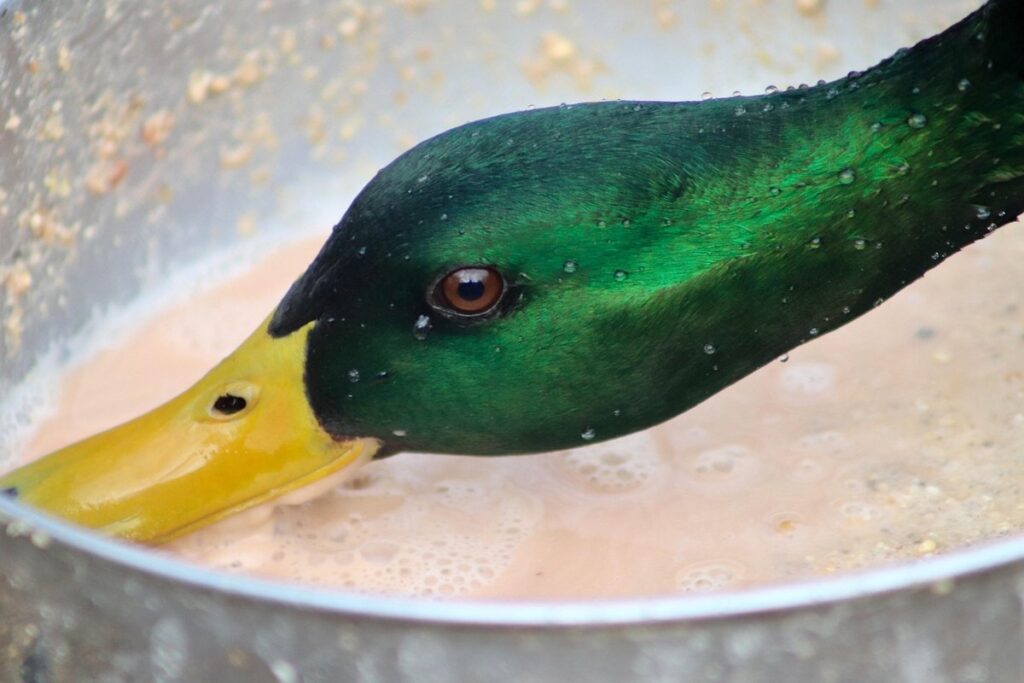
Understanding Duck Nutrition Basics
When it comes to feeding your ducks, understanding their nutritional needs is crucial for keeping them healthy and happy. In this section, we’ll break down the basics of duck nutrition so you can provide a balanced diet for your feathered friends.
The Importance of a Balanced Diet
Providing a balanced diet is crucial for maintaining your ducks’ health and well-being. A well-rounded diet ensures that they receive all the necessary nutrients to lead a healthy life. On the other hand, an imbalanced diet can lead to various health issues, ranging from simple feather plucking to more severe diseases.
For instance, ducks fed with high amounts of protein may develop gout or kidney stones due to excessive uric acid production. Similarly, a diet lacking essential vitamins and minerals can cause weakened immune systems, making them susceptible to infections. A lack of calcium in their diet can lead to softening of the bones, affecting their overall development.
A balanced diet for ducks should include a mix of grasses, leafy greens, aquatic plants, and grains. You can supplement their diet with commercial duck feed that provides all the necessary nutrients. However, it’s essential to stick to a recommended ratio to avoid overfeeding or underfeeding them.
Identifying Nutrient Deficiencies in Commercial Feed
When it comes to providing the best nutrition for your ducks, relying on commercial feed alone may not be sufficient. Many commercial duck feeds can be deficient in essential nutrients, which can lead to a range of health problems if left unaddressed.
One common deficiency found in commercial duck feed is calcium. Ducks require adequate calcium to maintain strong eggshell production and overall skeletal health. If your ducks are not receiving enough calcium, you may notice them showing signs of weakness, lethargy, and poor eggshell quality. In severe cases, a lack of calcium can lead to metabolic bone disease.
Another nutrient often lacking in commercial duck feeds is vitamin D3. Ducks need vitamin D3 to regulate calcium levels and maintain proper skeletal health. Without sufficient vitamin D3, your ducks may exhibit symptoms such as rickets, softening of the bones, or even seizures.
To identify nutrient deficiencies in commercial feed, monitor your ducks’ behavior, egg production, and overall health closely. If you notice any unusual signs or symptoms, consult with a veterinarian to rule out underlying issues. In addition, consider supplementing their diet with fresh fruits, vegetables, and grains to ensure they receive the nutrients they need.
Choosing the Right Food for Your Ducks
When it comes to feeding your ducks, the wrong food can lead to health problems and a dull life. Let’s dive into choosing the right foods that will keep them happy and thriving.
Types of Duck Feed: What’s Available?
When it comes to feeding your ducks, you’ll find a wide variety of options available in the market. These types of duck feed are specifically formulated to cater to different stages of your duck’s life cycle, ensuring they receive the necessary nutrients for optimal growth and health.
Starter feed is ideal for young ducklings, typically up to 8 weeks old. It provides a balanced mix of protein, energy, and essential vitamins and minerals for rapid growth and development. Look for starter feeds with around 18-20% protein content to support their high energy requirements.
Grower feed is designed for ducks between 8-16 weeks old. As they transition from ducklings to adults, grower feed offers a slightly lower protein content of around 15-17%, promoting continued growth without overloading on nutrients.
Layer feed is formulated specifically for mature hens, providing the right balance of calcium and phosphorus for strong eggshell production.
Organic vs. Non-Organic Feed Options
When it comes to choosing feed for your ducks, one of the main decisions you’ll need to make is whether to opt for organic or non-organic options. Both types have their pros and cons, which we’ll break down below.
Organic feed is made from ingredients that are free from pesticides, synthetic fertilizers, and genetically modified organisms (GMOs). This type of feed tends to be more expensive than its non-organic counterpart but offers several benefits for your ducks’ health. For instance, organic feed can reduce the risk of pesticide poisoning in your flock. However, it’s essential to note that not all organic feed is created equal – look for products that are certified by reputable organizations like the USDA Organic or the European Union’s Organic Farming logo.
Non-organic feed, on the other hand, may be cheaper upfront but can expose your ducks to potential health risks. These feeds often contain GMOs, which have been linked to various health issues in birds. However, non-organic feed can still provide adequate nutrition for your ducks if you choose a reputable brand and follow proper feeding guidelines.
Ultimately, the decision between organic and non-organic feed comes down to your personal preferences and priorities. If you’re concerned about your ducks’ health and are willing to invest in their well-being, organic may be the better choice. But if budget is a concern and you can find a reliable non-organic brand, that’s okay too – just make sure to follow proper feeding guidelines and monitor your flock’s health closely.
Supplementing Your Ducks’ Diet
While it’s essential for ducks to have a varied diet, there are times when you’ll need to supplement their food with some extra nutrients and treats. We’ll explore some great options for boosting their nutrition in this next section.
What to Add (and Not to Add) to Their Food
When it comes to supplementing your ducks’ diet, there are several options you can consider adding to ensure they receive all the necessary nutrients. Vitamins and minerals are essential for maintaining good health, and deficiencies in these areas can lead to a range of problems.
Some common supplements that can be added to your ducks’ food include vitamin D3, which is crucial for bone growth and development, as well as calcium and phosphorus, which help maintain strong bones and teeth. Probiotics are another important addition, promoting digestive health and helping to prevent illnesses such as diarrhea and respiratory infections.
Another essential nutrient to consider adding is omega-3 fatty acids, which support heart health and reduce inflammation in the body. You can find these supplements in various forms, including powders and oils that can be mixed into your ducks’ food or given to them directly.
However, there are also several substances you should avoid adding to their diet altogether. These include raw or undercooked meat, eggs, and fish, which can contain bacteria such as Salmonella and E. coli that pose a significant risk to human health if ingested. Additionally, it’s essential to steer clear of moldy or spoiled food, which can lead to toxic poisoning in ducks.
On the other hand, there are some common additives you may come across when shopping for duck feed, but which aren’t actually beneficial or even safe for your birds. These include artificial colors and flavors, as well as added preservatives that can be detrimental to their health. By sticking to natural supplements and avoiding unnecessary additives, you can provide your ducks with the best possible nutrition.
Fresh Fruits, Vegetables, and Treats: A Guide
When it comes to adding variety to your duck’s diet, fresh fruits, vegetables, and treats are essential for their overall health and happiness. This section will explore the best options to incorporate into their daily meals.
Safe Options for Ducks to Enjoy
When it comes to providing your feathered friends with a balanced and nutritious diet, incorporating fresh fruits, vegetables, and treats can be an excellent way to ensure they stay healthy and happy. However, not all options are created equal – some items can even be detrimental to their well-being.
A great starting point is to consider the following safe fruits that you can feed your ducks:
• Apples: Diced or sliced apples make for a tasty snack, but be sure to remove any seeds or cores as they contain cyanide.
• Berries: Blueberries, strawberries, and raspberries are all excellent options – just be mindful of any stems or leaves that may cause digestive issues.
• Melons: Watermelon, cantaloupe, and honeydew melon can provide a refreshing treat during hot summer months.
When it comes to vegetables, some safe options for ducks include:
• Leafy greens: Kale, spinach, and collard greens are all excellent sources of fiber and vitamins.
• Carrots: Sliced or grated carrots make for a crunchy snack that’s rich in beta-carotene.
• Sweet potatoes: Cooked or raw sweet potatoes can provide essential nutrients.
For treats, you can consider the following:
• Mealworms: These nutritious insects can be given as an occasional treat to supplement their diet with protein.
• Oats: Rolled oats can be a healthy and filling snack for your ducks – just be sure to limit portion sizes.
In terms of quantity, aim to provide about 10-15% of their daily calorie intake from fruits and vegetables. For treats, use them sparingly as an occasional reward or supplement.
Managing Waterfowl-Related Health Issues
When it comes to caring for your feathered friends, understanding how to manage common health issues is crucial. This section will address potential problems and provide guidance on keeping your ducks healthy and thriving.
Common Problems Associated with Poor Diet
When it comes to managing health issues related to waterfowl, one of the most critical factors is their diet. A poor diet can lead to a range of common problems that affect ducks’ overall well-being and longevity.
One of the most noticeable consequences of inadequate nutrition is obesity in ducks. Ducks that are fed high-calorie foods regularly tend to become overweight or obese, which increases their risk of developing various health issues, including respiratory problems and heart disease. For example, a study found that overfeeding can lead to fat deposition in the liver and other organs, compromising the duck’s ability to regulate body temperature.
Vitamin deficiencies are another common problem associated with poor duck nutrition. Ducks require specific vitamins and minerals for optimal growth and development, but if their diet is lacking these essential nutrients, they may become susceptible to diseases such as rickets or a weakened immune system. A deficiency in vitamin B12, for instance, can lead to anemia, lethargy, and poor feather quality.
Gastrointestinal problems are also prevalent among ducks fed with low-quality feed. Ducklings are particularly vulnerable to gastrointestinal issues due to their sensitive digestive systems. Introducing new foods or water sources too quickly can disrupt the balance of their gut microbiome, leading to diarrhea, dehydration, and even death in severe cases. To prevent these issues, it is essential to introduce new foods gradually, monitor your duck’s stool quality, and maintain a clean and hygienic living environment.
By being mindful of the dietary needs of your ducks and making informed feeding decisions, you can help minimize the risk of common health problems related to poor nutrition.
Conclusion: A Healthy Balance for Your Ducks
In conclusion, creating a balanced diet for your ducks requires careful consideration of their nutritional needs. By providing a mix of commercial duck pellets, fresh vegetables, fruits, and whole grains, you can ensure they stay healthy and happy. For example, adding leafy greens like kale or spinach to their diet provides essential vitamins and minerals. Additionally, offering treats like mealworms or crickets can provide a fun and nutritious twist.
When planning your ducks’ meals, remember that moderation is key. A general rule of thumb is to allocate 1/4 cup of food per duck per day, with some flexibility depending on age and activity level. Keep in mind that too much of any one thing can be bad for their health, so it’s essential to strike a balance between treats and regular meals.
Frequently Asked Questions
What if I already have a flock, but they’re not getting the nutrients they need from their commercial feed?
It’s common for existing flocks to experience nutrient deficiencies due to subpar commercial feed. Start by conducting a thorough assessment of your ducks’ current diet and health. Then, gradually introduce balanced supplements and fresh foods to address identified deficiencies. Monitor their response closely and adjust your approach as needed.
How often should I rotate the types of fresh fruits and vegetables I provide for my ducks?
Rotating fresh produce regularly is crucial for maintaining a diverse nutrient intake. Aim to change the menu at least once a week, introducing new varieties while removing others to prevent overexposure to certain nutrients or allergens.
What’s the best way to store feed and supplements to maintain their nutritional value?
Proper storage of feed and supplements is vital to preserve their potency. Keep all foodstuffs in cool, dry areas away from direct sunlight and moisture. Store grains like oats, barley, and wheat in airtight containers to prevent spoilage.
Can I use household leftovers for my ducks’ treats?
While it’s tempting to repurpose leftover food, not all human scraps are safe for your feathered friends. Prioritize duck-safe options like leafy greens, fruits without pits or seeds, and low-sodium vegetables. Always check with a veterinarian before introducing new foods.
What if I have trouble finding organic or locally sourced feed options in my area?
Not everyone has access to local farmers’ markets or organic suppliers. Consider alternative sources for organic feed, such as online retailers that offer nationwide shipping. You can also reach out to local farmers or breeders who may be willing to provide information on their products or even sell them directly to you.