
When it comes to running a thriving backyard flock or commercial farm, understanding the needs and behaviors of your female chickens is crucial. Not only do they account for the majority of your egg-laying population, but their health and well-being directly impact the productivity and sustainability of your operation. However, many chicken keepers and farmers often overlook the unique characteristics and requirements of female birds in favor of more general advice.
In this article, we’ll dive into the world of female chicken behavior, exploring what drives their social interactions, stress levels, and overall health. We’ll also discuss expert insights on breeding practices specifically tailored to optimize egg-laying performance, reproductive longevity, and immune system resilience in females. Whether you’re a seasoned farmer or just starting out with backyard chickens, this guide will provide actionable advice to help you boost your flock’s well-being and productivity while minimizing stress and disease risks.
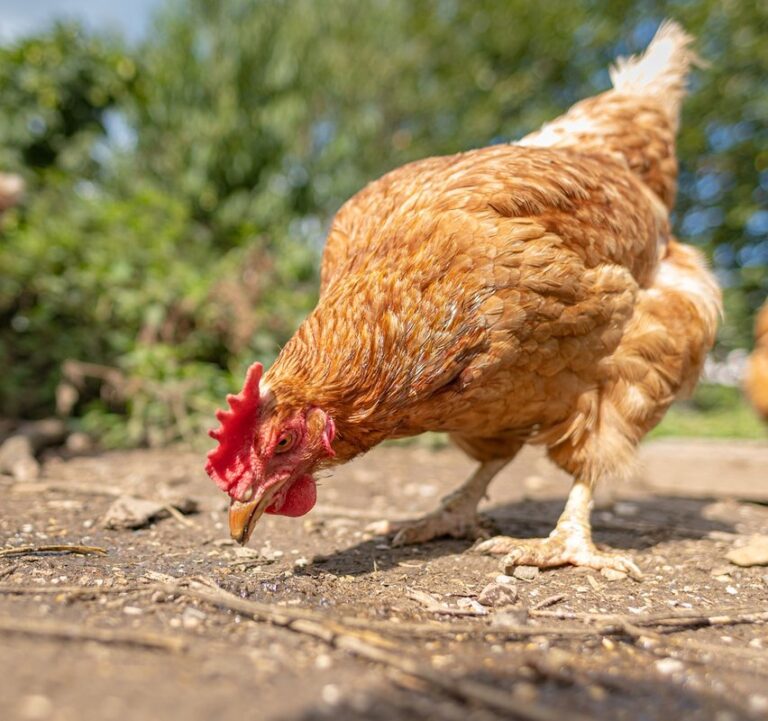
Introduction to Female Chickens
Let’s start by understanding the basics of female chickens, from their behavior and temperaments to their unique characteristics and needs. This section will give you a solid foundation to work with as we dive deeper into their world.
What is a Female Chicken?
A female chicken is one of the two primary categories of chickens, the other being male. In biological terms, a female chicken is identified by her reproductive system, specifically her ovaries and oviducts, which are responsible for producing eggs.
In poultry keeping, female chickens are often referred to as hens or pullets, with pullet typically referring to young females under one year of age. As they mature, these pullets will become adult hens. The term “hen” can also be used interchangeably with “female chicken,” but it’s more commonly used when discussing the reproductive aspect.
Understanding the biological and colloquial terms is crucial for poultry keepers, as it helps in differentiating between male and female chickens, which is essential for breeding programs. Female chickens are the primary egg producers, making them a vital part of any backyard or commercial flock.
Importance of Understanding Female Chickens
Understanding the behavior, health, and breeding aspects of female chickens is crucial for anyone involved in backyard farming, breeding, or simply caring for these amazing creatures. As a responsible chicken owner, it’s essential to grasp the unique characteristics and needs of hens to provide them with optimal care and ensure their well-being.
Female chickens have distinct personalities, temperaments, and requirements that differ significantly from those of roosters. For instance, some breeds are known to be more docile and easier to handle, while others can be quite feisty and require special attention. Understanding these differences is vital in selecting the right breed for your flock, managing their social dynamics, and preventing conflicts.
Moreover, recognizing signs of illness or stress in female chickens can save them from unnecessary suffering and prevent the spread of diseases within your flock. A basic understanding of reproductive health, molting cycles, and egg-laying patterns will also help you anticipate and address potential issues before they arise. By grasping these essential aspects of female chicken behavior, health, and breeding, you’ll be better equipped to provide a happy, healthy environment for your feathered friends.
Behavior and Temperament
Understanding a female chicken’s behavior and temperament is crucial for building trust, reducing stress, and creating a harmonious coop environment. Let’s explore what makes your girls tick.
Introduction to Chicken Behavior
Chickens are social creatures that thrive on interaction with their flock. Understanding their behavior is essential for providing them with a happy and healthy environment. The social structure of a chicken flock is often described as a pecking order, where dominant birds establish hierarchy over subordinate ones. This order is usually established through dominance displays, such as aggressive posturing, chasing, or vocalizations.
Female chickens are just as social as their male counterparts and require interaction with other hens to maintain good mental health. They communicate primarily through body language, including strutting, preening, and wing-flapping. Vocalizations also play a significant role in chicken communication, with different sounds indicating alarm, aggression, or courtship.
Chickens are natural foragers, so providing them with space to roam and search for food can help meet their physical and mental needs. Roosting is another common behavior, where chickens prefer to roost together at night, often in a designated coop area. Understanding these behaviors allows you to create an environment that encourages natural behavior and promotes overall well-being. By recognizing the importance of social interaction and providing adequate space for foraging, you can help your female flock thrive.
Female Chicken Behavior Patterns
Female chickens are known for their unique behavioral patterns, which are deeply ingrained in their natural instincts. One of the most fascinating aspects of female chicken behavior is nesting. As they mature, hens will often establish a preferred nesting spot within their coop or run, where they’ll lay their eggs. This nesting behavior is crucial for breeding purposes, as it allows you to determine the fertility and health of your flock.
Another important aspect of female chicken behavior is brooding. When a hen takes on a motherly role, she becomes fiercely protective of her chicks and will often sit on them for extended periods, keeping them warm and safe. This brooding instinct is essential for the development of young chickens and should be encouraged in breeding programs.
In addition to nesting and brooding, female chickens also establish a pecking order within their flock. Dominant hens will often lead the group, while submissive birds will follow their lead. Understanding this social hierarchy can help you manage your flock more effectively, ensuring a harmonious living environment for all your girls. By recognizing these behavioral patterns, you’ll be better equipped to care for and breed healthy, happy female chickens.
Addressing Aggression in Female Chickens
Female chickens can display aggression towards their flock members, which is often misattributed to dominance. However, it’s essential to recognize that aggression in hens is usually a result of stress, discomfort, or even health issues.
Some common signs of aggression in female chickens include pecking, chasing, and feather plucking. These behaviors can escalate quickly if left unaddressed. To identify the root cause, observe your flock’s behavior, environment, and living conditions. Are they competing for resources like food, water, or nesting boxes? Or are there underlying health issues that might be contributing to their aggression?
Prevention strategies involve creating a harmonious living space by providing sufficient resources, ample space to roam, and introducing new members gradually. Ensure proper ventilation, clean living quarters, and adequate lighting. You can also try separating aggressive hens from the rest of the flock temporarily or rearranging their enclosure to reduce stress.
If you suspect aggression is linked to health issues, consult a veterinarian for professional advice. By addressing these underlying causes and implementing prevention strategies, you can foster a more peaceful and harmonious coop environment.
Health Considerations
When it comes to keeping female chickens, their health is just as important as their behavior and breeding habits. This section will help you identify potential health risks and provide tips for maintaining your flock’s overall well-being.
Common Health Issues Affecting Female Chickens
Female chickens are prone to several health issues that can be detrimental to their well-being and egg production. One of the most common diseases affecting female chickens is Respiratory Infection, which can lead to symptoms such as labored breathing, sneezing, and coughing. To prevent this, ensure good ventilation in your coop, disinfect regularly, and provide a balanced diet.
Internal parasites like worms and mites are another significant concern for female chickens. Regular deworming treatments, using natural methods or medicated feed, can help control infestations. Lice and fleas also target female chickens, so maintain cleanliness in the coop and use diatomaceous earth to repel external pests.
Nutritional deficiencies can manifest as poor egg production, lethargy, or feather loss. A well-balanced layer feed should be your top priority. Include essential vitamins like calcium and vitamin D3 in their diet, particularly during breeding season when nutritional needs may increase. Regular health checks and monitoring of behavioral signs will enable early detection of any potential issues.
Maintaining Good Health through Nutrition
As you strive to provide optimal care for your female chickens, maintaining their good health through nutrition is crucial. A balanced diet serves as a foundation for overall well-being, and neglecting it can lead to various health issues.
The nutrient requirements of laying hens vary depending on factors like age, breed, and productivity level. For instance, calcium is essential for strong eggshell production, while protein supports muscle growth and maintenance. According to the National Research Council, laying hens require around 1-2% calcium in their diet to maintain optimal health.
To ensure your female chickens receive a balanced diet, follow these feeding guidelines: provide a starter ration (16-18% protein) until they are 20 weeks old, then transition them to a grower or layer feed (15-17% protein). You may also consider supplementing with oyster shells for an added calcium boost. Additionally, ensure access to fresh water at all times and maintain a clean feeding area to prevent bacterial growth.
Aim to offer a mix of grains like oats, barley, and wheat alongside high-quality protein sources such as soybean meal or fishmeal. Limit the use of fillers like corn and avoid overfeeding, which can lead to obesity and related health problems.
Recognizing Signs of Illness in Female Chickens
When it comes to recognizing signs of illness or stress in female chickens, being aware of their behavior, appetite, and droppings is crucial. Changes in these areas can often be the first indicators that something is amiss.
A decrease in appetite is a common sign of illness in hens. If your birds are not eating as much as usual, it could be due to several factors such as disease, parasites, or even stress caused by changes in their environment. Look for other signs like lethargy, loss of feathers, or labored breathing.
The quality and quantity of droppings can also indicate health issues. For example, a sudden change from regular brown droppings to soft, white, or pale yellow ones may signal kidney problems or an infection. Similarly, if you notice blood in the droppings, it could be an indication of internal parasites like worms.
If you suspect your hens are ill or stressed, check their behavior closely. Look for signs of panting, pacing back and forth, or making unusual sounds, which can indicate discomfort or pain.
Breeding and Genetics
Let’s dive into the fascinating world of breeding and genetics, where you’ll learn how to select the perfect traits for your flock and improve their health. We’ll explore the science behind it all.
Understanding Chicken Breeds and Bloodlines
When it comes to female chickens, understanding their breed and bloodline is crucial for not only their health but also their behavior and overall performance. Many people often confuse chicken breeds with bloodlines, but they are two distinct concepts.
Chicken breeds refer to the original purebred strains developed over centuries through selective breeding for specific characteristics such as egg-laying ability, size, plumage color, or temperament. For example, Leghorns were bred specifically for their high egg production and are known for laying an average of 300 large white eggs per year. On the other hand, Orpingtons were developed for their gentle nature and are often used as pets.
Bloodlines, on the other hand, refer to a specific lineage or family tree within a breed. A bloodline is essentially a group of chickens that have been bred from a common ancestor, with each generation being carefully selected and bred to enhance desired traits. This is where the term “fancy chicken” comes in – many backyard flock owners take pride in developing their own unique bloodlines by selecting for specific characteristics they want to see in their birds.
To give you an idea of how this works, let’s say you start with a female Leghorn from a reputable breeder. You keep her as a breeding bird and select the best males for breeding based on their performance and characteristics. Over time, your flock develops its own unique bloodline that is tailored to your specific needs and preferences.
In practical terms, knowing the breed and bloodline of your female chickens can help you predict their behavior, egg-laying capacity, and overall health. For instance, if you’re looking for a bird that will thrive in hot weather, you may want to opt for a heat-tolerant breed like the Brahma or Cochin.
When selecting breeding stock, it’s essential to do your research and choose birds from reputable breeders who have a proven track record of producing high-quality offspring. This is where online forums, chicken clubs, and specialty breed associations come in – they can provide valuable resources and guidance on selecting the right birds for your specific needs.
In conclusion, understanding the differences between chicken breeds and bloodlines is crucial for any backyard flock owner or breeder looking to improve their birds’ performance and health. By doing your research and selecting breeding stock carefully, you can develop a unique and thriving bloodline that meets your needs and exceeds your expectations.
Selecting the Right Breed for Your Flock
When it comes to selecting the right breed for your flock, there are several factors to consider. First and foremost, think about what you want to achieve with your backyard chicken-keeping endeavor. Are you looking to produce eggs or meat? Or perhaps you’re interested in showing your birds at local poultry clubs?
Consider the climate and living conditions in your area. Some breeds excel in hot weather, while others prefer cooler temperatures. If you live in a region with harsh winters, choose a breed that’s resistant to cold.
Another crucial factor is space. Different breeds require varying amounts of room to roam and exercise. For example, Silkies are friendly but take up more space than Leghorns. If you have limited yard space, opt for compact or dwarf breeds like the Polish or Japanese Bantam.
Ultimately, selecting a breed that aligns with your needs and preferences will ensure a harmonious and productive flock.
Genetic Considerations in Female Chickens
Genetic factors play a significant role in shaping the behavior, health, and productivity of female chickens. Inheritance patterns, such as Mendelian inheritance, dictate how traits are passed down from parents to offspring. For instance, if a female chicken is bred with a rooster that exhibits high egg production, their offspring may inherit this trait due to the dominant genetic locus.
Understanding these genetic factors can help breeders make informed decisions when selecting parents for breeding programs. They can identify and prioritize desirable traits, such as stress tolerance or disease resistance, which can improve overall flock health and productivity. For example, research has shown that certain breeds of female chickens have an increased resistance to diseases like Marek’s disease due to their genetic makeup.
When it comes to behavior, genetic factors can influence temperament and social interactions within the flock. Breeders can use this knowledge to develop breeding programs that promote desirable traits such as docility or foraging ability. By incorporating genetics into their breeding strategy, farmers can optimize female chicken performance and create healthier, more productive flocks.
Reproduction and Egg Production
When it comes to breeding and raising healthy hens, understanding their reproductive habits is crucial. This section will delve into the fascinating world of female chicken egg production and breeding.
Breeding and Rearing Chicks
Breeding and rearing chicks from a broody hen or incubator can be a rewarding experience for backyard chicken keepers. If you’re considering breeding your own chickens, it’s essential to start with healthy, well-bred parents. When a broody hen is ready to sit on eggs, she’ll often choose a safe, secluded spot in the coop to lay her clutch.
To collect fertile eggs from your broody hen, gently remove her from the nesting box and carefully retrieve the eggs without breaking them. Store the collected eggs in a cool, dry place until they’re transferred to an incubator or the hen takes over incubation duties. If using an incubator, set the temperature between 99°F and 100°F (37°C to 38°C) for the first 18 days of incubation.
For early chick care, keep the brooder warm, at around 90°F (32°C), with adequate ventilation. Feed the chicks a starter diet specifically formulated for young chickens, and ensure they have access to fresh water at all times. Monitor their health closely during the first few weeks, watching for signs of illness or stress, such as labored breathing, lethargy, or changes in droppings.
When introducing new chicks to your flock, follow a gradual integration process to prevent stress and disease transmission. Start by keeping the new birds separate from the rest of the flock for a week before gradually introducing them under close supervision. This will help minimize disruption to both groups and reduce the risk of conflicts or health issues.
Optimizing Egg Production in Female Chickens
Egg production in female chickens is influenced by several key factors that can either boost or hinder their ability to lay eggs efficiently. One of the most critical aspects of egg production is nutrition. A well-balanced diet rich in essential vitamins and minerals, such as calcium, phosphorus, and vitamin D3, is crucial for maintaining strong eggshell production and overall reproductive health.
Light exposure also plays a significant role in regulating the laying cycle. Hens require around 14 hours of daylight to produce eggs at their optimal rate. Conversely, a lack of light can lead to a decrease in egg production or even cause hens to stop laying altogether.
Stress levels are another critical factor affecting egg production. Chronic stress can significantly reduce the number of eggs laid by hens. Factors contributing to stress may include poor living conditions, overcrowding, and inadequate access to resources such as food and water.
To optimize egg production in your female flock, provide a balanced diet, ensure adequate light exposure, and minimize stress levels through proper management practices. Regularly monitoring the health and well-being of your hens will also help you identify any potential issues before they become major problems. By paying attention to these factors, you can improve the overall efficiency of egg production in your flock.
Conclusion and Next Steps
Now that you’ve learned all about our feathered friends, let’s summarize the key takeaways from this journey of discovery into the world of female chickens. It’s time to think about putting your newfound knowledge into action.
Recap of Key Takeaways
As you’ve made it through this comprehensive guide on understanding female chickens, let’s recap the key takeaways to ensure you’re equipped with the knowledge to care for these incredible birds.
When it comes to behavior, we discussed how female chickens are social creatures that thrive in flocks. They have a natural pecking order and can become stressed if their environment isn’t conducive to their needs. By providing ample space, proper ventilation, and enough nesting boxes, you can create a harmonious flock dynamic. Remember, females tend to be more docile than males, but they still require attention and interaction.
In terms of health considerations, we highlighted the importance of a balanced diet rich in calcium and protein. Female chickens are prone to reproductive issues if their nutritional needs aren’t met, so make sure you’re providing them with high-quality feed. Regular check-ups with a veterinarian can also help identify potential health problems early on.
Breeding practices were another crucial aspect discussed throughout this article. When selecting breeding stock, look for females that exhibit good temperament and strong egg-laying abilities. Proper care during the breeding process is essential to ensure healthy chicks are produced. This includes providing a safe and clean environment, proper lighting, and monitoring temperature fluctuations.
To sum it up, understanding female chicken behavior, health, and breeding practices requires attention to detail and a commitment to their well-being. By implementing these key takeaways, you’ll be well on your way to raising happy, healthy hens that will reward you with eggs for years to come.
Frequently Asked Questions
Can I raise female chickens alongside male chickens?
Female chickens can be kept with males, but it’s essential to provide enough space and separate areas for feeding and roosting to prevent aggression and stress. Introducing females too quickly or without proper supervision may lead to conflict.
How do I recognize the signs of illness in my female flock?
Monitor your birds’ appetite, droppings, and overall behavior regularly. Changes in these indicators can signal underlying health issues, such as egg-laying diseases like Marek’s or respiratory problems. Consult with a veterinarian experienced in poultry care for guidance on diagnosis and treatment.
What are some tips for maintaining good nutrition for my female chickens?
Ensure access to fresh water at all times and provide high-quality feed specifically formulated for laying hens. Include calcium supplements to support eggshell production, but avoid over-supplementation as this can cause kidney damage. Provide a balanced mix of grains, fruits, and vegetables to ensure optimal nutrient intake.
Can I breed my own female chickens?
Yes, breeding your own female chickens requires knowledge of genetics and understanding the characteristics you wish to develop in your flock. Research suitable breeds and bloodlines for egg-laying performance, reproductive longevity, and immune system resilience. Consider consulting with a poultry breeder or experienced farmer for guidance on selecting stock.
How can I minimize stress levels in my female chickens?
Reduce crowding by providing ample space per bird (at least 2-4 square feet) and maintaining clean living conditions. Offer hiding places, like nesting boxes or shrubs, to help your flock feel secure. Minimize handling stress by introducing birds gradually to new areas and people, using gentle, calm movements when interacting with them.