
If you’ve ever been lucky enough to spot a flock of geese in their natural habitat, chances are you’ve been struck by their unique charm. But have you ever stopped to think about the female goose‘s fascinating story? From her remarkable anatomy and adaptability to her intriguing behavior and diet, there’s so much more to these waterfowl than meets the eye. Unfortunately, many species of geese are facing conservation challenges due to habitat loss and other human impacts. In this comprehensive guide, we’ll delve into the world of female geese, exploring their habits, habitats, and lifestyles in detail. By the end of this article, you’ll have a deeper understanding of these incredible birds and why they’re so vital to our ecosystems. So let’s take flight and explore the captivating world of female geese together!
Anatomy and Characteristics of Female Geese
Female geese are incredibly diverse, ranging from the iconic Canada Goose to the majestic Swan Goose. Let’s take a closer look at their unique anatomy and characteristics.
Physical Traits of Female Geese
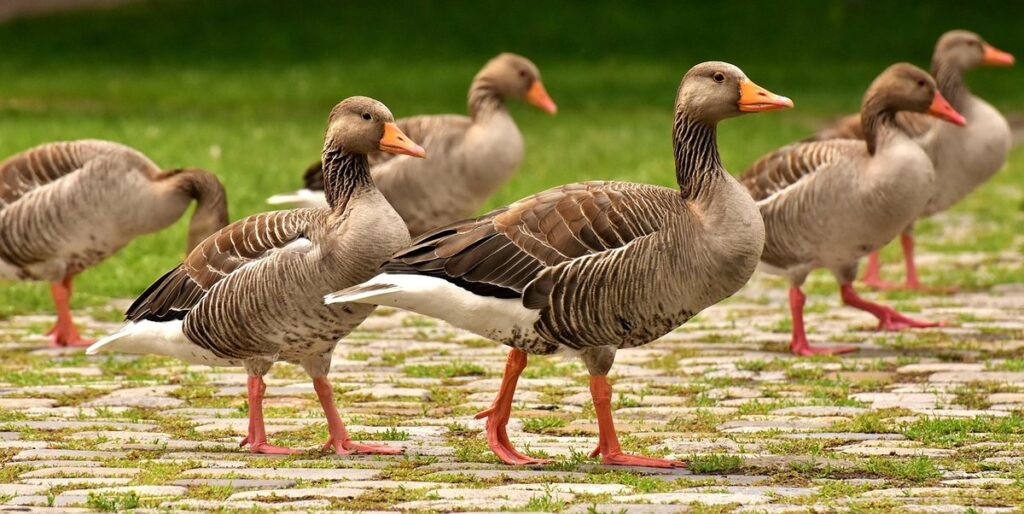
Female geese exhibit several distinctive physical traits that set them apart from other waterfowl. One of their most striking features is their plumage, which can vary greatly depending on the species. Some female geese have a glossy brown coat with white undertones, while others sport a more muted gray or white hue. In addition to their coat color, female geese also display distinctive patterns and markings on their feathers.
Their beak shape is another notable feature of female geese. Generally, they possess a shorter, thicker beak compared to males, which is well-suited for their diet of grasses, aquatic plants, and grains. Notably, female geese often have more prominent eyes than males, with a distinctive yellow ring around the iris.
Leg color can also serve as an identifier in distinguishing between male and female geese. While both genders typically exhibit pink or red legs, females tend to have darker-colored legs compared to males. These physical differences are essential for identifying and understanding the behavior of these fascinating birds.
Reproductive System of Female Geese
Female geese have a remarkable reproductive system that enables them to lay eggs and nurture their young. At the heart of this system are the ovaries, which produce ova (eggs) that travel through the oviducts to reach the cloaca, where they are fertilized by sperm from the male. The oviducts play a crucial role in egg formation, secreting albumen and membranes around the yolk.
During egg-laying, female geese undergo a series of physical changes, including increased hormone production and expansion of their reproductive tract. This process is influenced by photoperiodism, with longer daylight hours stimulating egg production.
Interestingly, female geese typically start laying eggs at around 2-3 years old, with the first clutch consisting of 2-5 eggs. Each egg takes approximately 24-26 hours to form and is laid in a nest made from vegetation and other materials collected by the mother.
By understanding the reproductive system of female geese, you can better appreciate their incredible ability to nurture life.
Habitat and Distribution of Female Geese
Female geese can be found inhabiting diverse landscapes, from Arctic tundras to rural backyards, and understanding their habitat preferences is crucial to appreciating their adaptability. Let’s explore where these incredible birds make themselves at home.
Migration Patterns and Routes
Female geese are notorious for their incredible migratory journeys. These remarkable creatures can travel thousands of miles each year to escape harsh winter conditions and find suitable breeding grounds. For female geese specifically, the migratory patterns vary depending on the species, but most follow a well-established route.
One of the most fascinating aspects of female goose migration is the sheer distance they cover. The Canadian honker, for instance, travels an average of 2,000 miles each way between its breeding grounds in the Arctic tundra and wintering grounds in the southern United States and Mexico. Similarly, the Greylag goose migrates from Europe to Africa, a journey spanning over 3,000 miles.
Female geese typically follow established flyways, which are corridors of air space that birds use for migration. These routes often coincide with geographical features such as coastlines, mountains, and rivers. Understanding these patterns is crucial for conservation efforts, as it allows us to identify key habitats and protect vital stopover sites where female geese rest and refuel during their journey. By recognizing the migratory habits of female geese, we can better appreciate the resilience and adaptability of these incredible birds.
Breeding Grounds and Nests
Female geese are remarkable creatures that thrive in various habitats around the world. When it comes to breeding and nesting, they have a strong preference for certain environments that provide them with the safety and resources needed to raise their young. Typically, female geese choose areas with lush vegetation, abundant food sources, and proximity to water.
In North America, for instance, female Canada Geese often breed in wetlands, grasslands, and agricultural fields. They prefer areas with tall grasses, such as meadows and prairies, where they can easily spot predators and find shelter. In contrast, Tundra Swans, which are also a type of geese, tend to nest on Arctic tundras, where the snow cover provides them with protection from predators.
When building their nests, female geese usually select sites that offer some degree of concealment, such as dense vegetation or a nearby thicket. The female will then line her nest with soft materials like grasses, moss, and down feathers to create a comfortable space for her eggs. By choosing the right environment and taking care in nesting preparation, female geese are able to successfully raise their young and ensure their survival in the wild.
Behavior and Social Structure of Female Geese
Let’s dive into the fascinating social dynamics of female geese, where strong bonds and communication play a vital role in their daily lives. You’ll learn about their intricate relationships and unique behaviors.
Communication Methods and Vocalizations
Female geese are incredibly vocal birds, using a variety of sounds to convey their emotions and intentions. They have a wide range of calls, from soft honks to loud hisses, which can mean different things depending on the context. For example, a mother goose will use a high-pitched call to alert her goslings to potential danger, while a pair of geese in courtship will engage in a series of soft, musical calls.
Body language is also an essential part of communication among female geese. They use postures and facial expressions to convey aggression or submission, with a raised neck and spread wings indicating dominance. Visual displays are another important way that female geese communicate, such as the impressive preening rituals they perform to strengthen their pair bonds. By observing these visual cues, you can get a sense of the social dynamics at play in a group of female geese.
When interacting with female geese, it’s essential to pay attention to their vocalizations and body language. If you approach too quickly or make sudden movements, you may startle them into aggressive behavior. By moving slowly and calmly, and making soft, gentle sounds, you can build trust and establish a connection with these fascinating birds.
Flock Dynamics and Hierarchy
Female geese are highly social creatures that live in close-knit flocks. Within these groups, a complex hierarchy emerges, with dominant and submissive roles being played by individual females. Dominant females tend to assert their authority through vocalizations, such as honking or growling, while also displaying aggressive behavior like chasing or nipping at subordinate birds.
In some cases, dominant females may even establish a “pecking order” within the flock, where lower-ranking females learn to defer to more senior birds. However, it’s worth noting that this hierarchy can shift depending on various factors such as age, experience, and environmental conditions. For instance, younger or less experienced females may initially be submissive but can eventually rise through the ranks as they gain confidence and maturity.
When managing a flock of female geese, it’s essential to recognize and respect these social dynamics. By doing so, you can create a more harmonious and balanced environment for all birds.
Diet and Nutrition of Female Geese
When it comes to keeping your female goose healthy, understanding her dietary needs is crucial. Let’s explore what foods are essential for her optimal nutrition.
Foraging Habits and Food Sources
Female geese are herbivores and their diet primarily consists of plant-based food sources. They tend to eat various types of grasses, including tall grasses like wheatgrass and oat grass, as well as short-grass prairies. Aquatic plants, such as duckweed and water lilies, also form a significant part of their diet.
In addition to these staple foods, female geese supplement their diets with insects and small invertebrates. They forage on the ground using their sensitive bills to probe into vegetation and detect hidden prey. Their feeding behavior is often influenced by environmental factors such as temperature, humidity, and water availability.
In general, female geese tend to be opportunistic feeders, taking advantage of readily available food sources. To attract these birds to your yard or garden, consider incorporating native grasses and aquatic plants into your landscape. This can provide a natural source of food for female geese during their migratory periods.
Nutritional Requirements and Supplements
Female geese have specific nutritional requirements to maintain their overall health and well-being. A diet rich in nutrients is essential for them to produce eggs, grow strong feathers, and stay healthy. One of the key components of a female goose’s diet is calcium, which supports bone growth and eggshell production.
A balanced diet should include a mix of grains, such as oats and barley, along with leafy greens like alfalfa and clover. Female geese also require vitamins A and E, which can be obtained through a high-quality layer feed or by supplementing their diet with fresh fruits and vegetables.
Some essential minerals for female geese include phosphorus, potassium, and magnesium. Phosphorus is crucial for bone health, while potassium helps maintain muscle function. Magnesium supports overall metabolism and energy production.
Supplementing your female goose’s diet can be done in various ways. Adding crushed eggshells or oyster shells to their feed provides a rich source of calcium. You can also provide cuttlebone, which is high in calcium carbonate.
Conservation Status and Threats to Female Geese
Unfortunately, female geese are facing numerous threats that impact their populations worldwide. Let’s delve into the conservation status of these magnificent birds and the challenges they’re up against.
Major Threats to Populations
As we delve into the world of female geese, it’s essential to acknowledge the significant threats they face. Habitat loss is one of the most pressing concerns for these birds. Human activities such as deforestation and urbanization have led to a substantial decline in suitable habitats for geese. This not only affects their ability to find food but also compromises their nesting sites.
Hunting is another major threat to female goose populations. Many species of geese are hunted for their meat, feathers, and organs, which are believed to possess medicinal properties. However, this practice can have devastating consequences on the overall population.
Climate change is also having a profound impact on female geese. Changes in temperature and precipitation patterns affect their feeding habits, breeding cycles, and migration routes. Rising sea levels, in particular, pose a significant threat to their nesting grounds.
It’s essential for us to take action to mitigate these threats. By supporting conservation efforts, reducing our carbon footprint, and promoting sustainable hunting practices, we can help protect female goose populations.
Efforts for Preservation and Protection
Several organizations and initiatives are actively working to protect female geese habitats and populations. The International Union for Conservation of Nature (IUCN) has classified several goose species as threatened or vulnerable, prompting conservation efforts worldwide.
One such initiative is the Wetlands for Waterfowl project, which aims to restore wetland habitats in Europe and Asia. This project not only benefits female geese but also other waterbird species that share their habitats. Volunteers participate in habitat restoration, monitoring, and research activities.
Another example is the National Audubon Society’s efforts to protect migratory birds, including geese. They work with local communities to establish protected areas and promote sustainable practices that minimize human-wildlife conflicts. These conservation efforts demonstrate the importance of collaboration between governments, NGOs, and local communities in preserving female goose populations.
If you’re interested in supporting these initiatives, consider volunteering or donating to organizations focused on waterfowl conservation. You can also contribute by spreading awareness about the importance of preserving wetland habitats and reducing pollution in your community. By taking collective action, we can help ensure the long-term survival of female geese species.
Frequently Asked Questions
How can I contribute to the conservation of female geese species facing habitat loss?
You can contribute by supporting organizations dedicated to preserving habitats and protecting waterfowl populations. Consider donating to reputable charities, spreading awareness about the issue, or participating in local conservation efforts. Additionally, you can make eco-friendly choices, such as reducing your carbon footprint and using environmentally responsible products.
What are some common threats to female geese populations, and how can I help mitigate them?
Common threats include habitat destruction, pollution, and climate change. To help mitigate these issues, support policies that prioritize environmental conservation, reduce your plastic use, and participate in local clean-up initiatives. You can also make informed choices about the products you buy, choosing those with minimal packaging or sustainably sourced materials.
How do I identify different species of female geese, especially if they’re not native to my area?
Start by familiarizing yourself with field guides and online resources that provide detailed descriptions and images of various goose species. Look for distinctive markings, plumage patterns, and beak shapes to aid in identification. Consider consulting with local birding experts or joining a birdwatching community to learn more about the geese species found in your area.
Can I raise female geese as pets, and what are the key considerations?
Yes, it’s possible to raise female geese as pets, but they require specialized care and attention. Consider their social needs by keeping them in pairs or small groups, providing a suitable enclosure with adequate space for exercise and swimming. Be prepared to commit to regular feeding, grooming, and veterinary check-ups.
How can I support local wildlife conservation efforts that focus on female geese?
Look for opportunities to volunteer with local organizations or participate in citizen science projects focused on waterfowl conservation. You can also provide financial support to initiatives that prioritize habitat restoration, research, and education about female geese species. Consider collaborating with local businesses to promote eco-friendly practices and raise awareness about the importance of conservation efforts.