
Female duck mallards are often misunderstood birds, shrouded in mystery and misconception. While many of us are familiar with their charismatic counterparts, the males, the females tend to fly under the radar. But it’s time to shine a spotlight on these incredible creatures! From their stunning plumage to their intricate breeding habits and unique diet, female mallards are truly fascinating birds. In this article, we’ll delve into the world of female duck mallards, exploring what makes them so remarkable. We’ll discuss their physical characteristics, including their feathers and webbed feet, as well as their complex mating rituals and foraging behaviors. Whether you’re a seasoned birdwatcher or simply curious about our fine-feathered friends, this article is sure to enlighten and entertain. So join us on this journey of discovery and get ready to fall in love with the amazing female duck mallard!
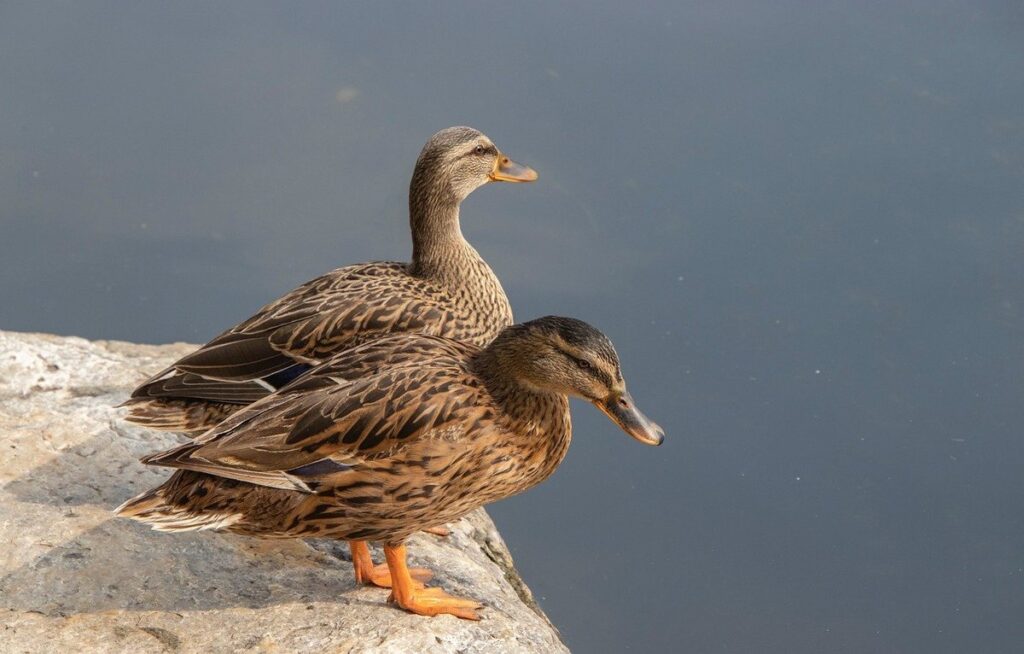
Physical Characteristics of Female Mallards
When it comes to distinguishing a female duck mallard, several key physical characteristics come into play. Let’s take a closer look at what sets them apart from other waterfowl.
Plumage and Coloration
One of the most distinctive features of female mallards is their plumage and coloration. In breeding season, they sport a striking brownish-gray coat with a darker green sheen on their heads and backs. Their chests are a warm golden-brown, while their bellies remain a creamy white. It’s worth noting that these colors can vary depending on the subspecies of mallard.
During non-breeding seasons, female mallards undergo a transformation to their eclipse plumage. This drabber coat is mottled brown and gray, helping them blend in with their surroundings as they forage for food or escape predators. The transition from breeding to eclipse plumage can be quite remarkable, making it easier for birdwatchers to identify these ducks.
If you’re trying to spot female mallards in the wild, pay attention to the subtle differences in their color patterns depending on the season. Note that juvenile females resemble males during their first year of life, sporting a greenish-yellow head and darker brown body feathers. As they mature, however, they develop their distinctive female characteristics.
Head and Bill Shape
One of the most distinctive features of female mallards is their unique head shape and bill structure. Unlike their male counterparts, female mallards have a more rounded head with a slight indentation at the forehead. This subtle yet significant difference plays a crucial role in their foraging behavior. The broad, flat bill of the female mallard is perfectly suited for dabbling, or skimming the surface of water to feed on aquatic plants and insects.
As you observe a female mallard feeding, note how it uses its unique bill shape to filter food particles from the water. This adaptation allows them to efficiently gather nutrients in shallow waters where other birds may struggle to find sustenance. In contrast, male mallards tend to have a narrower, more pointed bill that’s better suited for grasping and tearing food. When identifying female mallards, pay close attention to their head shape and bill structure – these distinctive features can be telling indicators of the species.
Body Size and Weight
Female mallards typically weigh between 1.5 to 3 pounds (680-1360 grams), with an average length of around 24 inches (60 cm). However, body size and weight can vary depending on various factors such as diet and genetics.
A well-nourished female mallard will generally have a more robust build than one that’s malnourished. For example, if a female is foraging in an area with abundant food sources, she may develop a larger body mass compared to one living in an area with limited resources. Genetics also play a significant role in determining the size and weight of individual mallards.
Interestingly, studies have shown that female mallards from different subspecies can exhibit varying degrees of body size and weight. For instance, those from North America tend to be larger than their European counterparts. While genetics do influence overall size, environmental factors such as diet and access to food sources also contribute significantly to a mallard’s overall weight and physical condition.
If you’re interested in attracting female mallards to your yard or a specific habitat, providing an adequate food source is crucial. Offering a mix of grains, fruits, and aquatic plants can help support the growth and development of these birds. Additionally, ensuring access to clean water sources and a safe environment will contribute to their overall well-being.
Habitat and Distribution of Female Mallards
Female Mallards can be found inhabiting a wide range of environments, from wetlands to urban parks, in both North America and Eurasia. Let’s explore where they live and thrive.
Breeding and Migration Patterns
Female mallards are found on every continent except Antarctica, with their breeding, migration, and overwintering patterns varying depending on the region. In North America, they breed in Canada and Alaska, migrating to the southern United States for winter, where they can be found in wetlands, parks, and backyards.
In Europe, female mallards breed in the northern parts of the continent, migrating to the Mediterranean coast and Africa for winter. They are known to overwinter in countries such as Spain, Italy, and Morocco, often in large numbers. In Asia, they breed in China, Japan, and Korea, migrating to southern regions like India and Southeast Asia.
It’s essential for bird enthusiasts and wildlife managers to understand these migration patterns to provide suitable habitats and protection for the female mallards during their journey. For example, creating wetland reserves and providing food sources can help sustain them during their migratory periods. Additionally, reducing human activities that disrupt their habitats, such as deforestation and pollution, is crucial in maintaining healthy populations of female mallards.
Wetland Preferences
Wetlands are a vital component of the female Mallard’s habitat, providing them with essential resources for survival. Female Mallards rely heavily on water sources to meet their needs, including drinking, bathing, and preening their feathers. Wetlands offer an abundance of shallow waters, ponds, and marshes that cater to the species’ requirement for constant access to water.
Vegetation is another critical aspect of wetland environments, serving as a food source and shelter from predators. Female Mallards feed on aquatic plants such as algae, water lilies, and grasses, which are rich in nutrients and energy. The dense vegetation also provides them with protection from potential threats, allowing them to rest and hide safely.
To create a welcoming wetland environment for female Mallards, consider incorporating features that mimic their natural habitat. Plant native aquatic species, such as cattails or bulrushes, to provide shelter and food. Create shallow pools and areas of open water to allow the birds to swim and forage easily. By replicating these conditions, you can create a haven for female Mallards to thrive and survive in your wetland environment.
Human Impact on Habitats
As we explore the habitat and distribution of female mallards, it’s essential to acknowledge the significant impact human activities have on their living environments. Urbanization, agriculture, and pollution are among the primary culprits responsible for altering the quality and availability of habitats for these birds.
Urbanization leads to the destruction of natural habitats as forests and wetlands are converted into urban areas, leaving female mallards with limited space to nest, feed, and breed. Agriculture also plays a significant role in habitat loss, particularly when pesticides and fertilizers contaminate water sources, affecting the availability of food for these birds.
Pollution is another major concern, as it can lead to the degradation of habitats through oil spills, chemical runoff, and litter, all of which can have devastating effects on female mallards’ health. For example, exposure to certain chemicals has been linked to reproductive issues in ducks.
Diet and Foraging Behavior
When it comes to finding food, female duck mallards have some unique habits that help them thrive in their aquatic environments. Let’s take a closer look at their diet and foraging behavior.
Plant-Based Food Sources
When it comes to foraging behavior, female duck mallards are primarily herbivores and opportunistic omnivores. In different seasons and regions, their diet consists of various plant-based food sources.
In the spring and summer months, when aquatic vegetation is lush and abundant, female mallards feed on a variety of plants such as water lilies, cattails, and duckweed. They also forage on grains like oats and barley that grow in flooded fields or along riverbanks. In these areas, they’ll often scratch the soil to uncover buried seeds, such as sunflower seeds and corn kernels.
In regions with limited aquatic vegetation, female mallards may rely more heavily on terrestrial plants like grasses and clover. During winter months, when snow covers most of their usual food sources, they’ll eat whatever is available, including seeds from trees like willows and alders. If you’re planning to attract female duck mallards to your yard, consider planting a variety of native vegetation that provides seeds, grains, or aquatic plants for them to feed on.
When observing female mallards in the wild, note their preference for areas with an abundance of waterfowl-friendly plants. This knowledge can help inform your decisions when creating habitat for these amazing birds.
Animal Protein Sources
When it comes to obtaining protein, female mallards are skilled hunters that play a crucial role in their ecosystem. As they forage for food, they actively hunt small animals such as insects, snails, and fish. This behavior is particularly evident during the breeding season when they need to fuel their reproductive activities.
Insects make up a significant portion of a mallard’s diet, with adult females feeding on large quantities of mosquitoes, flies, and beetles. They use their sharp beaks to dig into mud and soil, uncovering hidden insects and worms. Fish are another essential protein source for female mallards, especially during the summer months when they inhabit wetlands and rivers.
To replicate this behavior in your own backyard or garden, consider creating a pond or water feature that attracts aquatic life. By doing so, you’ll not only attract these birds but also provide them with a crucial food source. Remember to also incorporate plants with edible insects into your landscape design, such as daisies and sunflowers.
Impact of Diet on Health
A well-balanced diet is crucial for female duck mallards to maintain optimal health. A nutrient-rich diet supports various aspects of their lives, including reproduction, molting, and overall survival.
When it comes to reproduction, a diet lacking essential nutrients can impact the female duck mallard’s ability to lay eggs. For instance, a deficiency in calcium can lead to weakened eggshells, making them more susceptible to breakage. Conversely, a diet rich in omega-3 fatty acids and vitamins A and E supports healthy egg production.
Molting, or the shedding of old feathers, is another critical process that requires adequate nutrition. Protein-rich foods like aquatic plants and insects provide the necessary building blocks for new feather growth. Female duck mallards also need sufficient energy reserves to maintain their bodily functions during molting.
In the wild, female duck mallards can find nutrient-dense foods in wetlands and ponds. They feed on a variety of plant and animal matter, including aquatic plants, algae, and small crustaceans. In captivity, providing a diverse and balanced diet that mimics their natural food sources is essential for maintaining optimal health.
By offering a mix of grains, vegetables, fruits, and high-quality protein sources, you can support the overall well-being of your female duck mallard. This might include supplementing with specific nutrients like calcium or vitamins during breeding season to ensure healthy egg production.
Reproduction and Parenting
Female duck mallards typically form long-term pair bonds, and their reproductive habits are closely tied to their habitat and climate. Let’s dive into how they raise their young in the wild.
Courtship and Mating Rituals
When it comes to courtship and mating rituals, male and female mallards have a unique way of interacting with each other. As spring arrives, males will start displaying their plumage, spreading their tail feathers and vibrating their wing tips to attract females. This is accompanied by a variety of vocalizations, including the distinctive “quack” sound that’s synonymous with ducks.
Males will also engage in preening rituals, where they’ll clean and smooth out each other’s feathers, as well as perform elaborate postures to showcase their strength and agility. Females, on the other hand, are more subdued during courtship, often preferring to observe from a safe distance before deciding whether to pair up with a particular male.
If you’re interested in encouraging courtship behavior in your backyard, try providing a suitable environment by creating a pond or pool with plenty of vegetation and hiding spots. Also, consider introducing a few males to the area, as they’ll often engage in spirited displays to impress potential mates.
Nesting and Egg-Laying
Female mallards are skilled nesters, carefully selecting a safe location to lay their eggs. Typically, they choose a spot with dense vegetation, such as tall grasses, reeds, or aquatic plants, which provides protection from predators and harsh weather conditions. The ideal nesting site often has easy access to water and is close to food sources.
When it comes to laying eggs, female mallards usually start in the spring, around late March or early April, depending on their geographic location and environmental factors. A single clutch can contain between 8-13 eggs, with an average of 10-11 eggs per nest. Factors such as age, nutrition, and health can influence clutch size.
Female mallards are diligent parents, taking turns incubating the eggs for approximately 28 days before they hatch. During this time, they may also leave the nest to forage for food or seek refuge from predators. It’s essential for backyard duck keepers to provide a safe and suitable nesting environment, including a secure shelter with adequate ventilation and protection from extreme weather conditions.
Parental Care and Brood Rearing
When it comes to raising their young, mallard duck pairs are devoted parents. Both males and females take turns caring for their chicks, a unique characteristic among waterfowl species. Female mallards play a crucial role in brood rearing, which involves feeding, incubating eggs, and protecting the chicks from predators.
During this critical period, female mallards will often lead their broods to safe zones such as shallow waters or grassy areas where they can forage for food. They’ll also keep a watchful eye out for any potential threats, using their keen senses to detect danger.
One of the most fascinating aspects of mallard parenting is the way both parents work together to feed their young. While the female will often do the majority of the brooding and protecting, the male will join in on feeding duties, bringing back food to the nest or nearby foraging areas. This cooperative behavior ensures that all chicks receive adequate nourishment.
In fact, research has shown that mallard ducklings benefit greatly from their parents’ shared care. A study published in the Journal of Wildlife Management found that broods with both male and female caregivers had higher survival rates than those without a male parent present.
Frequently Asked Questions
What’s the best way to observe female duck mallards in their natural habitat without disturbing them?
Be patient and choose a spot with minimal human activity, allowing you to blend in with the surroundings. Bring binoculars for a safe and close-up view. Respect their space by not approaching or touching them.
Can I keep female duck mallards as pets, or are they too wild for domestication?
No, it’s generally not recommended to keep female duck mallards as pets due to their complex social needs and territorial behaviors. They require large spaces and specific diets that can be challenging to replicate in a home environment. Stick to observing them in the wild.
How do I identify different stages of breeding and migration patterns in female mallards?
Look for changes in plumage, such as brighter colors or more pronounced markings, which indicate courtship displays. Also, pay attention to their behavior; during migration, they tend to fly longer distances than usual and may appear thinner due to food scarcity.
What should I do if I encounter a injured female duck mallard?
Contact local wildlife rescue services or animal control for assistance. Provide as much information about the bird’s location and condition as possible. If you’re able to safely capture the bird, use a towel to gently restrain it before contacting professionals.
Can I feed female duck mallards bread or other human food, or will this harm them?
No, feeding bread can be detrimental to their health due to its low nutritional value. Instead, offer healthy plant-based options like leafy greens, aquatic plants, or specially formulated birdseed mixtures designed for waterfowl.