
As an animal farmer or producer, you’re constantly looking for ways to improve growth performance, reduce disease susceptibility, and create more sustainable operations. One key aspect that can make all the difference is feeding your poultry and livestock fermented feed. Fermented feed has been gaining attention in recent years due to its impressive benefits on nutrient absorption, gut health, and overall well-being of animals. By breaking down nutrients into a more bioavailable form, fermented feed enhances the efficiency of digestion, allowing animals to get the most out of their diet. In this article, we’ll dive deeper into the science behind fermented feed, exploring how it can lead to improved growth performance, reduced disease susceptibility, and sustainable operations. Let’s explore the benefits of incorporating fermented feed into your animal production routine.
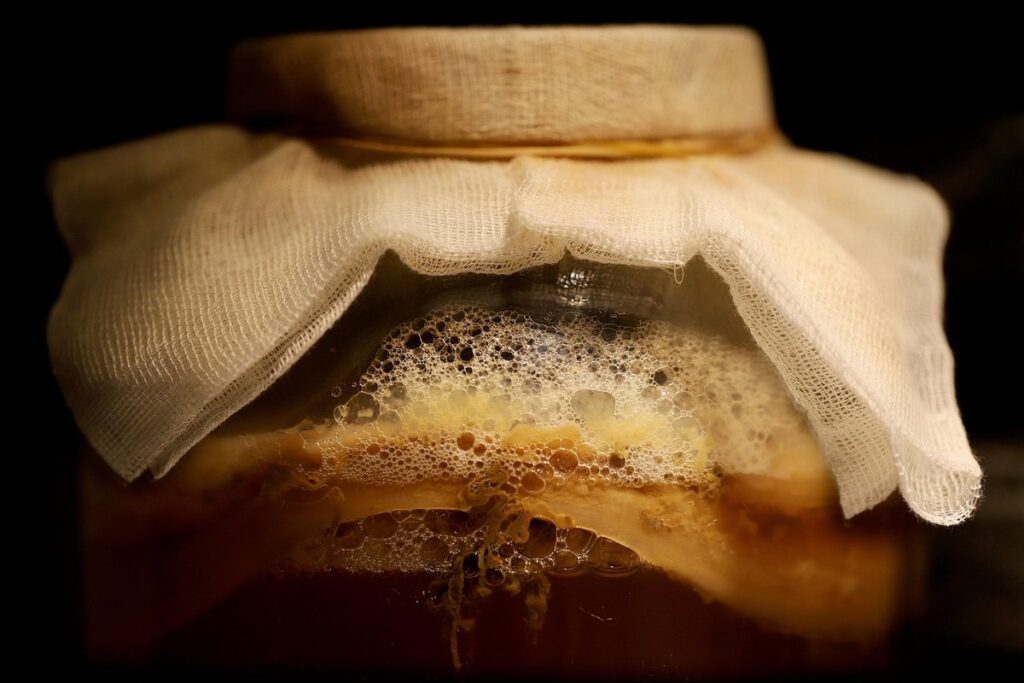
Introduction to Fermented Feed
Let’s dive into the world of fermented feed and explore how it can revolutionize the way we think about animal nutrition, starting from its basic principles. This is where it all begins!
What is Fermented Feed?
Fermented feed is a unique approach to animal nutrition that harnesses the power of microorganisms like bacteria and yeast to break down nutrients in feed. This process enhances their bioavailability and nutritional value, making it an attractive option for farmers and pet owners looking to optimize their animals’ health.
When we talk about fermentation, most people think of food products like kimchi or sauerkraut. However, the concept applies equally well to animal feed. Microorganisms like Lactobacillus and Aspergillus are added to the feed to initiate a natural fermentation process. Over time, these microbes break down complex nutrients into simpler forms that are more easily absorbed by the animal.
The result is a feed that’s not only more nutritious but also safer for consumption. Fermentation can reduce pathogens in the feed, making it an ideal choice for sensitive animals or those with compromised immune systems. By incorporating fermented feed into their diet, farmers and pet owners can improve their animals’ overall health and well-being, leading to increased growth rates, better fertility, and enhanced disease resistance.
Importance of Fermentation in Animal Nutrition
Fermentation plays a vital role in enhancing feed quality and promoting animal health. By allowing microorganisms to break down complex nutrients, fermentation improves digestibility and bioavailability of nutrients. This process not only increases the nutritional value of the feed but also reduces waste by minimizing the amount of undigested materials.
A significant advantage of fermented feeds is their ability to create a healthier gut microbiota in animals. A balanced gut microflora is crucial for maintaining immune function, regulating inflammation, and facilitating nutrient absorption. Fermented feeds introduce beneficial microbes that populate the gut, promoting a diverse and robust ecosystem. For instance, a study on pigs fed with fermented diets showed enhanced gut health and improved growth rates compared to those receiving non-fermented feed.
Incorporating fermentation into animal nutrition not only benefits the animals but also contributes to sustainable agriculture practices by reducing waste and conserving resources. By choosing fermented feeds, farmers can optimize feed efficiency, reduce environmental impact, and promote overall well-being of their livestock.
Benefits of Fermented Feed for Poultry
Fermented feed is a game-changer for poultry farmers, and I’m excited to share with you the numerous benefits it offers your birds’ health and well-being. Let’s dive into the advantages of this innovative feeding method!
Enhanced Nutrient Absorption and Utilization
When poultry is fed fermented feed, their digestive system undergoes significant changes. The fermentation process breaks down complex nutrients into easily absorbable forms, allowing for enhanced nutrient absorption and utilization rates. This leads to improved growth performance, as the bird’s body can efficiently utilize the available nutrients.
For instance, a study on laying hens found that those fed fermented feed had 12% higher egg production than their non-fermented counterparts. Another study observed significant improvements in weight gain and feed conversion efficiency when broilers were fed fermented feed. These findings demonstrate how fermented feed benefits poultry by improving nutrient absorption and utilization.
To maximize these benefits, it’s essential to choose the right type of fermentation process for your specific needs. A well-designed fermentation system will ensure that the nutrients are broken down optimally, without creating any unwanted compounds that might harm the birds. By incorporating fermented feed into your poultry operation, you can expect to see noticeable improvements in growth performance and reduced disease susceptibility.
Gut Health and Microbiome Balance
When it comes to gut health and microbiome balance in poultry, fermented feed is revolutionizing the way we approach bird nutrition. By introducing beneficial microbes through fermentation, we can significantly reduce antibiotic usage while promoting overall well-being.
Antibiotic overuse has long been a concern in the poultry industry, leading to the development of resistant bacteria and compromising animal health. Fermented feed provides an alternative solution by fostering a balanced microbiome. Research has shown that fermented feed reduces the need for antibiotics by up to 70%, resulting in healthier birds with stronger immune systems.
But how does it work? Fermentation involves breaking down complex nutrients into easily accessible forms, creating an environment where beneficial microbes can thrive. This leads to increased digestion and absorption of essential vitamins and minerals, ultimately boosting the bird’s resilience to disease. With fermented feed, farmers can expect a marked improvement in their flock’s health and productivity – all without sacrificing animal welfare.
By incorporating fermented feed into your poultry operation, you’ll be taking a significant step towards promoting a healthy gut microbiome and reducing antibiotic reliance.
Benefits of Fermented Feed for Livestock
Fermented feed can have a significant impact on your livestock’s overall health and well-being, leading to improved digestion and reduced stress levels. Let’s explore these benefits in more detail.
Improved Digestibility and Nutrient Availability
When you ferment feed for livestock, it unlocks a world of improved digestibility and nutrient availability. This process is crucial because it enhances the breakdown of complex nutrients into more easily absorbable forms. As a result, animals can derive greater benefits from their food, leading to better weight gain and muscle development.
The fermentation process involves microorganisms breaking down feed components like cellulose and hemicellulose, making them easier for livestock to digest. This is especially beneficial for ruminant animals such as cattle, sheep, and goats. For example, a study on fermented barley showed that it increased the availability of nutrients by up to 30% compared to unfermented feed.
To achieve these benefits, farmers can experiment with various fermentation methods, such as lactic acid or yeast-based fermentation. The key is to maintain optimal conditions for microbial growth while preventing over-fermentation, which can be detrimental to animal health. By getting the balance right, farmers can provide their livestock with a diet that’s easier to digest and more nutrient-rich, leading to improved overall performance.
Reduced Greenhouse Gas Emissions
The production of livestock is a significant contributor to greenhouse gas emissions, with ruminant animals like cows and sheep being responsible for around 14.5% of global emissions. One key area where fermented feed can make a positive impact is by reducing methane production in these animals.
Methane is a potent greenhouse gas that has a global warming potential 28 times higher than carbon dioxide over a 100-year period. Ruminant animals produce methane through a process called enteric fermentation, which occurs as they digest their food in the rumen. By introducing fermented feed into an animal’s diet, we can alter the balance of microbes in the rumen and reduce the amount of methane produced.
Studies have shown that feeding ruminants with fermented feed can decrease methane emissions by up to 20%. This is achieved through a combination of factors, including improved digestibility and nutrient uptake. For example, research conducted at the University of California, Davis found that cows fed fermented feed produced 15% less methane than those on a traditional diet.
To incorporate fermented feed into your livestock operation, start by consulting with a qualified animal nutritionist to determine the best approach for your specific animals and needs. Consider factors such as feed type, duration of fermentation, and overall animal health when making changes.
Mechanisms Behind Fermented Feed’s Benefits
Now that we’ve explored the benefits of fermented feed, let’s dive into what makes it work: the fascinating science behind its positive effects on your animals. This is where things get really interesting!
Microbial Breakdown of Nutrients
When microorganisms break down nutrients in fermented feed, they unlock their full potential and make them more accessible to animals. This process involves complex biochemical reactions that release bound nutrients, making them easier for the animal’s body to absorb.
During fermentation, beneficial microbes like Lactobacillus and Bifidobacterium feed on the available carbohydrates, releasing enzymes that break down proteins and fats into smaller, more manageable components. These broken-down nutrients are then reassembled in a form that’s easily digestible by the animal. For example, phytase-producing bacteria can unlock phosphorus from phytic acid, making it available for bone growth and development.
The microbial breakdown of nutrients in fermented feed results in several benefits, including improved nutrient availability, enhanced bioavailability, and increased nutrient utilization. Animals fed with fermented feed tend to have better gut health, stronger immune systems, and faster growth rates due to the optimized nutrient profile. By incorporating fermented feed into their diet, farmers can expect a significant boost in animal performance and overall well-being.
Improved Gut Health Through Prebiotics and Probiotics
When it comes to fermented feed’s benefits, one of the most significant advantages is its impact on gut health. The role of prebiotics and probiotics in fermented feed cannot be overstated, as they work together to create an optimal environment for beneficial bacteria to thrive.
Prebiotics serve as a food source for these beneficial microbes, allowing them to grow and multiply. This leads to an enhanced barrier function within the gut, preventing toxins and pathogens from entering the bloodstream. Probiotics, on the other hand, directly introduce healthy bacteria into the digestive system, further supporting immune system function.
The symbiotic relationship between prebiotics and probiotics has been demonstrated in numerous studies. For example, a 2018 trial found that pigs fed fermented feed containing both prebiotics and probiotics exhibited significantly improved gut health compared to those on conventional feed. Specifically, their gut barrier function was strengthened, and inflammation reduced.
To incorporate prebiotics and probiotics into your fermentation process, consider adding fiber-rich ingredients like inulin or asparagus to the mix. This will provide a natural food source for beneficial bacteria.
Practical Applications and Implementation
Now that we’ve explored the benefits of fermented feed, let’s dive into how you can start incorporating it into your farm or flock.
On-Farm Fermentation Processes and Considerations
Implementing on-farm fermentation processes requires careful consideration of several factors to achieve optimal results. One key aspect is equipment needs – a basic setup typically includes tanks or containers for holding the fermented feed mixtures, pumps for circulation and agitation, and temperature control systems to maintain the ideal environment for microbial activity.
Space requirements are also crucial, as you’ll need dedicated areas for fermentation, storage, and handling of the final product. Ensure adequate ventilation and airflow in these spaces to prevent accumulation of volatile compounds produced during fermentation. Monitoring is another critical aspect – regular checks on pH levels, temperature, and moisture content will help identify any issues before they impact the quality of your fermented feed.
In practical terms, consider starting small with a pilot-scale setup to fine-tune your process before scaling up production. Familiarize yourself with local regulations and guidelines for on-farm fermentation to avoid any potential compliance issues. By understanding these fundamental aspects and investing in proper equipment, you’ll be well-equipped to harness the benefits of fermented feed for your livestock operations.
Integration with Existing Farm Operations and Management Strategies
When integrating fermented feed into existing farm operations and management strategies, it’s essential to consider the unique needs of your farm. One way to start is by assessing your current feeding schedule and identifying areas where fermented feed can be incorporated seamlessly. For instance, you could replace a portion of grain or other concentrates with fermented feed to boost nutrient density and palatability.
To maximize benefits, consider phasing in fermented feed gradually over several weeks or months. This allows the gut microbiome to adjust and reduces the risk of digestive upset. Additionally, make sure to integrate fermented feed into your existing feeding protocols, such as incorporating it into starter rations for young animals or using it as a supplement during times of stress.
By taking a holistic approach to integration, you can unlock the full potential of fermented feed and reap its rewards in terms of improved animal health, productivity, and profitability.
Conclusion: Unlocking the Full Potential of Fermented Feed
Now that we’ve explored the benefits and advantages of fermented feed, let’s dive into the exciting possibilities it holds for your operation. We’ll discuss how to unlock its full potential.
Future Directions for Research and Development
As we’ve explored the numerous benefits of fermented feed, it’s clear that there is still much to be discovered. To fully unlock its potential, research must continue to address key areas such as large-scale production and long-term impacts.
One critical aspect that warrants further investigation is the scalability of fermented feed production. Currently, most studies have focused on small-scale trials, but what happens when we scale up to commercial levels? How will factors like equipment costs, labor requirements, and storage conditions affect the fermentation process?
To address these concerns, researchers should investigate strategies for optimizing large-scale production, including automation, new technologies, and efficient logistics. By doing so, they can help make fermented feed a more viable option for farmers worldwide.
Additionally, long-term studies are necessary to understand the cumulative effects of fermented feed on animal health, welfare, and the environment. This could involve monitoring the impacts over several generations or analyzing data from farms that have been using fermented feed for extended periods.
Encouraging Adoption and Implementation Across Industries
As we conclude our exploration of the benefits of fermented feed, it’s essential to encourage adoption and implementation across various industries. By embracing this innovative technology, you can significantly improve animal health, efficiency, and sustainability in your operations.
Start by assessing your current feeding practices and identifying areas where fermented feed can make a meaningful impact. Consider the specific needs of your animals, such as digestive health or growth rates, and how fermented feed can address these concerns. For instance, if you’re struggling with high mortality rates among young poultry, incorporating fermented feed into their diet may help alleviate digestive issues.
To effectively integrate fermented feed into your operation, begin by making small-scale trials to gauge its effects on animal performance. Monitor key indicators such as weight gain, feed conversion ratios, and overall health metrics. By doing so, you’ll be able to make informed decisions about scaling up the use of fermented feed throughout your facility. Additionally, don’t hesitate to reach out to industry experts or suppliers for guidance on implementing this technology successfully.
By adopting fermented feed in your operations, you’ll not only enhance animal well-being but also contribute to a more sustainable and efficient food production system. With its numerous benefits and relatively low barriers to entry, there’s never been a better time to explore the potential of fermented feed.
Frequently Asked Questions
Can I use fermented feed for all types of livestock, or are there certain species that benefit more from it?
Fermented feed is suitable for various types of livestock, but its benefits may vary depending on the species and their specific nutritional needs. For example, poultry tends to respond well to fermented feed due to its high nutrient requirements and susceptibility to disease. In contrast, ruminant animals like cows and goats may require a more tailored approach, as their digestive systems are adapted to break down cellulose and other complex nutrients. Consult with a nutritionist or veterinarian to determine the best approach for your specific operation.
How do I ensure consistent quality and safety of fermented feed on my farm?
To maintain consistency and safety, it’s essential to follow proper fermentation procedures and monitor the feed regularly. This includes controlling temperature, pH levels, and microbial populations during the fermentation process. Regular testing for pathogens and spoilage organisms will also help identify any potential issues early on. Keep accurate records of your processes and results to ensure quality control.
Can fermented feed be used as a standalone solution or should it be incorporated into existing diets?
While fermented feed can have remarkable benefits, it’s often most effective when combined with other nutritional strategies. By incorporating fermented feed into an existing diet, you can enhance nutrient absorption and utilization, supporting overall animal health. A balanced approach will also help minimize the risk of over-reliance on any single component.
How do I scale up fermentation processes for larger farms or operations?
As your farm grows, scaling up fermentation processes requires careful planning to maintain efficiency and consistency. Consider investing in automated systems or partnering with experienced fermenters who can help design and implement large-scale production processes. Regularly monitor the feed’s nutritional content and microbial balance to ensure high-quality output.
Can fermented feed be used as a substitute for antibiotics in disease prevention?
While fermented feed has shown potential in promoting gut health and immune function, it should not be relied upon as a direct replacement for antibiotics. A comprehensive approach that includes proper animal husbandry, sanitation, and nutrition will provide the best results. However, fermented feed can be a valuable tool in reducing antibiotic use by promoting healthy microbiota and enhancing disease resilience.