
As a backyard chicken keeper or small-scale farmer, you’re likely curious about the reproduction process in your flock. But have you ever wondered how to tell if an egg is fertile or infertile? Understanding the differences between these two types of eggs can be crucial for maximizing fertility and improving breeding outcomes. Fertile eggs contain viable embryos that are ready to hatch, while infertile eggs lack this potential. In this article, we’ll delve into the physical characteristics, internal factors, and breeding implications of fertile versus infertile chicken eggs. We’ll also explore tips on how to boost fertility in your flock, from nutrition and health management to breeding strategies and selection techniques. By the end of this guide, you’ll be equipped with the knowledge to take your poultry operations to the next level and achieve healthier, more productive flocks.
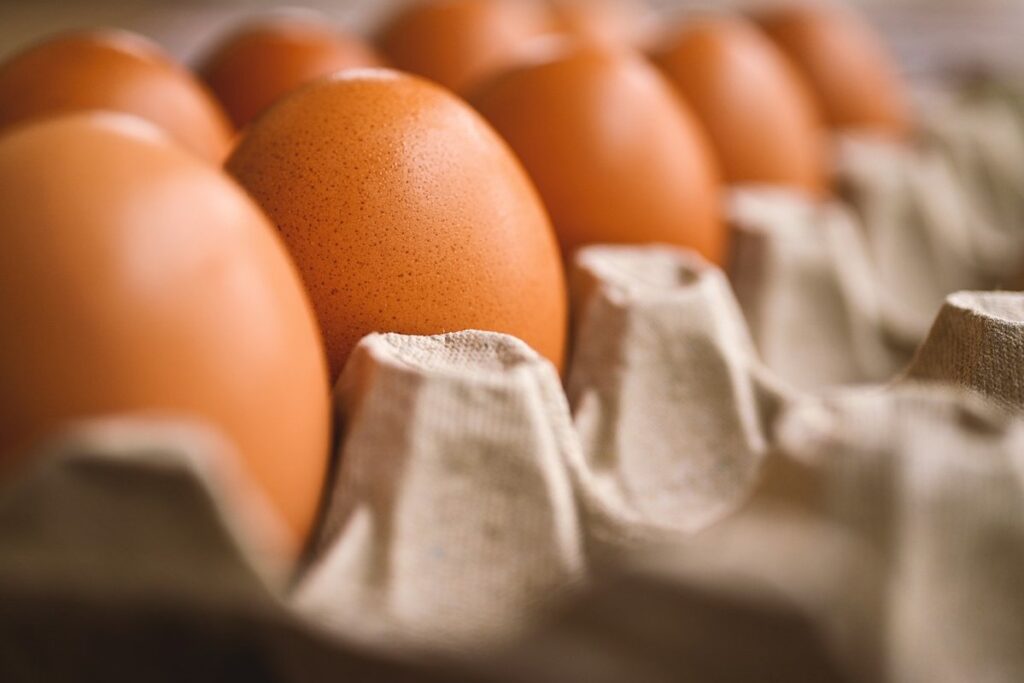
What are Fertile and Infertile Eggs?
When it comes to choosing between fertile and infertile chicken eggs, understanding their basic characteristics is essential for backyard breeders and egg enthusiasts alike. Let’s break down what each type of egg entails.
Defining Fertility in Chicken Eggs
When an egg is fertilized, it’s a complex process involving multiple factors. To start with, ovulation plays a crucial role in the fertilization of chicken eggs. Ovulation occurs when the hen lays an egg yolk, and at this stage, the egg is released from the oviduct. The next step involves sperm penetration – male chickens produce sperm that fertilize the egg yolk.
The quality and quantity of both sperm and ovulation determine the fertility of the egg. For instance, a low sperm count or poor-quality sperm can lead to infertility issues. Similarly, ovulation problems in hens can also affect fertility. It’s essential for breeders to monitor these factors when selecting breeding stock to ensure optimal fertility rates.
In practical terms, breeders should pay attention to the reproductive health of their chickens. Providing a balanced diet, ensuring adequate lighting and temperature conditions, and minimizing stress can all contribute to better fertility rates.
The Importance of Fertility in Breeding Programs
When it comes to breeding programs, fertility plays a crucial role in achieving desired outcomes. Working with fertile eggs can be both challenging and beneficial. One of the primary challenges is ensuring consistent fertility levels, which can be affected by various factors such as breed, age of the hen, nutrition, and health status. For instance, some breeds are naturally more fertile than others, and older hens tend to have lower fertility rates.
However, the benefits of using fertile eggs in breeding programs far outweigh the challenges. By selecting for desired traits using fertile eggs, breeders can accelerate genetic progress and improve the overall quality of their flock. This is particularly important for specialty breeds or those with specific characteristics that are in high demand.
In addition to accelerating genetic progress, working with fertile eggs also allows breeders to make more informed selection decisions based on observable traits rather than relying solely on DNA testing. By incorporating fertility into their breeding strategy, farmers and backyard growers can ensure the long-term sustainability of their operation and produce high-quality birds that meet market demands.
Characteristics of Fertile Eggs
When it comes to fertile eggs, there are several key characteristics you should be aware of as a breeder or keeper. These include unique appearance, size, and overall quality.
Physical Differences Between Fertile and Infertile Eggs
When it comes to fertile and infertile eggs, you might be surprised by some of the physical differences that can indicate their fertility status. One notable difference is in shell thickness. Fertile eggs tend to have a thicker, more robust shell than infertile ones. This is because the hen’s body has been working harder to produce a viable embryo, resulting in a stronger, more dense eggshell.
In contrast, infertile eggs often have thinner shells that are more prone to cracking. This can be due to various factors, including poor nutrition or health issues within the flock. The shape of the egg is another physical characteristic worth examining. Fertile eggs tend to have a slightly more pointed tip than infertile ones.
In addition to shell thickness and shape, you might notice differences in egg color between fertile and infertile eggs. While most chicken breeds lay brown eggs, some varieties can produce white or blue eggs as well. Research suggests that the intensity of the eggshell’s color may indicate fertility levels – with darker colors often associated with higher fertility rates.
By observing these physical characteristics, you can gain valuable insights into your flock’s fertility status and make informed decisions about breeding and nutrition strategies.
Internal Factors Affecting Fertility
The internal factors that affect fertility are just as crucial as external ones. When it comes to egg yolk quality, a rich and nutritious yolk is essential for embryo development. A healthy yolk provides the necessary nutrients for the embryo’s growth, making it more likely to hatch successfully. Conversely, an underdeveloped or nutrient-deficient yolk can hinder the embryo’s development, leading to infertility.
The process of sperm penetration also plays a significant role in fertility. If the egg white is too alkaline or too acidic, it may impede sperm movement and motility, reducing the chances of successful fertilization. Similarly, an excessive amount of bacteria or debris within the reproductive tract can damage the egg’s outer layer, preventing sperm from penetrating.
To optimize internal factors for fertility, ensure that your flock receives a balanced diet rich in essential nutrients. Regular health checks and proper sanitation practices are also vital to maintain a healthy reproductive system. By paying attention to these internal factors, you can significantly improve the chances of successful fertilization and increase hatch rates.
Characteristics of Infertile Eggs
Let’s take a closer look at infertile eggs, which may appear normal but have several characteristics that set them apart from their fertile counterparts. They often lack specific markings and features.
Causes of Infertility in Chicken Eggs
Infertility in chicken eggs can be attributed to several factors, which can be broadly categorized into ovulation disorders, sperm quality issues, and genetic factors.
Ovulation disorders are a common cause of infertility in chicken eggs. These disorders can be caused by hormonal imbalances or irregularities in the reproductive cycle of hens. For instance, anovulatory cycles, where a hen fails to release an egg, can lead to infertility. Poor nutrition, stress, and certain health conditions can also disrupt ovulation and contribute to fertility issues.
Sperm quality issues are another significant contributor to infertility in chicken eggs. Low sperm count, poor motility, or abnormal morphology of the sperm can make it difficult for fertilization to occur. Factors such as age, genetics, and environmental factors like exposure to toxins can affect sperm quality.
Genetic factors also play a crucial role in determining fertility in chicken eggs. Some breeds are more prone to infertility due to genetic predispositions. Additionally, diseases or defects that affect the reproductive system of hens can lead to infertility.
How Infertility Affects Egg Production
When an egg is fertile and has the potential to hatch a healthy chick, its quality and viability are significantly impacted if it’s also infertile. One of the primary effects of infertility on eggs is a reduction in yields. Infertile eggs may not be viable for incubation, or they might have a lower fertility rate, which can lead to decreased egg production over time.
This decline in egg production can also be linked to increased chick mortality rates. Even if an infertile egg does manage to hatch, the resulting chick is more likely to experience health problems and may not survive beyond its early stages of development. For example, research has shown that chicks hatched from infertile eggs often exhibit developmental abnormalities and have lower viability rates compared to those from fertile eggs.
Farmers who want to maximize their egg production while minimizing losses should focus on maintaining a healthy flock with regular breeding programs and optimal living conditions. Regular monitoring and testing for fertility can also help identify any potential issues early on, enabling farmers to take corrective action and improve overall egg quality.
Breeding for Fertility
When it comes to breeding chickens, understanding how to create fertile eggs is crucial for any backyard flock owner looking to reproduce their favorite breeds. In this section, we’ll explore key tips and considerations.
Selective Breeding Programs for Fertility
Selective breeding programs have been employed by chicken breeders to enhance fertility in their flocks. These programs focus on identifying and propagating individuals with high fertility rates, ultimately leading to a more fertile egg-laying population. Two techniques commonly used in these programs are linebreeding and inbreeding.
Linebreeding involves breeding offspring of related birds together to concentrate desirable traits, such as improved fertility. This method allows breeders to capitalize on the genetic potential of their foundation stock while minimizing inbreeding depression. In contrast, inbreeding involves mating closely related birds to accentuate specific characteristics. When applied judiciously and over several generations, these techniques can lead to significant gains in fertility.
To illustrate this concept, consider a breeder aiming to develop an egg-laying chicken with 95% fertility rates. By selecting individuals with exceptional fertility, identifying common genetic factors contributing to high fertility, and gradually introducing them into the breeding pool through linebreeding or inbreeding, breeders can drive progress towards their goal.
In practice, selective breeding programs require meticulous record-keeping of egg-laying performance, fertility rates, and other desirable traits. Breeders must also consider balancing gains in fertility with potential losses due to inbreeding depression. By doing so, they can refine the selection process and make informed decisions to accelerate progress towards more fertile flocks.
Genomic Selection for Fertility Traits
Genomic selection is a powerful tool that can help breeders identify individuals with high fertility potential. By leveraging advanced genetic analysis, breeders can pinpoint specific genetic markers associated with high fertility and select for those traits. This approach is particularly useful when working with large flocks or diverse breeding programs.
When implementing genomic selection for fertility traits, it’s essential to understand the underlying genetics. Research has identified several key genes and pathways that contribute to egg fertility in chickens. For example, studies have shown that genetic variants associated with the ovocledidin-36 gene are strongly linked to improved fertility. By incorporating this knowledge into breeding programs, farmers can make informed decisions about which birds to breed and select for.
To get started with genomic selection, breeders will need access to advanced genotyping technology and trained personnel to interpret results. It’s also crucial to establish clear selection criteria and benchmarks for fertility traits, ensuring that the chosen individuals meet specific standards for egg quality and fertility.
Factors Affecting Fertility
So you want to hatch healthy chicks, but have you ever wondered what affects a chicken egg’s fertility? Let’s explore some key factors that can impact its chances of success.
Environmental Factors Impacting Fertility
When it comes to chicken eggs, environmental factors play a significant role in determining fertility. Temperature and humidity levels are crucial for optimal fertility. A temperature range of 99°F to 100°F (37°C to 38°C) is ideal for incubation, as it allows for consistent embryonic development. On the other hand, extreme temperatures can lead to lower fertility rates or even failed hatchings.
Humidity levels also affect fertility, with a relative humidity of 50% to 60% being ideal for optimal hatching. If the environment is too dry, the embryo may not develop properly, leading to infertility. Conversely, if it’s too humid, the risk of fungal infections and mold growth increases, further reducing fertility.
Nutrition also plays a vital role in maintaining fertility. A balanced diet rich in essential nutrients like protein, calcium, and vitamins ensures optimal egg production and fertility. For example, providing your flock with access to fresh vegetables, fruits, and grains can boost their reproductive health and increase the chances of fertile eggs.
Management Practices Influencing Fertility
Management practices play a significant role in determining the fertility of chicken eggs. Lighting, for instance, can greatly impact egg production and fertility. Hens require adequate light exposure to stimulate their reproductive cycles, but excessive lighting can lead to stress, causing them to lay infertile eggs. Providing 14 hours of light per day is often recommended, as it allows hens to engage in natural behaviors while minimizing the risk of over-exposure.
Feeding practices are another crucial aspect of fertility management. Hens require a balanced diet rich in essential nutrients, including protein, calcium, and vitamins. A well-planned feeding program can help optimize egg production and fertility. For example, offering a layer feed with added omega-3 fatty acids has been shown to improve eggshell quality and increase the chances of successful fertilization.
Regular health programs are also vital for maintaining high fertility rates. Vaccinations and parasite control measures can prevent diseases that can lower fertility. Additionally, monitoring hen health through regular veterinary check-ups helps identify potential issues before they affect fertility.
Collecting and Handling Fertile Eggs
Collecting fertile eggs requires careful attention to temperature, humidity, and gentle handling to ensure their viability. Proper collection techniques will be discussed in detail in this section.
Best Practices for Collecting Fertile Eggs
When collecting fertile eggs safely and efficiently, it’s essential to have the right equipment and follow proper handling techniques. To start, you’ll need a clean and dry container specifically designed for egg collection, such as a plastic or cardboard tray with individual compartments.
It’s also crucial to handle the eggs gently to avoid cracking the shell, which can make them more susceptible to bacterial contamination. Use clean, dry hands or gloves when collecting eggs from the nesting box, and never wash the eggs before storing them in the container.
Consider investing in an egg candler or a bright light source to inspect the eggs for any visible signs of damage or fertility. This will help you identify which eggs are fertile and ready for incubation. Make sure to store the collected eggs in a cool, dry place with minimal vibrations, such as a designated hatching cabinet or a climate-controlled room.
For large-scale operations, consider using automated egg collection systems that can reduce manual handling and minimize the risk of contamination.
Storing Fertile Eggs for Breeding Programs
When it comes to storing fertile eggs for breeding programs, proper handling and storage are crucial to maintain their viability. Fertile eggs can be stored in specialized containers designed specifically for egg preservation. These containers typically have a controlled atmosphere, which helps regulate the internal temperature and humidity levels.
It’s essential to store fertile eggs in a cool, dry place with consistent temperatures between 50°F and 60°F (10°C and 15°C). Avoid storing them near direct sunlight or heat sources, as this can cause moisture buildup and lead to embryo damage. For longer-term storage, you may consider using cryogenic freezing services that can preserve the eggs for several years.
Remember to label the stored eggs with their date of collection and breed information to ensure accurate tracking and record-keeping. When storing fertile eggs, it’s also crucial to maintain a consistent temperature gradient between 3°C and 5°C (37°F and 41°F) to slow down embryo development. This will help preserve the genetic integrity of the embryos until they’re ready for incubation or further breeding purposes.
Conclusion: Maximizing Fertility in Chicken Breeding
Now that you’ve learned the differences between fertile and infertile chicken eggs, let’s focus on maximizing fertility for successful breeding. Here are key tips to ensure healthy, fertile eggs from your flock.
Recap of Key Takeaways
As we conclude our exploration of fertile and infertile chicken eggs, it’s essential to recap the key takeaways from this article. Fertility plays a crucial role in chicken breeding, and understanding its significance can make all the difference in achieving successful hatching rates.
By now, you should be aware that fertility is influenced by various factors such as breed, age of the hen, nutrition, health, and environmental conditions. You also know how to identify fertile eggs through candling, which involves shining a bright light through the egg to observe the contents.
To maximize fertility in your chicken breeding program, consider implementing strategies such as selecting breeds known for their high fertility rates, providing optimal nutrition and care for your hens, maintaining clean and healthy living conditions, and monitoring egg quality regularly. By doing so, you can increase your chances of successful hatch rates and build a thriving flock.
Remember, every fertile egg has the potential to produce a new life, and by prioritizing fertility in your breeding program, you’ll be one step closer to achieving your goals as a chicken breeder.
Future Directions in Fertility Research
As we conclude our exploration of fertile vs infertile chicken eggs, it’s essential to consider the future directions in fertility research. Genetic studies have shown promise in identifying genes associated with fertility in chickens. Further research is needed to understand how these genetic factors interact and influence fertility.
In terms of management practices, optimizing breeding programs can also play a significant role in improving fertility rates. This includes selecting for breeds that are known to be more fertile, as well as implementing best practices such as proper nutrition and stress reduction strategies. For instance, providing adequate protein levels and maintaining optimal temperatures have been shown to improve fertility in some studies.
Another area of focus should be on exploring the impact of environmental factors on fertility. This includes examining how different farm management practices, such as flock size and density, may affect reproductive performance. By understanding these relationships, breeders can make informed decisions about their operations and strive towards maximizing fertility rates in their flocks.
Frequently Asked Questions
Can I store fertile eggs for an extended period without affecting their fertility?
Yes, you can store fertile eggs in a controlled environment with proper ventilation and temperature management to maintain their fertility for several weeks. However, it’s essential to monitor the eggs regularly for any signs of degradation or damage that could impact fertility. Generally, fertile eggs can be stored at room temperature (around 70-75°F) for up to three weeks.
What are some common mistakes backyard breeders make when trying to boost fertility in their flock?
Backyard breeders often overlook the importance of providing a balanced diet and adequate nutrition for their hens. Ensuring that your flock receives essential nutrients like calcium, phosphorus, and vitamins can significantly improve fertility rates. Additionally, maintaining good health practices, such as regular vaccinations and parasite control, is also crucial.
How do I know if my egg candling equipment is suitable for checking the fertility of my eggs?
When selecting egg candling equipment, ensure that it has a high-intensity light source (ideally LED) with adjustable brightness settings. This will allow you to clearly observe the embryo development within the egg without causing damage or disrupting its delicate internal environment.
Can I use infertile eggs for making caviar or other food products?
While infertile eggs are still safe to consume, they may not be suitable for food products that require high-quality eggs. Infertile eggs often have a shorter shelf life and can be more prone to spoilage due to their lower quality. For commercial food production, it’s recommended to use fertile eggs specifically bred for their superior quality.
How do I handle fertile eggs when collecting them from my flock?
When handling fertile eggs, make sure to hold them gently but firmly by the egg end (the larger end) to avoid any damage that could compromise fertility. It’s also essential to collect eggs frequently to prevent overcrowding and reduce the risk of breakage or contamination. Consider using an egg carton specifically designed for collecting and transporting fertile eggs.