
If you’re thinking of bringing home some new feathered friends, but are worried about their ability to fly the coop, you’re not alone. Flighty chicken breeds can be quite the handful, with their love of flying and tendency to make a break for it whenever they get the chance. But don’t let that deter you – these charming birds have a lot to offer, from their beautiful silken feathers to their playful Polish antics. In this article, we’ll take a closer look at some of the characteristics, care requirements, and fun facts about flighty chicken breeds like Silkie, Polish, and Cochin chickens. By the end of it, you’ll be better equipped to keep them happy, healthy, and securely fenced in your backyard.
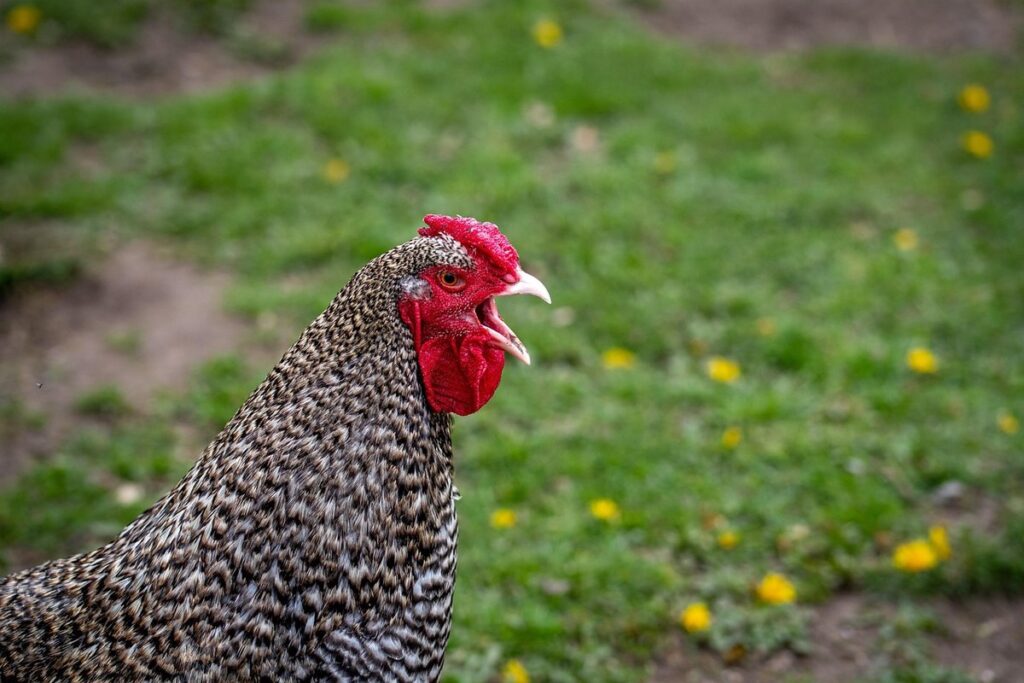
What Are Flighty Chicken Breeds?
If you’re new to chicken keeping, it can be hard to tell which breeds will take flight – literally! Let’s explore the characteristics of these feisty fowl.
Definition of Flighty Chickens
Flighty chicken breeds are those that have a natural tendency to fly away from their coop, often seeking out open spaces and heights. This behavior is not necessarily due to a desire for freedom, but rather an instinctual response to their environment and breeding history.
In the wild, chickens evolved to be wary of predators and would frequently roost in trees or other elevated areas to stay safe. While domestication has reduced this need for flight, some breeds have retained this instinctive behavior. This is why you may find your flighty chicken perched on a fence post or attempting to fly over the coop.
If you’re considering getting a flighty breed, it’s essential to ensure their coop and surroundings are escape-proof and provide ample opportunity for exercise and exploration. Providing a tall enough run with netting or fencing can help contain these birds while still allowing them to engage in natural behaviors like scratching and pecking at the ground.
History of Selecting Flighty Breeds
The history of selecting flighty chicken breeds dates back to ancient times when farmers needed birds that could escape predators and reach high roosting areas. In the past, chickens were often raised for their meat, eggs, and feathers, but they also had to be able to protect themselves from threats such as hawks, owls, and foxes.
Farmers would naturally select chickens with characteristics that allowed them to fly and escape danger. These early birds were likely descendants of wild jungle fowl, which are known for their ability to fly short distances. As farmers bred these birds over time, they inadvertently selected for traits such as strong wings, lightweight bones, and a body type conducive to flight.
By the mid-19th century, certain breeds like the Cochin and Langshan were prized for their flying abilities. These birds could reach heights of up to 5 feet (1.5 meters) in a single bound, making them useful for escaping predators and reaching high roosting areas. Today, many flighty breeds are still raised for their unique characteristics and ability to entertain backyard chicken keepers with their aerial antics.
Characteristics of Flighty Chicken Breeds
If you’re wondering what sets flighty chicken breeds apart from the rest, it’s their unique characteristics that will keep you entertained and on your toes. Let’s take a closer look at these fascinating birds.
Physical Traits
When it comes to flighty chicken breeds, their physical traits are just as fascinating as their personalities. One of the most noticeable characteristics is their lightweight skeletons, which enable them to soar through the air with ease. This unique feature is a result of their breed development, where emphasis was placed on agility and flying ability.
Strong wings are another hallmark of flighty chicken breeds, allowing them to generate enough lift to take off from the ground and stay aloft for extended periods. Their wing structure is typically more robust than that of non-flying breeds, with a greater surface area and a more efficient shape.
But it’s not just their wings that set flighty breeds apart – their agile bodies are also perfectly suited for flight. With their streamlined physique and powerful leg muscles, they can make quick turns and changes in direction while airborne. This combination of physical traits makes them a joy to watch and care for, as long as you’re prepared to provide the necessary exercise and stimulation to keep them happy and healthy.
Temperament and Personality
One of the most fascinating aspects of flighty chicken breeds is their temperament and personality. These birds are known for their exceptional intelligence, curiosity, and adaptability, making them a joy to raise and interact with. Flighty chickens are often described as energetic, playful, and mischievous, always on the lookout for new sights, sounds, and experiences.
Their intelligence allows them to solve problems, learn from experience, and even recognize individual owners. For instance, some flighty chicken breeds have been observed using tools to retrieve food or playing games with their keepers. Their curiosity drives them to explore every nook and cranny of their surroundings, which can sometimes lead to mischief.
To harness the potential of a flighty chicken’s temperament and personality, provide plenty of mental and physical stimulation through activities like foraging, hiding treats, and creating obstacle courses. With patience, consistency, and positive reinforcement, you’ll be rewarded with a loyal companion that will bring endless entertainment and joy into your life.
Care and Management for Flighty Chickens
If you’re new to flighty chickens, managing their active lifestyle can be a challenge. Learning proper care and management techniques is key to keeping your feathered friends happy and healthy.
Housing and Fencing Requirements
When it comes to housing and fencing requirements for flighty chickens, it’s essential to prioritize their safety and well-being. These birds are notorious for their escape attempts, so a secure and sturdy coop is crucial.
To prevent escape attempts, consider the following tips:
* Ensure your coop is at least 2-3 feet off the ground to discourage flying out.
* Use hardware cloth or chicken wire with openings of 1 inch or smaller to prevent escape routes.
* Secure all doors and windows with latches or locks that are difficult for chickens to open.
In addition to a secure coop, provide a safe roosting area where your flighty chickens can perch at night. This will encourage them to stay in the coop instead of flying out for shelter.
Nutrition and Exercise Needs
When it comes to caring for flighty chickens, their dietary requirements and exercise needs are crucial aspects of their overall health and happiness. These birds were bred for hunting, so they have a natural inclination towards high energy activities and mentally stimulating tasks.
A well-balanced diet rich in protein is essential for flighty chickens. They require a mix of grains, fruits, and vegetables to keep them healthy. You can supplement their diet with mealworms or crickets for added protein. However, be cautious not to overdo it, as excessive protein can lead to health issues.
In terms of exercise, flighty chickens need plenty of space to roam and fly. Provide a large enclosure with adequate fencing to prevent escape attempts. Allow them to free-range in a secure area under close supervision. You can also set up agility courses or obstacle challenges to keep their minds engaged. A minimum of 2-3 hours of exercise per day is recommended.
Remember, providing mental stimulation is just as important as physical activity for flighty chickens. Engage them with puzzle toys filled with treats, and rotate these toys regularly to prevent boredom. By meeting their nutritional needs and providing adequate exercise and mental stimulation, you can keep your flighty chickens happy, healthy, and active.
Common Flighty Chicken Breeds
If you’re looking to add some excitement to your backyard flock, these common flighty chicken breeds are sure to bring the drama and entertainment value. Let’s take a closer look at their characteristics and care requirements.
Silkie Chickens
Silkie chickens are one of the most recognizable breeds due to their fluffy, soft plumage. They’re often described as looking like little balls of fluff! But don’t let their cute appearance fool you – Silkie’s have a unique personality and flying abilities that set them apart from other chicken breeds.
One of the standout characteristics of Silkies is their friendly nature. They’re known to be docile, affectionate, and even lap chickens in some cases. Owners love them for their gentle disposition, making them an excellent choice for families with children or people who want a low-maintenance pet. However, this friendly nature can sometimes make them less alert to potential threats, which may lead to flying away when startled.
Silkies are also natural fliers, and they have a remarkable ability to escape from their enclosures if given the chance. It’s essential for owners to provide them with secure coops or pens that prevent escape attempts. With proper care and attention, Silkies can thrive as pets, but it’s crucial to remember their potential flightiness and take necessary precautions to ensure their safety and well-being.
Polish Chickens
The Polish chicken breed is one of the most recognizable flighty breeds due to its stunning appearance and lively personality. One of their distinctive features is their feathered crests, which can be either single or double and come in a variety of colors. This unique crest gives them a regal look, but it also requires extra care to prevent matting.
Polish chickens are known for being active and energetic, always on the move and never wanting to stay still. They love to explore their surroundings, scratch in the dirt, and play with toys. However, this high energy level can sometimes be challenging to manage, especially for inexperienced chicken keepers. If you’re considering getting Polish chickens, it’s essential to provide them with plenty of space to roam and engage in physical activity.
To keep your Polish chickens happy and healthy, make sure to provide a spacious coop with adequate ventilation and protection from the elements. You’ll also need to devote time to socializing and interacting with them regularly, as they thrive on attention and interaction. With proper care and attention, Polish chickens can become beloved pets that bring joy and entertainment to your backyard.
Cochin Chickens
The Cochin breed is known for its gentle disposition, making it an excellent choice for families with children. However, their large size can be a challenge for some owners, as they require ample space to roam and exercise. Despite their size, Cochin chickens are surprisingly agile and have been known to attempt flight on occasion.
When introducing Cochin chickens to your flock, it’s essential to provide them with a safe and secure enclosure that allows for adequate space to move around. A minimum of 2 square feet per bird is recommended, but ideally, you should aim for at least 4-5 square feet to accommodate their size and energetic nature.
To prevent Cochin chickens from attempting flight, it’s crucial to provide them with a sturdy coop or run that is escape-proof. You can also try providing toys and activities that encourage exercise and mental stimulation, such as foraging games or obstacle courses. With proper care and attention, the Cochin breed makes an excellent addition to any backyard flock.
Fun Facts About Flighty Chickens
Flighty chicken breeds are known for their aerial antics, and you might be surprised by some of the unique characteristics that make them so flighty. Let’s dive into some fun facts about these birds.
Escape Artists
You might be surprised at just how resourceful some flighty chickens can be. Many have been known to make a break for it, scaling fences and flying over walls with ease. Take the case of Emma, a Leghorn who managed to escape her backyard enclosure on no less than three separate occasions. Her owner reported that she would simply fly over the 5-foot fence, strut around the neighborhood, and then return home as if nothing was out of the ordinary.
In fact, some owners have even set up “chicken airports” or designated flying zones in their yards to give their flighty birds a safe place to exercise. This can be especially helpful for breeds like Leghorns and Polish, which are naturally inclined to fly. By providing a safe space for your flock to stretch their wings, you can help reduce the likelihood of escape attempts – but let’s be real, some chickens just love to fly the coop!
Training and Behavior Modification
When it comes to managing flighty chicken breeds, training and behavior modification are crucial aspects of their care. These birds have a natural tendency to fly away, so it’s essential to establish clear boundaries and encourage good habits from an early age.
To train a flighty chicken breed, start by introducing them to their coop and run gradually. This will help them become comfortable with the enclosed space and reduce the likelihood of escape attempts. Begin with short sessions and reward calm behavior with treats.
One effective technique is to use positive reinforcement training methods. For instance, if your chicken starts flying away, calmly but firmly call her back by name and offer a treat when she returns. Consistency is key here: stick to your routine, and the bird will learn that returning to you yields rewards.
Avoid punishment or physical restraints, as these can create anxiety and even lead to aggression in some cases. By focusing on positive reinforcement and gentle guidance, you’ll be able to modify your chicken’s behavior and keep her safe within your backyard flock.
Unique Abilities
One of the most endearing qualities of flighty chicken breeds is their ability to adapt to new environments. These birds are known for their resilience and can thrive in a variety of settings, from small backyard coops to large farm operations.
What sets them apart is their innate curiosity and willingness to explore their surroundings. This trait makes them ideal for homesteaders who want to integrate chickens into their daily lives. With flighty breeds, you’ll never be bored with the same old routine – they’ll always be discovering new hiding spots, investigating unusual noises, or finding creative ways to get under your feet.
Their adaptability also means that they’re relatively easy to care for. They can tolerate minor mistakes in coop design and layout, and are often more forgiving of changes in feeding schedules or exercise routines. This flexibility makes them perfect for busy owners who may not have the time or resources to devote to a high-maintenance flock.
In addition to their adaptability, flighty breeds also possess a range of practical skills that make them valuable additions to any backyard chicken operation.
Frequently Asked Questions
What if I have a small backyard with limited space? Can I still keep flighty chicken breeds?
You can still keep flighty chickens in a small backyard, but it’s crucial to ensure their safety and happiness. Consider installing a sturdy coop with secure fencing, as well as providing plenty of vertical space for them to climb and exercise. Choose breeds that are known to be more docile or less prone to flying away, such as Silkies.
How can I prevent my flighty chickens from escaping through tiny gaps in the fence?
To prevent escape artists from making a break for it, regularly inspect your fencing for any weaknesses or gaps. Use hardware cloth or chicken wire with openings of 1 inch or smaller to cover any areas where your flock might squeeze through. You should also consider adding extensions to your coop’s roof or walls to reduce the temptation for flighty birds to take off.
Are flighty chickens more prone to stress and health issues due to their flighty nature?
While some flighty breeds may be more stressed by confinement, proper care and management can mitigate these risks. Provide a safe and comfortable living environment with adequate space for exercise and socialization. Ensure access to fresh air, clean water, and nutritious feed to keep your flock healthy and happy.
Can I train my flighty chickens to stay within the coop or run without using fencing?
While training is possible, it’s essential to remember that some breeds are naturally inclined to fly away due to their instincts. You can try providing enough space for exercise and entertainment within the coop or run, but it may take patience and consistency to establish a reliable routine. Consider enlisting help from an experienced chicken keeper or taking a course on poultry behavior.
How often should I supervise my flighty chickens, especially during peak flying season?
Peak flying seasons typically occur in spring and fall when daylight hours are longer and temperatures are milder. During these times, increase supervision to ensure your flock is safely contained. Regularly inspect the coop and fencing for any signs of damage or weaknesses that might allow escape artists to take off.