
As a poultry farmer, you understand the importance of protecting your flock’s health and productivity. However, with so many potential risks lurking in the background, it can be overwhelming to know where to start. That’s why implementing a flock biosecurity checklist is crucial for safeguarding your farm against diseases and maintaining a healthy and thriving flock.
In this article, we’ll guide you through creating an effective flock biosecurity checklist that addresses risk assessment, sanitation measures, and personnel protocols. By following our comprehensive checklist, you’ll be able to identify potential threats and take proactive steps to prevent them from affecting your birds. From assessing your farm’s vulnerabilities to establishing robust cleaning schedules, we’ll cover it all, giving you the confidence to protect your flock and ensure a successful harvest season.
Understanding the Importance of Flock Biosecurity
Understanding the importance of flock biosecurity is crucial for preventing disease and injury, which can have devastating consequences on your flock’s health and productivity. Let’s dive into why it matters most.
Defining Flock Biosecurity
When it comes to poultry farming, flock biosecurity is more than just a best practice – it’s a necessity. At its core, flock biosecurity refers to the measures taken to prevent disease and injury from entering or spreading within a flock. This includes everything from maintaining clean living conditions to controlling visitors and limiting contact with other animals.
Effective flock biosecurity is crucial in preventing disease outbreaks that can devastate your operation. Did you know that according to the National Chicken Council, a single outbreak of Avian Influenza (AI) can result in losses of up to $3 million? By implementing robust biosecurity protocols, you can significantly reduce the risk of disease transmission and protect your flock’s health.
A well-executed biosecurity plan should cover all aspects of flock management, from feed and water quality to manure disposal and pest control. It’s also essential to educate staff on the importance of personal hygiene, proper equipment cleaning, and minimizing human-animal contact. By prioritizing flock biosecurity, you’ll not only safeguard your birds’ health but also protect your business’s bottom line.
The Economic Impact of Poor Flock Biosecurity
Maintaining proper flock biosecurity is not only crucial for the health and well-being of your birds, but it also has a significant impact on your bottom line. When biosecurity measures are neglected, the consequences can be severe.
Lost productivity is one of the most significant economic consequences of poor flock biosecurity. When diseases spread through a flock, many birds may become ill or even die, resulting in a significant decrease in egg or meat production. For example, a study by the US Department of Agriculture found that Avian Influenza outbreaks can result in up to 80% mortality rates among infected flocks.
In addition to lost productivity, poor biosecurity can also lead to reduced egg or meat quality. Sick birds are more likely to produce eggs with lower quality or irregular shape, and their meat may be contaminated with disease-causing pathogens. This not only affects the taste and texture of your products but also compromises consumer trust in your brand.
In extreme cases, failing to maintain proper flock biosecurity can even lead to business closure. The financial strain caused by disease outbreaks, combined with the reputational damage that follows, can make it difficult for a farm or poultry operation to recover.
Risk Assessment and Planning
To effectively manage flock biosecurity, you need to identify potential risks and develop a plan to mitigate them, starting with assessing your current vulnerabilities. This section walks you through that process step by step.
Identifying Potential Risks
When it comes to identifying potential risks to your flock’s health, being proactive is key. Start by assessing your farm’s surroundings and operations to pinpoint areas that may be vulnerable to disease introduction.
One common risk factor is the presence of wild birds on or near your property. These birds can carry diseases such as avian influenza, Newcastle disease, and salmonella, which can easily spread to your flock if not managed properly. To mitigate this risk, consider installing bird-proof netting around your coop or implementing a wild bird control program.
Another critical area to review is feed and water quality. Contaminated feed or water sources can introduce diseases such as coccidiosis or histomoniasis into your flock. Regularly inspect your feed and water supplies for signs of contamination, and consider switching to certified pathogen-free feed if possible.
Human error during handling can also pose a significant risk to your flock’s health. This may include improper cleaning and disinfection procedures, inadequate glove use, or failing to quarantine new birds before introducing them to the main flock. To minimize this risk, establish clear protocols for handling birds and ensure all farm staff are trained on proper biosecurity practices.
Developing a Biosecurity Plan
Developing a biosecurity plan is crucial for protecting your flock from disease and injury. This plan should be tailored to your specific farm operations and should cover all aspects of biosecurity. To start, set clear policies that outline the procedures for handling visitors, new birds, and equipment. These policies should be communicated to all employees and adhered to consistently.
Assigning responsibilities is also vital in ensuring the success of your biosecurity plan. Identify specific personnel who will be responsible for implementing and enforcing the plan. Make sure they understand their roles and are aware of any changes or updates to the plan.
Regular reviews and audits of your biosecurity plan should be scheduled to identify areas for improvement. These reviews can help you stay on top of emerging diseases, new technologies, and changing regulations that may impact your flock’s health.
Physical Barriers and Sanitation Measures
Let’s move on to physical barriers and sanitation measures that will help prevent unwanted visitors from entering your flock and maintain a clean living environment for your birds. This includes essential steps like fencing and waste management.
Fencing and Enclosures
Robust fencing and enclosures are crucial components of a flock biosecurity plan. They serve as a first line of defense against wild birds, which can carry diseases such as avian influenza and Newcastle disease. Wild birds may view your farm’s feeders, water sources, or waste disposal areas as an attractive food source, increasing the risk of transmission.
To prevent this, ensure that all perimeter fencing is sturdy, at least 1.2 meters high, and extends at least 0.6 meters below ground to prevent digging under. Consider using wire mesh with openings no larger than 13 mm to prevent wild birds from squeezing through. Regularly inspect your fencing for damage or weaknesses and repair any issues promptly.
Secure movement between areas of the farm is also critical to maintaining biosecurity. Designate separate walkways for people and animals, and ensure that these pathways are clearly marked and well-maintained. By controlling access points and limiting opportunities for wild birds to enter your flock’s living quarters, you can significantly reduce the risk of disease transmission.
Sanitation and Cleaning Protocols
Proper sanitation practices are crucial to reducing disease transmission risks within your flock. This includes regular cleaning and disinfection of equipment, vehicles, and living areas. For example, after each use, feeders, waterers, and nesting boxes should be thoroughly cleaned with a 1:10 dilution of bleach in water. Allow the solution to sit for at least 10 minutes before rinsing with clean water.
Vehicles used to transport birds or equipment should also be regularly disinfected, paying particular attention to areas such as wheels, axles, and tailgates. These high-touch areas can harbor pathogens and contribute to disease transmission.
In living areas within the flock, daily cleaning is essential to maintaining a healthy environment. This includes removing soiled bedding material, disinfecting roosts and perches, and cleaning feeding and watering equipment. A clean living area helps reduce stress on your birds and minimizes the risk of disease spread. By incorporating these sanitation practices into your daily routine, you can significantly reduce disease transmission risks within your flock.
Personnel Biosecurity Measures
When it comes to protecting your flock, you and your team are the first line of defense. This is where personnel biosecurity measures come into play, ensuring everyone on board is equipped to keep diseases at bay.
Personal Protective Equipment (PPE)
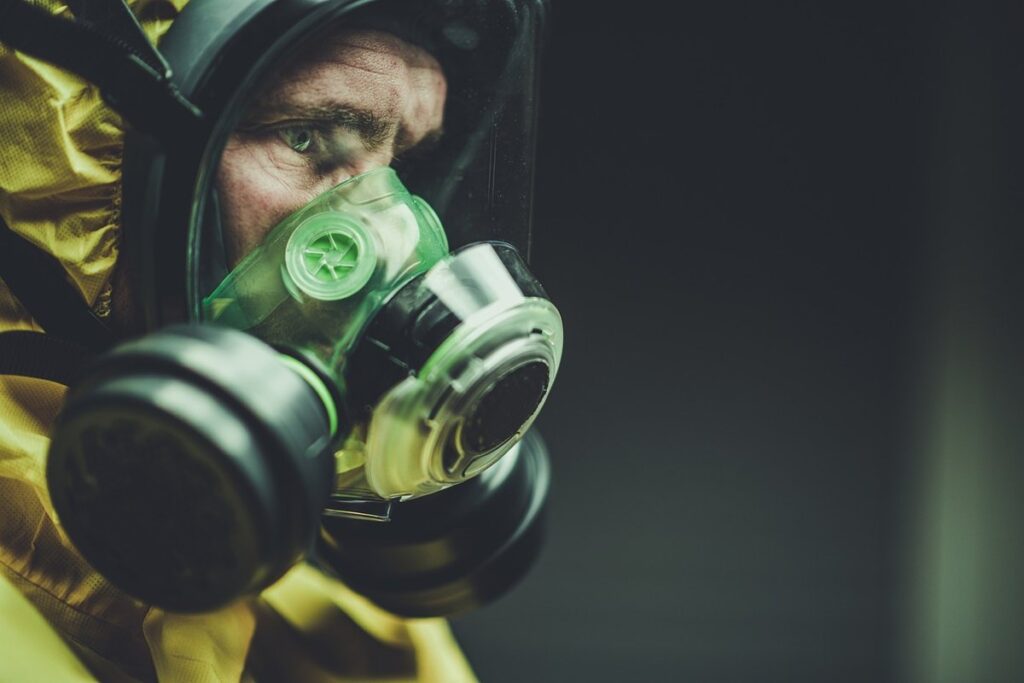
When handling your flock, it’s essential to wear Personal Protective Equipment (PPE) to prevent exposure to diseases and injury. The types of PPE you’ll need may vary depending on the specific task, but common essentials include gloves, masks, and eye protection.
Gloves should be worn during tasks that involve direct contact with birds or their droppings, such as egg collection, vaccinations, or broodering. Choose waterproof, disposable gloves made from materials like nitrile or latex to prevent the spread of bacteria. Always change your gloves after handling soiled areas and before moving on to clean areas.
Face masks are also crucial when working with birds that may carry respiratory diseases. Opt for masks designed to filter out airborne pathogens and make sure they fit snugly around your nose and mouth. Eye protection, including goggles or safety glasses, is necessary during tasks like beak trimming, vaccinations, or other procedures where there’s a risk of splashback.
When using PPE, remember to follow proper hygiene protocols: change gloves frequently, dispose of used masks and eye protection properly, and thoroughly wash your hands after removing PPE. By taking these precautions, you’ll significantly reduce the risk of disease transmission within your flock and keep yourself safe from potential hazards.
Training and Education
Educating personnel on biosecurity principles is crucial to maintaining a healthy flock. Recognizing potential risks and adhering to established protocols can significantly reduce the likelihood of disease introduction or spread. To ensure this, it’s essential to provide regular training sessions for all staff members, including new hires.
During these training sessions, emphasize key points such as proper hand washing techniques, the importance of changing clothing and shoes before entering the flock area, and how to identify potential biosecurity breaches. Provide real-life examples or case studies of flocks that have been affected by poor biosecurity practices to drive home the importance of adherence.
Some practical tips for training personnel include:
* Creating a comprehensive employee handbook that outlines biosecurity protocols
* Conducting regular drills and simulations to test staff preparedness
* Encouraging an open-door policy where staff can report any concerns or issues related to biosecurity
* Providing rewards or incentives for employees who consistently adhere to biosecurity protocols
Monitoring and Record Keeping
Proper monitoring and record keeping are crucial components of a robust flock biosecurity plan, helping you track health trends and respond quickly to issues as they arise. Keep accurate records of vaccinations, medications, and any changes in your flock’s behavior or condition.
Regular Health Checks
Regular health checks are an essential part of maintaining flock biosecurity. These checks not only help you identify potential issues early on but also allow for prompt action to be taken to prevent the spread of disease and injury.
When conducting regular health checks, observe your birds’ behavior closely. Look out for any changes in appetite, water intake, or activity level, as these can be indicative of underlying health issues. Check for signs of stress or discomfort, such as ruffled feathers, labored breathing, or unusual vocalizations. Monitor the cleanliness and condition of enclosures, ensuring that they are well-ventilated, free from drafts, and easily accessible.
During health checks, inspect each bird’s physical condition, including its plumage, beak, and legs. Check for any visible wounds, lesions, or signs of parasite infestation. Keep a close eye on birds that show abnormal behavior, such as huddled together, panting excessively, or hiding from the rest of the flock. If you notice anything unusual, report it immediately to your veterinarian.
By incorporating regular health checks into your flock management routine, you can detect potential issues before they become serious problems and take steps to prevent their spread within the flock.
Recording Biosecurity Measures
Accurate record-keeping is essential for monitoring and evaluating the effectiveness of biosecurity measures. By documenting vaccinations, treatments, and environmental conditions, you’ll be able to identify areas that need improvement and make data-driven decisions to protect your flock.
When it comes to vaccinations, keep a detailed log of each bird’s vaccination history, including the date, type of vaccine, and any adverse reactions. This information will help you track the effectiveness of your vaccination program and ensure that all birds are up-to-date on their shots. For example, if you notice a high incidence of respiratory disease in your flock, reviewing your vaccination records may reveal gaps in coverage or inadequate dosing.
Regularly monitoring environmental conditions is also crucial to maintaining biosecurity. Keep records of temperature, humidity, and ventilation levels, as well as any changes made to the facility’s layout or equipment. This data will help you identify potential risk factors for disease transmission and make adjustments to mitigate them. For instance, if your records show a correlation between high humidity and increased incidence of bacterial infections, you can take steps to improve ventilation and reduce moisture levels in the coop.
Integrating Technology into Your Flock Biosecurity Plan
Now that you have a solid foundation for your flock biosecurity plan, let’s explore how technology can be used to enhance its effectiveness and protect your birds.
Automation and Monitoring Systems
When it comes to flock biosecurity, having real-time data on temperature, humidity, and air quality can be a game-changer. Automation and monitoring systems can provide you with valuable insights into the health of your flock, helping you identify potential issues before they become major problems.
For instance, temperature sensors can alert you when the temperature in the coop is getting too high or low, allowing you to take action to prevent heat stress or hypothermia. Humidity monitors can detect any fluctuations that may lead to respiratory issues or other health problems. Air quality sensors can track levels of ammonia and carbon dioxide, giving you early warning signs of potential issues.
By integrating automation and monitoring systems into your flock biosecurity plan, you’ll be able to respond quickly and effectively to changing conditions. This means fewer sick birds, reduced medication use, and lower mortality rates. It’s also more cost-effective than constantly sending people out to manually check on the coop or relying on manual monitoring methods.
For example, a farm in Iowa used sensors to monitor temperature and humidity levels, reducing heat stress-related deaths by 30%. By investing in automation and monitoring systems, you can achieve similar results and protect your flock from disease and injury.
Using Data for Decision Making
Data plays a crucial role in informing decision-making when it comes to flock biosecurity. This is where data analysis comes into play. By collecting and analyzing data from various sources such as temperature logs, health records, vaccination schedules, and water quality tests, you can identify trends and patterns that may indicate potential risks or issues within your flock.
For instance, if you notice a spike in mortality rates during a particular season or time of year, it may be due to an underlying issue such as heat stress or disease. By analyzing this data, you can adjust your biosecurity plan accordingly. For example, you might implement additional measures to cool down the birds during hot weather or adjust the vaccination schedule to target specific diseases.
Regularly reviewing and updating your biosecurity plan with new data will help ensure that it remains effective in protecting your flock from disease and injury.
Frequently Asked Questions
What if I’m not sure where to start with implementing a flock biosecurity checklist?
Start by conducting a thorough risk assessment of your farm, including your birds’ living conditions, personnel practices, and existing security measures. Identify the most critical areas that need improvement and prioritize those in your plan. Don’t be afraid to seek expert advice or guidance from local veterinarians or agricultural specialists.
Can I integrate flock biosecurity into our existing management systems?
Yes, integrating flock biosecurity into your existing management systems is not only possible but also highly recommended. By incorporating measures like sanitation protocols, personnel training, and monitoring systems into your daily operations, you can streamline your efforts while maintaining robust biosecurity practices.
How do I handle emergencies or unexpected events that may compromise my flock’s health?
In the event of an emergency or unexpected disease outbreak, it’s essential to stay calm and follow established emergency protocols. Ensure that all necessary contact information for local veterinarians, animal health experts, and regulatory authorities is readily available. Regularly review and update your emergency plan to address potential vulnerabilities.
Can I use automation systems to enhance my flock biosecurity?
Automation systems can be a valuable asset in maintaining robust biosecurity practices. By integrating data analytics and monitoring technologies into your existing infrastructure, you can track and adjust your operations more effectively, detecting potential risks before they materialize.
What about personnel who may not fully understand or adhere to our biosecurity protocols?
Yes, educating and training all farm personnel on flock biosecurity best practices is crucial for long-term success. Develop a comprehensive training program that includes hands-on demonstrations of proper cleaning procedures, personal protective equipment (PPE) usage, and the importance of reporting any unusual symptoms or concerns. Regular refresher courses can also help reinforce new skills and habits.