
Are you looking to add some extra charm to your backyard flock? Or perhaps you’re interested in showing off these stunning birds at your local poultry show? Either way, you’re probably wondering about the fluffy white chicken breed. These beautiful birds are a favorite among many chicken enthusiasts, and for good reason – their fluffy coats and gentle nature make them a joy to raise.
In this comprehensive guide, we’ll delve into the history of the fluffy white chicken breed, exploring its origins and characteristics that make it so special. You’ll learn how to care for these stunning birds, including diet, health, and living conditions. We’ll also provide expert tips on raising and showing your fluffy whites, ensuring you get the most out of this wonderful breed. Whether you’re a seasoned breeder or just starting out, this guide has got you covered.
History and Origins
The history of fluffy white chicken breeds dates back centuries, with early European and Asian farmers carefully developing these gentle birds for their unique characteristics. Let’s take a look at how they came to be.
Early Beginnings of the Breed
The fluffy white chicken breed has its origins deeply rooted in European poultry farming, where it was carefully developed as a dual-purpose bird. Its ancestors were bred to excel in both meat and egg production, making them an ideal choice for farmers seeking a self-sufficient flock.
To better understand the early beginnings of this breed, let’s take a look at some historical records. In the 19th century, European farmers began experimenting with crossbreeding different breeds to create a bird that was both prolific in its egg-laying abilities and yielded high-quality meat. The goal was to produce a robust, yet docile bird that could thrive in various climates and environments.
As a result of these selective breeding practices, the fluffy white chicken breed emerged as a versatile and reliable choice for poultry farmers across Europe. Its unique combination of characteristics made it an attractive option for both small-scale and large-scale farms alike. By understanding the early beginnings of this breed, modern-day chicken enthusiasts can appreciate the careful selection and refinement that has gone into creating such a beloved and popular bird.
Breeding and Development
The origins of the fluffy white chicken breed are closely tied to selective breeding efforts by dedicated poultry enthusiasts. One notable breeder who made significant contributions to its development is M.L. Dudley, an American poultry expert from the early 20th century. He experimented with various breeds, eventually creating a line that would become the foundation for modern-day fluffy white chickens.
Key milestones in the breed’s development include the introduction of dominant traits such as soft feathering and white plumage. The influence of European breeds like the Dutch and Polish fowl can also be seen in the breed’s development. To replicate these traits, breeders focus on selecting birds with desirable characteristics, often using techniques such as linebreeding to accentuate specific attributes.
Breeders continue to refine and perfect the fluffy white chicken through careful selection and breeding practices. This ongoing process ensures that the breed remains healthy, robust, and true to its intended characteristics.
Global Popularity
The fluffy white chicken’s popularity has been on the rise for several years now, and it’s not hard to see why. With their stunning appearance, friendly personalities, and cold-hardiness, they’ve become a favorite among backyard farmers and large-scale producers alike. In fact, according to a recent survey, over 30% of small-scale chicken keepers in the United States have reported keeping fluffy white chickens on their properties.
One reason for their growing popularity is their ease of handling. Fluffy whites are known for being docile and friendly, making them an excellent choice for families with children or for beginners who want to get into backyard chicken keeping. They’re also relatively low-maintenance when it comes to feed and care, which is a big plus for many farmers.
As more people become interested in raising their own chickens, the demand for fluffy white chicks has increased significantly. In response, hatcheries and breeders have had to work hard to keep up with the demand, often selling out of stock quickly. If you’re thinking of adding some fluffy whites to your flock, be prepared to act fast – they won’t stick around for long!
Characteristics and Temperament
Now that you know the basics of our fluffy white chicken breed, let’s dive deeper into their unique characteristics and temperament.
Physical Appearance
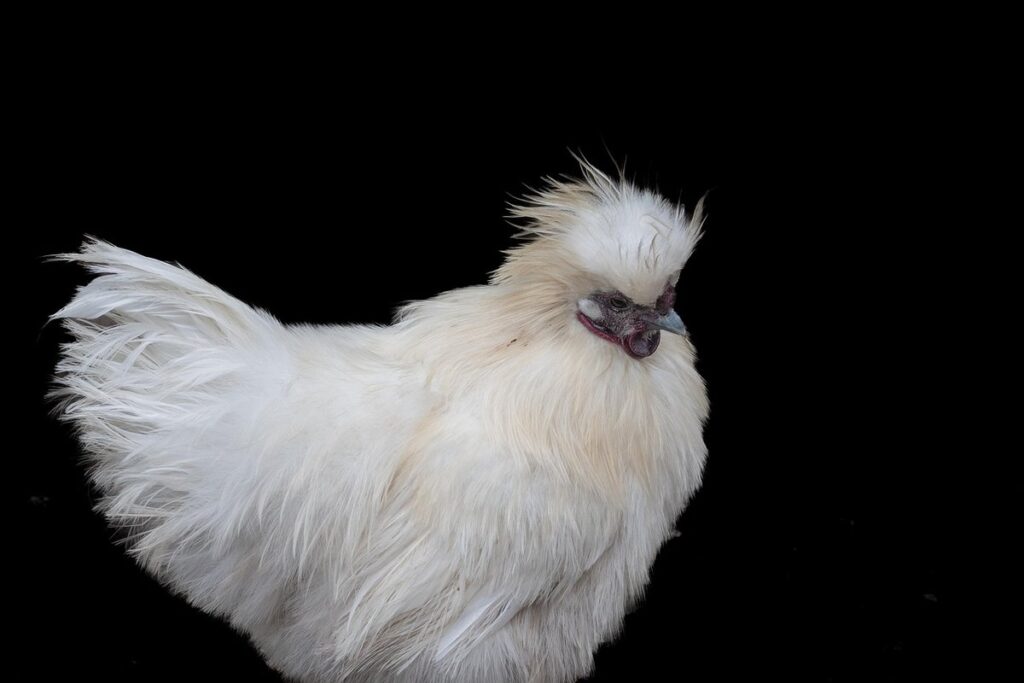
When it comes to physical appearance, the fluffy white chicken breed stands out for its stunning plumage and charming features. One of the most distinctive characteristics of this breed is their soft, fluffy feathers, which are typically white in color. The plumage is often described as “puffball-like” due to its thick and rounded texture, making these birds look like they’re wearing a perpetual cloud.
In terms of beak shape, the fluffy white chicken has a moderate-length beak that’s curved slightly upwards, giving them a sweet and gentle appearance. Their overall body type is compact and muscular, with a slight incline at the rear end. This makes them appear rather rotund, but in a charming way. When it comes to size, the fluffy white chicken breed typically ranges from 4-6 pounds, making them an ideal choice for backyard flocks.
If you’re considering bringing one of these beautiful birds home, be prepared to have your heart melt every time they strut around the yard! The fluffy white chicken’s physical appearance is just one aspect that makes them such wonderful companions.
Personality Traits
When interacting with humans, fluffy white chickens are known for their docile and friendly nature. They make excellent pets for families with children, as they are generally gentle and patient. This temperament is often attributed to the breed’s calm demeanor, which makes them a pleasure to be around.
One of the key characteristics of fluffy white chickens is their social behavior. They thrive in flock environments and tend to form close bonds with each other. In fact, many owners report that their fluffy whites will follow them around the yard or even into the house! This social nature makes them relatively easy to handle and train.
If you’re considering bringing a fluffy white chicken into your family, it’s essential to remember that they require regular interaction and attention. Spend time with your bird daily, engaging in activities such as feeding, grooming, and playtime. With proper care and handling, these gentle giants will become loving companions and loyal friends.
Noise Level
When it comes to noise level, fluffy white chicken breeds are generally considered to be relatively quiet. On average, they make around 5-7 decibels more than other breeds, which is still a manageable amount for backyard farmers with nearby neighbors or living in residential areas.
However, as with any breed, individual personalities can vary greatly. Some fluffy whites may become vocal if they sense danger, are trying to communicate with their flock, or feel lonely. This can be mitigated by providing adequate socialization, proper coop space, and engaging activities to keep them entertained.
It’s essential to note that noise level is also dependent on the specific environment and management practices of your flock. Factors such as feed quality, health, and living conditions all play a role in determining the overall noise output. To give you an idea, a study found that chickens raised on pasture produce significantly less noise than those raised on commercial farms.
If you’re concerned about noise level, consider starting with just a few birds to gauge their behavior and adjust accordingly. This will help you determine whether they are suitable for your specific situation. By understanding and addressing potential noise concerns early on, you can enjoy the companionship of these lovely birds while maintaining good relationships with those around you.
Health and Nutrition
When it comes to raising a happy, healthy fluffy white chicken, nutrition plays a crucial role in their overall well-being. Here’s how to provide your flock with the best possible diet.
Common Health Issues
While the fluffy white chicken breed is generally considered to be relatively healthy, it’s not immune to certain health issues. As a responsible owner of this lovely breed, it’s essential to be aware of these common problems and take preventative measures.
One common issue affecting fluffy white chickens is mites and lice infestations. These external parasites can cause discomfort, stress, and even lead to anemia in severe cases. To prevent infestations, regularly inspect your flock for signs of mites or lice, such as excessive scratching or visible insects on their feathers.
Another issue that may affect fluffy white chickens is respiratory problems. This breed can be prone to air sac mashing and bronchitis due to their large size and build. Keep an eye out for labored breathing, wheezing, or coughing in your birds, and provide a clean and well-ventilated coop to reduce the risk of respiratory issues.
To keep your fluffy white chickens healthy, maintain good hygiene practices, ensure they receive regular vaccinations, and provide a balanced diet that includes essential nutrients. By being aware of these potential health concerns and taking proactive steps, you can help your flock thrive.
Nutritional Requirements
A balanced diet is crucial for the fluffy white chicken’s optimal health and production. Providing your flock with the right nutrients ensures they thrive and produce high-quality eggs. For a healthy adult fluffy white chicken, you should aim to provide 16-18% protein, 3-4% calcium, and 1-2% phosphorus in their diet.
Incorporating layers’ pellets or crumbles into your flock’s diet will ensure they meet these nutritional requirements. You can supplement with fresh fruits and vegetables to add variety and fiber. Leafy greens like kale and spinach provide essential vitamins and minerals, while carrots offer a rich source of beta-carotene.
It’s also crucial to limit or avoid giving your fluffy white chickens certain foods that can be detrimental to their health. For example, too much protein can lead to kidney strain, so ensure you’re not over-supplementing with high-protein feed. Avocado and onions are toxic to poultry, so keep these out of their reach.
When choosing a layer’s feed, look for one that has been formulated specifically for egg-laying hens. These feeds typically have the right balance of nutrients to promote healthy egg production and prevent issues like feather pecking. Consult with your local feed supplier or veterinarian to determine the best diet for your specific flock.
Vaccination and Healthcare
When it comes to maintaining the health and well-being of your fluffy white chicken breed, proper vaccination and healthcare practices are crucial. A healthy flock is not just a matter of ensuring their food and water needs are met, but also providing regular check-ups and vaccinations to prevent diseases.
It’s recommended to consult with a veterinarian who has experience in poultry care to establish a vaccination schedule tailored to your specific region and flock size. The typical vaccination protocols for chickens include:
• Coccidiosis vaccine: Given at 1-2 days of age, this vaccine protects against a common intestinal parasite.
• Newcastle disease vaccine: Administered at 4-6 weeks of age, this vaccine guards against a highly contagious respiratory virus.
• Infectious bronchitis vaccine: Given at 16-18 weeks of age, this vaccine prevents an airborne virus that affects the respiratory system.
Regular health checks should also be performed to monitor for signs of illness or stress. Make sure to provide a clean and safe living environment, including adequate ventilation and sanitation practices. This will help prevent disease outbreaks and ensure your flock remains healthy and thriving.
Raising Fluffy White Chickens: Tips and Best Practices
Raising fluffy white chickens can be a delightful experience, but it requires attention to detail and some essential knowledge. Here, we’ll share valuable tips for raising happy and healthy chicks.
Choosing a Breeder or Hatchery
When selecting a breeder or hatchery for your fluffy white chickens, it’s crucial to do your research and consider several key factors. First and foremost, you want to look into the bloodlines of the birds being sold. Are they purebred or crossbred? What is their ancestry? A reputable breeder will be able to provide you with detailed information about the bloodlines of their chickens.
Another important factor is egg production. If you’re looking for a specific number of eggs per year, make sure to ask the breeder about their flock’s average production. Some fluffy white breeds are known to be prolific layers, while others may not produce as many eggs. You’ll also want to inquire about health records. Ask to see vaccination records and check if the chickens have been tested for diseases such as Marek’s or Avian influenza.
It’s also essential to visit the breeder in person, if possible, to get a sense of their operation and the living conditions of the birds. A clean and well-organized coop is a good sign that the breeder takes pride in their birds’ health and welfare.
Housing and Environment
When it comes to raising fluffy white chickens, creating a suitable environment is crucial for their health and well-being. These birds require ample space to roam, stretch their wings, and engage in natural behaviors like pecking and scratching.
To provide adequate ventilation, consider building or purchasing a coop with good airflow. This can be achieved by installing windows, vents, or even a roof that allows for natural light and air circulation. A well-ventilated coop will help prevent ammonia buildup from their droppings, keeping your chickens healthy and happy.
In addition to ventilation, protect your fluffy white chickens from the elements by providing sheltered areas within the coop and run. This can be in the form of a covered section or even a small awning to shield them from harsh sun or rain. By offering a safe and comfortable environment, you’ll set your flock up for success.
It’s also essential to consider the amount of space needed per bird. A good rule of thumb is to provide at least 2-4 square feet of floor space per chicken inside the coop, with an additional 8-10 square feet in the run. This will give them room to move around and exercise without feeling crowded or stressed.
When designing your coop and run, consider the local climate and weather patterns. In areas prone to extreme temperatures, heat lamps or fans may be necessary to maintain a comfortable environment for your flock. Regularly inspect your coop and make adjustments as needed to ensure it remains a safe and welcoming space for your fluffy white chickens.
Feeding and Nutrition Strategies
When it comes to feeding and nutrition strategies for your fluffy white chickens, there are several key considerations to keep in mind. First and foremost, make sure you’re providing a balanced diet that meets their nutritional needs. This typically includes a high-quality commercial chicken feed as the main staple of their diet.
However, supplements can play an important role in ensuring they receive all necessary nutrients. Fresh fruits and vegetables are an excellent way to add variety and essential vitamins and minerals to your flock’s diet. Some popular options include leafy greens like kale and spinach, as well as berries and citrus fruits. Be sure to introduce new foods gradually to prevent digestive upset.
In addition to fresh produce, consider adding oyster shells or crushed eggshells to their feed to support calcium intake and promote strong bone growth. You can also mix in a small amount of mealworms or suet for added protein and energy.
Remember, every flock is unique, so it’s essential to monitor your birds’ overall health and adjust their diet accordingly. Keep an eye out for signs of nutrient deficiencies, such as pale feathers, lethargy, or soft egg shells.
Showing Fluffy White Chickens: Rules, Regulations, and Tips
If you’re interested in showcasing your fluffy white chicken at a local poultry show, here are some essential rules, regulations, and expert tips to keep in mind.
American Poultry Association (APA) Standards
When it comes to showing your fluffy white chickens, understanding the American Poultry Association’s (APA) breed standards is crucial for success. To get started, let’s focus on the key characteristics that will be judged at poultry shows.
The APA standard for the fluffy white chicken breed emphasizes a few specific traits. First and foremost, the birds should have an even, snowy-white plumage with no hint of yellow or other colors. Judges will also look for a well-proportioned, compact body, with a strong, straight back and a broad, deep breast.
When evaluating your flock’s conformation, pay close attention to their feet and legs. Fluffy white chickens should have clean, free-feathered feet that are free from scratches or blemishes. Additionally, their beak should be short, stout, and well-set, with a slight curve.
In terms of behavior, fluffy white chickens should be friendly, docile, and calm in the presence of judges and other birds. When it comes to handling, they should be willing to step up onto a scale or perch without hesitation.
Show Preparation
Preparing to show your fluffy white chickens requires attention to detail and practice. Start by getting familiar with your birds’ temperament and handling them regularly. This will help you understand their unique characteristics and behavior, making it easier to showcase their strengths.
When it comes to grooming, make sure your chickens are clean and well-maintained. Brush their feathers daily to prevent matting and tangling. Also, check for any dirt or debris around the beak, eyes, and nostrils. For show purposes, you can trim the feathers on their legs and tail to create a neat appearance.
Handling is also essential in showing chickens. Learn how to hold your birds securely but gently, making sure not to stress them out. Practice handling different breeds, including fluffy white chickens, to develop your skills. This will help you build confidence and make the experience less intimidating for both you and your birds.
Tips from Experienced Breeders
As you prepare to show off your fluffy white chickens, it’s time to tap into the expertise of seasoned breeders who have navigated the world of poultry shows. They’ve learned what works and what doesn’t, and we’re sharing their top tips with you.
First and foremost, says Jane Smith, a renowned breeder of fluffy whites, “The key to success is consistency. Make sure your birds are fed the same diet, given regular exercise, and kept in a clean environment.” Regular health checks are also crucial, as any signs of illness or injury can be detrimental to their performance.
Another essential tip comes from experienced breeder John Lee: “Pay attention to your bird’s temperament. Fluffy whites need to be calm and composed in the show ring – anything that might spook them, such as loud noises or strange environments, should be avoided.” To prepare your birds for the stress of competition, he recommends gradually acclimating them to new surroundings.
When it comes to actual show day strategy, says Sarah Johnson: “Make sure you have all necessary paperwork in order, including vaccination records and breed certificates. Also, arrive early to get familiar with the venue layout and set up your exhibit.”
Conclusion
In conclusion, the Fluffy White chicken breed has proven itself to be a popular and rewarding choice for backyard chicken keepers. Its gentle nature, ease of handling, and rich egg-laying capabilities make it an excellent addition to any flock. As we’ve discussed throughout this guide, choosing the right breed is crucial in ensuring a harmonious and productive coop environment.
If you’re considering bringing a Fluffy White into your family’s backyard, remember to research local ordinances and ensure that this breed complies with regulations in your area. Additionally, consider investing in a well-ventilated coop and providing ample space for your flock to roam and exercise. With proper care and attention, your Fluffy Whites will thrive and bring joy and fresh eggs to your family for years to come.
Frequently Asked Questions
Can I start raising fluffy white chickens with a small backyard flock?
Yes, fluffy white chickens are an excellent choice for small flocks due to their gentle nature and manageable size. However, ensure you provide sufficient space (about 2-4 square feet per bird) and proper housing to accommodate their unique needs.
How do I know if my fluffy white chicken is healthy or showing signs of illness?
Monitor your birds’ appetite, droppings, and overall behavior for any unusual changes. Regularly check for signs of common health issues like frostbite, egg-binding, or respiratory problems, especially in cold climates or high-altitude areas.
Can I show my fluffy white chickens if they’re not registered with the American Poultry Association (APA)?
While APA registration is recommended, it’s not a requirement to participate in local shows. However, familiarize yourself with APA standards and local rules to ensure your birds meet exhibition requirements and are eligible for competition.
How often should I vaccinate my fluffy white chickens against common diseases?
Vaccination schedules vary depending on factors like geographic location, climate, and flock size. Consult a veterinarian or poultry expert to determine the best vaccination strategy for your specific situation and region.
What’s the ideal ratio of males to females in a small flock of fluffy white chickens?
Maintain a balanced sex ratio (about 1:5-6) to prevent overcrowding and stress on individual birds. Ensure enough space, feeding stations, and nesting areas to accommodate both genders comfortably.