
As a backyard chicken enthusiast, you’re no stranger to the challenges that come with raising healthy birds. One of the most frustrating problems facing poultry owners is the presence of pesky flies in their coop. These unwanted visitors can not only drive your flock crazy but also spread disease and stress them out. Fly traps are an effective solution to this problem, and they’re easier to implement than you think. In this article, we’ll explore the different types of fly traps available, share expert advice on where and how to place them in your coop for maximum effectiveness, and provide long-term maintenance tips so that you can enjoy a pest-free and healthy environment for your feathered friends.
Understanding the Importance of Fly Control
When it comes to raising happy and healthy chickens, minimizing the presence of flies is crucial for your flock’s well-being. In this section, we’ll explore why effective fly control is essential.
The Risks of Flies in Poultry Coops
Flies can be more than just a nuisance in your poultry coop. They pose a significant threat to the health and well-being of your flock. These tiny insects can transmit diseases such as histomoniasis, blackhead disease, and fowl cholera, which can decimate an entire flock if left unchecked. For instance, histomoniasis is caused by a protozoan parasite that infects the liver and ceca of birds, leading to weight loss, diarrhea, and eventually death.
But flies don’t just spread diseases; they also cause significant stress in your flock. When flies are present, birds become anxious, which can impact their appetite and overall health. This can lead to reduced egg production, as stressed hens may not lay eggs regularly. To put this into perspective, a study found that even minor infestations of flies can decrease egg production by up to 20%.
To prevent these issues, it’s essential to implement effective fly control measures in your coop. Regular cleaning and disinfection are crucial, but also consider using fly traps specifically designed for poultry coops. These traps use attractants such as pheromones or UV light to lure flies away from your flock, reducing the risk of disease transmission and stress. By taking proactive steps to manage fly populations, you can keep your flock healthy, happy, and productive.
Types of Flies Found in Coops
When it comes to fly control in coops, understanding the types of flies that can infest these areas is crucial. Houseflies (Musca domestica) are one of the most common culprits, notorious for spreading diseases and causing health issues in poultry flocks. They’re attracted to manure, decaying matter, and sweet substances, making them a frequent visitor to coops.
Blowflies (Calliphoridae family), also known as bottle flies, lay eggs near wounds or decaying flesh, which can lead to severe infections in birds. These flies are often mistaken for houseflies but have distinctive black and yellow stripes on their backs. Fruit flies (Drosophilidae family) might seem less menacing, but they too can spread bacteria and contaminate food and water.
It’s essential to identify these species quickly, as each requires specific control measures. For instance, eliminating standing water around the coop and proper manure management can help deter houseflies. Regular cleaning, disinfection, and monitoring of fly activity are critical in preventing infestations by blowflies and fruit flies.
Choosing the Right Fly Trap for Your Coop
When it comes to selecting a fly trap for your coop, you’ll want to consider a few key factors, including size, type of attractant, and ease of use. Let’s break down what to look for in a fly trap.
Mechanical vs. Chemical Traps: Which One is Best?
When it comes to choosing a fly trap for your coop, one of the most important decisions is whether to opt for a mechanical (non-toxic) trap or a chemical trap. Both types have their pros and cons that you should consider before making a decision.
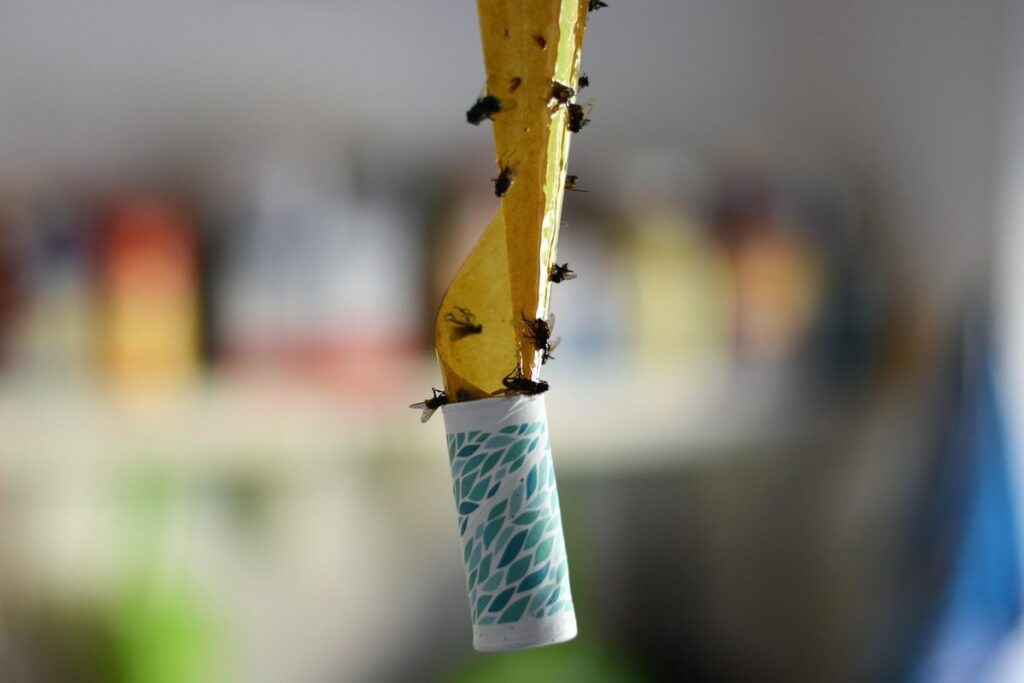
Mechanical traps use physical mechanisms to capture flies, such as sticky surfaces or vacuum suction. These traps are non-toxic and safe for your flock, but they may not be as effective as chemical traps in heavy fly infestations. They also require regular maintenance to ensure their effectiveness. On the other hand, mechanical traps can help reduce fly populations over time without exposing your birds to hazardous chemicals.
Chemical traps, on the other hand, use insecticides or attractants to lure and kill flies. While they are often more effective in the short term, chemical traps pose a risk to your flock’s health if not used properly. Always follow the manufacturer’s instructions for application rates and ensure good ventilation in your coop.
In terms of effectiveness, mechanical traps tend to be more humane and environmentally friendly, but chemical traps can provide faster results. Ultimately, the choice between a mechanical and chemical trap depends on your coop’s specific needs and your willingness to commit to regular maintenance.
DIY vs. Commercial Traps: Pros and Cons
When it comes to fly traps for your coop, you’re likely considering two options: DIY methods or commercial products. Both have their pros and cons, which we’ll dive into below.
DIY fly traps are often a cost-effective solution, as they can be made using household items like jars, vinegar, and dish soap. For example, the classic “vinegar trap” involves filling a jar with apple cider vinegar and covering it with plastic wrap to create a carbon dioxide-filled environment that attracts flies. This method is also eco-friendly and non-toxic, making it a great option for small-scale farmers or backyard chicken keepers.
However, DIY traps may not be as effective in large-scale operations or in areas with high fly populations. Additionally, they often require regular maintenance and replacement of bait, which can become tedious over time. On the other hand, commercial fly traps are designed to be more efficient and long-lasting, with features like UV light technology and insect-killing chemicals that can eliminate a larger number of flies.
Ultimately, whether you choose a DIY or commercial trap will depend on your specific needs and resources. If you have a small coop or prefer a low-cost solution, making your own fly traps might be the way to go. But if you’re dealing with a large-scale operation or want a more reliable and efficient solution, investing in a commercial product may be worth considering.
Setting Up Fly Traps in Your Coop
Before setting up fly traps, make sure you’ve chosen a location that’s out of reach from your chickens to ensure their safety. Next, we’ll walk through step-by-step how to position and place your fly traps effectively.
Placement Strategies for Optimal Effectiveness
When placing fly traps within your coop, it’s essential to position them strategically to maximize their effectiveness. The goal is to catch those pesky flies before they can lay eggs and perpetuate the problem. To do this, place fly traps near areas where flies are most likely to congregate.
Key spots include:
* Near feeding and watering stations: Flies are drawn to food and water sources, so placing a trap nearby will help capture them before they spread disease.
* Over nesting boxes: Female flies often lay eggs in dark, enclosed spaces like nesting boxes. Placing a trap above or next to these areas can help prevent infestations from starting.
* Near manure collection points: Flies are attracted to the smell of waste, so positioning a trap near where you collect droppings will help catch them before they reach other areas of the coop.
Remember to place fly traps in a way that makes it easy to refill or replace them. Avoid placing them too high off the ground, as this can make maintenance difficult and reduce their effectiveness.
Bait Options: What Attracts Flies?
When it comes to setting up fly traps in your coop, one of the most crucial components is the bait. Flies are attracted to certain smells and tastes, which can be replicated using various substances. Sugar is a popular choice as it’s easily accessible and affordable. However, flies are drawn more to fermented or decaying odors, making vinegar a potent option.
Fruit, particularly overripe or spoiled options like apples or bananas, can also entice flies. Mix these baits with the trap’s attractant liquid for maximum effectiveness. Experimenting with different combinations may help determine which bait works best in your coop’s environment.
Some other factors to consider include temperature and humidity levels. Flies thrive in warmer conditions, typically between 65°F to 90°F (18°C to 32°C). Ensure your fly trap is placed in an area that mimics these conditions for optimal results. Always monitor the effectiveness of your chosen bait and adjust as needed to maintain a pest-free environment.
Maintaining Fly Traps for Long-Term Success
To keep your fly traps effective and efficient, it’s essential to maintain them regularly, ensuring they continue to capture pests without creating unpleasant odors or attracting new insects. Regular cleaning is key to their long-term success.
Regular Cleaning and Maintenance
Regular cleaning and maintenance are crucial to keeping your fly traps effective over time. A dirty trap is not only less efficient at catching flies but also becomes a breeding ground for bacteria and other microorganisms that can harm your flock. To keep your fly traps in top condition, aim to clean them every 1-2 weeks, depending on the number of flies present.
Start by disposing of any dead flies or debris collected within the trap. Use a soft-bristled brush to scrub away any sticky residue from the surface of the trap. Mix a solution of soap and water, and use it to wipe down the entire trap, including any metal or plastic components. Rinse thoroughly with clean water to remove any soap residue.
To prevent the growth of bacteria and other microorganisms, make sure to dry your fly traps completely after cleaning. This can be done by leaving them in a well-ventilated area or using a clean towel to wipe them down. Regular maintenance will not only keep your fly traps effective but also contribute to a healthier environment for your flock.
Monitoring and Adjusting Your Fly Control Strategy
Monitoring fly populations is crucial to determining if your control strategy is working effectively. You need to regularly inspect your coop and surrounding areas for signs of flies, such as swarms around food and water sources, or the presence of fly eggs and larvae in droppings.
To do this, set aside time each week to observe your flock’s behavior and take note of any changes. Check for areas with high moisture levels, as these can attract flies quickly. Also, inspect areas near feeding troughs and waterers, as these are common breeding grounds for flies.
If you notice a significant increase in fly populations or persistent problems with fly infestations, it may be time to adjust your control strategy. Consider increasing the number of traps or changing their placement within the coop. You can also try using different types of bait or experimenting with natural deterrents like herbs and spices.
Common Mistakes to Avoid When Using Fly Traps in Coops
When using fly traps in your coop, it’s easy to fall into some common pitfalls that can end up harming your flock instead of helping them. Let’s take a closer look at these mistakes so you can avoid them.
Incorrect Placement or Baiting
When using fly traps in coops, it’s essential to be aware of warning signs that indicate when they’re not being used effectively. If you notice a significant increase in the number of flies in the coop despite having fly traps present, it may be due to incorrect placement or baiting.
Fly traps should be placed in areas where flies are most active, such as near feeders and water sources. However, if the trap is located too far from these areas or in an area with poor airflow, it won’t be effective. Make sure to position the trap at least 6-8 inches above the ground to allow for proper airflow and prevent debris from accumulating.
Another common mistake is using too little bait or the wrong type of bait. Flies are attracted to strong-smelling substances like fruit, vinegar, and wine. Using a small amount of bait or choosing a scent that’s not appealing to flies can lead to reduced effectiveness. Check your fly trap regularly to ensure it has enough bait and consider changing the scent if you’re not getting the desired results.
By being aware of these warning signs, you can adjust your fly trap placement and baiting strategy to keep your flock healthy and pest-free.
Ignoring Underlying Issues
Using fly traps in your coop can be an effective way to control pests, but it’s only half the battle. If you ignore underlying issues such as poor coop ventilation or unsanitary conditions, the effectiveness of fly traps will be severely compromised. Imagine using a high-tech vacuum cleaner to clean up crumbs on the floor, only to leave behind a dirty and dusty environment that creates an ideal breeding ground for pests.
Poor ventilation can lead to moisture accumulation, which in turn attracts flies and other pests. Unsanitary conditions, such as uneaten food and feces left on the floor, create a feast for flies. When fly traps are deployed without addressing these underlying issues, they’re essentially treating the symptoms rather than the cause of the problem.
To avoid this common mistake, take a closer look at your coop’s ventilation system and make sure it’s functioning properly. Regularly clean up uneaten food and feces, and ensure that droppings and bedding are disposed of regularly. Only then can fly traps be an effective tool in keeping your flock healthy and pest-free.
Integrating Fly Traps with Other Pest Control Methods
When using fly traps as a pest control method, it’s essential to consider how they can be integrated with other strategies to create an effective and comprehensive approach. This section explores ways to combine fly traps with existing methods.
Complementary Strategies for Effective Pest Management
Effective pest management involves combining multiple strategies to create a robust defense against pests. When using fly traps in your coop, consider integrating them with other exclusion techniques and sanitation practices to achieve optimal results.
Exclusion is an essential aspect of pest control. Seal all entry points around windows, vents, and doors to prevent flies from entering the coop. Use hardware cloth or fine-mesh screens to cover any openings, ensuring that no fly can squeeze through. Regularly inspect your coop’s exterior for signs of wear and tear, replacing damaged materials promptly.
Sanitation practices are equally crucial in maintaining a pest-free environment. Remove any soiled bedding material, thoroughly clean feeders and water containers, and keep the coop floor free from debris. Implement regular cleaning schedules to maintain high standards of hygiene. By combining fly traps with exclusion techniques and sanitation practices, you can significantly reduce fly populations and create a healthier environment for your flock.
Long-Term Strategies for Sustained Success
When it comes to maintaining a fly-free coop, simply using fly traps as a quick fix isn’t enough. To ensure long-term success and prevent future infestations, you need to implement a more comprehensive approach. This involves identifying the root causes of fly problems in your coop and developing strategies to tackle them.
Regular cleaning is key. Ensure that your coop is spotless, with all surfaces scrubbed clean and manure removed regularly. This will help eliminate potential breeding grounds for flies. Moreover, proper waste management practices are crucial. Dispose of droppings promptly, and consider using composting or manure collection systems to reduce odors and moisture.
Implement a routine cleaning schedule, such as every week during peak fly seasons (spring and summer), to maintain your coop’s cleanliness. Regularly inspect for signs of fly eggs, larvae, or adult flies, and take prompt action if you notice any. By adopting these long-term strategies, you’ll significantly reduce the likelihood of future fly infestations and create a healthier environment for your flock.
Frequently Asked Questions
Can I use fly traps indoors, or are they best suited for outdoor coops?
Yes, you can use fly traps indoors if you have a coop with poor ventilation. However, it’s essential to ensure proper airflow and maintain cleanliness to avoid attracting flies in the first place.
How often should I replace the bait in my fly trap, and what are some signs that it needs to be refilled?
You should replace the bait every 1-2 weeks or sooner if you notice a significant decrease in effectiveness. Signs that your trap needs refilling include reduced catch rates, flies buzzing around the coop despite having a trap, or noticing an increase in fly activity after a few days.
What happens if I have both mechanical and chemical traps in my coop – will they interfere with each other?
Yes, using both types of traps can be less effective due to competition for flies. It’s recommended to use one type of trap to prevent attracting flies away from the other. If you must use multiple traps, place them in different areas of the coop to minimize overlap.
Can I use homemade or DIY fly traps as a long-term solution, or will they eventually lose effectiveness?
Homemade fly traps can be an effective short-term solution, but their lifespan depends on factors like cleanliness and maintenance. They may not last as long as commercial traps, which are designed for repeated use and easier cleaning.
How do I know if my coop’s ventilation system is causing more harm than good when it comes to fly control?
Yes, a well-ventilated coop can sometimes draw in flies from outside the coop. Check your coop’s design and ensure that vents and windows are properly screened to prevent this issue. You may also need to adjust your trap placement or increase the number of traps if you notice this problem persisting.