
Are you ready to embark on a culinary adventure in the great outdoors? Foraging for wild mushrooms is not only an exciting experience, but it also allows you to connect with nature and bring home a bounty of fresh ingredients. As a seasoned mushroom hunter or a beginner eager to learn, you’re likely wondering how to incorporate these delicate fungi into your cooking repertoire. In this article, we’ll show you the ropes on planning a successful wild mushroom hunting trip, identifying edible species, and preparing mouth-watering chicken dishes that showcase the rich flavors of freshly harvested mushrooms from the woods. Whether you’re a foodie or an outdoor enthusiast, we’ve got you covered with expert tips and recipes to make your foraging experience even more enjoyable and rewarding.
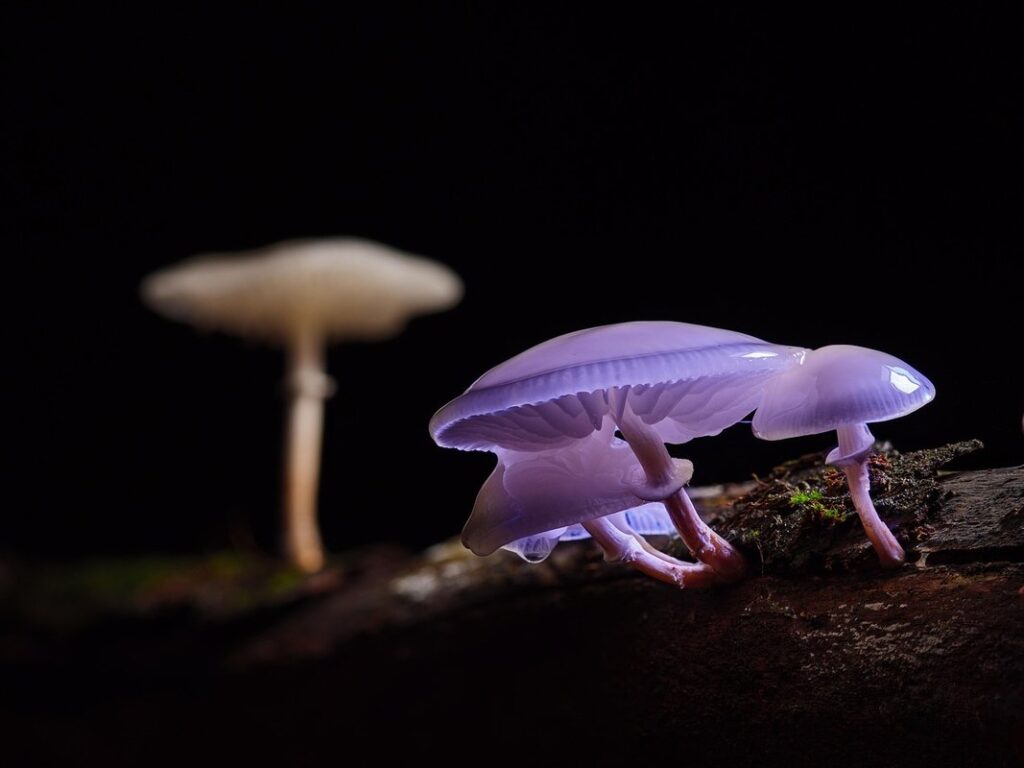
Planning Your Foray into Wild Mushroom Hunting
Before you head out on a wild mushroom hunting adventure, it’s essential to plan ahead and prepare yourself for the great outdoors. This includes researching safe species and learning what to expect from your hunt.
Choosing the Right Location
When venturing into wild mushroom hunting, choosing the right location is crucial for a successful and safe experience. The terrain, climate, and proximity to water sources are essential factors to consider when identifying potential locations.
Start by scouting areas with diverse habitats such as forests, meadows, and woodlands. Look for regions with a mix of sunlit and shaded spots, as this can create an ideal environment for various mushroom species to thrive. Climate also plays a significant role in determining the types of mushrooms that grow in an area. For example, regions with mild winters and cool summers are more likely to have species like chanterelles and oyster mushrooms.
Proximity to water sources is another vital factor to consider. Many mushroom species rely on moisture-rich environments to grow. Rivers, streams, and lakes can all be great indicators of where to find wild mushrooms. Avoid areas with dense development or nearby pollution sources, as these can contaminate the soil and affect mushroom growth. By considering these factors and doing some research, you’ll be well on your way to finding a prime location for your wild mushroom hunting adventure.
Understanding Local Regulations and Safety Precautions
Before you set out to forage for wild mushrooms, it’s essential to understand the local regulations regarding their harvesting. Laws and restrictions vary from region to region, so take some time to research and familiarize yourself with the rules in your area. Some states or countries might have specific permits required for mushroom picking, while others may prohibit certain species altogether.
In addition to knowing the regulations, it’s also crucial to exercise caution when handling wild mushrooms. Some species can cause severe allergic reactions, while others can be poisonous if ingested. Be sure to consult with a trusted field guide or an experienced forager before attempting to identify and harvest any wild mushroom. Always err on the side of caution and never eat a mushroom that you’re not absolutely sure is safe.
When handling mushrooms, make sure to wear gloves to prevent skin irritation and wash your hands thoroughly afterward. Keep a first-aid kit with you in case of emergencies, and be aware of your surroundings to avoid accidental poisoning from other plants or substances.
Seasonal Considerations for Optimal Mushroom Growth
Timing is everything when it comes to wild mushroom hunting. As an adventurous chef foraging for ingredients in the woods, you need to understand the seasonal rhythms that govern mushroom growth. Weather patterns play a significant role in this process.
In general, the best time for mushroom hunting depends on the type of mushroom you’re looking for. For example, morels typically emerge after heavy spring rainfall or when the soil is thawing. Chanterelles, on the other hand, thrive in dry conditions and can be found in late summer or early fall.
Be aware that extreme temperature fluctuations can damage mushrooms, making them harder to find during periods of intense heat or cold. Rainy weather can also cause mushrooms to grow rapidly, but this can make them difficult to identify due to their size and color variation.
To increase your chances of finding the right type of mushroom for your recipe, research specific species and learn about their unique growing patterns.
Identifying and Harvesting Wild Mushrooms
To forage for wild mushrooms, you’ll need to know what species are safe to eat, so we’ll cover a few basics on identifying and harvesting these hidden treasures responsibly. Let’s get started!
Recognizing Common Edible Species
When foraging for wild mushrooms to add to your Mushroom Chicken recipe, it’s essential to be able to recognize common edible species. In the woods, you’ll often come across several varieties that are safe to eat and pair well with chicken.
The Chanterelle mushroom is one such example. Its funnel-shaped cap is typically between 3-6 inches in diameter and has a fruity, apricot-like aroma. You can find them growing in clusters on the ground, often near coniferous trees. Be aware that some species of Chanterelle have a similar appearance but are actually poisonous, so make sure to inspect your finds carefully.
Another common edible mushroom is the Morel. These honeycomb-patterned mushrooms come in white or dark brown and can grow up to 4 inches tall. They prefer rich soil and moist environments, often near ash or elm trees. When harvesting Morels, be gentle to avoid damaging their delicate appearance.
When identifying wild mushrooms, remember that color alone is not a reliable indicator of edibility. Look for physical characteristics like shape, size, and growth habits. Also, be aware of your surroundings and the time of year you’re foraging – some species only grow during specific seasons or in certain environments. Always double-check with an expert guidebook or trusted field companion to ensure you’ve identified a safe and edible variety.
Using Field Guides and Expert Resources
When venturing into the woods to forage for wild mushrooms, it’s essential to exercise caution and diligence when identifying species. A single misidentification can be disastrous, leading to eating a poisonous mushroom that could cause severe health issues or even be fatal.
To avoid such risks, rely on field guides specifically designed for mushroom identification. These comprehensive resources provide detailed descriptions, photographs, and range maps for various species. Some popular and reputable field guides include “Mushrooms Demystified” by David Arora and “The Audubon Society Field Guide to North American Mushrooms” by Gary H. Lincoff.
Consulting with experienced foragers or joining online forums can also be invaluable resources. These networks offer a wealth of knowledge from seasoned experts who have spent years honing their skills in the field. You can learn about local habitats, seasonal availability, and subtle characteristics that distinguish one species from another. Some popular online communities include the Mushroom Identification Facebook group and the Reddit r/mycology community.
By combining these resources with a solid understanding of mushroom anatomy and behavior, you’ll be well-equipped to navigate the complex world of wild mushrooms and make informed decisions about what to harvest for your recipe.
Harvesting Mushrooms without Damaging Ecosystems
When it comes to foraging for wild mushrooms, many enthusiasts get so excited about discovering new species and adding them to their recipes that they forget about the importance of sustainable harvesting. To ensure we can continue enjoying these delicious delicacies for years to come, it’s essential to harvest them without damaging ecosystems.
One key technique is to minimize environmental impact by avoiding areas with sensitive habitats or recent disturbance. For instance, steer clear of water sources, nesting sites, and newly planted trees. When you do find a mushroom patch, carefully examine the surrounding environment to ensure it’s not part of a larger ecosystem that could be disrupted by harvesting.
Another crucial aspect is preserving habitats by only taking what’s needed and leaving some for other foragers or the natural cycle to replenish. Over-harvesting can lead to depletion of species and even extinctions. To avoid this, consider the rule of thirds: take one-third of the mushrooms in a cluster, leave one-third for others, and let one-third regrow.
Remember that responsible mushroom harvesting is just as important as finding the perfect spot or learning about different varieties – both are essential to enjoying wild mushrooms without harming the environment.
Preparing Wild Mushroom Chicken in the Woods
Before we dive into foraging and cooking, let’s cover some essential steps to prepare your wild mushrooms safely and effectively. Gather your gear, including baskets, knives, and a field guide.
Cleaning and Preparing Freshly Harvested Mushrooms
Cleaning and preparing freshly harvested mushrooms is an essential step before cooking them. It’s surprising to note that many mushroom enthusiasts often overlook this crucial process, which can greatly affect the flavor, texture, and overall quality of their final dish.
First, let’s talk about handling different types of mushrooms. Some mushrooms like oyster and shiitake have delicate caps and stems, while others like portobello are more robust. When dealing with fragile mushrooms, gently brush off any dirt or debris using a soft-bristled brush. For tougher varieties, a gentle wipe with a damp cloth is sufficient.
Next, it’s essential to trim the mushroom stems and remove any excess debris. You can use kitchen shears or simply pinch off the stems with your fingers. Be careful not to crush the delicate gills underneath. Rinse the mushrooms under cold running water, then pat them dry with paper towels to prevent excess moisture from affecting their texture.
When preparing wild mushrooms for cooking, it’s also crucial to inspect them closely for any signs of spoilage or damage. If a mushroom has developed an off smell, slimy texture, or shows visible signs of decay, it’s best to err on the side of caution and discard it.
Cooking Techniques for Preserving Flavor and Texture
When cooking wild mushroom chicken in the woods, it’s essential to use techniques that not only preserve the flavor and texture of the dish but also enhance its overall taste experience. Roasting is an excellent method for bringing out the rich flavors of wild mushrooms, especially when paired with herbs like thyme and rosemary. To do this, preheat your campfire cooking grate or a portable grill to 400°F (200°C), then season the chicken with salt, pepper, and any desired herbs. Roast the chicken for about 20-25 minutes, or until it reaches an internal temperature of 165°F (74°C).
Grilling is another fantastic way to cook wild mushroom chicken in the woods. Simply brush the grill grates with oil, then place the chicken on the grates over medium-high heat. Cook for about 5-7 minutes per side, or until the chicken is cooked through and the mushrooms are tender.
Sautéing is a quick and easy method that works well when you’re short on time. Heat some oil in a cast-iron skillet over medium-high heat, then add sliced wild mushrooms and cook until they release their liquid and start to brown. Add the chicken to the pan and cook until it’s cooked through. Finally, stewing is an excellent way to make a hearty and comforting dish. Simply place the chicken and mushrooms in a pot with some broth or stock, bring to a boil, then reduce heat and let simmer for 20-25 minutes.
When cooking wild mushroom chicken, remember that the key is to cook it until it reaches a safe internal temperature of 165°F (74°C). Don’t overcook it, as this can lead to dry, tough meat. Also, be mindful of the type of mushrooms you’re using – some may release more liquid than others during cooking.
Enhancing Flavors with Woodland Herbs and Spices
When foraging for wild mushroom chicken dishes in the woods, it’s essential to incorporate woodland herbs and spices to elevate the flavors. These natural ingredients not only add depth but also complement the earthy taste of the mushrooms.
To start, familiarize yourself with local woodland herbs like thyme, rosemary, and sage. When foraging, look for leaves that are free from signs of pests or diseases. Harvest them sustainably by taking a small portion to avoid damaging the plant. Store them in an airtight container to preserve their potency.
Incorporating these herbs into your cooking is straightforward. Start by mixing chopped thyme and rosemary with olive oil, salt, and pepper as a marinade for your chicken. Alternatively, use sage as a rub by grinding it into a powder and mixing it with other spices. When sautéing the mushrooms, add a few sprigs of fresh herbs to release their oils and infuse the dish with an aromatic flavor.
Some popular woodland spice combinations include black pepper and thyme or rosemary and garlic. Experiment with different blends to find your perfect match.
Cooking Wild Mushroom Chicken Recipes
Let’s dive into some of our favorite wild mushroom chicken recipes, featuring foraged mushrooms and fresh herbs that’ll make your taste buds dance. From earthy morels to rich chanterelles, we’ve got you covered!
Classic Recipes with a Twist
When foraging for wild mushrooms to incorporate into your chicken dishes, it’s easy to get stuck in a culinary rut. But don’t worry, we’ve got you covered with three classic recipes that’ll breathe new life into your mushroom-infused meals.
First up is the timeless Chicken Fricassee recipe. This French-inspired dish typically features tender chicken pieces cooked in a rich cream sauce. To give it a wild twist, sauté sliced wild mushrooms like chanterelles or oyster mushrooms with onions and garlic until they’re fragrant and golden brown. Then add them to your creamy sauce for an added layer of earthy flavor.
For a vegetarian take on the classic Chicken Cordon Bleu, swap out the ham for roasted portobello mushrooms. Stuff chicken breasts with sautéed wild mushrooms, spinach, and feta cheese before rolling them up and baking until golden brown.
Finally, give your Chicken Tikka Masala a wild makeover by using a mixture of sautéed button and wild mushrooms to create a deep, savory sauce. Serve it over basmati rice or with naan bread for a satisfying meal that’s sure to please even the pickiest eaters.
Feel free to get creative and adapt these recipes to suit your personal tastes and dietary needs. Whether you prefer a lighter cream sauce or a spicier kick, the key is to experiment and have fun with it!
Experimenting with New Flavors and Ingredients
As you venture into cooking wild mushroom chicken, don’t be afraid to push the boundaries of flavor and creativity. Experimenting with new ingredients and combinations can lead to truly innovative dishes that reflect the unique essence of foraging in the woods.
Consider pairing earthy mushrooms like chanterelles or porcini with Asian-inspired flavors like soy sauce and ginger. Or, combine the rich taste of wild mushrooms with the brightness of citrus zest and juice. You could even try adding a sprinkle of truffle salt to give your dish an air of sophistication.
The possibilities are endless when you think outside the box (or basket). Why not add some crispy prosciutto or toasted pine nuts for added texture? Or, infuse your chicken with the subtle flavor of fresh herbs like thyme or rosemary. The key is to balance bold flavors and textures in harmony, allowing each component to shine without overpowering the others. Don’t be afraid to get a little wild – it’s all part of the adventure!
Conclusion: Savoring the Experience
As we come to the end of our woodland adventure, take a moment to reflect on the flavors and memories created by cooking Mushroom Chicken in the Woods. Let’s savor this experience together!
Reflecting on the Adventure
As you sit around the campfire, savoring the flavors of your delicious mushroom chicken dish, take a moment to reflect on the adventure that brought this meal to life. Foraging for wild mushrooms in the woods can be a transformative experience, one that connects us with nature and fosters a deeper appreciation for the food we eat.
Remember the thrill of searching through the underbrush, the excitement of spotting a prized morel or chanterelle? The connection you made with the natural world as you carefully selected the ripest, most flavorful mushrooms is not only delicious but also rejuvenating. Sharing your experiences and tips with others can be just as rewarding – join a local foraging group, attend a workshop, or simply swap stories with fellow outdoor enthusiasts.
Don’t be afraid to share your mistakes either! What didn’t work out? What unexpected treasures did you discover? Your experiences will not only help others but also add depth to your own understanding of the woods and its secrets.
Preserving Memories through Recipes
Preserving Memories through Recipes
As you savor the flavors of your wild mushroom chicken dish, remember that the experience extends far beyond the plate. The thrill of foraging for mushrooms, the camaraderie with fellow adventurers, and the connection to nature’s bounty are all valuable aspects of this adventure.
To hold onto these memories, consider documenting your recipes in a journal or online cookbook. Record the types of mushrooms used, their habitats, and any notable challenges encountered during the hunt. This will not only preserve the culinary experience but also serve as a resource for future forays into wild mushroom hunting.
You can also take it a step further by creating visual art inspired by nature – perhaps a watercolor painting or photograph capturing the forest scene where you found your prized mushrooms. Alternatively, write about your experiences in a blog post or short story, sharing tips and insights with fellow enthusiasts.
When crafting these recipes, don’t forget to include the stories behind them. Share tales of triumph over adversity, lessons learned from failures, and the role that nature played in shaping the final dish. This will infuse your creations with an extra layer of meaning and significance, allowing you to relive the adventure every time you cook or share a meal.
Frequently Asked Questions
Can I forage for wild mushrooms with a group or is it best to go solo?
When venturing into the woods with others, be sure to communicate clearly about your intentions and boundaries. A group can provide additional safety and expertise, but also ensure that you have a clear plan in place in case of emergencies.
How do I handle conflicting edible species information from different field guides or experts?
Be cautious when faced with conflicting advice. Consult multiple reputable sources, including local foraging groups or expert resources, to gain a comprehensive understanding of the mushrooms’ identification and edibility.
What are some common mistakes that beginner mushroom hunters should avoid when harvesting?
Common errors include over-harvesting, damaging habitats, and misidentifying species. Practice caution, follow local regulations, and be mindful of your impact on the environment to ensure sustainable foraging practices.
Can I use household cleaning products or other chemicals to clean my freshly harvested mushrooms?
No. Avoid using harsh chemicals that can damage the delicate flesh of wild mushrooms or leave behind residues that may affect flavor and safety. Instead, gently rinse them with cold water or use a mild vinegar solution to remove dirt and debris.
How do I store and preserve my freshly harvested mushrooms for longer-term use in cooking?
To maintain freshness, keep your wild mushrooms cool (around 40°F) and dry. Store them away from direct sunlight and strong-smelling foods. Use breathable containers like paper bags or mesh bags to prevent moisture buildup and extend their shelf life.