
If you’re like many backyard flock owners, you’ve likely encountered the unwelcome guests that can wreak havoc on your precious chickens: foxes and coyotes. These cunning predators are known to cause significant damage to poultry flocks, causing stress and financial loss for chicken enthusiasts. Protecting your backyard flock from these threats requires a solid understanding of predator behavior and effective prevention methods.
In this article, we’ll delve into the world of fox and coyote defense, providing expert advice on recognizing signs of predation, non-lethal deterrents, and essential steps to safeguard your flock. From understanding the habits of these predators to learning how to humanely deter them, we’ll cover it all. Whether you’re a seasoned chicken owner or just starting out, this article will equip you with the knowledge necessary to keep your backyard chickens safe from foxes and coyotes.
The Rise of Predation in Backyard Flocks
In recent years, many backyard flock owners have witnessed a disturbing trend: an increase in predation attempts by foxes and coyotes. We’ll examine the reasons behind this surge in attacks.
Recognizing the Threat: Identifying Foxes and Coyotes
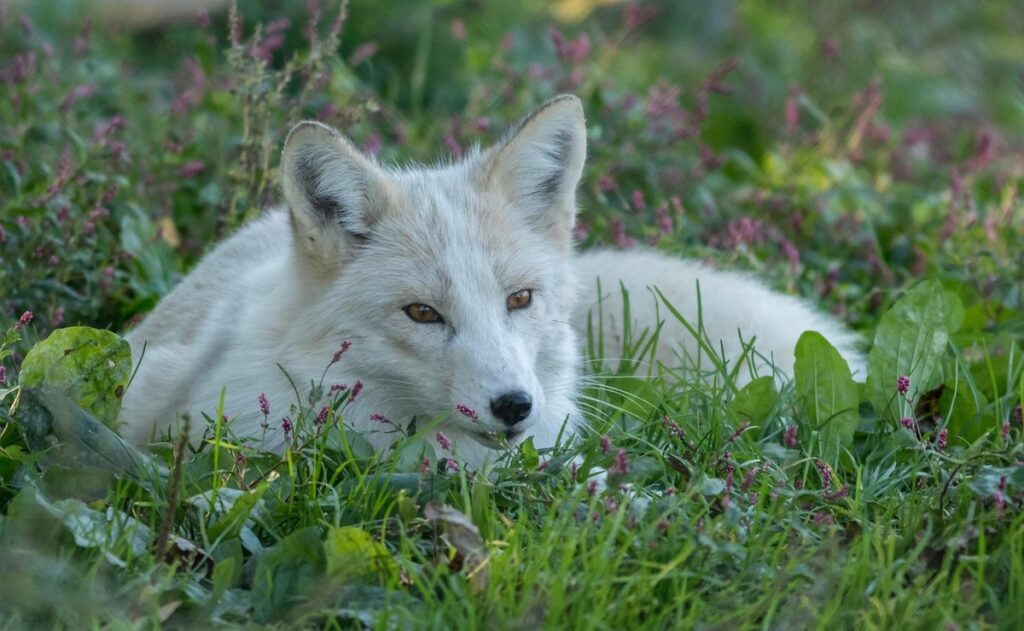
Identifying foxes and coyotes requires attention to their physical characteristics, habits, and habitats. Foxes are typically smaller than coyotes, with a more slender build and a bushy tail. They have a reddish-orange or gray coat, depending on the species, and often carry their ears up when alert. Coyotes, on the other hand, are larger and more robust, with a gray or brown coat that can range from light tan to dark brown.
When it comes to habits, foxes are generally solitary and primarily nocturnal, while coyotes are more social and adaptable in their activity patterns. Foxes tend to stay within forests, grasslands, or woodlands, whereas coyotes can thrive in a wider variety of environments, including urban areas.
To recognize these predators, pay attention to tracks, scat, and digging behavior around your property. Look for distinctive paw prints with a rounded heel and toes that are often spaced far apart on the ground. Coyote scat is typically larger and more varied than fox scat, with a strong musky odor. Foxes, by contrast, tend to dig shallow holes for resting or hiding.
If you’re unsure about identifying a predator, consult local wildlife experts or animal control services.
Understanding Predator Behavior
When it comes to understanding why foxes and coyotes target backyard flocks, it’s essential to look at their motivations and hunting patterns. These canines are primarily driven by hunger and survival instincts, but they also have a keen sense of opportunism. They’re attracted to the abundance of food available in backyard flocks, often seeing them as an easy meal.
Foxes and coyotes employ stealthy tactics when approaching their prey, using cover and concealment to get close without being detected. They’ll often target vulnerable birds like chicks or the elderly, taking advantage of any weaknesses they find. For example, a fox might stalk a flock for hours, waiting for the perfect moment to strike.
It’s crucial to understand that these predators are not mindless killers; they’re highly adaptable and intelligent creatures with complex social structures. By understanding their behavior and patterns, you can take steps to protect your flock, such as removing food sources like pet food or trash cans, using fencing or netting to enclose the area, and being present during dawn and dusk when predators are most active.
The Role of Foxes in Chicken Defense
When it comes to defending your flock, foxes may not be the first predators that come to mind, but they can actually play a surprising role in keeping coyotes at bay. Let’s explore how this unexpected dynamic works.
Foxes as Natural Predators: A Complex Relationship with Chickens
For centuries, foxes have been living in close proximity to humans, adapting their behavior to exploit available food sources. And what better source of food than a backyard flock of chickens? The relationship between foxes and chickens is complex, driven by both predator and prey instincts.
As humans increasingly encroach on natural habitats, foxes have learned to thrive in these new environments. They’ve developed strategies to exploit chicken resources, often with surprising success. In areas where chickens are kept as pets or for meat, foxes have been known to visit regularly, exploiting vulnerable birds through cunning and stealth. However, this dynamic is not just about predation – it’s also a testament to the resourcefulness of these adaptable predators.
To deter fox attacks, consider removing any attractants from your property, such as pet food left outdoors or fallen fruit that might draw attention to your flock. Install sturdy fencing around chicken enclosures and secure any entry points. Regular monitoring can help you identify potential threats before they strike.
Fox Behavior Around Chickens: Warning Signs and Prevention
When it comes to backyard chicken flocks, fox behavior around chickens can be a significant concern. Foxes are natural predators of chickens and can pose a threat to your flock’s safety if they’re not properly managed. One of the first signs that a fox is interested in your chickens is surveillance. You may notice a fox lingering around the perimeter of your property or observing your flock from a distance.
If you notice a fox exhibiting these behaviors, it’s essential to take action immediately. Foxes are skilled stalkers and can quickly move from observation to attack if they feel like they have a clear advantage. Some common signs that a fox is stalking your chickens include seeing tracks or droppings near the coop or run, noticing unusual digging or burrowing activity around the property, or observing a fox lingering near the chicken flock.
To prevent attacks, make sure your coop and run are secure and escape-proof. Install hardware cloth or chicken wire with openings of 1 inch or less to prevent foxes from slipping through. Consider adding a top layer of netting or electric fencing to deter aerial predators like hawks or owls, which can also be attracted by the presence of a fox.
Fox behavior around chickens can be unpredictable and requires attention to detail. By recognizing potential threats early on and taking proactive steps to secure your flock’s safety, you can minimize the risk of a fox attack and keep your backyard chickens safe.
Coyote Chicken Predation: Understanding the Risks
When it comes to coyotes and chicken predation, understanding the risks is crucial for ensuring your flock’s safety. Let’s dive into what you need to know about this common threat.
Coyotes in Backyard Flocks: The Growing Problem
Coyotes have become increasingly common invaders of suburban and rural areas, adapting remarkably well to human environments. These adaptable predators can easily find themselves at the doorsteps of backyard chicken flocks, posing a significant threat to these small livestock.
The consequences of coyote invasions are severe: losses in egg production, reduced flock health, and even total devastation of entire flocks. Coyotes are highly intelligent and stealthy, making them expert poultry thieves. They often target vulnerable birds, such as young chicks or hens that wander away from their enclosures.
It’s essential to acknowledge the rising threat of coyote chicken predation in order to take preventative measures. This includes securing your flock with sturdy enclosures, using repellents and deterrents, and taking steps to modify your surroundings to discourage coyotes from visiting. By understanding the coyote invasion problem, you’ll be better equipped to join forces with these unlikely allies – foxes, who are also natural predators of coyotes – in protecting your backyard chickens.
Effective Coyote Deterrents for Backyard Flocks
When it comes to protecting your backyard flock from coyotes, deterrents can be an effective solution. One of the most popular methods is using physical barriers such as coyote-proof fencing or chicken runs with sturdy enclosures. These should be at least 6 feet high and made of durable materials like hardware cloth or chicken wire with openings of no more than 1 inch.
Noise-making devices are also a viable option to scare away coyotes. Motion-activated sprinklers, ultrasonic repellent devices, and siren alarms can be used to create an unpleasant environment for the coyote. These devices should be placed strategically around the flock’s enclosure and tested during the day to ensure they function properly.
Another non-lethal deterrent is using visual scarecrows or decoys that mimic predators like hawks or owls. These can be hung from trees or placed within the enclosure to create a sense of presence. Finally, consider planting coyote-repellent plants like lavender, rosemary, or hot peppers around the perimeter of your flock’s area. By combining these deterrents, you can effectively protect your chickens from coyote attacks and maintain a safe environment for your backyard flock.
Chicken Behavior: How Hens and Roosters React to Predators
When it comes to fox and coyote chicken defense, understanding how hens and roosters react to predators is crucial for creating a safe and harmonious flock. Let’s take a closer look at their behavior in these situations.
Stress and Fear Response in Chickens
When predators like foxes and coyotes are present, chickens’ stress and fear responses kick into high gear. This can be an overwhelming experience for hens and roosters alike. As the threat level increases, their bodies release stress hormones like cortisol, which trigger a range of behaviors designed to ensure survival.
In response to danger, chickens often exhibit flight behavior, with many attempting to escape or flee from the perceived threat. However, this can be challenging, especially for backyard flocks confined to smaller spaces. Other signs of stress and fear include increased vocalization, erratic movement, and changes in appetite and sleep patterns.
Hens may become more aggressive towards each other as they try to establish dominance within the group, while roosters take on a protective role, attempting to fend off the predator with loud calls and fierce displays. Recognizing these behavioral cues can help you anticipate and prepare for potential attacks. For example, if you notice increased stress levels among your flock, consider providing additional hiding places or shelter options to give them a sense of security.
Chicken Defense Mechanisms: Pecking Order and Collective Action
In a backyard flock, chickens are not just individual birds, but also members of a complex social hierarchy. This pecking order plays a crucial role in their defense against predators like foxes and coyotes. When threatened, hens and roosters will often work together to chase away the intruder, using their collective strength and coordination.
For example, if a coyote were to approach a coop, the chickens would sound an alarm call, alerting all members of the flock to potential danger. The dominant birds in the pecking order will then lead the charge, pecking and flapping at the predator until it retreats. This collective defense strategy is particularly effective when hens and roosters work together, using their different strengths – the hens’ agility and the roosters’ loud crowing – to their advantage.
In a well-organized flock, chickens will also use decoy tactics to distract predators and lead them away from vulnerable birds or young chicks. By observing your flock’s behavior and social dynamics, you can enhance their natural defense mechanisms and create a safer coop environment for all members of the flock.
Preventive Measures for Backyard Flock Owners
To protect your flock from fox and coyote attacks, understanding preventive measures is crucial to safeguarding their health and well-being. Let’s discuss some essential steps to take.
Securing the Perimeter: Enclosures and Fencing Options
Securing the perimeter of your backyard flock is crucial to preventing fox and coyote attacks. When it comes to fencing materials and enclosure designs, there are several options to consider. One popular choice is high-quality hardware cloth, which is a sturdy mesh material that can withstand even the most determined predators.
Hardware cloth has its pros – it’s relatively inexpensive and easy to install. However, it also has some cons: it may not be as visually appealing as other fencing materials, and it requires regular maintenance to ensure it remains secure. Another option is chicken wire, but this is generally considered less effective against foxes and coyotes due to its loose weave.
Consider using a combination of both hardware cloth and chicken wire for added security. You can also add additional deterrents such as motion-activated sprinklers or ultrasonic repellent devices. When designing your enclosure, keep in mind that foxes and coyotes are excellent jumpers, so the fencing should be at least 6 feet tall to prevent them from clearing it.
When selecting a fence design, consider a perimeter fence that completely encloses your flock’s area. This will help prevent unwanted visitors from entering and reduce the risk of attack.
Other Deterrents: Repellents, Motion-Activated Devices, and More
While repellents and motion-activated devices are not foolproof methods for protecting backyard flocks, they can be effective when used as part of a multi-layered defense strategy. For instance, using predator urine-based repellents around the perimeter of your property may deter coyotes from approaching your flock.
Another option is to install motion-activated devices that emit loud noises or bright lights when triggered by movement. These can startle predators and alert you to potential threats. However, it’s essential to note that some predators, particularly foxes, may become accustomed to these deterrents over time.
Scarecrows are another non-lethal option for protecting your flock. By placing them in strategic locations around the property, you can create a visual deterrent that may discourage predators from approaching. It’s also crucial to regularly inspect and update scarecrow placements as they can be easily knocked down or become less effective over time.
To maximize their effectiveness, consider combining these methods with other defense strategies mentioned earlier in this article.
Conclusion: Integrating Fox and Coyote Prevention into Backyard Flock Management
Now that you’ve learned how foxes and coyotes can be an unlikely defense against predators, let’s explore practical ways to integrate this strategy into your backyard flock management.
Effective Combination Strategies for Maximum Protection
To effectively prevent fox and coyote predation in backyard flocks, it’s essential to combine multiple strategies. Physical barriers are a crucial component of this plan. Consider investing in sturdy chicken coops with secure latches, buried fencing around the perimeter, and netting or hardware cloth to cover the top and any gaps. Deterrents can also be highly effective when used correctly.
For example, installing motion-activated sprinklers, ultrasonic repellent devices, or hot pepper sprays around the coop’s perimeter can deter predators from approaching. Management practices are just as vital in preventing predation. This includes implementing a consistent routine for feeding and watering, securing any food sources outside of the coop, and keeping the area around the flock clean.
It’s also essential to be aware of local fox and coyote populations and their habits. By understanding their behavior and patterns, you can make informed decisions about your flock’s safety.
Continuous Monitoring and Adaptation: A Key to Success
As you’ve learned about the unlikely alliances between foxes and coyotes when it comes to protecting their shared prey, it’s essential to remember that this dynamic is not static. Predator populations can fluctuate, new threats may emerge, and existing ones may adapt or evolve. To stay ahead of these changes, continuous monitoring and adaptation are crucial components of any effective fox and coyote chicken defense strategy.
This means staying vigilant, regularly inspecting your property for signs of predator activity, and adjusting your defense plan accordingly. This might involve implementing new deterrents, modifying the layout of your coop or run, or even relocating your flock to a more secure area. For instance, if you notice an uptick in coyote sightings in your neighborhood, it may be wise to invest in additional fencing or reinforce existing barriers with electrified wire.
By remaining proactive and responsive to changing conditions, you can minimize the risk of predation and ensure the safety of your flock. Remember, foxes and coyotes are highly adaptable predators – so must we be.
Frequently Asked Questions
What if I already have fox or coyote activity near my backyard flock, but I want to prevent further attacks?
If you’ve already experienced predation attempts, it’s crucial to reassess your perimeter security and consider additional deterrents like motion-activated sprinklers or ultrasonic repellent devices. Implementing these measures can help prevent future attacks and provide peace of mind for both you and your flock.
How do I balance predator prevention with the potential impact on local ecosystems?
While protecting your flock is essential, it’s equally important to consider the broader ecological context. You can achieve a balance by choosing non-lethal deterrents that won’t harm predators or disrupt local wildlife habitats. Consider using repellents that mimic natural scents or sounds, which can effectively deter foxes and coyotes without harming them.
What are some common mistakes backyard flock owners make when it comes to predator prevention?
One common mistake is underestimating the severity of the threat or failing to implement a comprehensive defense strategy. Another mistake is relying too heavily on a single deterrent method, which may not be effective in preventing attacks. It’s crucial to combine multiple strategies, such as securing enclosures and using repellents, for maximum protection.
Can I use a combination of physical barriers and non-lethal deterrents together?
Yes! In fact, this approach is highly recommended. By combining physical barriers like fencing with non-lethal deterrents like motion-activated sprinklers or ultrasonic devices, you can create an effective multi-layered defense system that minimizes the risk of predation attempts.
What if I’m unsure about identifying foxes or coyotes in my area – are there any resources available to help?
Yes! Local wildlife experts, animal control services, and online forums dedicated to backyard flock management often provide valuable insights and guidance on identifying predators in your area. Don’t hesitate to reach out for advice, especially when it comes to addressing specific challenges or concerns related to fox and coyote defense.