
As a backyard chicken enthusiast, you know how much joy your flock brings to your life. However, when it comes to protecting them from predators like foxes, many of us can feel anxious and unsure about how to keep our girls safe. Fox-proofing your chicken coop is not just a nice-to-have, but a must-do if you want to safeguard your flock and enjoy the benefits of backyard chicken keeping. In this article, we’ll share expert tips on designing and securing your coop to prevent fox attacks, as well as maintaining its integrity over time. From sturdy materials to clever security measures, we’ve got everything you need to know about fox-proofing your chicken coop and giving you peace of mind that your flock is protected from predators like foxes.
Understanding the Threat of Foxes to Your Chicken Coop
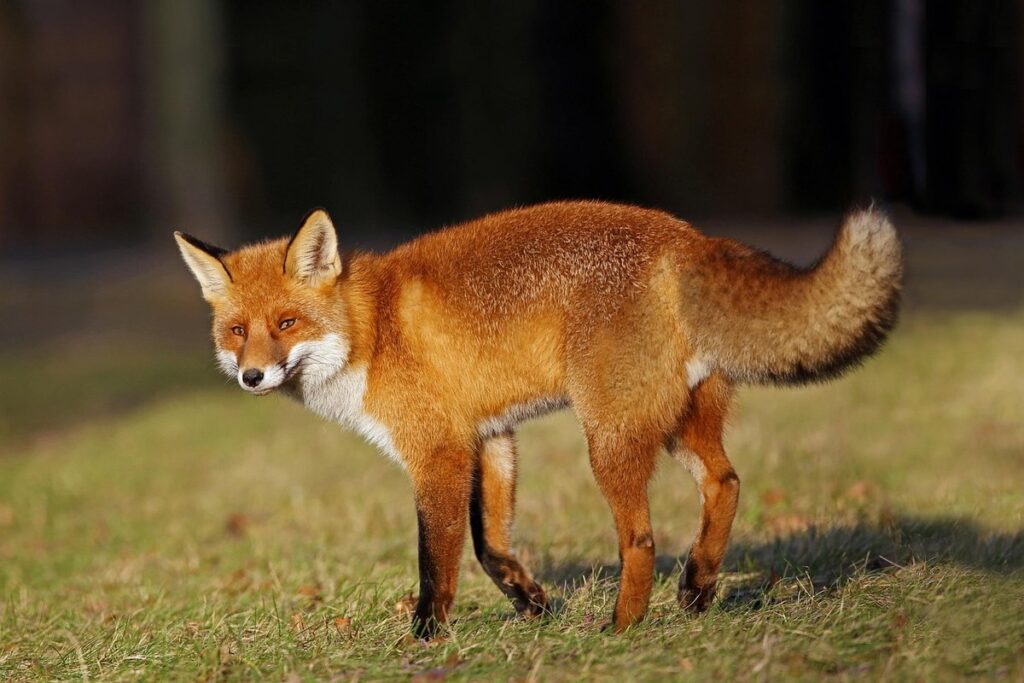
Foxes are one of the most significant threats to your chicken coop, and understanding their behavior is key to keeping your flock safe. Let’s take a closer look at what makes them such cunning predators.
Recognizing the Signs of Fox Activity
Identifying fox signs can be challenging, but being aware of what to look for is crucial in protecting your chicken coop. Foxes are generally solitary and nocturnal animals, which makes them difficult to spot during the day. However, their presence often leaves behind telltale signs.
One way to recognize fox activity is by looking out for tracks. Fox tracks are typically 2-3 inches wide and have a distinctive “M” shape, with the heel of the track being slightly higher than the toe. They often appear in areas where food is abundant, such as near your chicken coop or garden. Keep an eye out for these tracks, especially if you notice them leading up to your coop.
Fox scat is another indicator of their presence. Fox droppings are usually dark brown or black and have a distinctive shape, often resembling a small, curved log. They may also contain seeds, fruits, or bones from the prey they’ve consumed. If you see scat near your chicken coop, it’s likely that foxes are visiting your property.
Another sign of fox activity is digging patterns. Foxes often dig burrows to shelter themselves from harsh weather conditions and predators. These burrows can be found in areas with loose soil or under dense vegetation. Be aware of any unusual holes or trenches on your property, especially if they’re located near your chicken coop. If you suspect that a fox is digging around your coop, it’s essential to take action quickly to prevent them from gaining access.
Understanding Fox Behavior Around Chicken Coops
When it comes to protecting your chicken coop from foxes, understanding their behavior is crucial. Foxes are cunning predators that have adapted to living alongside humans and can be a significant threat to your flock.
Foxes typically hunt in the early morning or late evening when chickens are most active. They often use their keen sense of smell to locate potential prey, which is why removing any strong-smelling food sources from around the coop is essential. Once they’ve identified a target, foxes will stalk their prey, using cover such as bushes or trees to get close.
When making a kill, foxes usually target weak or vulnerable birds, often selecting those that are easily accessible or separated from the rest of the flock. They may also use coordinated attacks, with multiple foxes working together to overwhelm the chickens.
To outsmart these predators, consider implementing measures such as removing attractants like food and pet waste, using hardware cloth around the coop, and installing motion-sensitive lighting to deter them at night. Regularly inspecting your coop’s perimeter for signs of digging or other potential entry points is also vital in preventing fox attacks.
Designing a Fox-Proof Chicken Coop
When designing a fox-proof chicken coop, it’s essential to think about the entry points and vulnerabilities that these sneaky predators use to get in. Let’s take a closer look at creating a secure enclosure.
Building Materials for a Secure Coop
When it comes to building a fox-proof chicken coop, the materials you choose are crucial. Foxes are notorious for their strength and cunning, so you’ll need durable building materials that can withstand even the most determined attacks. Metal is an excellent option, as it’s difficult for foxes to chew through or claw at. Consider using galvanized metal, which provides an extra layer of protection against rust and corrosion.
Wood is another viable option, but make sure to use secure fasteners such as screws or nails that are resistant to pull-out. Look for woods like cedar or cypress, which are naturally rot-resistant and less appealing to predators. Avoid using pressure-treated wood, as the chemicals can leach into the soil and harm your chickens.
When selecting materials, prioritize durability and security over cost and aesthetics. Foxes are opportunistic predators, so it’s better to err on the side of caution and invest in a robust coop that will protect your flock from harm. Remember, a secure coop is not just about keeping foxes out – it’s also about ensuring the health and well-being of your birds.
Coop Design Features to Prevent Fox Entry
When designing a coop to prevent fox entry, it’s essential to focus on features that create a secure and impenetrable environment for your flock. A covered run is a must-have, as it allows you to move your chickens safely outside without exposing them to potential predators. Ensure the cover is made of durable materials like chicken wire or hardware cloth with openings of 1 inch or smaller.
Strong roofs are also crucial in keeping foxes out. Consider using a roof that slopes away from the coop, making it difficult for predators to climb up. Additionally, ensure the roofing material is secure and can withstand harsh weather conditions. Secure doors are another critical aspect to prevent fox entry. Install doors with strong latches or locks that can be secured with a chain or lock.
When building your coop, consider the following: foxes are agile and can fit through small openings, so make sure all gaps and holes are sealed securely. Use hardware cloth to cover vents and any other openings that may provide an entry point for predators.
Additional Security Measures for Your Chicken Coop
To further safeguard your backyard flock, let’s explore some advanced security measures you can implement to deter foxes and other predators from targeting your chicken coop.
Electric Fencing: A Deterrent for Foxes
Electric fencing is an effective way to deter foxes from entering your chicken coop. This type of fencing works by delivering a mild electric shock to the animal when it comes into contact with the fence. Foxes, being intelligent and cautious animals, will quickly learn to associate the shock with the presence of humans and their property.
In fact, studies have shown that electric fencing can be up to 90% effective in deterring fox attacks on chicken coops. By installing an electric fence around your coop, you can significantly reduce the risk of a fox breaking through or jumping over the enclosure. To ensure maximum effectiveness, it’s essential to set the voltage high enough to deter the foxes but not so high that it causes them harm.
When choosing an electric fencing system for your chicken coop, consider using a system with multiple strands and a sturdy design. This will make it more difficult for foxes to jump or climb over the fence. Additionally, ensure that the fence is at least 3 feet tall to prevent foxes from easily jumping over.
Motion-Activated Cameras for Enhanced Security
When it comes to protecting your chicken coop from foxes, having a clear understanding of their activity levels can be a game-changer. Motion-activated cameras are an excellent tool for this purpose, serving as both a visual deterrent and a monitoring aid.
These cameras are designed to capture footage when they detect movement within their range, sending you alerts on your phone or email. This allows you to keep a close eye on the coop’s surroundings without being physically present. Installing motion-activated cameras near entry points or in areas where foxes are most likely to approach can help you identify any potential threats.
Incorporating these cameras into your security system can also serve as a visual deterrent for foxes. Many models come equipped with LED lights, which can be activated when the camera detects movement. This sudden illumination can startle predators and deter them from approaching the coop.
For example, you can place a camera above the coop’s entrance or near the fence line to monitor the area around the clock. With this setup in place, you’ll have peace of mind knowing that any potential threats are being closely monitored, allowing you to take swift action if needed.
Creating a Secure Environment Around Your Chicken Coop
When it comes to securing your chicken coop, one of the most critical elements is creating an environment that’s safe from predators. Let’s explore some effective ways to do just that.
Securing Perimeter Fencing and Runs
Securing Perimeter Fencing and Runs is crucial to prevent foxes from accessing your chicken coop. One effective measure is to bury fencing underground at least 12 inches deep to prevent digging. This ensures that even if a fox tries to dig its way under the fence, it will be unable to access your flock.
When choosing the right fencing material, consider using hardware cloth or chicken wire with openings of no more than 1 inch in size. Foxes are skilled at squeezing through narrow openings, so smaller holes can help keep them out. Additionally, ensure that any gates leading into the fenced area are securely locked and considered as part of the overall perimeter.
Another consideration is to create a run around your coop that’s designed with fox-proofing in mind. Use sturdy fencing materials and bury them underground just like the perimeter fence. This creates an impenetrable barrier between your flock and any potential predators.
Removing Attractants and Reducing Feed Waste
When it comes to securing your chicken coop against foxes, it’s not just about physical barriers and traps. You also need to consider the attractants that might be drawing these predators to your property in the first place. One of the most effective ways to discourage foxes from visiting is by removing potential attractants like food waste.
Foxes are opportunistic feeders, which means they’ll take advantage of any easy meal they can find. If you have a chicken coop with regular feed waste or scattered grains, it’s like putting up a neon sign saying “Come and get it!” Take the time to regularly clean out your coop and surrounding areas, disposing of any uneaten food and scraps. Not only will this make your property less appealing to foxes, but it’ll also help prevent pest infestations and keep your flock healthy.
To take it a step further, consider implementing a secure feeding system where you can store feed in sealed containers or use a covered feeder to minimize waste. This simple yet effective measure can go a long way in protecting your chickens from these cunning predators.
Maintenance and Regular Inspection for Fox Proofing Success
To keep your chicken coop fox proof, it’s essential to stay on top of regular maintenance and inspections, catching any weaknesses before they become major vulnerabilities. Schedule these checks into your routine to ensure a secure environment for your flock.
Regular Cleaning and Sanitation Practices
Maintaining cleanliness is one of the most critical aspects of chicken coop fox proofing. By keeping your coop clean and free from debris, you can significantly reduce the likelihood of attracting pests and predators. Foxes, in particular, are drawn to areas with easy access to food and shelter, making a clean coop an essential defense strategy.
Remove all unnecessary items from your coop, such as old nesting boxes or feed containers, which can attract unwanted attention. Regularly sweep and disinfect the coop floor to prevent the buildup of bacteria and viruses that can harm your flock. Also, ensure that your coop is well-ventilated to eliminate moisture accumulation, a breeding ground for mold and mildew.
In addition, keep your coop free from clutter by removing any uneaten food or debris from the feeding areas. Regularly inspect your coop’s drainage system to prevent water accumulation, which can attract rodents and other pests that may be preyed upon by foxes. By following these simple cleaning practices, you’ll create an environment that discourages predators like foxes from targeting your flock.
Quarterly Inspections to Identify Vulnerabilities
Regular inspections are crucial to maintaining the integrity of your chicken coop’s fox-proofing measures. Over time, weaknesses can develop due to wear and tear, environmental factors, or changes in local wildlife behavior. Identifying these vulnerabilities early on allows for prompt repairs and adjustments to prevent potential breaches.
Consider scheduling quarterly inspections to assess your coop’s design and security features. Start by checking the enclosure’s physical integrity, including fences, gates, and netting. Look for signs of damage, wear, or gaps that a fox could exploit. Next, inspect the roof and any openings, such as windows or vents, to ensure they are secure.
Also, pay attention to surrounding areas, like trees and bushes, which can provide hiding spots for predators. Consider trimming branches or pruning shrubs to reduce cover for potential threats. During your inspection, also check for signs of fox activity, like tracks, scat, or damaged plants. By staying vigilant and proactive, you’ll be better equipped to protect your flock from these cunning pests.
Final Tips for Creating a Truly Fox-Proof Chicken Coop
Now that you’ve taken steps to protect your coop from foxes, here are some crucial final tips to ensure your flock is completely safe and secure in their new enclosure.
Integrating Companion Animals for Additional Protection
If you’re serious about keeping your flock safe from foxes and other predators, consider introducing some companion animals that can provide additional protection. One popular option is a guard dog, which can be trained to sound an alarm when it senses potential threats. This can give you valuable time to respond and chase the predator away.
Another effective choice is a donkey, known for its fierce protective instincts towards other animals in their care. By placing your donkey near the chicken coop, they’ll often take on a guardian role, alerting themselves and others to potential danger. Some farmers even swear by the effectiveness of these humble creatures, reporting significant reductions in fox attacks after introducing them.
When selecting a companion animal for protection, it’s essential to choose one that fits well with your existing setup. For instance, if you already have a large dog on hand, consider training it specifically for guard duties rather than introducing new animals.
Collaborating with Neighbors and Local Authorities
When it comes to creating a fox-proof chicken coop, don’t underestimate the value of collaborating with your neighbors and local authorities. By working together, you can create a more secure environment for your flock and potentially prevent predation altogether.
For instance, if you live in a rural area, consider reaching out to neighboring farmers or homesteaders who may have experienced similar issues with foxes. You can learn from their experiences, share tips on effective deterrents, and even coordinate efforts to implement community-wide fox control measures.
Local authorities, such as animal control services or wildlife management departments, can also be valuable resources in the fight against fox predation. They often have expertise on local predator populations, habits, and habitats, which can inform your coop design and security strategies. By partnering with them, you may gain access to additional resources, such as monitoring equipment or advice on repellent deployment.
Moreover, neighborhood cooperation can lead to a more comprehensive approach to fox control. You might establish a shared patrol schedule to monitor for predators, exchange tips on effective deterrents, or even create a community-wide education program to raise awareness about the risks of fox predation and the importance of coop security. By pooling your collective knowledge and resources, you’ll be well-equipped to safeguard your flock and protect it from these cunning predators.
Frequently Asked Questions
Can I use existing materials to fox-proof my coop, or do I need to purchase specialized products?
You can repurpose some of your existing materials for fox proofing, such as using chicken wire or hardware cloth to reinforce vulnerable areas. However, it’s essential to prioritize durability and predator-resistance when choosing materials. Consider investing in high-quality, fox-deterrent products like coyote rolls or electric fencing to ensure the security of your coop.
How often should I inspect my coop for signs of fox damage?
Regular inspections are crucial for maintaining a secure coop. Schedule quarterly inspections with your flock during daylight hours to identify any vulnerabilities or signs of fox activity. Be sure to check for damaged roofing, loose wires, and gaps in fencing that could compromise the integrity of your coop.
Can I use electric fencing alone as a sufficient deterrent against foxes?
Electric fencing can be an effective deterrent when used correctly, but it’s not a standalone solution. Consider integrating other security measures like motion-activated cameras, companion animals, or neighbor alerts to create a multi-layered defense system for your flock. Remember to follow local regulations and ensure the electrical fencing is installed by a professional.
How do I balance predator protection with allowing my chickens access to fresh air and sunlight?
Designing a coop that balances security and ventilation requires careful consideration of airflow and natural light intake. Use breathable materials, add windows or skylights, and create adjustable roof vents to maintain a healthy environment for your flock while keeping them secure from predators.
Are there any specific areas around the coop that I should focus on securing first?
Focus on reinforcing vulnerable entry points like doors, windows, and gaps in fencing. Secure these areas with durable materials, such as hardware cloth or chicken wire, and ensure they’re tightly sealed to prevent foxes from exploiting weak spots.