
When it comes to choosing the best eggs for your family, there are many options available in the market. However, not all eggs are created equal. Conventional chicken eggs are often raised in crowded and unsanitary conditions, which can affect their nutritional value and animal welfare. On the other hand, free range chicken eggs offer a more humane and sustainable alternative. These eggs come from hens that have access to the outdoors and are able to roam freely, leading to a higher quality of life for them.
In this article, we’ll delve into the benefits of choosing free range chicken eggs over conventional options. We’ll explore the nutritional advantages, environmental impact, and animal welfare implications of these production methods. From understanding regulations to learning about the different types of free range farms, you’ll be well-informed by the end of this post on how to make an informed decision at your next grocery store visit.
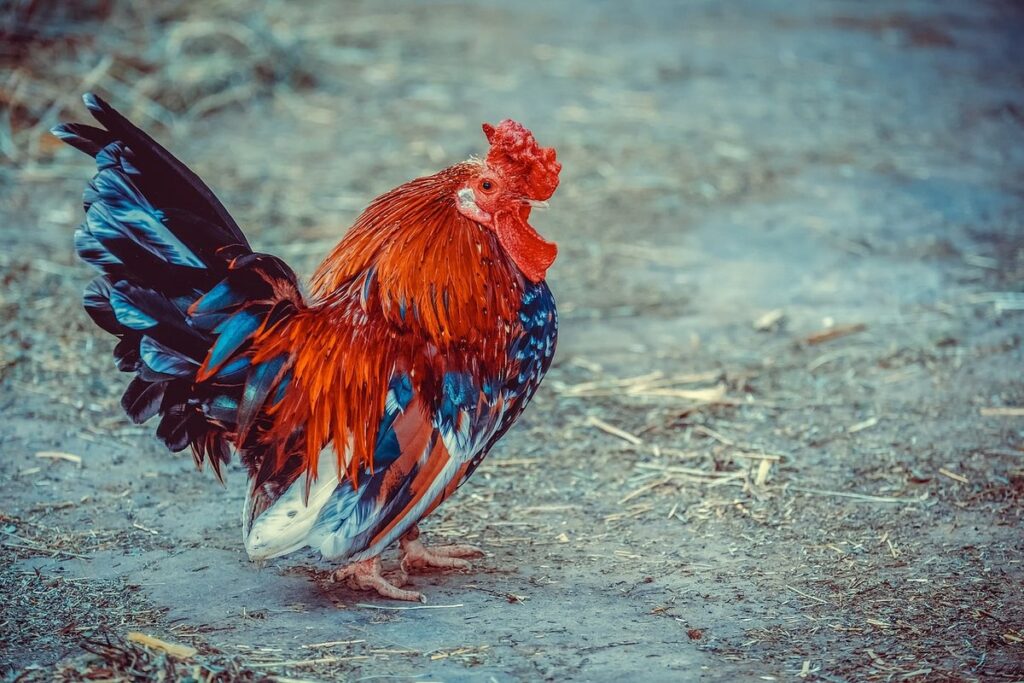
What are Free Range Chicken Eggs?
So, you’re wondering what all the fuss is about when it comes to free range chicken eggs – let’s start by defining exactly what they are and how they differ from regular eggs.
Definition and Production Process
Free range chicken eggs are produced by hens that have access to outdoor spaces where they can roam and engage in natural behaviors like foraging, scratching, and flying. This setup is a significant departure from conventional egg production methods, which often confine hens to crowded, barren factory farms.
To produce free range eggs, farmers must adhere to strict regulations regarding the size of the outdoor area, known as a “range” or “pasture,” that each hen can access. For example, in the US, the Animal and Plant Health Inspection Service (APHIS) requires that hens have at least 2 square feet of outdoor space per bird.
The production process for free range eggs also differs from conventional methods in terms of feed. Free range hens are typically fed a diet that includes a higher proportion of grasses and insects, which gives their eggs a richer flavor and more robust nutritional profile compared to factory-farmed eggs.
What sets free range egg farms apart is the emphasis on animal welfare and environmental sustainability. By allowing hens to engage in natural behaviors, farmers can create healthier, happier birds that produce better-tasting eggs with fewer antibiotics and hormones.
Key Characteristics and Regulations
When it comes to free range chicken eggs, there are several key characteristics that define them. These birds have access to outdoor space where they can forage and engage in natural behaviors such as scratching, pecking, and flying. This freedom of movement is crucial for their physical and mental well-being.
Free range chickens also have a more varied diet compared to their caged counterparts. They can roam freely outdoors and eat whatever bugs, seeds, and plants are available, which provides them with essential nutrients and antioxidants. Additionally, free range hens often live in smaller flocks, which promotes social interaction and stress reduction.
Regulations surrounding free range egg production vary by country or region, but most countries have specific guidelines to ensure the welfare of these birds. For example, in the US, the USDA requires that free range chickens have access to the outdoors for at least six hours a day, while the EU has stricter regulations requiring hens to have at least 2 square meters of outdoor space per bird.
It’s essential for consumers to be aware of these regulations and look for certifications such as “American Humane” or “Animal Welfare Approved” when purchasing free range eggs.
Nutrition and Health Benefits
Free range chicken eggs have been touted as a healthier alternative, but what exactly sets them apart from their conventionally raised counterparts? Let’s dive into the nutrition and health benefits you can expect.
Omega-3 Richness and Other Nutrients
When it comes to nutrition, free range chicken eggs truly stand out from their caged counterparts. One of the most significant advantages is their exceptionally high levels of omega-3 fatty acids, particularly EPA and DHA. These essential nutrients are crucial for heart health, brain function, and even fetal development during pregnancy.
Vitamins A and E also take center stage in free range eggs, offering robust antioxidant properties that shield cells from oxidative damage. Beta-carotene, a precursor to vitamin A, is another key player, protecting the eyes against age-related macular degeneration and promoting healthy skin. These nutrients are primarily sourced from the hens’ diverse diet of insects, seeds, and grasses found in pasture environments.
To maximize the omega-3 richness and other nutrient benefits of free range eggs, look for brands that explicitly state their egg-laying hens have access to outdoors or pasture areas. Some farms may also provide supplements to boost omega-3 levels, so be sure to check labels carefully.
Antioxidant Content and Reduced Inflammation
Free range eggs are not only richer in nutrients but also contain higher levels of antioxidants compared to their conventionally raised counterparts. These antioxidants play a crucial role in reducing inflammation within the body. Research has shown that oxidative stress caused by free radicals can lead to chronic diseases such as heart disease and cancer.
A study published in the Journal of Agricultural and Food Chemistry found that eggs from hens fed with omega-3 enriched feed had higher levels of alpha-linolenic acid (ALA) compared to those not given this supplement. ALA is an omega-3 fatty acid known for its anti-inflammatory properties, which can help reduce inflammation within the body.
Consuming free range eggs rich in antioxidants and omega-3s may help mitigate oxidative stress and inflammation. To maximize the health benefits of your free range eggs, ensure that you choose those from hens fed with a balanced diet containing omega-3 enriched feed.
When purchasing free range eggs, look for labels stating ‘omega-3 enriched’ or ‘pasture-raised.’ This will give you peace of mind knowing that you’re getting eggs rich in antioxidants and omega-3s. You can also consider keeping your own backyard chickens to reap the full benefits of fresh, nutrient-rich eggs right at home.
Environmental Impact and Sustainability
When it comes to free range chicken eggs, there are many benefits, but have you ever stopped to think about their environmental impact? We’re exploring how raising chickens outdoors affects the planet.
Benefits for Soil Health and Biodiversity
When we think about the environmental impact of our food choices, it’s easy to overlook the humble egg. However, free range chicken eggs have a secret advantage: they’re kinder to the planet. One of the most significant benefits of free range egg production is its positive effect on soil health. By allowing chickens to forage and dig, these birds help break up compacted soil and aerate it, which in turn improves drainage and increases beneficial microbial activity.
This approach also boosts biodiversity. Free roaming hens contribute to seed dispersal and pollination as they scratch and peck at the ground, spreading seeds and fertilizing plants. In fact, research suggests that free range egg production can increase plant diversity by up to 30%. This has a ripple effect on ecosystems, supporting local wildlife populations and promoting healthy soil microbial communities.
To make the most of these benefits in your own backyard, consider creating a diverse mix of foraging areas with different crops and plants. This will not only support the health of your free range chickens but also attract beneficial insects and pollinators to your garden.
Comparison to Conventional Methods
Compared to conventional egg production methods, free range chicken eggs have a significantly lower environmental impact. Conventional factory farms, on the other hand, are notorious for their large carbon footprint and reliance on resource-intensive practices.
For instance, conventionally raised chickens often live in cramped conditions with limited access to natural light and fresh air. This can lead to increased stress levels, which in turn can result in higher greenhouse gas emissions due to ammonia production from their waste. In contrast, free range egg farms typically provide ample space for birds to roam, reducing the need for artificial lighting and ventilation systems.
Studies have shown that free range chicken eggs also require fewer resources overall. A study by the University of Oxford found that free-range hens use up to 50% less feed than their conventionally raised counterparts. Additionally, free-range farms tend to generate less waste due to reduced medication and water usage. By choosing free range egg production methods, you’re contributing to a more sustainable food system.
Taste and Quality Differences
When it comes to free range chicken eggs, one of the most noticeable differences is the varying taste and quality depending on factors such as feed and living conditions. Let’s break down these key differences in this section.
Flavor Profile and Texture
When you bite into an egg from a free range chicken, you’re not just experiencing a rich and complex flavor profile – you’re also experiencing the freedom and diversity of the hen’s diet. Free range hens are able to forage for a wide variety of foods, from juicy insects to sweet wildflowers, which they incorporate into their eggs.
This varied diet gives free range eggs a more nuanced and intense taste compared to conventional eggs. For example, hens that have access to pasture may lay eggs with a richer, creamier yolk due to their higher intake of omega-3 fatty acids from grasses and plants. In contrast, hens raised on confinement farms may produce eggs with a bland, uniform flavor profile.
In terms of texture, free range eggs can be characterized by a firmer white and thicker, more stable yolk. This is because the hens’ natural foraging behavior encourages them to move around and engage in physical activity, which helps to strengthen their eggshell membranes.
Internal Quality Control Measures
Internal quality control measures play a crucial role in ensuring that free range chicken eggs meet the desired standards of taste and quality. These measures involve monitoring for contaminants such as Salmonella and E. coli, which can affect the egg’s safety and quality. Egg producers implement various checks to detect any irregularities in egg size and shape, which can be indicative of potential health issues.
For instance, many farms use automatic egg graders that assess eggs based on their weight, size, shape, and cleanliness. These machines can detect even slight deviations from the norm, enabling farmers to identify and remove eggs that may pose a risk to consumers. In addition, some producers manually inspect eggs for cracks or other visible defects.
To ensure optimal quality control, it’s essential to maintain accurate records of production and processing. This includes tracking temperature fluctuations during storage and transportation, which can impact egg freshness. By implementing robust internal quality control measures, free range chicken egg producers can guarantee a high standard of product that meets consumer expectations.
Economic and Social Aspects
Beyond the nutritional benefits, it’s also essential to consider the economic and social implications of choosing free-range chicken eggs over traditional ones for your household. This can impact local economies and communities in significant ways.
Supporting Local Farmers and Economies
When you buy free range chicken eggs, you’re not just getting a nutritious and delicious breakfast option – you’re also supporting local farmers and contributing to regional economies. This may seem like a small act, but it can have a significant impact on rural communities.
By choosing free range eggs from local farms, you’re helping to keep money within the community. According to a study by the USDA, for every dollar spent at a local farm or business, 67 cents stays in the community. This is in contrast to big-box stores and supermarkets where only 27 cents stays locally.
Rural communities often struggle with poverty and economic development. By supporting local farmers through your egg purchases, you’re helping to create jobs and stimulate local growth. In fact, a survey by the National Farmers Market Directory found that farmers markets – which are often hubs for free range eggs – generate an average of $1 million in annual sales per market.
So how can you start supporting local farmers and economies? Look for farms or egg producers near you who sell directly to consumers through farmers markets, online platforms, or on-farm sales. You can also ask your grocery store if they carry locally sourced free range eggs or consider starting a community-supported agriculture (CSA) program in your area. By making these simple choices, you’ll not only be getting better-tasting and more nutritious eggs – but also contributing to the well-being of local farmers and rural communities.
Animal Welfare Concerns and Debates
When it comes to free range egg production, one of the most contentious issues is animal welfare. Some critics argue that free range systems can be flawed, leading to concerns about access to outdoor space, living conditions, and predator control measures.
For instance, some farms may have small or poorly ventilated outdoor areas that don’t provide enough space for chickens to roam freely. Others might use enclosures with low walls, allowing predators like hawks and foxes to easily access the flock. To address these concerns, look for farms that prioritize transparency and adhere to strict animal welfare standards.
Consider farms that have implemented measures like netting or bird-proof fencing to protect their birds from predators. Additionally, inspect the outdoor area of a farm to ensure it provides sufficient space and natural light for the chickens. You can also ask the farmer about their living conditions, including access to clean water, food, and shelter. By doing your research and asking the right questions, you can make informed choices that support better animal welfare practices in free range egg production.
Conclusion: Why Choose Free Range Chicken Eggs?
Now that we’ve explored the benefits and best practices of free range chicken eggs, let’s summarize why choosing these eggs is a great decision for you and your family.
Summarizing Key Points and Benefits
When considering the decision to choose free range chicken eggs over conventional ones, it’s essential to recap the key points and benefits discussed throughout this article. For those who value nutrition, sustainability, and animal welfare, opting for free range eggs can be a game-changer.
By choosing free range eggs, consumers are essentially voting with their dollars in favor of more humane and environmentally friendly practices. These eggs offer significantly higher levels of omega-3 fatty acids and vitamins A and E due to the hens’ access to sunlight and fresh air. This is particularly beneficial for individuals looking to boost their immune systems or reduce inflammation.
Moreover, free range egg production supports local farmers and reduces carbon footprint since these farms typically operate on a smaller scale. Additionally, by choosing free range eggs, consumers are contributing to a more sustainable food system that prioritizes animal welfare and minimizes the negative impact of intensive farming practices.
Final Thoughts and Recommendations
As you consider making the switch to free range chicken eggs, remember that this decision goes beyond just taste and nutrition. By choosing free range eggs, you’re also supporting more humane and sustainable farming practices. These hens are able to forage and exercise freely, which not only benefits their health but also contributes to a lower carbon footprint.
To make the most of your switch to free range chicken eggs, focus on finding reliable sources that adhere to high standards. Look for local farmers who follow organic and regenerative practices. Check online directories like Local Harvest or the USDA’s National Organic Program (NOP) database to find reputable farms in your area.
When purchasing from a new farm, ask about their egg production methods, animal welfare policies, and sustainability initiatives. You can also inspect the farm yourself if possible. By doing your research and choosing high-quality free range eggs, you’ll be supporting farmers who prioritize animal welfare and environmental stewardship.
Frequently Asked Questions
What are the minimum requirements for a farm to be considered “free range”?
To be labeled as free range, farms must provide hens with access to the outdoors, but specific regulations vary by country and region. In the US, for example, farms must ensure that at least 51% of their hens have access to the outdoors for at least six hours a day.
Can I trust that “free range” labels on store-bought eggs are always accurate?
While most egg producers strive to follow free range standards, some farms may exploit loopholes or mislabel their products. To ensure authenticity, look for third-party certifications like “Certified Humane” or “Animal Welfare Approved,” which verify the farm’s adherence to strict animal welfare and environmental standards.
How can I tell if a local farm is genuinely raising free range chickens?
Research the farm by asking questions about their production methods, visiting their website or social media, and checking for certifications. You can also look for farms that participate in local food initiatives or have a strong track record of transparency and community engagement.
What’s the typical cost difference between free range eggs and conventional ones?
Free range eggs are often more expensive than conventional options due to higher production costs associated with providing hens with outdoor access, better living conditions, and organic feed. However, many consumers consider these premium prices a worthwhile investment in animal welfare and their own health.
Can I raise my own free range chickens at home, or is that too complex for beginners?
Yes, raising your own free range chickens can be a rewarding experience, but it does require some knowledge of chicken care and management. Start by learning about the basics of chicken keeping, including coop design, nutrition, and health checks. Many online resources and local experts are available to guide you through the process.