
As a backyard chicken keeper or farm owner, you’re likely no stranger to the importance of providing your flock with high-quality feed. But have you considered making the switch to free range chicken feed? This type of feed is not only better for your birds’ health and well-being, but it’s also a game-changer when it comes to producing premium eggs. With free range chicken feed, you can expect improved egg quality, increased fertility rates, and even a reduced environmental impact from your operation. In this article, we’ll walk you through the benefits of making the switch to free range chicken feed, provide tips on transitioning your flock, and show you how to increase revenue through premium egg sales. Whether you’re looking to elevate your farm’s reputation or simply give your birds the best life possible, keep reading to learn more about the advantages of free range chicken feed.
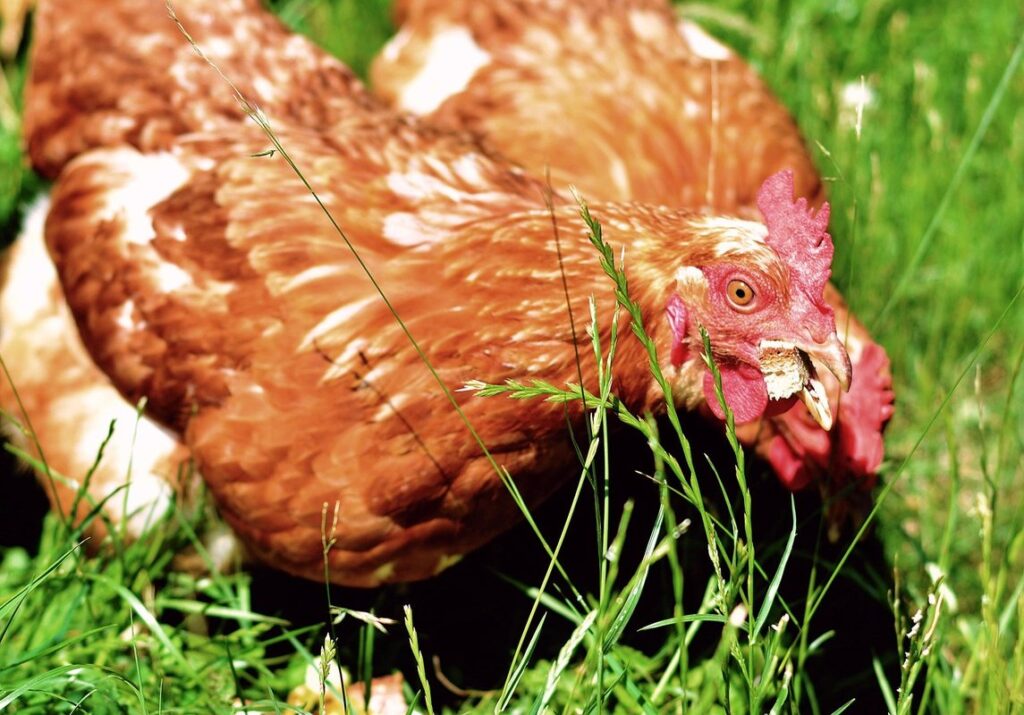
Understanding Free Range Chicken Feed
When it comes to choosing the right feed for your free range chickens, understanding what’s involved can be just as important as why you’re feeding them that way in the first place. Let’s break down the key elements of a well-rounded free range chicken feed.
What is Free Range Chicken Feed?
Free range chicken feed is designed to replicate the natural diet of chickens, allowing them to roam freely and forage for food. This type of nutrition is centered around the idea that chickens are omnivores, requiring a balanced mix of protein, fiber, and other essential nutrients. Unlike conventional feed, which often consists of highly processed ingredients, free range chicken feed typically includes a combination of grains, fruits, vegetables, and insects.
When choosing a free range chicken feed, look for products that contain at least 50% organic matter. This ensures that your flock is getting the nutrients they need from natural sources. Some popular ingredients in free range chicken feed include oats, barley, and sunflower seeds. These whole foods provide essential vitamins, minerals, and fiber, promoting healthy digestion and overall well-being.
Incorporating free range chicken feed into your flock’s diet can have a significant impact on their health and happiness. By mimicking the natural diet of chickens, you’re giving them the opportunity to thrive and live their best lives.
Benefits of Free Range Chicken Feed for Flocks
Free range chicken feed offers numerous benefits for flocks, and one of the most significant advantages is improved egg quality. When hens have access to a diverse diet that includes a mix of seeds, grains, fruits, and vegetables, their eggs tend to be higher in nutrients and more visually appealing. This is because free range feeds promote healthy gut bacteria, which is essential for efficient nutrient absorption and utilization.
Another benefit of using free range chicken feed is better overall health. By providing hens with a varied diet that includes fresh foods, you can reduce the risk of disease and improve their immune systems. For instance, adding fruits like berries or citrus to their feed can provide antioxidants that help combat oxidative stress and inflammation. Similarly, incorporating leafy greens like kale or spinach can boost their intake of essential vitamins and minerals.
With improved health comes increased production rates. Free range chicken feeds often lead to higher egg-laying capacity due to better nutrient utilization. This is because hens are able to absorb the nutrients they need from a more diverse diet, which enables them to put on weight and lay eggs efficiently.
Common Misconceptions about Free Range Chicken Feed
When it comes to free range chicken feed, there are several common misconceptions that can lead to confusion. One of the most prevalent myths is that free range chickens don’t need a balanced diet because they forage for food outside. While it’s true that chickens will eat insects and seeds while free ranging, their nutritional needs aren’t entirely met by foraging alone.
In fact, studies have shown that free-range chickens may be more susceptible to nutrient deficiencies due to the unpredictable nature of their diets. For example, a lack of access to calcium-rich foods can lead to weakened eggshell production. To avoid this, it’s essential to provide free-range chickens with a high-quality feed supplement that complements their foraging.
Another misconception is that free range chicken feed is more expensive than conventional feeds. However, the benefits of free range feeding far outweigh the costs. Not only do free-range hens produce better-tasting eggs and improved meat quality, but they also have reduced stress levels and enhanced overall health.
Nutritional Considerations for Free Range Chickens
When it comes to free range chicken feed, nutritional considerations are crucial to ensure your flock is getting everything they need. Let’s dive into some key factors to keep in mind.
Key Nutrients in Free Range Chicken Feed
A balanced free range chicken diet should include essential nutrients such as proteins, vitamins, and minerals to ensure optimal health and well-being. Proteins are vital for building and repairing tissues, and a good quality protein source is often provided through the inclusion of grains like oats, barley, and wheat in their feed.
Vitamins A, D, E, K, and B12 play a crucial role in maintaining immune function, bone growth, and overall health. Free range chicken feed typically includes vitamin supplements to meet these needs. For example, vitamin A is essential for healthy vision, skin, and mucous membranes, while vitamin D supports strong bones.
Minerals such as calcium, phosphorus, and potassium are also vital components of a balanced free range chicken diet. Calcium is necessary for bone growth and development, while phosphorus helps maintain a stable pH balance in the body. Potassium aids in nerve function and muscle contractions.
When choosing a free range chicken feed, look for products that contain these essential nutrients to ensure your flock is getting what they need. Consider consulting with a veterinarian or poultry expert to determine the best nutrient profile for your specific birds based on factors like age, breed, and climate.
Dietary Requirements for Different Life Stages
As chickens grow and mature, their nutritional needs change significantly. To ensure they receive the right balance of nutrients at each stage of their life cycle, free range chicken feed should be formulated accordingly.
For chicks, which are considered starter phase (0-4 weeks), a diet rich in protein (20-22%) is essential for growth and development. A calcium-rich feed helps strengthen their bones and beaks. Feed manufacturers often formulate starter feeds with added probiotics to aid digestion and boost immunity.
As chickens enter the grower phase (4-16 weeks), their dietary needs shift towards supporting muscle growth and feather development. Protein levels can be reduced to 18-20%, while increasing fiber content helps maintain a healthy gut. Lysine, an essential amino acid, becomes more critical during this stage to support protein synthesis.
Layer hens require different nutritional profiles as they mature (16+ weeks). Their diets should contain higher calcium levels (3-4%) and phosphorus to promote strong eggshell production. Protein levels can be adjusted downward to 16-18% while increasing energy content to maintain optimal body condition.
Formulating free range chicken feed according to these life stages ensures the flock receives tailored nutrition for optimal health, productivity, and overall well-being.
Potential Nutritional Deficiencies in Free Range Flocks
While free range chickens have access to forage and can supplement their diet with insects and plants, there is still a risk of nutritional deficiencies if they are not provided with a well-balanced feed. For instance, if the pasture is lacking in certain nutrients or if the flock is too large, it may not be possible for them to obtain all the necessary vitamins and minerals through grazing alone.
Some potential areas of concern include:
* Protein deficiency: If the pasture is low in protein-rich plants such as legumes, chickens may not get enough essential amino acids.
* Calcium deficiency: Free range chickens that don’t have access to adequate calcium sources may develop soft eggshell syndrome or weakened bones.
* Vitamin D3 deficiency: Since sunlight is a primary source of vitamin D3 for free range chickens, they may become deficient if they are confined indoors during the winter months.
To mitigate these risks, it’s essential to provide your flock with a high-quality, nutrient-rich feed that complements their natural diet. This will ensure they receive all the necessary nutrients for optimal health and productivity.
Choosing the Right Free Range Chicken Feed
When selecting a free range chicken feed, it’s essential to consider several factors that impact the health and well-being of your flock. Let’s break down what to look for in a high-quality feed.
Factors to Consider When Selecting a Feed Supplier
When selecting a feed supplier for your free-range chickens, it’s essential to consider several key factors. First and foremost, look for suppliers that have robust quality control measures in place. This may include regular on-site inspections, lab testing, and adherence to industry standards such as ISO 9001 or GMP (Good Manufacturing Practice).
You should also research the supplier’s customer support system. A reputable feed supplier will have a dedicated team available to address your questions and concerns promptly. Look for suppliers that offer multiple contact channels, such as phone, email, or online chat.
It’s also crucial to evaluate the supplier’s transparency regarding their manufacturing process, ingredients used, and any potential allergens or contaminants. Consider asking about their sourcing practices and whether they use locally-sourced materials whenever possible. By carefully evaluating these factors, you can ensure that your free-range chickens receive high-quality feed that meets their nutritional needs while promoting a healthy and sustainable operation.
Types of Free Range Chicken Feed Available
When it comes to choosing the right free range chicken feed for your flock, you’re likely wondering about the different types of options available. There are two primary categories: grain-based and forage-based feeds.
Grain-based feeds typically contain a mix of grains such as corn, wheat, and soybeans. These feeds can provide a convenient and cost-effective option for many backyard chicken keepers. However, they may lack essential nutrients found in whole foods. For example, a study published in the Journal of Applied Poultry Research found that hens fed grain-based diets had lower egg yolk cholesterol levels compared to those fed forage-based diets.
On the other hand, forage-based feeds are often more expensive but offer a closer resemblance to natural feeding habits. These feeds can include a mix of grasses, clover, and other legumes. Forage-based feeds provide essential vitamins, minerals, and antioxidants that promote overall health and well-being in chickens. Consider consulting with a poultry expert or veterinarian to determine the best option for your flock’s specific needs.
Tips for Transitioning Flocks to Free Range Feed
When transitioning your flock from conventional feed to free range feed, it’s essential to do so gradually to minimize disruptions and stress on the birds. A sudden change can lead to digestive issues, decreased egg production, and even death.
Start by introducing a small percentage of free range feed into their diet, gradually increasing the proportion over a period of 7-10 days. Monitor your flock’s response closely, adjusting the transition pace as needed. You can also mix free range feed with conventional feed in different proportions to create a “blend” that allows birds to adjust at their own rate.
Another crucial factor is water quality. Ensure access to fresh, clean water and consider adding electrolytes or probiotics to help ease the transition. Providing shade and shelter during the initial adjustment period can also reduce stress on your flock.
Be patient and flexible; every flock responds differently to dietary changes. With a well-planned transition, you’ll be able to reap the benefits of free range feed for your birds’ health and productivity.
Implementing Free Range Chicken Feeding Systems
Now that you have a solid understanding of free range chicken feed, let’s dive into implementing these systems on your farm to reap the benefits. This section explores practical steps for setting up successful feeding systems.
Design Considerations for Free Range Housing
When designing free range housing for your flock, it’s essential to prioritize their needs and provide an environment that promotes natural behavior and well-being. Adequate space is crucial, as chickens require room to roam, exercise, and engage in foraging activities. A general rule of thumb is to allocate at least 2-4 square feet of outdoor space per chicken, depending on breed and age.
In addition to ample space, shelter is also vital to protect your flock from harsh weather conditions, predators, and extreme temperatures. You can provide covered areas or enclosures with netting or mesh walls to allow for airflow and visibility while keeping them safe from the elements. Consider incorporating features such as perches, nesting boxes, and dust baths to encourage natural behavior.
To ensure a healthy environment, consider factors like sunlight exposure, ventilation, and drainage. A sloping roof can help with water runoff, while proper ventilation can prevent ammonia buildup in the coop. By thoughtfully designing your free range housing, you’ll create a safe and stimulating space for your chickens to thrive, which is critical when transitioning them to a free-range feeding system.
Managing Free Range Flocks: Best Practices
Managing free range flocks requires careful attention to several key areas. Monitoring feed intake is crucial to ensure that each bird is receiving an adequate amount of nutrients. This can be achieved by using automated feeding systems, which allow for precise control over feed allocation and prevent overconsumption. It’s also essential to maintain accurate records of feed usage, allowing you to identify trends and make adjustments as needed.
Access to clean water and adequate ventilation are also vital components of a healthy free range flock. Ensure that waterers are easily accessible and maintained regularly to prevent contamination. Additionally, provide adequate ventilation throughout the coop and run to prevent heat stress and disease transmission. Regular inspections will help you stay on top of these needs, ensuring your birds have everything they need to thrive.
By paying attention to these details, you can create a thriving free range flock that is productive and healthy. Remember, happy birds are healthier and more resilient, which ultimately translates to better meat quality and higher yields. With the right management practices in place, you’ll be well on your way to maximizing the benefits of free range chicken feed.
Case Studies: Successful Implementation of Free Range Systems
Implementing free range chicken feeding systems can be a game-changer for commercial farms looking to improve animal welfare and reduce costs. Let’s take a closer look at some real-world examples of successful implementation.
Case Study 1: Green Mountain Farms in Vermont, USA
In 2015, Green Mountain Farms made the switch to free range chicken feed after experiencing high mortality rates due to stress-related issues. By implementing a free range system, they were able to reduce mortality rates by 30% and increase egg production by 25%. Their farmers also reported improved animal behavior and reduced use of antibiotics.
Case Study 2: Farm Frites in Belgium
Farm Frites is one of the largest potato processors in Europe. They implemented a free range chicken feeding system on their farm, which has led to significant reductions in antibiotic usage (down by 70%) and improved animal welfare. Their farmers also reported an increase in eggshell quality due to better access to sunlight and fresh air.
These case studies demonstrate that implementing free range systems can have numerous benefits for both the birds and the farmers. By providing a natural environment, farmers can reduce stress-related issues, improve animal behavior, and decrease the use of antibiotics.
Economic and Environmental Benefits of Free Range Chicken Feed
When it comes to free range chicken feed, two of its most significant advantages become apparent: substantial economic benefits and a profoundly positive environmental impact.
Cost Savings through Improved Egg Quality
When you switch to free range chicken feed, one of the most significant benefits is cost savings through improved egg quality. Improved egg quality means that your hens will produce more eggs per year, which directly translates to increased revenue for your farm or homestead.
In a study conducted by the National Institute of Food and Agriculture, it was found that free-range hens produced 30% more eggs than their confinement-raised counterparts. This increase in production can lead to significant cost savings for farmers who adopt this feeding method. By producing more eggs per year, you’ll need to purchase less feed overall, which can result in substantial cost reductions.
Another benefit of improved egg quality is the increased marketability of your eggs. Consumers are willing to pay a premium for high-quality, free-range eggs due to their perceived health and nutritional benefits. By emphasizing the superiority of your eggs through labelling and marketing efforts, you can tap into this lucrative market and increase your revenue streams. With these cost savings and revenue increases, making the switch to free range chicken feed is an attractive option for farmers looking to boost their bottom line.
Reduced Environmental Impact through Sustainable Practices
Adopting free range chicken feeding systems can have a significant positive impact on the environment. One of the most notable benefits is reduced waste. In conventional farming practices, large amounts of manure and other waste products are generated, which can lead to water pollution and soil degradation. Free range systems, on the other hand, allow chickens to forage and exercise outdoors, reducing the need for artificial fertilizers and minimizing waste production.
Another key advantage of free range chicken feed is resource conservation. By providing chickens with access to natural light, fresh air, and outdoor space, farmers can reduce their reliance on energy-intensive equipment and resources. This not only saves money but also decreases the carbon footprint associated with traditional farming methods. Furthermore, free range systems promote biodiversity by allowing chickens to engage in natural behaviors such as foraging and scratching.
Potential for Increased Revenue through Premium Egg Sales
By incorporating free range chicken feed into their production process, farmers have the potential to increase revenue through premium egg sales. High-quality eggs produced using free range feed command a higher price in the market due to their superior nutritional content and unique characteristics.
For instance, studies have shown that eggs from hens fed with free range diets contain up to 20% more omega-3 fatty acids and 30% more vitamin A compared to those from conventionally raised hens. This translates into a significant competitive advantage for farmers selling these premium eggs.
Farmers can capitalize on this by identifying niche markets or demographics that prioritize the unique attributes of free range eggs, such as health-conscious consumers or chefs seeking high-quality ingredients for their restaurants. To get started, farmers can consider partnering with local distributors or establishing an online presence to reach a wider customer base. By doing so, they can increase revenue and create new business opportunities while providing customers with exceptional products.
Conclusion: Embracing Free Range Chicken Feed as a Viable Option
As we’ve explored the benefits and importance of free range chicken feed, it’s time to consider its practical implications for your flock. This section will discuss how to successfully implement this type of feed in your daily routine.
Recap of Key Takeaways
In conclusion, embracing free range chicken feed as a viable option is a decision that can have numerous benefits for both you and your flock. By choosing free range chicken feed, you’re not only providing your birds with a more natural and nutritious diet but also contributing to the overall health of the environment.
We’ve discussed how free range chicken feed promotes better egg quality and size, as well as enhanced bird welfare due to its more varied and interesting eating experience. The importance of nutrient-dense diets for optimal bird health cannot be overstated, with research showing a clear link between diet quality and reduced stress levels in hens.
Some key takeaways from our discussion include the benefits of free range chicken feed’s high concentration of omega-3 fatty acids, vitamins A and E, and other essential micronutrients. By incorporating free range chicken feed into your flock’s diet, you can rest assured that you’re giving them the best possible chance at a long, healthy life.
Incorporating this change will not only improve the health and well-being of your birds but also provide you with delicious eggs from happy hens.
Encouragement for Farmers to Explore Free Range Options
As we conclude our exploration of free range chicken feed, we’d like to extend a warm invitation to farmers who are considering adopting this approach. Embracing free range systems can be a game-changer for your operation, and we’re excited to share the potential rewards.
By providing your flock with access to the outdoors, you’ll not only improve their overall health but also increase revenue through higher egg production and better-quality produce. A study conducted by the UK’s Soil Association found that free-range eggs have a 13% higher price point than battery-farmed alternatives. With more consumers seeking out sustainable options, this premium can add up quickly.
Additionally, switching to free range feed reduces your environmental impact by minimizing reliance on resource-intensive feed production and transportation. This shift towards more humane and eco-friendly practices will not only benefit your farm but also contribute to a healthier planet.
As you embark on this journey, remember that transitioning to free range systems requires careful planning and execution. Start by assessing your current infrastructure and making incremental changes, such as introducing mobile coops or expanding run areas. With patience and dedication, the benefits of free-range chicken feed will soon be evident in your operation’s bottom line.
Frequently Asked Questions
What’s the best way to transition my flock from traditional feed to free range chicken feed?
Transitions can be challenging, but a gradual approach is key. Start by introducing small amounts of free range feed into your birds’ existing diet, gradually increasing the proportion over 7-10 days. Monitor their health and adjust as needed. Consider dividing your flock or starting with new chickens to ease the transition.
Can I mix free range chicken feed with other types of feed?
Yes, you can blend different feeds to suit your needs. However, ensure that the overall nutritional balance remains consistent with the requirements for your specific life stage (e.g., laying hens). Be cautious not to overdo it, as excessive mixing can lead to imbalances and potential deficiencies.
How do I know if my free range chickens are getting enough protein?
Protein requirements vary by age and sex. Laying hens typically require around 16-18% crude protein, while broilers may need up to 22%. Monitor your flock’s overall health, weight gain, and egg production to ensure they’re receiving adequate protein.
Can I make my own free range chicken feed?
Yes, but it requires careful planning and attention to detail. You’ll need to balance ingredients based on nutrient requirements, ensuring the mix provides sufficient energy, protein, and other essential nutrients. Consider consulting with a poultry nutritionist or experienced breeder to ensure you’re getting it right.
What are some common mistakes to avoid when selecting a free range chicken feed supplier?
When choosing a supplier, watch out for products containing cheap fillers like corn or soybean meal, which can lead to nutritional imbalances. Opt for reputable suppliers that prioritize transparency and quality control. Be wary of extremely low prices, as they may indicate compromised quality.