
If you’re considering getting into poultry farming or looking to improve your existing operation, you might be wondering about the benefits of free-range chicken rearing. Not only does this approach prioritize animal welfare by giving hens space to roam and exercise, but it also has a positive impact on egg production. In fact, studies have shown that free-range birds produce more eggs than those raised in confinement systems. But what exactly is involved in creating a successful free-range farm? From planning and setup to marketing your products effectively, there’s a lot to consider. This article will provide expert guidance on the ins and outs of free-range chicken rearing, covering everything from infrastructure and feeding to sales and consumer engagement.
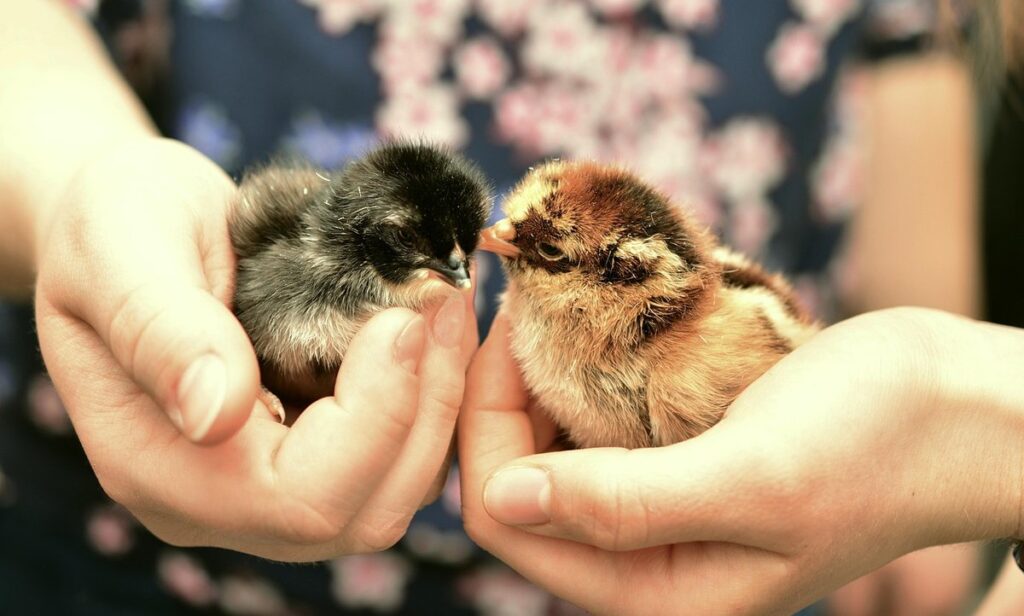
Benefits of Free Range Chicken Rearing
Free range chicken rearing offers numerous advantages over traditional methods, including improved egg quality and stronger immunity in chickens. Let’s explore these benefits together!
Improved Animal Welfare
When it comes to animal welfare, free range chicken rearing offers numerous benefits that go beyond just producing delicious eggs. By giving chickens access to fresh air, sunlight, and exercise, you’re not only improving their physical health but also their emotional well-being.
One of the most significant advantages of free range rearing is the reduction in stress levels among chickens. When they have space to roam freely, they can engage in natural behaviors such as foraging, scratching, and dust bathing, which are essential for their mental health. This reduced stress leads to a healthier flock overall, with lower instances of disease and parasites.
Free range systems also allow chickens to exercise naturally, which helps maintain strong bones and muscles. With ample space to move around, they can engage in physical activities that would be impossible in traditional battery cages. By providing these basic needs, you’re giving your chickens the opportunity to thrive and live a more natural life.
In addition, free range rearing promotes better egg production quality. Research has shown that eggs from happy, healthy hens contain higher levels of omega-3 fatty acids and other nutrients, making them a healthier choice for consumers. By choosing free range chicken rearing, you’re not only improving animal welfare but also producing high-quality products.
Increased Egg Production
One of the most significant benefits of free range chicken rearing is its impact on egg production. Contrary to popular belief that free range chickens produce fewer eggs due to foraging, research suggests otherwise.
Studies have shown that free range hens exhibit improved fertility rates compared to their caged counterparts. A study published in the Journal of Applied Poultry Research found that free range hens had a 34% increase in fertility rate compared to those kept in cages (Source: Journal of Applied Poultry Research, Vol. 25). This improvement in fertility is likely due to the reduced stress and improved living conditions that come with free range rearing.
Furthermore, the quality of eggs produced by free range hens is also superior. The omega-3 fatty acid content in eggs from free range chickens is significantly higher than those from conventionally raised birds (Source: British Journal of Nutrition, Vol. 108). This increased nutritional value makes free range eggs a more desirable option for consumers seeking healthier alternatives.
When implementing free range chicken rearing on your farm or backyard flock, ensure that hens have access to fresh air, sunlight, and adequate space to roam. This will not only boost egg production but also lead to overall better health and well-being of the birds.
Understanding Free Range Chicken Rearing Standards
When it comes to free range chicken rearing, understanding the standards is crucial for ensuring the welfare and well-being of your birds. In this section, we’ll delve into what these standards entail.
Overview of Regulations
When it comes to free range chicken rearing, adhering to regulations is crucial. National and international laws govern various aspects of this practice, ensuring that birds receive the care they need while also promoting animal welfare and food safety.
For instance, in the United States, the US Department of Agriculture (USDA) sets standards for outdoor access, fencing, and stocking densities under the Organic Livestock and Poultry Standards. Farmers must provide at least 6 square feet per bird inside the barn and 2 square feet outside during warm weather months. They also need to maintain adequate fencing around the outdoor range to prevent escape or predator entry.
Internationally, regulations vary but often emphasize similar requirements. The European Union’s Animal By-Products Regulation and the Australian National Standard for Free Range Chicken Production outline specific guidelines for outdoor access, animal health, and environmental management. To ensure compliance, farmers must stay up-to-date on regional and national laws governing free range chicken rearing.
To adhere to these regulations, consider the following key points:
* Familiarize yourself with local and international regulations
* Calculate your bird’s required space based on national standards
* Implement suitable fencing and enclosures for outdoor access
* Monitor animal health and adjust stocking densities accordingly
Labeling and Certification
When it comes to free range chicken rearing standards, labeling and certification schemes play a crucial role in ensuring that consumers get what they pay for. The EU’s “free range” label, for instance, requires chickens to have at least 4 square meters of outdoor space per 3000 birds, while also stipulating access to natural light, fresh air, and shelter.
In the US, labels such as “Certified Humane” or “Animal Welfare Approved” guarantee that farms adhere to stricter standards. These schemes not only promote animal welfare but also encourage sustainable farming practices. When shopping for free range products, look out for these certifications or labels to ensure you’re supporting farms that prioritize chicken well-being.
It’s essential to note that some producers might mislead consumers with vague labeling claims. Always check the fine print and ask questions if needed. If a farm is transparent about their practices and willing to provide information on animal welfare and outdoor access, it’s likely to be a genuine free range operation. By being an informed consumer, you can make a positive impact on the industry and support farms that genuinely prioritize chicken rearing standards.
Creating a Free Range Chicken Farm
To successfully create a free range chicken farm, you’ll need to consider factors such as land requirements and predator control measures. Let’s dive into the specifics of setting up your backyard flock.
Land Requirements and Layout
When designing a free range chicken farm, one of the most critical factors to consider is land requirements and layout. A good rule of thumb is to provide at least 10-15 square feet per bird inside the coop, but for free-range systems, you’ll want to allocate additional space for the birds to roam.
Aim for a ratio of about 20-30 square feet per bird outside the coop, depending on factors like climate, vegetation, and predator presence. This will give your chickens enough room to move around, forage, and engage in natural behaviors. To make the most of this space, consider a rectangular layout with plenty of corridors and turnings to prevent overcrowding.
Access to shelter and feed is also essential. Ensure that your free-range area is close to the coop, so birds can quickly seek refuge from predators or harsh weather conditions. You’ll also want to strategically place feeding areas to minimize waste and promote efficient foraging behavior. With a well-designed layout, you can create a thriving free-range chicken farm that promotes the health and happiness of both your birds and the environment.
Fencing and Enclosures
When it comes to creating a free range chicken farm, a sturdy and safe fencing system is essential. This will not only protect your birds from predators but also prevent them from escaping and getting injured. There are several types of fencing materials you can use for free range chicken enclosures.
Hardware cloth or metal mesh fencing is a popular choice due to its durability and effectiveness in keeping predators out. It’s relatively inexpensive, with costs ranging from $0.50 to $2 per linear foot, depending on the thickness of the material. However, it can be heavy and may require additional support posts.
Wooden post and wire fencing is another option that offers a more rustic look. Wooden posts are relatively cheap, but you’ll need to factor in the cost of wire and insulators. Maintenance requirements for both types of fencing are similar – regular checks for damage or gaps will help prevent escape attempts and ensure your birds’ safety.
It’s also worth considering using electric fencing, which can be an effective deterrent against predators. However, it requires more maintenance than traditional fencing methods and may need to be adjusted regularly to maintain effectiveness.
Health Considerations in Free Range Chicken Rearing
When rearing free-range chickens, there are several health considerations to be aware of, including potential risks from predators and diseases. Let’s take a closer look at these concerns.
Disease Management
As you venture into free range chicken rearing, disease management is an essential aspect to consider. Free-range flocks are exposed to various environmental stressors and pathogens, making it crucial to implement effective strategies for managing diseases.
One of the most effective ways to manage diseases in free-range flocks is through vaccination programs. Consult with a veterinarian to determine which vaccinations are necessary for your flock, based on factors such as climate, location, and disease prevalence in the area. Regular vaccination can significantly reduce the risk of disease outbreaks.
Sanitation practices also play a vital role in maintaining a healthy flock. Ensure that feeders, waterers, and living areas are cleaned regularly to prevent the spread of pathogens. Implement biosecurity measures such as providing separate entry points for visitors and staff, disinfecting equipment and shoes upon entry, and restricting access to certain areas.
It’s also essential to monitor your flock closely for signs of disease, including changes in behavior, appetite, or droppings. Isolating sick birds is critical to preventing the spread of diseases within the flock.
Parasite Control
When it comes to rearing free-range chickens, parasite control can be a significant challenge. As chickens forage and roam freely, they are exposed to various parasites such as mites, lice, fleas, ticks, and internal worms like roundworms and tapeworms.
Effective integrated pest management (IPM) techniques are essential in managing parasites in free-range chicken rearing. This involves a holistic approach that combines physical, cultural, biological, and chemical controls to minimize the use of chemicals. For instance, keeping your chickens’ living area clean and dry can help reduce the risk of parasite infestations.
Some natural control methods include using diatomaceous earth to dehydrate parasites, spraying cider vinegar or lemon juice on the birds to repel external parasites, and introducing beneficial insects like poultry-friendly mites that feed on internal worms. Regular monitoring and treatment are also crucial in controlling parasite populations.
Additionally, selecting breeds that are naturally resistant to certain parasites can also be an effective strategy. For example, some heritage chicken breeds have a natural immunity to tapeworms. It’s essential to research the specific parasite risks associated with your region and climate to develop an effective control plan.
Marketing and Selling Free Range Eggs
When it comes to selling free range eggs, you need to focus on highlighting their unique benefits and values that set them apart from caged eggs. This includes marketing strategies for different customer types.
Target Market Analysis
When it comes to selling free range eggs, understanding your target market is crucial for success. You need to identify the consumers who are willing to pay a premium for your high-quality eggs and tailor your marketing strategy to meet their needs.
Let’s take a closer look at the demographics of potential buyers. Research suggests that health-conscious individuals, typically aged 25-45, with higher incomes (above $60,000) and education levels, are more likely to purchase free range eggs. These consumers prioritize animal welfare, environmental sustainability, and nutrition, making them an ideal target market for your free range egg business.
To further segment this market, consider the preferences of these health-conscious consumers. They tend to prefer eggs from local farms, with certifications like “Certified Humane” or “Animal Welfare Approved”. They also value transparency in production methods, including access to farm tours and regular updates on animal care practices. By understanding and catering to these specific needs, you can effectively market your free range eggs to this target audience.
To get started, consider the following steps:
* Conduct a survey of local consumers to gather data on their preferences and purchasing habits
* Develop a strong online presence, including social media and email marketing campaigns, to connect with potential buyers
* Highlight the unique features of your farm, such as animal welfare practices and environmental sustainability initiatives, to differentiate your product from competitors.
Pricing Strategies
When it comes to pricing free range eggs, you need to consider several factors, including costs, competition, and market demand. You’ll want to balance the desire to earn a profit with the need to remain competitive in the market.
To start, determine the cost of production for each dozen eggs sold. This includes feed, veterinary care, egg collection and packaging, as well as labor costs. Research what similar farms are charging for their free range eggs in your area, taking into account factors like transportation costs and target profit margins.
Consider offering different tiers of products with varying price points to cater to diverse customer segments. For example, you could offer a premium “organic” option at a higher price point or a more affordable “locally sourced” alternative. Monitoring market trends and adjusting your pricing strategy accordingly will help ensure the long-term viability of your free range egg operation.
Be sure to stay within your target profit margin while also taking into account seasonal fluctuations in demand and supply costs. Regularly reviewing and updating your pricing strategy will enable you to adapt to changes in the market and remain competitive.
Case Studies: Successful Free Range Chicken Farms
Let’s take a closer look at how free range chicken farms around the world are successfully implementing their systems, from breed selection to marketing strategies. We’ll examine three real-life examples in detail.
Examples from Small-Scale and Large-Scale Operations
Let’s take a look at some real-world examples of successful free range chicken farms, and what we can learn from them.
In small-scale operations, a great example is the farm run by Sarah Johnson in rural Iowa. She started with just 50 birds, but has since expanded to over 100 due to the high demand for her eggs. Sarah’s key to success lies in her commitment to rotational grazing and providing a diverse range of foraging opportunities for her chickens. By doing so, she’s been able to achieve an astonishing 300% increase in egg production compared to traditional battery cage systems.
In contrast, large-scale operations like the one run by Green Village Farms in California offer valuable lessons on scalability and efficiency. With over 10,000 birds under their care, they’ve implemented a comprehensive system of foraging and exercise that includes mobile chicken tractors and access to outdoors for all flocks. This approach has not only improved animal welfare but also led to significant reductions in feed costs and increased egg yields.
One key takeaway from both examples is the importance of adapting farm practices to suit local conditions and market demands. For instance, Sarah’s use of rotational grazing would be impractical on a larger scale due to logistical challenges. Similarly, Green Village Farms’ mobile chicken tractors require regular maintenance and upkeep. By learning from these case studies and tailoring our approaches to specific contexts, we can create more resilient and productive free range chicken farms.
In terms of practical advice, here are some key takeaways:
* Start small and experiment with different foraging strategies before scaling up.
* Invest in mobile infrastructure that allows for easy rotation of flocks and access to outdoors.
* Monitor animal health and welfare closely, making adjustments as needed.
* Consider using technology, such as drones or sensors, to monitor and optimize farm operations.
By studying the successes and challenges faced by these farms, we can develop more effective strategies for free range chicken rearing.
Frequently Asked Questions
Can I start a small free-range chicken farm on a limited budget?
You can definitely start a small free-range chicken farm on a limited budget. Begin by planning your infrastructure, such as fencing and enclosures, and sourcing affordable materials or repurposing existing ones. Additionally, consider purchasing starter chickens from local breeders or auction houses to save on initial costs.
How do I manage pests and diseases in my free-range flock?
To manage pests and diseases effectively, ensure that your farm’s layout is designed with hygiene and health in mind. Implement measures such as predator-proofing, regular manure removal, and a robust parasite control plan. Regular health checks and vaccinations will also help prevent disease outbreaks.
What are the key regulations I need to follow when starting a free-range chicken farm?
Regulations vary by region, but generally, you’ll need to comply with local zoning laws, obtain necessary permits, and adhere to animal welfare standards. Familiarize yourself with your area’s specific requirements and consult with local authorities or industry experts for guidance.
How can I ensure my free-range eggs meet consumer demand for labeling and certification?
To cater to consumers seeking labeled and certified products, consider obtaining third-party certifications such as “Certified Humane” or “Animal Welfare Approved.” Clearly label your products with relevant information about the farm’s practices and certifications. This will help build trust with customers and differentiate your brand in the market.
Can I convert an existing farm to a free-range operation?
Yes, it is possible to transition an existing farm to a free-range system. Start by assessing your current infrastructure and identifying areas that need upgrading or modification. Gradually introduce changes to accommodate free-range chickens, while also ensuring compliance with relevant regulations and standards. Consult experts if needed to ensure a smooth conversion process.