
If you’re considering bringing home a few feathered friends, you might be wondering about the best way to keep them happy and healthy. The debate between free range chickens and coop systems has been ongoing for years, with pros on both sides weighing in on egg production, health benefits, and safety concerns. As a chicken keeper, it’s essential to make an informed decision that suits your flock’s needs. In this article, we’ll delve into the world of free range chickens vs coop systems, discussing everything from maintenance costs to egg quality. Whether you’re a seasoned farmer or a backyard enthusiast, learn which system is right for you and how to create a thriving environment for your flock.
(Word count: 99)
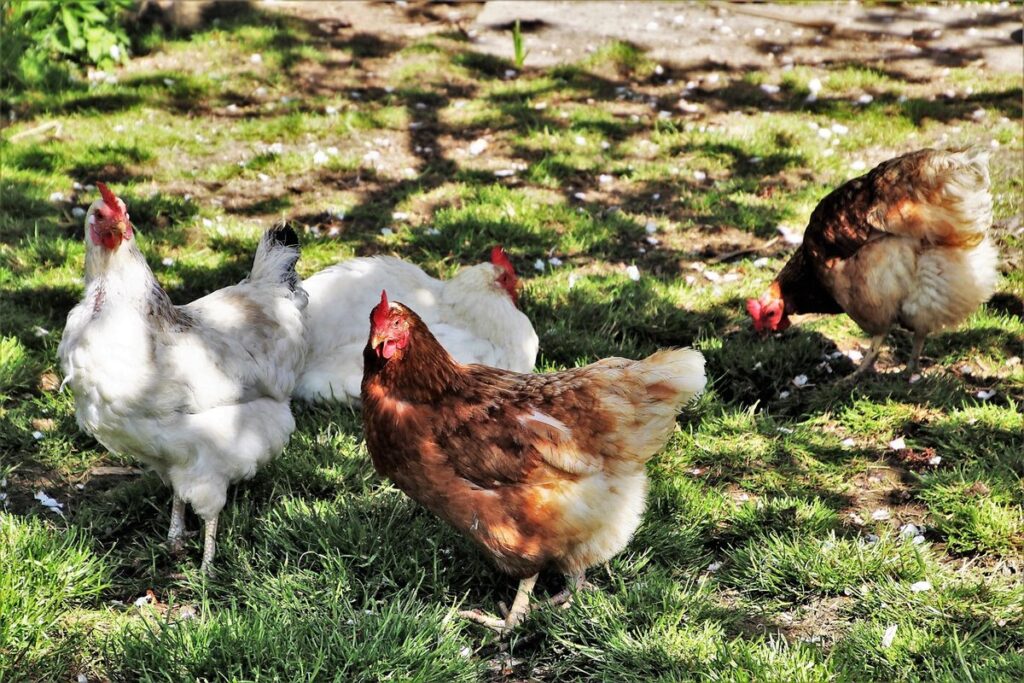
The Benefits of Free Range Chickens
Free range chickens offer a wealth of benefits, from increased exercise and mental stimulation to improved egg quality and overall health. Let’s dive into what makes free range living so valuable for your flock.
1. Improved Health and Well-being
When you give your chickens the freedom to roam outdoors, they’ll not only be happier and more fulfilled, but also healthier. Fresh air, exercise, and sunlight are essential for maintaining optimal health, reducing stress levels, and boosting their immune systems.
A lack of sunlight can lead to vitamin D deficiencies in chickens, which can cause a range of problems including weakened bones, slow growth rates, and even disease susceptibility. By allowing your birds to bask in the sun’s warm rays, you’ll be providing them with a vital source of this essential nutrient. As a result, their bones will remain strong, their growth rates will accelerate, and they’ll be better equipped to fight off illnesses.
In addition to improved vitamin D levels, free-range chickens will also enjoy reduced stress levels due to the freedom to forage and engage in natural behaviors like scratching and pecking. This, combined with regular exercise, will lead to stronger immune systems and a lower risk of diseases like respiratory infections and parasites.
2. Increased Egg Production
When you give your hens free rein to roam, they’re not just happy and healthy – they’re also more productive egg-layers. Research has shown that free-range chickens tend to produce more eggs than those confined to coops, with some studies suggesting an increase of up to 20-30% in egg production.
This boost in productivity is largely due to the increased activity level of free-range hens. When they’re able to forage and exercise freely, they’re more likely to engage in natural behaviors like scratching and pecking, which helps to stimulate their reproductive systems and promote healthy egg-laying.
One way to encourage your free-range hens to produce even more eggs is to provide them with a varied and nutritious diet that includes plenty of calcium-rich foods. This will help to support the health of their egg-laying system and ensure that they’re producing strong, healthy eggs. Some good options for adding extra calcium to your hens’ diet include oyster shells, crushed eggshells, and leafy green vegetables like kale and spinach.
3. Enhanced Cognitive Function
Free range environments can have a profound impact on the cognitive development of chickens. Unlike coop-raised birds, free-range hens are exposed to natural light, fresh air, and an ever-changing landscape that stimulates their intelligence. This stimulation leads to remarkable improvements in problem-solving skills, memory, and learning ability.
In a free-range setting, chickens must adapt to new situations daily, from foraging for food to navigating obstacles. This mental exercise enhances their cognitive function, enabling them to solve problems more efficiently. For example, if a free-range hen encounters an unfamiliar route to the feed trough, she will quickly figure out an alternative path.
Studies have shown that hens raised in free-range environments exhibit improved spatial memory and learning ability compared to those confined to coops. In fact, research suggests that access to outdoor space can enhance cognitive function by up to 25%. By providing your flock with a free-range environment, you’re not only improving their physical health but also fostering their mental well-being and potential for growth.
The Pros of Keeping Chickens in a Coop
Keeping chickens in a coop has its advantages, from easy pest control to improved health and safety for your flock. Let’s explore these benefits in more detail.
1. Predator Protection and Safety
Securing your flock from predators is one of the most significant concerns when keeping chickens. Foxes, coyotes, and hawks are just a few of the many animals that see chicken coops as an easy meal ticket. A coop provides a safe haven for your birds, shielding them from these predators and other potential threats.
When building or choosing a coop, consider the materials used. For example, using hardware cloth instead of wire mesh can prevent raccoons and opossums from easily prying open the coop’s doors. You should also ensure that all openings are securely fastened with locks and latches that can withstand tampering.
To further enhance your coop’s security, add a roof or a canopy to prevent aerial predators like hawks and owls from swooping down. You may also want to consider adding a covered run for your chickens to roam in safely. Always supervise your flock during free-range periods, especially if they’re exposed to potential threats.
Keep in mind that even with the best coop and safety measures in place, it’s still essential to be vigilant and prepared for emergencies.
2. Reduced Disease Transmission
When you keep chickens in a coop, it’s easier to implement good hygiene practices and reduce close contact between birds, which can help prevent the spread of diseases. By providing each bird with its own space and resources, you minimize the opportunities for germs to be transmitted from one chicken to another.
In a coop, it’s also simpler to monitor and control the flock’s health, allowing you to quickly identify any potential issues before they become serious problems. For example, if you notice that a particular bird is showing signs of illness or stress, you can isolate it right away and provide medical attention without risking the spread of disease to other birds.
In contrast, free-range chickens are more likely to come into contact with each other and the surrounding environment, which can increase the risk of disease transmission. By keeping your flock in a coop, you can enjoy many health benefits while also protecting your birds from potential diseases.
3. Easy Egg Collection and Maintenance
Collecting eggs from your backyard flock is one of the joys of keeping chickens. With a coop, all the egg collection happens at a centralized location, making it easy to gather your daily eggs without having to run around the yard searching for them. This convenience is especially beneficial during the winter months when it’s cold and snow-covered outside.
Maintaining a coop is also relatively straightforward. The poop board makes cleaning up after your flock a breeze. Simply remove the board, dispose of the waste, and replace with a clean one. It’s that simple! Plus, you can schedule regular deep cleaning sessions to keep your coop in top condition. This not only keeps your chickens healthy but also reduces the risk of diseases.
Having a coop also allows for easy monitoring of egg production. You’ll be able to track which hens are laying and which ones may need some extra attention. This information will come in handy when you’re deciding whether to free-range or coop your flock.
The Challenges of Free Range Systems
When it comes to free range systems, many flock owners face challenges such as predators and parasite control, which can impact your chickens’ health and safety. Let’s explore some common issues that arise in these setups.
1. Predator Risks and Conflicts
One of the primary concerns with free range systems is the risk of predator attacks on chickens. Hawks, owls, foxes, coyotes, and domestic dogs are just a few examples of predators that can pose a threat to your flock. Free ranging allows chickens to roam freely outside their enclosure, making them more susceptible to these risks.
In fact, according to a study by the University of Pennsylvania, over 50% of free-range chicken farms experience losses due to predator attacks. To mitigate this risk, it’s essential to take proactive measures such as:
* Installing strong fencing around the perimeter of your property
* Using electrified netting or mesh to prevent birds from escaping and predators from entering
* Keeping a close eye on your chickens during feeding times when they’re most active and vulnerable
* Considering using guard animals such as donkeys, llamas, or geese to alert you to potential threats
Additionally, free range systems can also lead to conflicts between birds. For example, hens may fight over resources such as food or nesting boxes, while roosters may engage in dominance behaviors like crowing loudly and chasing other birds.
To minimize these conflicts, it’s crucial to provide a balanced and diverse environment for your chickens, including enough space, shelter, and access to nutritious food. By doing so, you can reduce stress levels within the flock and promote a more harmonious living situation.
2. Regulatory Compliance and Zoning Issues
Complying with regulations and zoning laws is another crucial aspect to consider when it comes to free range chicken keeping. These rules can vary significantly depending on where you live, and ignorance of the law is not an excuse for non-compliance.
Before setting up a free range system, research your local ordinances regarding backyard chickens. Some cities have strict regulations, such as requiring permits or limiting the number of birds you can keep. For instance, in some areas, you might be allowed to raise only three hens, but no roosters are permitted.
Even if you’re allowed to keep free range chickens, there may be restrictions on where and how they can roam. This could include not allowing them near neighboring properties or requiring electric fencing to prevent escape. Understanding these regulations is crucial to avoid fines or even having your birds confiscated.
When planning your free range system, factor in the zoning laws and regulatory requirements specific to your area. Don’t assume that what works for a neighbor will work for you. Be proactive and get informed about local regulations before setting up your flock to ensure a smooth and compliant free range experience.
3. Higher Maintenance and Labor Costs
Maintaining a free range system requires significantly more time and resources compared to traditional coop systems. One of the primary concerns is ensuring the flock’s safety and security, as they roam freely outside. This means regularly inspecting the perimeter fencing for damage or gaps, repairing them promptly to prevent escape attempts or predator invasions.
You’ll also need to dedicate time to monitoring the chickens’ health, particularly during extreme weather conditions like heatwaves or heavy rainfall. This may involve providing additional shelter, ensuring access to clean water and food, and checking for signs of illness or injury.
Additionally, free range systems often require more frequent cleaning and disinfection of feeding and watering areas, as well as regular mowing of grass to prevent overgrowth and maintain a healthy environment. It’s essential to develop a routine that balances the needs of your flock with your available time and resources to ensure their well-being and happiness. This may involve hiring additional help or adjusting your schedule to accommodate these tasks.
The Challenges of Coop Systems
As you consider the pros and cons of free range chickens, it’s essential to understand the challenges that come with coop systems. Let’s dive into some of these key issues that may impact your flock.
1. Ammonia Buildup and Ventilation Issues
When it comes to coop systems, one of the most significant challenges you’ll face is managing ammonia buildup and ventilation issues. Ammonia is a natural byproduct of chicken waste, but when it accumulates in the coop, it can lead to respiratory problems for both your flock and yourself.
As chickens produce about 1-2 pounds of droppings per day, their enclosure must be designed with adequate ventilation to prevent ammonia buildup. However, if you’re not paying attention to air circulation within the coop, moisture will accumulate, creating an ideal breeding ground for bacteria and mold. This not only makes your flock sick but also affects egg production.
To mitigate these problems, ensure that your coop has proper airflow by installing windows, vents, or fans that allow fresh air to circulate inside. You can also add a layer of absorbent material like sawdust or straw to soak up excess moisture and reduce ammonia levels. Regular cleaning of the coop is essential too – at least once a week, remove any waste, clean surfaces with mild detergent, and ensure good airflow.
Proper ventilation is crucial in preventing these issues from arising in the first place. If you’re planning to build a new coop or renovate an existing one, consider incorporating features like windows, skylights, or solar-powered fans that will help maintain optimal air circulation.
2. Reduced Natural Behavior and Welfare Concerns
When chickens are confined to a coop for extended periods, it can lead to reduced natural behavior and welfare concerns. In their natural habitat, chickens would roam freely, forage for food, and engage in various activities like dust bathing and perching. However, when they’re cooped up, these behaviors are stifled.
This confinement can result in stress, boredom, and frustration among the flock. Chickens may become aggressive or exhibit abnormal behaviors like feather pecking or cannibalism due to lack of stimulation and exercise. Moreover, their natural instinct to forage is suppressed, leading to an increased reliance on commercial feed that’s often high in salt and low in essential nutrients.
To mitigate these issues, consider providing a larger coop with adequate ventilation and enrichment activities like toys, climbing structures, or scratching posts. You can also create a ‘chicken run’ where they can exercise outdoors under close supervision. By giving your flock more freedom to express their natural behaviors, you’ll promote their overall welfare and well-being.
3. Higher Initial Investment Costs
One of the primary concerns when considering a coop system is the higher initial investment costs. Setting up and maintaining a coop requires a significant upfront expenditure, which can be daunting for some chicken keepers. The cost of building or purchasing a coop can range from a few hundred to several thousand dollars, depending on the size, materials, and features.
To give you a better idea, here are some estimated costs:
* A basic wooden coop can cost between $300-$800
* A larger, more elaborate coop with multiple compartments and amenities can reach up to $5,000 or more
* Additional expenses include the cost of fencing, run extensions, and predator-proofing measures
When calculating the initial investment costs, consider the long-term benefits of a coop system, such as improved egg production, reduced disease risk, and enhanced security. While the upfront expense may seem high, it can pay off in the long run with proper maintenance and care.
Balancing Free Range and Coop Systems: The Hybrid Approach
For many backyard chicken keepers, finding a balance between free range and coop systems is key to creating a happy and healthy flock. This section will explore the hybrid approach that can work for you.
1. Understanding the Trade-Offs
When it comes to raising chickens, many backyard farmers face a dilemma: do they opt for the convenience and simplicity of a coop system, or do they invest in free range systems that provide their birds with more space and exercise? The truth is, there’s no one-size-fits-all solution. That’s why so many successful chicken keepers are turning to hybrid approaches – combining elements of both free range and coop systems to reap the benefits.
By providing your flock with both a secure coop for protection from predators and adequate outdoor space to roam, you can reduce risks associated with free-range systems while still giving your birds plenty of exercise and stimulation. Studies have shown that hens in hybrid systems can produce up to 20% more eggs than those confined to coops alone! Not only will this approach boost your egg production, but it will also give you peace of mind knowing your birds are safer from predators.
One key aspect to consider when designing a hybrid system is the ratio of coop space to free range area. Aim for a balance where at least 10-15 square feet of outdoor space per bird is available, combined with a secure and well-ventilated coop that can accommodate all your hens during inclement weather.
2. Creating a Hybrid System
Creating a hybrid system that balances the pros and cons of both free range and coop systems can be an excellent option for many backyard flock owners. The key is to design a setup that provides the benefits of each approach while minimizing their drawbacks.
To start, consider dividing your flock into two or three groups, with some chickens having access to the outdoors during certain times of day or year. For example, you could have one group in a coop that’s attached to a fenced run, and another group that free ranges during the day but returns to the coop at night for safety.
When designing a hybrid system, think about factors like predator protection, space allocation, and flock dynamics. You’ll want to ensure that the outdoor area is safe from predators and that your chickens have enough room to roam without causing damage to your garden or neighborhood.
One way to implement this is by using electric fencing around a designated free-range area. This will allow your birds to forage and exercise while keeping them contained within a secure perimeter.
3. Monitoring and Adjusting Your System
Monitoring and adjusting your system is crucial to ensure the health and well-being of your flock. As you implement a hybrid approach that combines free range and coop systems, it’s essential to keep a close eye on your chickens’ needs. Observe their behavior, appetite, and overall condition to determine if any adjustments are necessary.
Start by setting up a monitoring system, such as regular checks on feed consumption, droppings, and egg production. Take note of any changes in your flock’s behavior, like increased stress or aggression. For example, if you notice that your free-range chickens are consistently pecking at each other near the coop door, it may be time to install a barrier or adjust their access schedule.
Keep an eye on temperature fluctuations and ensure your coops provide adequate ventilation. In hot weather, make sure your chickens have access to shade and plenty of water. Conversely, in cold snaps, add extra bedding or insulation to keep them warm. By regularly assessing your flock’s needs and adjusting your system accordingly, you’ll create a thriving environment that meets their physical and emotional requirements.
Choosing Between Free Range Chickens vs Coop: What to Consider
When deciding whether free range chickens or a coop is right for your backyard, several key factors come into play. Let’s explore what you need to consider in this crucial decision.
1. Climate, Region, and Regulations
When deciding between free range and coop systems, it’s essential to consider the climate, region, and regulations that apply to your area. Climate plays a significant role in determining which system is best suited for your flock. For example, if you live in an extremely hot or cold climate, free range chickens may not be feasible due to heat stress or frostbite risks.
In regions with strong predators, such as coyotes or foxes, coop systems may be the safer choice. Additionally, local regulations can influence your decision. Some areas have laws governing minimum space requirements for backyard chickens or restrictions on free-range practices. Researching these regulations is crucial before making a final decision.
Understanding your region’s climate and regulations will help you create a safe and sustainable environment for your flock. In colder climates, coop systems with adequate ventilation and insulation can provide a comfortable living space for your birds. Conversely, in warmer regions, free range chickens may thrive with proper protection from the sun and predators.
2. Your Flock’s Specific Needs and Characteristics
When choosing between free range chickens and coop systems, it’s essential to consider your flock’s specific needs and characteristics. The size of your flock is a crucial factor; larger flocks may require more space for movement and foraging, making free-range systems a better fit. On the other hand, smaller flocks might thrive in coops with ample ventilation and enrichment activities.
The breed of your chickens also plays a significant role in determining the best system. Some breeds, such as Leghorns, are naturally active and require plenty of space to roam. In contrast, others like Orpingtons are more docile and can be satisfied with smaller spaces.
Age is another critical consideration; young chicks need plenty of room to grow and exercise, while older hens may require less space but still benefit from regular access to the outdoors. As you get to know your flock’s unique personalities and needs, you’ll be able to make an informed decision about which system best suits them.
3. Budget and Maintenance Considerations
When considering whether to raise free-range chickens or keep them in a coop, it’s essential to think about the budget and maintenance requirements of each system. Free-range systems can be more expensive to set up, as you’ll need to invest in fencing, gates, and monitoring equipment to ensure your flock is safe from predators.
However, with proper planning and execution, free-range chickens can be a cost-effective option in the long run. For instance, they’ll require less feed supplementation, as they’ll have access to foraging opportunities, which means you’ll save on grain costs. You’ll also need to consider the labor involved in monitoring and maintaining your fencing.
In contrast, coops are often less expensive upfront but may incur higher ongoing costs due to the need for frequent cleaning and disinfection. It’s essential to weigh these costs against each other when making a decision. Consider consulting with local experts or doing further research on specific costs associated with your area. With careful planning, you can make an informed choice that suits both your budget and your flock’s needs.
Conclusion: Free Range Chickens vs Coop – What Works for You?
Now that you’ve weighed the pros and cons, it’s time to decide what works best for your flock – a free-range setup or a cozy coop. Your decision will ultimately depend on your lifestyle and priorities.
1. Recap of Key Points
Let’s recap the key points we’ve discussed about free range chickens and coop systems. When it comes to raising chickens, you have two main options: giving them a coop with an enclosed yard or setting up a free-range system where they can roam freely. Each method has its benefits and drawbacks.
Free range chicken systems offer several advantages. Chickens get to exercise their natural instincts by foraging for food and taking dust baths. This type of setup also helps reduce the risk of disease, as the chickens are able to spread out and avoid close quarters. However, free-range systems can be more expensive and require more land, not to mention the potential risks of predators.
On the other hand, coop systems provide a secure and contained environment for your flock. This method is ideal for smaller spaces or urban areas where chickens may not have access to open fields. Coop systems are also generally less expensive than free-range setups. Nevertheless, they can be more susceptible to disease if not properly maintained.
Ultimately, the choice between free range chickens and coop systems depends on your individual circumstances and needs. By weighing the pros and cons of each option, you’ll be better equipped to make an informed decision that works best for you and your flock.
2. Recommendations for Your Flock’s Best Interests
When deciding between free range chickens and coop systems, it’s essential to consider your flock’s unique needs and circumstances. If you live in a rural area with ample land, free-range might be the better choice for your birds. This setup allows them to roam freely, exercising their natural instincts and reducing stress.
However, if space is limited or predators are prevalent in your area, coop systems provide a safer and more controlled environment. In either case, make sure to research local regulations regarding chicken keeping. For instance, some municipalities require minimum square footage for free-range areas or have specific guidelines for coop construction.
Consider the age and health of your flock as well. Younger birds may benefit from the freedom of free-range, while older or injured chickens might appreciate the protection and ease of access to food and water that a coop provides. Ultimately, weigh these factors carefully to choose the best system for your flock’s specific needs.
Frequently Asked Questions
Can I start with a small flock to test the effectiveness of free range chickens vs coop systems?
Starting with a small flock can be an excellent way to gauge what works best for your specific situation. You’ll be able to observe and make adjustments before scaling up, reducing the risk of failure or costly mistakes. Consider starting with 2-3 birds to get a feel for their needs and preferences.
How do I ensure my free range chickens have access to clean water and adequate shelter?
When creating a free-range system, it’s essential to provide your flock with a reliable source of fresh water and suitable shelter from the elements. Consider installing a rainwater collection system or investing in a self-filling watering trough. For shelter, opt for a covered run or create a simple lean-to using locally sourced materials.
Can I mix free-range and coop systems within my backyard?
Yes, combining both approaches can be an excellent way to cater to different types of chickens and their specific needs. By integrating a coop system into your free-range setup, you’ll provide a safe haven for vulnerable birds while still allowing them access to fresh air and exercise.
How do I mitigate the risk of predators in my free range flock?
To minimize predator risks, ensure your enclosure is at least 6 feet tall and extends at least 3 feet underground. Install hardware cloth or chicken wire mesh to prevent burrowing predators from accessing your flock. Consider adding a roof or canopy for added protection during peak predator hours.
Can I transition an existing coop system to a free-range setup?
Transitioning from a traditional coop to a free-range system can be done gradually, allowing your flock to adjust to the new environment. Start by opening the run gates for short periods and increasing access over time. This will help prevent stress and ensure a smooth transition for both birds and humans alike.