
As a backyard chicken keeper, you’re probably no stranger to the debate: should your flock roam free or stay confined in an enclosed run? Free-range chickens have their fans, who swear by the benefits of fresh air and exercise for their birds. But others argue that runs are safer and more practical for managing your flock’s health, productivity, and environmental impact. In this article, we’ll delve into the pros and cons of both housing methods to help you make an informed decision for your backyard chickens. We’ll explore how free-range systems can affect egg quality, predator risk, and land use, as well as the advantages of enclosed runs when it comes to parasite control and feed management. By weighing these factors, you’ll be better equipped to decide what’s best for your flock.
Understanding the Basics of Chicken Housing
When setting up a backyard flock, understanding the basics of chicken housing is crucial for ensuring your birds’ health and happiness. Let’s dive into what you need to know about providing a safe and suitable coop.
Definition and Purpose of Coop and Run
When it comes to chicken housing, two essential structures come into play: the coop and the run. The coop is a sheltered enclosure that provides protection from the elements and predators, while the run is an enclosed outdoor area where chickens can exercise and forage.
The purpose of a coop is to safeguard your flock from harsh weather conditions, such as extreme temperatures, rain, or wind. It’s also a crucial deterrent against predators like foxes, hawks, and raccoons that might attack your birds. A well-designed coop should have adequate ventilation, insulation, and secure doors to ensure the health and safety of your chickens.
In contrast, the run serves as an extension of the coop, providing your flock with a safe space to exercise, stretch their wings, and engage in natural behaviors like pecking and foraging. A good run should be predator-proofed, protected from wind and rain, and equipped with adequate shade and shelter.
Together, the coop and run work in tandem to promote overall flock health by providing a secure environment that meets your chickens’ physical and psychological needs.
Types of Coops and Runs: Material and Design Considerations
When it comes to building a coop and run for your free-range chickens, there are several factors to consider beyond just size and location. The type of materials used and the design layout can have a significant impact on chicken behavior, productivity, and overall health.
Let’s start with materials: wood is a popular choice due to its natural insulation properties and aesthetic appeal. However, it requires regular maintenance to prevent rot and pest damage. Metal coops are durable and easy to clean but may be noisy during rain or wind. Plastic runs can be affordable and low-maintenance, but may not provide adequate ventilation.
When designing your coop and run, consider the layout carefully. A simple U-shape is often effective for small spaces, while a larger L-shape can accommodate more chickens and provide ample space to roam. Include perches, nesting boxes, and feeders that are easy to access and maintain.
It’s also essential to think about predator protection: cover any openings with hardware cloth or chicken wire, and consider adding a roof overhang for added security. With a well-designed coop and run, you’ll be able to enjoy the benefits of free-range chickens while keeping them safe from harm.
Benefits of Free Range Chickens
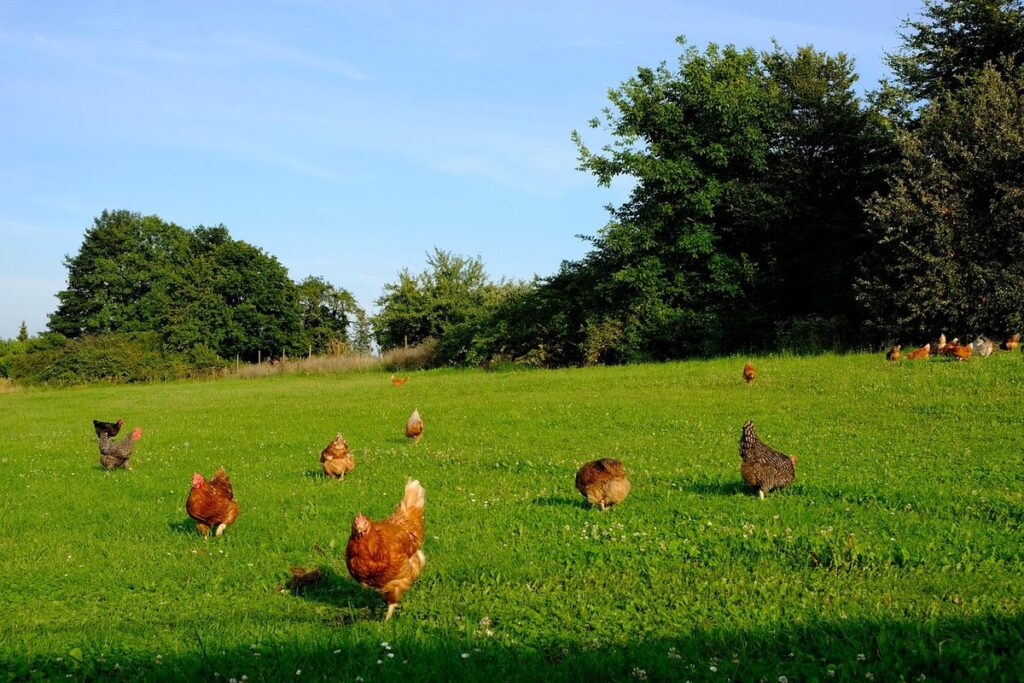
One of the most significant advantages of free range chickens is their ability to forage and exercise naturally, leading to a healthier lifestyle. This section will explore the many benefits of raising your flock this way.
Health Benefits – Physical Activity and Reduced Stress
When you provide your chickens with access to free-range environments, they’re not just getting some exercise – they’re also reaping numerous health benefits. Physical activity is a vital component of overall well-being for chickens, and it’s essential for maintaining their immune systems and preventing various diseases.
In contrast to confined spaces like chicken runs, free-range areas encourage natural behavior such as pecking, scratching, and flying. This physical activity helps to strengthen the muscles, improve bone density, and enhance cardiovascular health. In fact, studies have shown that chickens that have access to outdoor space tend to be more active than those kept indoors.
One of the most significant advantages of free-range environments is their stress-reducing effects on chickens. Outdoor spaces provide an escape from the monotony of confined areas, allowing them to engage in natural behaviors and explore their surroundings. As a result, free-range chickens tend to exhibit reduced stress levels compared to those kept in runs.
Foraging Opportunities and Nutrient Diversity
Free-range settings provide chickens with an unparalleled opportunity to forage and find nutrient-rich food sources. Unlike run-based systems where feed is often the primary source of nutrition, free-range environments allow chickens to roam freely and access diverse areas that supply essential vitamins and minerals.
In a natural setting, chickens will seek out plants rich in calcium, like clover or dandelions, which are crucial for maintaining strong eggshell production. They’ll also peck at earthworms and insects to obtain protein-rich nutrients, reducing their reliance on commercial feed. This varied diet not only enhances their overall health but also influences their dietary requirements.
In fact, research has shown that free-range birds require a lower amount of synthetic nutrients in their feed compared to those raised in confined spaces. By mimicking their natural foraging behavior, you can minimize the need for supplements and promote a more holistic approach to chicken nutrition. Consider creating a diverse landscape with native plants and insect-attracting flowers to provide your flock with an endless array of nutrient sources.
Benefits of Keeping Chickens in a Run
Keeping chickens in a run can have some surprising benefits, including improved egg production and reduced stress on your flock. Let’s take a closer look at what you can expect.
Predator Protection and Safety Concerns
Confining chickens to a run may seem restrictive, but it’s actually one of the most effective ways to protect them from predators. In the wild, chickens would be constantly on guard against threats like hawks, foxes, coyotes, and stray dogs. But by keeping them in a secure enclosure, you’re giving them a safe haven where they can roam free without worrying about being attacked.
A well-designed run should have sturdy walls or fencing that’s at least 3 feet high to prevent jumping predators. The mesh should be made of durable material like chicken wire or hardware cloth with openings no larger than 1 inch to keep out snakes and other small predators. You should also consider adding a roof or netting to prevent aerial attacks from hawks and owls.
To further enhance security, you can add features like covered areas, sheltered feeding stations, and hiding spots for your chickens to retreat to when they feel threatened. By taking these precautions, you’ll be able to enjoy the benefits of free-range chicken keeping while minimizing the risks associated with it.
Space Efficiency and Climate Control
When it comes to runs, designers have thoughtfully considered space efficiency and climate control. A well-designed run can provide a substantial amount of square footage for your chickens while taking up relatively little yard space.
For instance, a standard 6×8 foot coop with an attached 4×12 foot run offers around 50 square feet of space per chicken. This is significantly more than what many free-range systems provide. However, the key to achieving such impressive space efficiency lies in thoughtful design and layout.
To maximize climate control benefits, consider incorporating features like windows for cross ventilation, a roof with a slight overhang to shield from harsh sunlight or rain, and adequate shade structures within the run. These elements allow you to balance fresh air circulation with protection from extreme weather conditions.
In practice, this might involve using lightweight materials for the coop walls and adding large windows on opposite sides of the structure. This design allows cool breezes to flow through while warm air escapes, keeping your chickens comfortable year-round.
Comparing Free Range Chickens with Run in Terms of Productivity
When it comes to free range chickens versus run, one key area to consider is their relative productivity – but which type of coop really gives you more bang for your buck? Let’s dive in.
Egg Laying Capacity and Quality
When it comes to egg-laying capacity and quality, free-range chickens often outperform those confined to a run. This is largely due to their ability to forage and engage in natural behaviors, which enhances their overall health and well-being.
Studies have shown that free-range hens can lay up to 200-300 eggs per year, compared to around 180-220 eggs from birds kept in a run. However, individual bird performance plays a significant role in determining egg-laying capacity. Some free-range hens may only produce 150-170 eggs annually, while others may exceed 250.
Seasonal variations also impact egg production. Free-range chickens tend to adjust their laying cycles according to the changing seasons, producing more eggs during spring and summer when forage is abundant. In contrast, run-confined birds may lay at a more consistent rate but experience reduced egg quality due to confined living conditions.
To maximize egg-laying capacity in your free-range flock, ensure they have access to a diverse range of forages, including grasses, clover, and insects. This will help them maintain optimal health and productivity throughout the year.
Meat Production and Quality
When it comes to meat production and quality, backyard chicken raisers and small-scale farmers often wonder if free range or run housing methods make a difference. The answer is yes – the type of housing can significantly impact the final product.
Free-range chickens have access to outdoor spaces where they can forage for food and exercise freely. This leads to better muscling and more flavorful meat, as they’re able to engage in natural behaviors like scratching and pecking. In fact, studies have shown that free-range chicken meat contains higher levels of omega-3 fatty acids and conjugated linoleic acid (CLA), both of which are beneficial for human health.
On the other hand, run-housed chickens may not have access to these same opportunities, potentially resulting in less flavorful and leaner meat. However, this doesn’t mean that run-housed chicken can’t be high-quality – it’s all about providing a balanced diet and ensuring they’re getting enough exercise through alternative means, such as dust baths or play areas. By paying attention to nutrition and incorporating enrichment activities, small-scale farmers can still produce delicious and healthy meat, regardless of housing method.
Environmental Impact of Free Range Chickens vs Run
Now that we’ve discussed the pros and cons of free range chickens, let’s examine how these systems affect the environment. We’ll dive into the effects on soil quality, water usage, and greenhouse gas emissions.
Resource Consumption – Feed, Water, and Manure Management
When it comes to resource consumption, feed and water usage are significant factors to consider. In free-range settings, chickens require less feed per unit of egg production compared to those raised in coops/runs. According to a study by the University of California, Davis, free-range hens consumed approximately 20% less feed than their confinement counterparts. This reduction can be attributed to increased foraging behavior and physical activity associated with outdoor access.
However, water usage is another story. Free-range systems often rely on more extensive irrigation networks and larger water storage capacities to meet the needs of the birds during dry spells or periods of intense growth. In contrast, coops/runs typically require less water due to their closed-loop systems. Nevertheless, it’s essential to note that some free-range farms have implemented efficient watering strategies, such as rainwater harvesting and greywater reuse.
Manure management is another critical aspect of environmental sustainability in chicken production. Free-range systems tend to produce more manure than coops/runs due to the increased number of birds and their higher egg-laying capacity. However, this excess can be mitigated through regular manure removal and composting practices. In fact, some free-range farms have successfully integrated manure into their soil management strategies, utilizing it as a natural fertilizer.
To create an environmentally friendly free-range system, consider the following tips:
• Implement efficient watering systems that minimize waste and reduce water consumption.
• Develop a comprehensive manure management plan that includes regular removal and composting practices.
• Incorporate on-farm recycling and reuse of resources, such as rainwater harvesting and greywater use.
• Promote biodiversity by maintaining diverse vegetation cover and implementing integrated pest management strategies.
Legal and Ethical Considerations for Raising Chickens
When raising chickens, it’s essential to consider the laws and regulations that govern backyard flocks, as well as the ethics of keeping them. Let’s break down these crucial considerations together.
Zoning Laws and Regulations
Before you start collecting eggs from your backyard flock, it’s essential to check if there are any zoning laws and regulations that might impact your housing choices. Zoning laws dictate what types of animals can be kept on a property, how many, and under what conditions. In some areas, free-range chickens may not be allowed due to concerns about noise, odor, or property values.
Check with your local government’s planning department to see if there are any specific regulations governing backyard chickens. You can also look for online resources such as the American Society for the Prevention of Cruelty to Animals (ASPCA) database on animal-friendly zoning laws. Some cities have “chicken ordinances” that specify requirements for coop size, fencing, and chicken number limits.
Even if you’re allowed to keep free-range chickens, it’s crucial to consider your neighbors’ feelings and take steps to mitigate any potential issues. Consider installing noise-reducing barriers or taking other measures to minimize disturbance. In some cases, a secure run might be a better option for you and your family. It’s always better to err on the side of caution and check with local authorities before making a decision that could impact your flock’s well-being and your property value.
Welfare and Human Responsibility
When it comes to raising chickens, many backyard farmers and owners consider their welfare and human responsibility as top priorities. It’s not just about providing them with a safe space to roam; it’s also about ensuring they are treated with respect and dignity.
As you set up your free-range or run system, remember that chickens have complex social and emotional needs. Provide enrichment activities such as scratching posts, toys, and perches to keep them stimulated and engaged. Make sure their living area is spacious enough for them to move around comfortably, with adequate shelter from the elements.
Regular check-ups with a veterinarian can help you identify any health issues early on, ensuring your chickens receive timely treatment. Provide access to fresh water and nutritious feed at all times. Consider implementing a “no-chickens-in-coop-at-night” policy to give them time to relax and recharge in their nesting boxes.
By putting the welfare of your chickens first, you’ll not only be doing what’s best for their well-being but also developing a deeper appreciation for these incredible animals.
Frequently Asked Questions
How do I transition my existing flock from a coop to free-range setup?
To minimize stress, start by introducing small areas of open space within the run for your chickens to explore. Gradually increase the size of these areas over time, allowing them to adjust to their new surroundings. Consider providing shade, water, and food in these designated free-range zones to make the transition more comfortable.
Can I still use a coop with a small yard if I decide on a free-range system?
Yes, you can still use a coop even with a small yard by incorporating some creative design elements. Consider installing a roof or canopy over the yard to provide shade and protection from predators. You can also add a smaller enclosed area within the larger space for your chickens to retreat to when needed.
How often should I clean my run, especially if I have free-range chickens?
Regular cleaning is essential, regardless of whether you have a coop or run. Aim to remove soiled bedding material and manure at least once a week. For free-range systems, increase the frequency of cleaning as the chickens will be spreading their droppings over larger areas.
What’s the best way to manage predators in a free-range system?
Use a combination of physical barriers (such as chicken wire or electric fencing), regular inspections for signs of predator activity, and careful planning when introducing new birds to your flock. Consider using noise-making devices or other deterrents to scare off potential threats.
Can I raise meat-producing chickens on a small plot of land with a free-range system?
Yes, but it’s crucial to consider the space requirements for meat production. For example, heritage breeds typically require more space than commercial varieties. Ensure you have sufficient land and resources available for adequate feed, water, and waste management before deciding on this type of setup.