
When it comes to making informed choices about the food we eat, there are many factors to consider. But have you ever stopped to think about where your eggs come from? Chances are, if you’re buying supermarket eggs, they’re not being produced by happy hens roaming freely outdoors. Free range eggs, on the other hand, offer a world of difference – from better living conditions for the hens to improved nutrition and lower cholesterol levels. As consumers become increasingly aware of animal welfare and food production methods, choosing free range eggs is no longer just a moral decision but also a healthier one. In this article, we’ll explore the advantages of free range eggs in detail, helping you make more informed choices about egg production methods that align with your values and dietary needs.
What are Free Range Eggs?
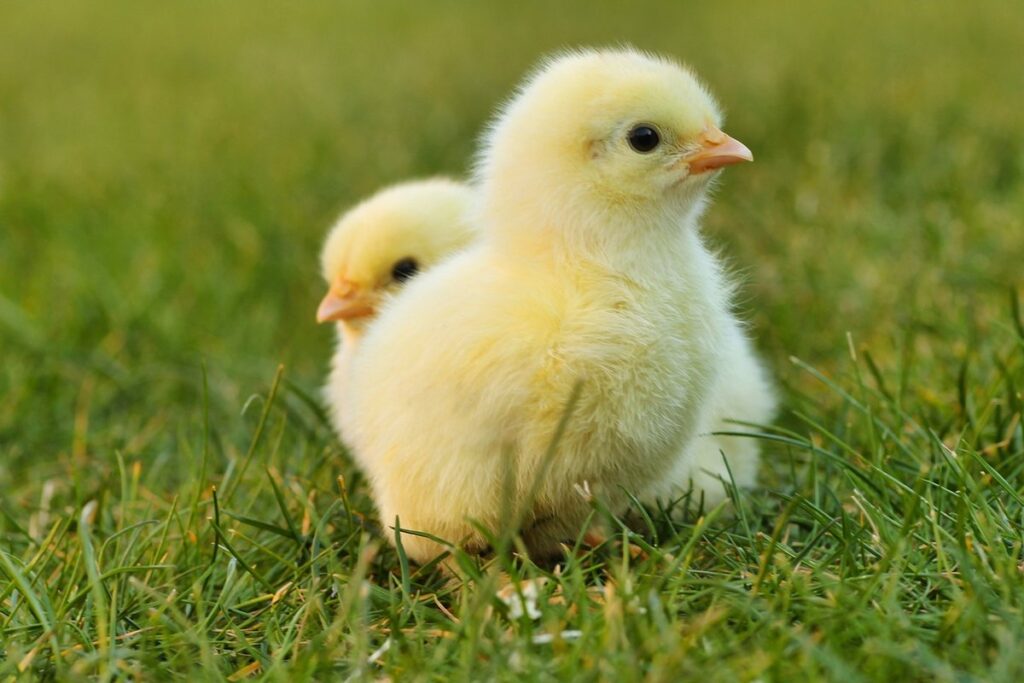
Free range eggs come from hens that roam freely outdoors, giving them access to natural light and space to forage for food. This basic difference sets free range eggs apart from other types of eggs.
Definition and Regulations
Free range eggs are produced by hens that have access to the outdoors and can roam freely in their surroundings. This concept is often misunderstood, leading some consumers to believe it means the chickens spend most of their time outside. However, regulations vary globally, and even within countries, laws may differ.
In the United States, for instance, free range eggs are regulated by the US Department of Agriculture (USDA). According to the USDA, hens must have “access” to the outdoors, which can be as simple as a window or a door that leads outside. However, this access does not necessarily mean they spend more time outdoors than in.
In contrast, European countries like Germany and the UK have stricter laws regarding free range eggs. In these regions, hens are required to spend at least 3/4 of their day outdoors, with some farms even offering up to 10 hours of outdoor access per day. These regulations not only ensure better living conditions for the hens but also promote more natural behavior and a healthier lifestyle.
Benefits for Hens
When it comes to free range egg farms, one of the most significant benefits is the improved living conditions for hens. Unlike conventional battery cages, where hens are confined to small spaces with little room to move, free range farms provide a more spacious environment that allows hens to roam freely.
In fact, many free range farms offer an average of 1-2 square feet per hen inside the coop and up to 8-10 square feet outside in the run. This is significantly more space than traditional battery cages, where hens are often confined to just a few inches of space per bird. With more room to move around, hens can engage in natural behaviors like foraging, scratching, and dust bathing.
This increased space also allows hens to exercise regularly, which is essential for their physical and mental health. Studies have shown that hens that have access to the outdoors are less stressed and have a lower risk of developing certain diseases.
Nutrition and Health Benefits
Free range eggs offer a wealth of nutritional benefits, thanks to their rich content of omega-3 fatty acids and antioxidants. Let’s dive into the specific ways they can boost your overall health.
Higher Omega-3 Content
Free range hens that roam freely outdoors tend to consume a diet rich in omega-3 fatty acids from plants and insects, which are then reflected in the eggs they produce. This leads to a higher content of these essential nutrients in free range eggs compared to conventionally raised ones.
Research has shown that free range eggs can contain up to 50% more omega-3s than those from hens raised in battery cages. These fatty acids play a crucial role in maintaining heart health, reducing inflammation, and supporting brain function. In fact, studies have demonstrated that consuming foods rich in omega-3s can lower the risk of chronic diseases such as cardiovascular disease and even certain types of cancer.
When shopping for eggs, look for labels that guarantee the hens were raised on pasture or allowed access to the outdoors. This will increase your chances of getting eggs with higher omega-3 content. Consider exploring local farmers’ markets or joining a community-supported agriculture (CSA) program to source high-quality free range eggs directly from the farm.
Lower Cholesterol Levels
When it comes to heart health, one of the biggest concerns for many people is cholesterol levels. Research has shown that free range eggs may have an advantage over their caged counterparts when it comes to lowering cholesterol levels. This is largely due to the varied diet that hens on free range farms enjoy.
Studies have found that free range hens are more likely to forage for insects, seeds, and other nutrient-rich foods in addition to their standard layer feed. These diverse sources of nutrition can lead to a higher level of omega-3 fatty acids and antioxidants in their eggs. Omega-3s, in particular, have been shown to have a beneficial effect on heart health by reducing inflammation and improving overall cardiovascular function.
In fact, one study published in the Journal of Nutrition found that free range egg yolks had significantly higher levels of omega-3s than caged egg yolks. By choosing free range eggs, you may be giving your body a boost when it comes to fighting off heart disease and high cholesterol levels.
Environmental Advantages
When you choose free range eggs, not only are you getting a delicious and nutritious meal, but you’re also doing your part for the environment. This section highlights some of the surprising eco-friendly benefits of going free range.
Reduced Antibiotic Use
When it comes to free range egg farms, you might be surprised to learn that they tend to use fewer antibiotics compared to conventional farms. This is a significant advantage not only for the animals but also for human health and the environment.
One reason for this reduced antibiotic use is that free range hens are able to engage in natural behavior, such as pecking at soil and foraging for insects, which helps to keep their immune systems strong. This reduces the need for antibiotics to prevent diseases. In fact, a study by the Food and Agriculture Organization of the United Nations found that free-range hens have a significantly lower incidence of disease compared to caged hens.
As a result, consumers who choose free range eggs are supporting farms that prioritize animal welfare and sustainable practices. By choosing free range eggs, you’re contributing to a healthier environment for both animals and humans. Look for eggs from farms that use alternative methods to prevent disease, such as probiotics or herbal remedies. Not only will this support the development of more sustainable farming practices, but it’ll also give you peace of mind when buying your weekly groceries.
Sustainable Farming Practices
When it comes to free range egg production, sustainable farming practices are not just a nice-to-have, but an essential aspect of ensuring that our eggs are produced with the utmost care for the environment. Crop rotation is one such practice that benefits both the soil and the laying hens. By rotating crops, farmers can maintain soil fertility, reduce pests and diseases, and increase biodiversity. This approach also allows for a reduction in synthetic fertilizers and pesticides, which can pollute waterways and harm wildlife.
Composting is another crucial aspect of sustainable farming practices in free range egg production. Compost made from food waste and other organic materials adds nutrients to the soil, improves its structure, and supports beneficial microorganisms. This natural approach to fertilization reduces reliance on synthetic chemicals, promotes healthy soil biota, and creates a more balanced ecosystem.
Incorporating these sustainable farming practices into your free range egg production not only benefits the environment but also enhances the quality of your eggs. By choosing producers who prioritize these methods, you can enjoy eggs that are produced with care for the planet and its inhabitants.
Economic Benefits for Farmers
When it comes to free range eggs, many farmers are eager to learn how they can benefit from this growing trend. Let’s explore the economic advantages of producing high-quality, free range eggs.
Increased Revenue Streams
By selling free range eggs directly to consumers, farmers can tap into a lucrative revenue stream that not only increases their income but also strengthens their connection with the community. On-farm sales and local markets provide an opportunity for farmers to showcase their products and build trust with customers who value transparency and quality.
To start, farmers can set up a simple on-farm store or market stall where they can sell eggs directly to consumers. This not only eliminates intermediaries but also allows farmers to control the price of their product. For instance, a farmer in California reported selling free range eggs for 10% more than what they would get from wholesalers.
Farmers can also explore local markets, such as farmers’ markets or co-ops, where they can sell their eggs alongside other locally sourced products. This approach not only helps build brand awareness but also fosters relationships with loyal customers who become repeat buyers. By diversifying their sales channels and cutting out middlemen, farmers can boost their revenue and improve their bottom line.
Improved Brand Reputation
When customers choose to buy free-range eggs, they’re not just making an informed decision about their diet – they’re also supporting a more humane and sustainable agricultural practice. By adopting free-range egg production methods, farmers can significantly improve their brand reputation and foster customer loyalty.
As consumers become increasingly concerned with animal welfare and environmental issues, producers who prioritize these values are seen as leaders in the industry. When customers know that their eggs come from hens that have access to fresh air, sunlight, and room to roam, they’re more likely to trust the farm’s commitment to quality and ethics.
Word of mouth and online reviews can be powerful tools for farmers who adopt free-range methods. Happy customers are often eager to share their experiences with friends and family, while social media platforms provide a platform for farmers to showcase their values and practices. To take advantage of this, consider sharing photos or videos of your happy hens on your website or social media channels. By being transparent about your production methods and highlighting the benefits of free-range egg production, you can build trust with customers and establish a loyal following.
Consumer Considerations
When shopping for free range eggs, there are several consumer considerations to keep in mind, from cost to nutrition and animal welfare. Let’s take a closer look at these factors.
Cost vs. Quality
When it comes to choosing between conventional and free range eggs, many consumers face a common dilemma: balancing cost with quality. On one hand, free range eggs are often pricier due to the higher standards of animal welfare and living conditions. However, this added expense may be worth considering given the numerous benefits associated with these eggs.
For instance, hens raised in free range systems have access to the outdoors, which allows them to engage in natural behaviors such as foraging and exercising. As a result, their egg yolks tend to be richer in vitamins A and E, as well as omega-3 fatty acids. Furthermore, free range hens are less likely to be exposed to antibiotics and growth hormones commonly used in conventional farming practices.
While it’s true that buying free range eggs may strain your budget, consider this: a small premium upfront can lead to long-term health benefits for you and your family. By incorporating more nutrient-dense eggs into your diet, you may find yourself saving money on healthcare costs down the line.
Certifications and Labels
When it comes to free range eggs, you may have noticed various certifications and labels on cartons. These labels can be confusing, but understanding what they mean can help you make informed choices about the quality of the eggs you buy. For instance, “free-range” is a certification that ensures hens have access to the outdoors for at least 6 hours per day. This means the birds are not confined to a small coop and can engage in natural behaviors like foraging and flying.
Other labels you might see include “omega-3 enriched” or “antibiotic-free.” These eggs may contain higher levels of omega-3 fatty acids, which are essential for heart health, or have been produced without the use of antibiotics. While these labels sound appealing, it’s essential to verify their authenticity by checking the producer’s website or contacting them directly.
As a consumer, look for third-party certifications like “Certified Humane” or “American Humane Certified.” These organizations audit farms to ensure they meet certain standards for animal welfare and living conditions. Always read the fine print and research the producer before making a purchase to ensure you’re getting eggs from hens that have been treated with care and respect.
Conclusion: Making the Switch to Free Range Eggs
Now that you’ve learned about the benefits of free range eggs, it’s time to take action and make the switch to a healthier, more sustainable option for your family.
Encouraging Adoption
As you’ve learned about the numerous benefits of free range eggs, it’s time to take action and make a positive impact on the egg industry. Making informed choices about egg production methods is crucial, not only for your own health but also for the welfare of hens and the environment.
When shopping for eggs, look for labels such as “Certified Humane” or “Animal Welfare Approved.” These certifications ensure that farms meet rigorous standards for animal treatment and living conditions. Additionally, check if the brand you choose is transparent about their farming practices and hens’ access to outdoors. Reading reviews and doing research can also help you make a more informed decision.
But encouraging others to adopt free range eggs is just as important. Share your knowledge with friends and family by explaining why you’ve made the switch. Highlight the benefits of better nutrition, improved animal welfare, and environmental sustainability. You can also share articles or documentaries that shed light on the importance of cage-free farming.
If you’re a business owner, consider offering free range egg options in your store or restaurant. This not only supports sustainable practices but also appeals to customers who prioritize animal welfare and health. For individuals, try hosting a dinner party or potluck with free range eggs as the star ingredient. This can be a fun way to introduce others to this healthier option.
Remember, every choice counts, and collective action can lead to significant change in the egg industry. By making informed choices and encouraging others to do the same, you’re contributing to a more compassionate and sustainable food system.
Frequently Asked Questions
Can I trust the “free range” label on eggs sold at my local supermarket?
The authenticity of the “free range” label can be a concern, especially if you’re not familiar with the regulations. To ensure you’re getting genuine free-range eggs, look for third-party certifications like Certified Humane or Animal Welfare Approved, which have strict standards and monitoring processes in place.
How do I know if the farm I’m buying from is genuinely raising hens in good living conditions?
When researching farms, consider visiting their website or social media pages to get a sense of their operations. You can also check for transparency about their animal welfare policies, such as providing access to outdoors and enriching environments. Additionally, consider purchasing eggs directly from the farm or through local co-ops that prioritize regenerative agriculture.
Are free-range eggs more expensive than conventional eggs?
In many cases, yes, free-range eggs are more costly due to higher production costs for farmers who invest in better living conditions and care for their hens. However, some argue that the nutritional benefits and support of sustainable farming practices justify the added expense.
How can I make sure my local grocery store carries a variety of free-range egg options?
Consider contacting the store directly to request they carry more diverse and locally sourced products. You can also advocate for supporting policies or programs in your community that encourage regenerative agriculture and promote consumer choice.
Can I raise hens on my own property, and are there any regulations I should be aware of?
Many cities have ordinances governing backyard chickens, so check with local authorities to see if you’re allowed to keep hens. Even if permitted, consider the space, care requirements, and zoning restrictions before deciding to start your own small-scale egg production.