
Raising chickens can be a wonderful hobby, but have you ever considered the benefits of letting them roam free? Free range hens are not only a joy to watch, but they also provide a natural and sustainable way to produce fresh eggs. By giving your hens the freedom to forage and exercise outdoors, you’ll not only improve their nutrition and overall health, but also reduce your environmental impact.
In this article, we’ll explore the joys of raising free range hens at home, from the improved taste and nutritional value of their eggs to the reduced need for pesticides and fertilizers in your backyard. We’ll cover the basics of creating a free range system that works for you, including tips on providing a safe and healthy environment for your girls. Whether you’re a seasoned chicken keeper or just starting out, this guide will show you how to raise happy and healthy hens while doing your part for the planet.
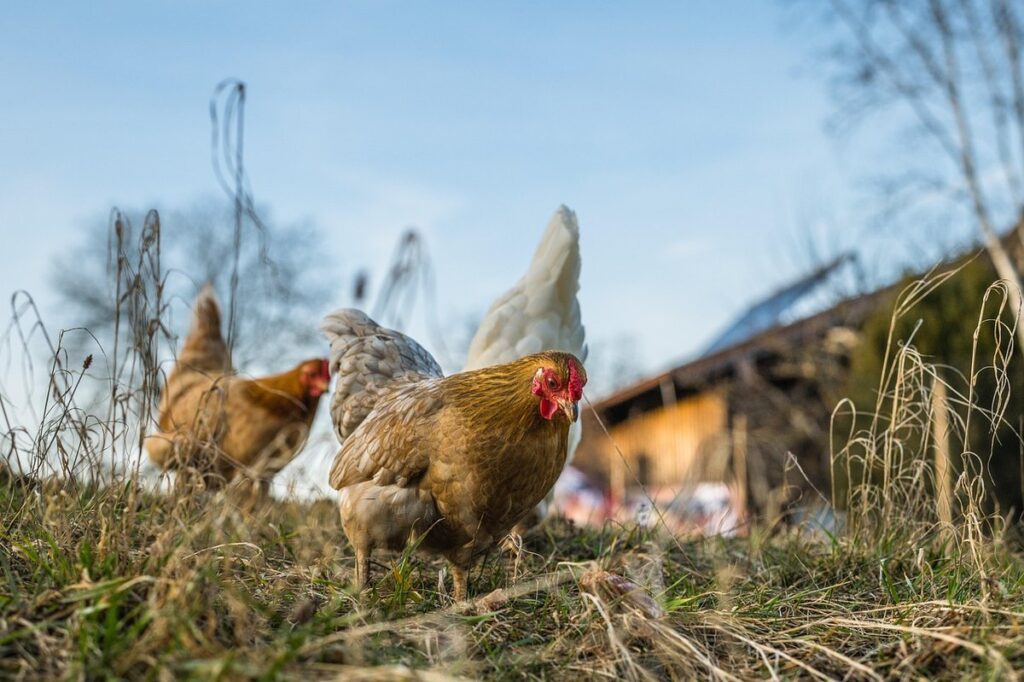
Understanding Free Range Hens
Free range hens may seem like a straightforward concept, but it’s essential to understand what they actually get up to outside of their coops. In this next part, we’ll delve into the specifics of their daily lives.
What is a Free Range Hen?
Free range hens are a type of poultry that’s raised with more freedom and autonomy than conventional hens. Unlike their counterparts who spend most of their time cooped up indoors, free range hens have access to the great outdoors where they can forage, exercise, and engage in natural behaviors.
In terms of living conditions, free range hens live in larger groups and are typically housed in barns or shelters that provide protection from harsh weather. These structures also serve as a sanctuary during extreme temperatures or inclement weather. Beyond their sheltered areas, free range hens have unlimited access to outdoor spaces where they can roam freely.
One of the key differences between free range hens and conventional hens is their ability to forage. Free range hens get to scratch in the dirt, peck at bugs, and eat a variety of plants, seeds, and grains that are naturally available on the farm or pasture. This diverse diet contributes to their better health and well-being.
Free range farming is often associated with higher welfare standards, which prioritize animal comfort and natural behavior over efficiency and profit. By choosing free range eggs or products from these hens, consumers are supporting more humane treatment of animals and contributing to a healthier food system.
Importance of Freedom for Chickens
When it comes to raising happy and healthy hens, giving them freedom to roam is essential. Freedom for chickens isn’t just a luxury; it’s a necessity for their overall well-being. Chickens that are allowed to forage and exercise outdoors tend to have improved physical health, with stronger legs and reduced risk of foot problems.
Freedom also has a significant impact on the mental well-being of hens. In addition to reducing stress, chickens that roam freely tend to exhibit more natural behaviors like scratching, pecking, and dust bathing. This not only keeps them entertained but also helps maintain their physical health.
In terms of egg production, research suggests that free-range hens lay better-quality eggs than those confined indoors. A study by the British Egg Industry Council found that free-range eggs contain higher levels of omega-3 fatty acids and lower levels of saturated fats compared to battery farmed eggs. By giving your hens freedom to roam, you’re not only improving their quality of life but also getting a better egg for yourself.
The Benefits of Free Range Eggs
Now that you know how free range hens live, let’s talk about one of the best perks: delicious and nutritious eggs. You’ll love learning about all the benefits of free range eggs in this section.
Nutritional Content of Free Range Eggs
When you choose free range eggs over conventional ones, you’re not just supporting better living conditions for hens – you’re also getting a more nutritious egg. The nutritional differences between the two are quite significant, particularly when it comes to omega-3 fatty acids and vitamins A and E.
Free range eggs tend to have higher levels of these essential nutrients due to the hens’ varied diet and lifestyle. Since they roam freely outdoors, they forage on grasses, seeds, and insects that are rich in omega-3s. This leads to a more favorable fatty acid profile in their eggs – with increased levels of alpha-linolenic acid (ALA) and eicosapentaenoic acid (EPA). As a result, free range eggs can help boost your intake of these beneficial fats.
Vitamins A and E are also more abundant in free range eggs. The hens’ access to sunlight and the outdoors allows them to synthesize more of these vitamins naturally. When you consume free range eggs, you’ll be getting higher amounts of retinol (pre-formed vitamin A) and tocopherols (vitamin E). This is especially important for immune function, eye health, and antioxidant defenses.
Taste and Texture of Free Range Eggs
When you crack open a free range egg, you’ll likely notice a significant difference in taste and texture compared to its conventional counterpart. One of the most notable differences is the richer flavor profile. Free range eggs tend to have a deeper, more complex taste that’s often described as buttery or nutty. This is due in part to the hens’ diverse diet, which includes insects, grasses, and other foraged foods.
The yolk color is another key indicator of the egg’s quality. Free range yolks are typically darker and more vibrant, with a deeper orange-yellow hue. This is because the hens have access to a wider range of feed, including beta-carotene-rich plants like leafy greens. When it comes to texture, free range eggs often have a creamier, firmer white and a thicker, more gel-like yolk.
If you’re looking to experience the taste difference for yourself, try cooking your free range eggs with minimal added ingredients. Scrambled or poached eggs are ideal for showcasing the unique flavor profile of these high-quality eggs.
Raising Free Range Hens at Home
If you’re considering raising free range hens at home, this section will walk you through the essential steps and considerations for providing a happy and healthy environment. Let’s dive into the details!
Creating a Backyard Flock
When it comes to creating a backyard flock of free range hens, there are several key considerations to keep in mind. First and foremost, you’ll want to choose breeds that are well-suited for free range living. Some popular options include Leghorns, Rhode Island Reds, and Buff Orpingtons – these breeds are known for their hardiness, egg-laying abilities, and friendly temperaments.
In terms of coop and run requirements, it’s essential to provide your hens with adequate space to roam and exercise. A general rule of thumb is to allocate at least 2-4 square feet per bird inside the coop, and 8-10 square feet per bird in the enclosed run. You’ll also want to make sure that the run is secure and predator-proofed – consider using hardware cloth or chicken wire with openings no larger than 1 inch.
Before bringing your flock home, be sure to check with your local government for any regulations regarding backyard chickens. Some municipalities may have specific requirements for coop size, location, or number of birds allowed. By doing your research and planning ahead, you can create a thriving backyard flock that provides fresh eggs and endless entertainment.
Providing Adequate Space and Nutrition
When raising free range hens at home, it’s essential to provide them with adequate space and nutrition. A good rule of thumb is to allocate about 2-4 square feet of outdoor space per hen. This may seem like a lot, but trust us, your girls will appreciate the extra room to roam.
In terms of nutrition, free range hens require a balanced diet that includes protein-rich foods like mealworms and insects, as well as fresh fruits and vegetables. You can supplement their feed with a high-quality layer feed that’s formulated specifically for laying hens. Make sure to provide fresh water at all times, and consider adding a few rocks or a birdbath to encourage your girls to drink from a moving source.
To manage pests and predators in the yard, consider using natural deterrents like chili powder or hot pepper spray around the perimeter of your coop. You can also plant pest-repellent herbs like mint or lemongrass among your garden beds. As for predators, make sure to secure any gaps or holes in your coop with hardware cloth or chicken wire.
Challenges and Considerations of Free Range Hens
When considering free range hens, there are several challenges and considerations to take into account, including animal welfare and environmental impact. Let’s explore these key issues together.
Predator Control and Safety Measures
As you venture into raising free-range hens, it’s essential to consider the potential threats from predators. Chickens are an attractive meal for many animals, and their presence can have a devastating impact on your flock.
Common predators of chickens include foxes, coyotes, raccoons, and hawks. Foxes, in particular, are notorious chicken thieves and can easily dig under fences or jump over them if they’re not high enough. Coyotes, on the other hand, are stealthy hunters that often target free-range flocks.
To protect your flock from these predators, consider implementing physical barriers such as sturdy fencing (at least 6 feet tall) around the coop and run area. This will help prevent escape artists like raccoons and opossums from getting in. Additionally, noise-making devices like motion-activated sprinklers or ultrasonic repellent devices can startle predators and deter them from approaching.
Another effective measure is to introduce guard animals, such as geese or dogs, that are naturally protective of chickens. They’ll sound the alarm if they sense a predator nearby, giving you time to intervene. Remember to research and understand the specific needs and behaviors of any new animals you bring into your flock.
Disease Prevention and Treatment
Free range hens are more susceptible to diseases and parasites due to their outdoor access, making proper hygiene practices and vaccination a crucial aspect of flock management. Some common chicken diseases include Infectious Bronchitis, Avian Influenza, and Newcastle Disease, which can spread quickly among birds. External parasites like mites, lice, and fleas can also cause discomfort and stress.
To prevent these issues, it’s essential to maintain a clean environment for your hens. This includes regular cleaning of feeding and watering areas, disinfecting nesting boxes, and collecting droppings regularly. Vaccinations are also necessary to protect against specific diseases, such as Newcastle Disease. It’s recommended to work with a veterinarian to determine the best vaccination program for your flock.
In addition to proper hygiene and vaccinations, monitoring your hens’ behavior and health is vital in detecting any potential issues early on. Look out for signs of illness, such as labored breathing, lethargy, or changes in appetite. Isolating sick birds promptly can help prevent the spread of disease within the flock.
Free Range Hens and Sustainability
When it comes to raising free range hens, sustainability is a top concern for many backyard chicken keepers. In this section, we’ll explore the eco-friendly benefits of keeping these birds on your own land.
Environmental Impact of Conventional Farms
Conventional farming practices have a significant environmental impact that cannot be ignored. When it comes to resource consumption, conventional farms often rely heavily on non-renewable energy sources such as fossil fuels, which contribute to greenhouse gas emissions and climate change. A study by the Food and Agriculture Organization (FAO) found that agriculture is responsible for around 25% of global greenhouse gas emissions.
In addition to resource consumption, conventional farming also generates a significant amount of waste. Manure from confined animal operations can pollute waterways and soil if not properly managed. According to the Environmental Protection Agency (EPA), agricultural runoff is one of the leading causes of water pollution in the United States.
To put this into perspective, consider the example of industrial-scale chicken farms. These facilities often have tens of thousands of birds confined in small spaces, resulting in a staggering amount of manure and waste. Without proper management, this can lead to environmental disasters such as the massive algae bloom that occurred in Lake Okeechobee in Florida in 2016.
One way to mitigate these negative impacts is by adopting more sustainable practices. For example, farmers can implement rotational grazing systems or use cover crops to reduce soil erosion and improve water quality. By making changes like these, we can work towards creating a more environmentally friendly food system that prioritizes the well-being of both people and the planet.
The Role of Free Range Hens in Sustainable Agriculture
Free range hens can play a significant role in sustainable agriculture by implementing practices that reduce water usage and improve soil quality. One of the most notable benefits is their ability to act as natural fertilizer spreaders, allowing for reduced reliance on synthetic fertilizers. This reduces the need for irrigation systems, resulting in substantial water savings.
Another key aspect of free range hens’ contribution to sustainability lies in their impact on biodiversity. By roaming freely outdoors, these birds help control pests and diseases that can damage crops. In turn, this fosters a balanced ecosystem where natural predators and prey coexist.
In addition to these benefits, free range hens contribute to soil quality by dispersing organic matter through their droppings, which in turn improve the overall structure of the soil. This allows for healthier plant growth and reduced erosion.
If you’re considering incorporating free range hens into your sustainable agricultural practices, start by assessing the land’s ecological balance. By carefully managing resources and creating a harmonious environment between hens and crops, you can reap the rewards of these benefits while cultivating a thriving ecosystem.
Conclusion and Final Thoughts
As you’ve learned more about free-range hens, you might be thinking about incorporating them into your backyard or small farm. It’s essential to consider the benefits and responsibilities that come with raising these wonderful birds. Remember, providing a safe and healthy environment for your hens is crucial. This means giving them enough space to roam, access to fresh air and water, and protection from predators.
Take note of local regulations regarding free-range hens in your area, as they can vary significantly. For example, some cities may have restrictions on the number of chickens you can keep or require special permits. Be sure to research and comply with these regulations before bringing home your new feathered friends. By doing so, you’ll be able to enjoy the rewards of free-range hens while also being a responsible owner.
Frequently Asked Questions
How do I introduce free range hens to my existing backyard flock?
Introducing new birds to an established flock can be challenging, but with a gradual introduction process, you can minimize stress and ensure a smooth transition. Start by placing the new birds in a separate area of your yard, allowing them to become familiar with their surroundings before introducing them to the main coop.
What are some common predators that target free range hens, and how can I protect my flock?
Common predators like foxes, coyotes, and hawks pose a significant threat to free range hens. To prevent losses, ensure your enclosure is secure, and consider using natural deterrents such as motion-activated sprinklers or ultrasonic repellents.
Can free range hens still be a good option for small backyards with limited space?
Free range hens can thrive in smaller spaces if you’re creative with your coop design. Consider vertical integration by adding roosts, nesting boxes, and perches to maximize space while providing your birds with the freedom they crave.
How do I balance the nutritional needs of my free range hens, especially during extreme weather conditions?
Free range hens require a balanced diet that includes high-quality layer feed supplemented with calcium-rich foods like oyster shells or crushed eggshells. During harsh weather, ensure access to fresh water and sheltered feeding areas to prevent stress.
What are some signs of disease in free range hens, and how can I address them?
Monitor your birds regularly for signs of illness such as lethargy, changes in appetite or droppings, and unusual behaviors. Addressing health issues promptly through good hygiene practices, vaccination, and seeking professional advice from a veterinarian will help maintain the overall well-being of your flock.