
As you consider the meat and eggs that end up on your plate, have you ever stopped to think about where they come from? Free range poultry farming is gaining popularity as consumers become more aware of the importance of animal welfare and sustainable food production. But what exactly does “free range” mean, and how does it impact the quality and nutritional value of your food? In this article, we’ll delve into the advantages and disadvantages of free range poultry farming, exploring its benefits for bird welfare, nutrition, and the environment. We’ll also examine the potential health implications of choosing free range options over conventional ones. By the end of this post, you’ll have a better understanding of the pros and cons of free range poultry and be equipped to make informed choices about your diet.
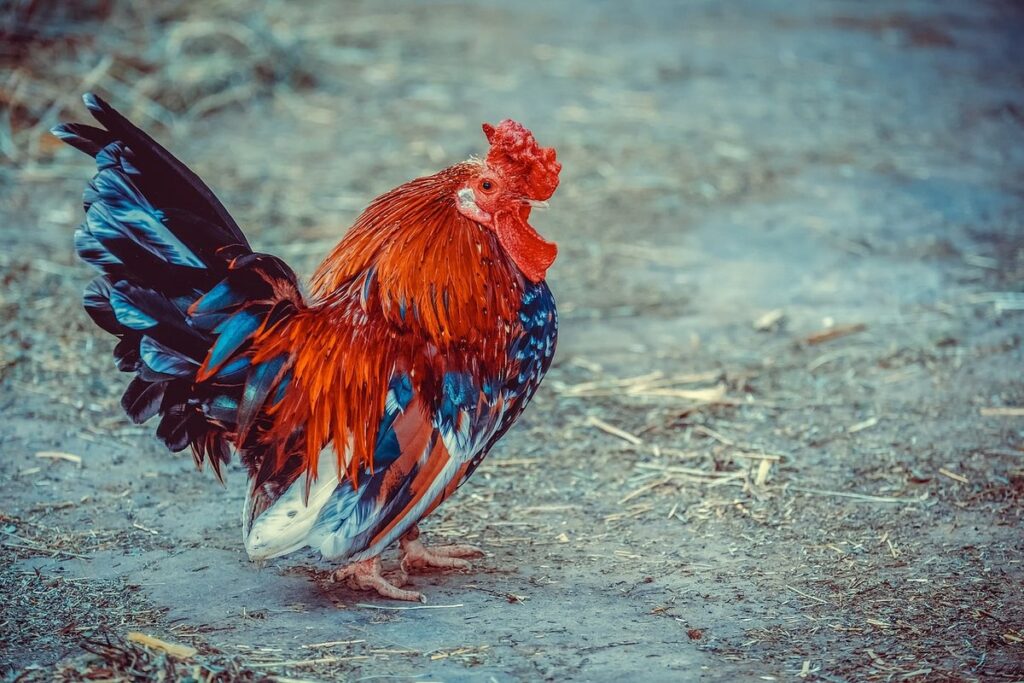
What is Free Range Poultry?
So, what exactly does it mean for poultry to be labeled as free range? We’ll break down the basics of free range farming and how it differs from traditional methods.
Definition and Regulation
Free range poultry refers to birds raised outdoors on pasture or in other outdoor areas, rather than being confined to indoor facilities. In contrast to conventional farming methods, which often keep chickens and other poultry indoors in crowded conditions, free range systems prioritize animal welfare and promote more natural behaviors.
Regulations governing free range poultry vary by country and even region within countries, but most standards require birds to have access to the outdoors for a certain amount of time each day. For example, in the European Union, birds must be able to access outdoor areas during daylight hours. In contrast, conventional farming methods may keep birds indoors 24/7, with no natural light or outdoor stimulation.
To ensure compliance with free range regulations, farmers and producers must demonstrate that their systems meet specific standards for animal welfare and environmental sustainability. This includes providing adequate space, ventilation, and access to the outdoors, as well as maintaining records of bird activity and health.
History and Evolution of Free Range Farming
Free range farming has its roots in ancient practices of allowing animals to roam freely outdoors. However, the modern concept of free range farming as we know it today began to take shape in the mid-20th century. In the 1950s and 1960s, European farmers started adopting free range methods to improve animal welfare and reduce the risk of disease.
One key milestone was the introduction of the “Organic Farming” movement in the UK in the 1970s. This movement emphasized the importance of animals having access to natural environments and foraging for food. The US followed suit, with the first organic farm in California starting a free range poultry program in the 1980s.
Since then, free range farming has gained popularity worldwide due to growing consumer demand for humanely raised meat and eggs. Today, many countries have implemented regulations requiring free range access for animals. For example, the EU’s Welfare of Laying Hens Directive sets minimum standards for outdoor space per bird.
In conclusion, the evolution of free range farming is a story of gradual change driven by animal welfare concerns and consumer demand. As consumers become more aware of the benefits of humanely raised food, we can expect to see continued growth in the adoption of free range practices worldwide.
Benefits of Raising Free Range Poultry
Raising free range poultry can have numerous advantages for you and your flock, including improved egg quality and stronger bird health. Let’s explore these benefits in more detail.
Improved Welfare for Birds
Free range systems are designed to prioritize bird welfare, providing them with access to natural light, exercise, and social interaction. In contrast to confined spaces, free range birds can roam freely outdoors, engaging in natural behaviors like foraging and scratching.
This emphasis on animal welfare leads to several benefits. Studies have shown that free range birds experience reduced stress levels compared to those raised indoors. With unrestricted movement, they are able to regulate their own activity levels, which contributes to better overall health.
Access to sunlight is also a crucial aspect of bird welfare in free range systems. Exposure to UV light helps maintain calcium balance and supports healthy bone growth. Furthermore, social interaction among birds can aid in reducing aggression and promoting harmonious flocks.
When implementing a free range system, it’s essential to consider the space required for optimal bird movement and exercise. Aim to provide at least 4-5 square meters of outdoor access per bird. This will allow them to engage in natural behaviors while minimizing the risk of over-crowding or escape attempts.
Enhanced Nutrition and Food Quality
Raising free range poultry offers numerous benefits when it comes to enhanced nutrition and food quality. For one, these birds have access to natural sunlight, fresh air, and space to roam, which allows them to engage in their natural behaviors. This freedom leads to a more robust immune system, reducing the need for antibiotics. According to a study by the Journal of Applied Poultry Research, free range birds had significantly lower antibiotic use compared to conventionally raised poultry.
The improved nutrition also translates into better-tasting and higher-quality meat and eggs. Free range chickens have been shown to produce eggs with a higher Omega-3 content, which is essential for heart health. Meat from these birds tends to be leaner, with less saturated fat and more protein. In contrast, conventionally raised poultry often relies on feed that contains antibiotics and growth hormones, compromising the nutritional value of the final product.
When selecting a free range poultry farm or integrating free range into your existing operation, look for farms that adhere to strict pasture rotation schedules and provide ample space for birds to forage and exercise. By choosing high-quality feed that is free from additives and incorporating rotational grazing practices, you can further enhance the nutritional value of your products.
Challenges Facing Free Range Poultry Farmers
Free range poultry farming comes with its own set of unique challenges, from predators to pests, and finding ways to manage these issues is crucial for a sustainable operation. Let’s explore some of the most significant obstacles you may face.
Higher Costs and Labor Requirements
One of the most significant challenges facing free range poultry farmers is the higher costs associated with providing adequate space and resources for their birds. This includes not only the cost of land but also the infrastructure needed to support a larger number of animals, such as fencing, nesting boxes, and access to pasture. The cost of labor is another crucial consideration, as free range systems require more manual intervention than traditional confinement systems. This can include tasks such as monitoring bird health, repairing damaged infrastructure, and ensuring that birds have access to food and water.
In the US, for example, it’s estimated that free range farmers spend around 20-30% more on labor costs compared to their conventional counterparts. This is due in part to the need for manual labor to manage pasture rotation, monitor bird health, and ensure that animals are accessing adequate resources. To mitigate these costs, many free range farmers opt for smaller-scale operations or focus on niche markets where they can command a premium price for their products.
Free range farmers also have to consider the cost of maintaining high biosecurity standards. This includes ensuring that birds have access to clean water and feed, as well as implementing robust disease management strategies. By doing so, they can reduce the risk of disease outbreaks and protect the health of their birds. However, these measures come at an added expense.
When planning a free range operation, it’s essential for farmers to carefully consider these costs and develop strategies to mitigate them. This might involve developing a phased expansion plan, investing in efficient infrastructure, or exploring alternative labor models such as apprenticeships or internships. By doing so, they can ensure the long-term sustainability of their operations and maintain a profitable business model.
For new entrants into the market, it’s worth noting that some subsidies and incentives may be available to support the development of free range farms. These can include grants for infrastructure development, funding for labor costs, or training programs focused on disease management and biosecurity. Farmers should research these opportunities and explore any available resources that can help offset the higher costs associated with providing adequate space and resources for their birds.
While the challenges presented by free range farming are significant, many farmers believe the benefits outweigh the costs. By adopting more natural and humane systems of production, they can create a premium product that commands a higher price in the market.
Disease Management and Biosecurity Concerns
Free range poultry farming offers numerous benefits, but it also poses significant disease management and biosecurity concerns. One of the primary risks associated with free range systems is the increased likelihood of disease transmission between birds. This can be attributed to the close proximity of birds to each other, as well as their exposure to external pathogens such as bacteria, viruses, and parasites.
In a free range setting, birds are more susceptible to diseases like avian influenza (AI) and Newcastle disease (ND). For instance, in 2004, an AI outbreak occurred on a large-scale free range farm in the UK, resulting in the culling of over 100,000 birds. To mitigate such risks, it’s essential for farmers to implement robust biosecurity measures. These can include regular cleaning and disinfection of coops and equipment, restricting access to visitors and predators, and implementing vaccination programs.
Farmers must also be aware of the environmental factors that may exacerbate disease transmission. For example, standing water near free range areas can facilitate the spread of diseases like AI. To address these concerns, farmers should conduct regular monitoring of their birds’ health and implement prompt action when necessary to prevent outbreaks. By adopting a proactive approach to biosecurity, free range poultry farmers can minimize the risks associated with disease transmission and maintain a healthy flock.
Sustainability and Environmental Impact
As you weigh the pros of free range poultry, it’s essential to consider the environmental impact of these farming methods on our planet. We’ll delve into the sustainability concerns surrounding free range production.
Carbon Footprint Reduction and Ecological Benefits
When you choose free range poultry, you’re not only getting healthier meat for yourself and your family, but also contributing to a more sustainable environment. Free range birds have a significantly lower carbon footprint compared to their battery-raised counterparts.
Studies show that factory farms release up to 17 times more greenhouse gas emissions per pound of chicken produced than small-scale, free-range operations. This is because intensive farming practices require vast amounts of fossil fuels for energy and transportation, as well as resources like feed and water. In contrast, free range farms often rely on renewable energy sources like solar power, reducing their reliance on polluting fuels.
By choosing free range poultry, you’re also supporting biodiversity and ecological balance. Free-range birds roam freely outdoors, where they forage for insects and seeds, contributing to soil health and reducing the need for pesticides. Furthermore, free-range farming often encourages agroforestry practices, which involve integrating trees into agricultural landscapes. This not only helps mitigate climate change but also provides habitat for wildlife and supports local ecosystems.
You can further reduce your carbon footprint by opting for local, seasonal, and organic free range options. By doing so, you’re cutting down on transportation emissions, supporting small-scale farmers who tend to use more sustainable practices, and enjoying meat that’s been raised with care for the environment.
Role in Preserving Biodiversity and Ecosystems
Free range farming practices play a crucial role in preserving natural habitats and supporting biodiversity. By allowing poultry to roam freely outdoors, farmers can create diverse ecosystems that mimic the birds’ natural habitats. This not only benefits the environment but also contributes to the overall well-being of the birds.
When chickens are able to forage and exercise outdoors, they contribute to seed dispersal, nutrient cycling, and pest control in a way that’s similar to their wild counterparts. For example, a study found that free-range chicken farms can increase biodiversity by up to 50% compared to conventional farming methods.
To replicate this success on your own farm, consider implementing practices such as:
* Creating buffer zones between the poultry enclosure and neighboring habitats
* Planting native vegetation that provides food and shelter for the birds
* Rotating crops to maintain soil health and prevent nutrient depletion
* Encouraging natural predators like hawks and owls by providing nesting sites
By adopting these strategies, you can not only promote biodiversity but also create a more sustainable and resilient farming system.
Case Studies and Success Stories
We’re excited to share some real-life examples of farms that have successfully made the switch to free-range poultry, showcasing their unique approaches and results. From increased egg production to improved bird health, we’ll highlight what works.
Examples from Small-Scale and Large-Scale Operations
Small-scale free range poultry farms are often found on rural properties, where they can benefit from the natural resources available. For instance, a farm in Vermont has successfully implemented a free range system that allows their chickens to roam freely during the warmer months. The owners have incorporated permaculture principles into their operation, planting native vegetation and incorporating composting toilets to minimize waste. This holistic approach not only enhances biodiversity but also reduces chemical usage.
On a larger scale, companies like Bell & Evans are pushing the boundaries of free range poultry production. Their farms span over 1,000 acres, with millions of birds roaming freely within these areas. To ensure quality and consistency, they’ve implemented robust monitoring systems to track bird health and behavior. By integrating these large-scale operations with smaller, more sustainable ones, we can learn valuable lessons on how to balance productivity with welfare.
To replicate such success, small-scale farmers can start by adopting a phased approach to implementing free range systems. Begin with a small section of the farm, introducing birds gradually to allow them to adapt to new surroundings. It’s essential to strike a balance between giving birds space and ensuring their safety. Regular monitoring of bird health and behavior is crucial to prevent any potential issues.
Industry Trends and Future Developments
As we continue to explore the world of free range poultry, it’s essential to consider the industry trends and future developments that will shape this sector. The demand for free range poultry is on the rise, driven by consumer concerns about animal welfare and environmental sustainability. According to a recent report, the global free-range egg market is projected to grow at a CAGR of 8.5% from 2023 to 2030.
Emerging technologies such as vertical farming and controlled environment agriculture (CEA) are being adopted by some producers to increase efficiency and reduce costs associated with traditional free range systems. For instance, companies like Urban Crops in the US are using hydroponics to grow free-range broiler chickens in vertically stacked layers, reducing land use and environmental impact.
Looking ahead, we can expect to see more innovative approaches to free-range poultry production, including the integration of artificial intelligence (AI) and data analytics. These technologies will enable farmers to monitor bird behavior, health, and welfare in real-time, making it possible to optimize management practices and improve animal well-being. By staying informed about these industry trends and future developments, producers can position themselves for success in this rapidly evolving market.
Consumer Considerations and Choosing Free Range Options
When considering free range poultry for your family, you need to weigh the benefits against the higher cost and potential challenges of sourcing high-quality products. Here are some key factors to think about.
Making Informed Decisions as a Buyer
As you consider purchasing free range poultry, it’s essential to make informed decisions to ensure that you’re getting high-quality products. With the rise of free range farming, many producers are using this label to market their products, but not all “free range” products are created equal.
To identify genuine free range options, look for third-party certifications like the “Certified Humane” or “Animal Welfare Approved” labels. These organizations ensure that farms meet rigorous standards for animal welfare and living conditions. You can also check if the farm is transparent about their practices, such as providing regular updates on social media or offering farm tours.
When shopping for free range poultry, read the fine print on packaging. Check for phrases like “access to pasture” or “outdoor access,” which indicate that animals have some freedom to roam. Be wary of vague claims like “free range” or “natural,” as they may not necessarily ensure humane living conditions.
Ultimately, the best way to make informed decisions is to do your research and choose from reputable producers who prioritize animal welfare. By taking the time to verify the quality of free range products, you can support sustainable farming practices and enjoy healthier, more humanely raised poultry for yourself and your family.
Supporting Sustainable Farming Practices
As consumers, our purchasing decisions have the power to shape the market and drive demand for free range farming practices. By choosing free range options, we’re not only ensuring a better life for chickens, but also contributing to a more sustainable food system.
When you opt for free range poultry, you’re supporting farmers who prioritize animal welfare and environmental stewardship over intensive, industrialized methods. This shift in consumer demand can have a ripple effect, incentivizing producers to adopt more humane and eco-friendly practices.
So, how can you make a positive impact? Start by being mindful of labels: look for certifications like “free range” or “beyond organic,” which often come with stricter standards for animal welfare and living conditions. You can also choose local, small-scale farms that prioritize transparency and sustainability. By supporting these initiatives, we collectively create a market that rewards producers who put the well-being of animals and the planet first.
By making conscious choices at the checkout counter, you’re joining a movement towards more sustainable farming practices – and that’s something to crow about!
Frequently Asked Questions
Can I raise free range poultry on a small scale or do I need large acres of land?
Free range poultry can be raised on small scales, even with limited space, by incorporating rotational grazing practices and designing efficient outdoor systems. You can start with a few birds and gradually expand your operation as you gain experience. Local regulations may also offer opportunities for smaller-scale free range farming.
How do I ensure disease management in my free range poultry operation?
Yes, effective disease management is crucial in free range systems due to the increased risk of exposure from outdoors. Implement robust biosecurity measures, such as regular vaccinations, monitoring for early signs of illness, and maintaining a healthy flock through good nutrition and hygiene practices.
Can I feed my free range chickens grains and commercial feeds, or do they need specialized diets?
While some free range systems use mixed feeding, where birds are supplemented with grains and other nutrients, others prefer to maintain a more natural diet. Consider consulting with an avian nutritionist to determine the best approach for your specific climate, season, and bird type.
Are there any certifications or labels I should look for when buying free range poultry?
Yes, look for third-party certifications like Certified Humane, Animal Welfare Approved (AWA), or Global Animal Partnership (GAP). These ensure that the birds have met minimum welfare standards, including access to outdoors, shelter, and enrichment. Also check for local labeling schemes that reflect your region’s specific regulations.
Can I transition from conventional farming to free range poultry farming without significant changes to my operation?
Yes, transitioning can be a gradual process. Start by introducing small groups of birds to outdoor areas or implementing partial rotation grazing. As you gain experience and fine-tune your systems, you can scale up to larger free-range operations. Be prepared for increased labor and costs in the short term, but also expect long-term benefits from improved animal welfare and nutrition.