
When shopping for eggs at your local grocery store, have you ever stopped to think about where they came from? Beyond just “free range” or “cage free,” do you know how these labeling claims actually impact the lives of chickens and our planet?
As it turns out, the distinction between free range and cage free chickens is more nuanced than you might expect. While both terms are often used interchangeably, there’s a significant difference in the living conditions, nutrition, and welfare of the birds. In this article, we’ll explore how labeling regulations, housing systems, animal welfare concerns, and environmental impact all contribute to your egg choices. We’ll dive into the details of what “free range” really means and whether it’s worth the premium price tag.
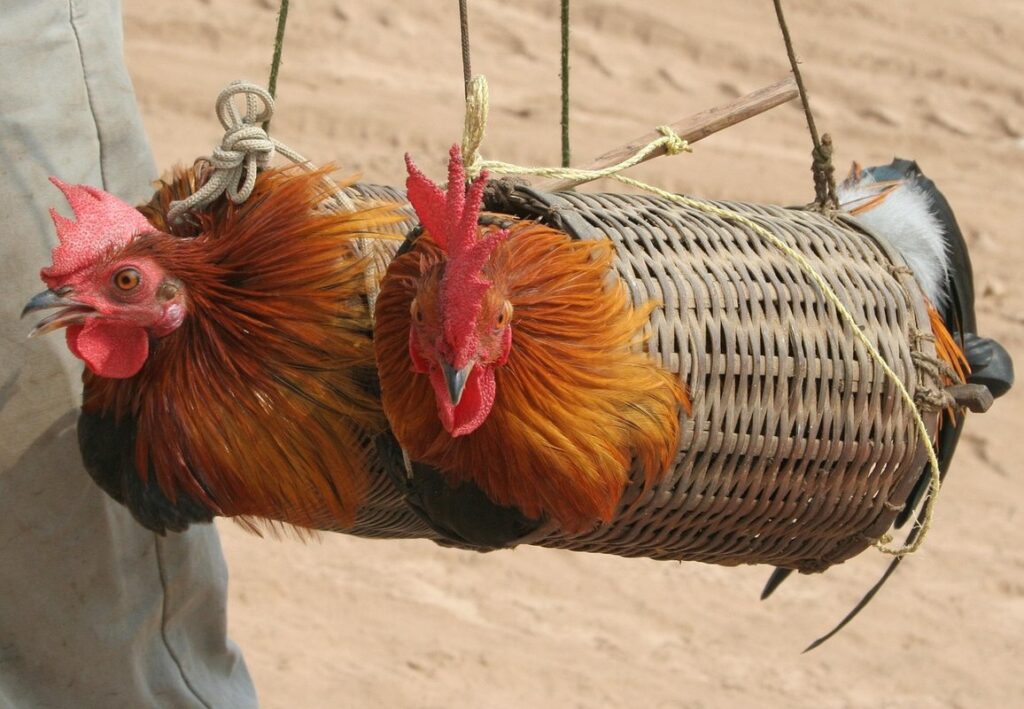
What are Free Range and Cage Free Labeling?
Let’s break down what the labels “Free Range” and “Cage Free” really mean, and how they differ from one another in terms of animal welfare.
Defining the Labels
When it comes to free range and cage free labeling, it’s essential to understand what these terms mean and how they’re regulated. In the United States, the US Department of Agriculture (USDA) is responsible for enforcing labeling standards. According to the USDA, producers who label their products as “free range” or “cage free” must adhere to specific guidelines.
For example, if a producer labels their eggs as “cage free,” it means that hens have access to some type of enclosure where they can roam and move about freely during their lifespan. However, the producer is not required to provide any specific amount of space or ensure that the hens engage in natural behaviors like foraging.
In contrast, if a producer labels their eggs as “free range,” it means that hens must have some access to the outdoors for at least six hours per day. This can be achieved through screened-in porches or designated outdoor areas where hens can forage and exercise naturally. However, producers are not required to provide any specific amount of outdoor space, only that the hens have some opportunity to engage with the outdoors.
It’s worth noting that both labels can be misleading, as producers may use these terms even if they don’t provide ideal living conditions for their chickens. Always look for additional information or certifications, such as “Certified Humane” or “Animal Welfare Approved,” which provide more stringent guidelines for animal welfare and care.
USDA Regulations
The USDA plays a crucial role in ensuring that producers labeling their eggs as free range or cage free adhere to certain standards. According to the USDA’s National Organic Program (NOP), farms claiming to raise “free-range” chickens must provide at least 2 square feet of outdoor space per bird, with access to fresh air and direct sunlight.
To qualify for the “cage-free” label, hens do not need to have access to the outdoors. However, they cannot be confined to small cages or enclosures where they are unable to move freely. Instead, producers must provide a space that allows birds to engage in natural behaviors like perching and scratching.
If you’re looking for eggs labeled as both “free-range” and “cage-free,” keep an eye out for the Certified Humane label, which sets even higher standards for animal welfare. The USDA’s guidelines are designed to promote more humane treatment of animals, but not all producers choose to follow these stricter requirements. When shopping for eggs, it’s essential to understand what these labels mean and make informed choices based on your values and priorities.
Misconceptions about Free Range Labeling
When browsing through egg cartons and poultry products, you may have come across the term “free range” and assumed it means chickens roaming freely outdoors. However, this is not always the case. In reality, free range labeling can be misleading, leading to misconceptions among consumers.
The truth is that the USDA’s definition of free range allows chickens to access the outdoors for at least six hours a day, but it doesn’t necessarily mean they spend most of their time outside. In some farms, this could mean chickens are let out into a small enclosed porch or a tiny fenced area, not providing them with the exercise and stimulation they need.
To clarify, if you see “free range” on a label, look for additional information such as the farm’s name, location, or specific details about the outdoor access provided. This will give you a better understanding of what to expect from the product.
Housing Systems: What’s the Difference?
When it comes to housing, you’re probably curious about the difference between free range and cage free chicken systems. Let’s break down how these living arrangements impact our feathered friends.
Cages and Battery Farms
Chickens raised on traditional battery farms are typically kept in small cages with little to no space for movement. These cages can be as small as 5 inches wide and 20 inches long, leaving birds cramped and unable to engage in natural behaviors like foraging or dust bathing.
The pros of this system include higher egg production rates and lower labor costs for farmers. However, the cons far outweigh these benefits. Chickens in battery farms are often subjected to inhumane conditions, including overcrowding, poor ventilation, and unsanitary living conditions. This can lead to stress-related health issues, such as respiratory problems and weakened immune systems.
In addition to animal welfare concerns, there’s also a growing body of research suggesting that eggs from battery-farmed hens may not be as nutritious as those from free-range or pasture-raised birds. For example, studies have shown that eggs from pastured hens contain higher levels of omega-3 fatty acids and vitamins A and E compared to eggs from conventional farms.
If you’re considering buying eggs from a local farm, ask questions about their housing systems. Look for farms that prioritize animal welfare and offer more spacious living conditions for their chickens.
Free Range Systems
When it comes to free range systems, the focus is on creating an environment that allows chickens to roam freely outdoors. This type of housing system varies widely, but most involve a combination of indoor and outdoor areas. Some free range farms opt for a simple, fenced pasture where chickens can peck at grass and bugs to their hearts’ content.
Others take a more complex approach with multi-level enclosures or “chicken villages” that provide shade, shelter, and protection from predators. These layouts often include features like trees, shrubs, and water sources to create a naturalistic environment.
A key aspect of successful free range systems is ensuring the chickens have adequate access to fresh air, sunlight, and exercise. This requires careful planning and management to balance the needs of the birds with those of the farm. For example, some farms use electronic monitoring systems to track temperature, humidity, and wind speed, making adjustments as needed to keep the birds comfortable.
In terms of layout, free range systems can be designed in a variety of ways, from simple paddock-based rotations to more complex permaculture-inspired designs. The key is to create an environment that allows chickens to engage their natural behaviors while minimizing stress and disease.
Hybrid Systems
Some farms opt for a hybrid system that combines elements of both cage-free and free-range systems. This approach can provide the best of both worlds, but it’s essential to understand its benefits and drawbacks.
A hybrid system might involve keeping some chickens in cages for certain periods of the day or week, while allowing others to roam freely during those times. This allows farmers to manage bird health, reduce labor costs, and optimize egg production. For instance, high-producing hens might be kept in cages at night to minimize stress and protect them from predators.
However, hybrid systems can also create complexity and compromise on welfare standards. Farmers must balance the need for efficient production with the desire to provide a better life for their birds. To implement a hybrid system effectively, farmers should establish clear protocols for cage usage, ensure adequate space for free-roaming birds, and prioritize bird health through regular monitoring.
Ultimately, whether or not a hybrid system is right for your farm depends on your specific needs, resources, and values.
Welfare Concerns: Health and Safety
When it comes to welfare concerns, we want to delve into how health and safety measures differ between free range and cage-free chicken farms. This is where regulations and ethics play a crucial role in protecting both birds and consumers.
Physical Health Issues
Being confined to small spaces can have severe physical health consequences for chickens. One of the most significant issues is muscle atrophy, where the muscles waste away due to lack of movement and exercise. This can lead to a decrease in overall body weight and a loss of strength, making it difficult for the chicken to perform even basic functions.
Bone density loss is another common problem in confined spaces. When chickens are not able to move around freely, their bones become weaker and more prone to fractures. This can be particularly problematic as chickens age, leading to an increased risk of osteoporosis and other skeletal disorders.
In contrast, free-range chickens have the opportunity to engage in natural behaviors like foraging, scratching, and flying, which helps maintain muscle mass and bone density. If you’re raising cage-free chickens, consider providing them with large enclosures that allow for adequate movement and exercise. This can include setting up outdoor runs or installing perches and climbing structures within their coops.
Behavioral Problems
Confinement can have severe consequences on a chicken’s behavior and well-being. When chickens are denied the freedom to move around, they often develop stress, aggression, and other behavioral problems. One common issue is feather pecking, where hens peck at each other’s feathers due to boredom or frustration. This can lead to painful injuries, skin damage, and even death.
Imagine being cooped up in a small space with no chance to exercise or engage in natural behaviors. It’s no wonder that cage-free chickens are less likely to exhibit these problems. In fact, studies have shown that hens raised in aviaries or free-range systems have lower stress levels and better overall health compared to those kept in cages.
If you’re considering raising backyard chickens, make sure to provide them with adequate space to move around. This can be as simple as converting a section of your yard into a chicken run or providing a large enclosed area for them to roam. By giving your hens the freedom they need, you’ll not only reduce behavioral problems but also promote a happy and healthy flock.
Injuries and Mortality Rates
Research has shown that housing systems play a significant role in determining injury rates among chickens. In free-range systems, chickens have more opportunities to engage in natural behaviors such as foraging and flying, which can lead to injuries if they’re not managed properly. For instance, hens may collide with each other while competing for food or escape from the farm.
A study published in the Journal of Applied Animal Welfare Science found that free-range hens had a higher incidence of leg injuries due to pecking order establishment and access to outdoors areas. On the other hand, cage-free systems can also lead to injuries, such as overcrowding-induced stress and aggression among birds. This highlights the need for careful management in both types of housing systems.
To mitigate injury rates, farmers should ensure that free-range areas are designed with adequate space and features like nesting boxes, roosts, and dust baths. Regular monitoring of bird health and behavior is also crucial to identify potential issues early on.
Nutrition and Free Range Diets
When it comes to nutrition, free-range and cage-free chickens offer distinct advantages, but what does that really mean for you and your family’s diet? Let’s explore the differences in more detail.
What do Free Range Chickens Eat?
When it comes to free range chickens, their diet is vastly different from that of cage-free hens. In fact, free range chickens spend up to 50% of their time outdoors foraging for food, which means they have access to a wide variety of edible plants and insects.
Their outdoor activities allow them to eat whatever they can find, including seeds, grains, fruits, and vegetables. They’ll scratch at the ground to uncover tasty bugs like crickets, mealworms, and even small worms. Free range chickens will also peck at leafy greens, flowers, and shrubs, which provide essential nutrients and fiber.
But it’s not all about what they eat; it’s also about how they eat. Their foraging behavior allows them to exhibit natural behaviors like dust bathing, sunbathing, and social interaction with other birds. This unique lifestyle has a direct impact on the quality of their eggs – research shows that hens raised outdoors produce eggs with higher levels of omega-3 fatty acids, vitamins A and E, and beta-carotene.
As you consider choosing free range chicken eggs for your family, remember to check labels carefully. Look for certifications like “pasture-raised” or “free-range,” which indicate that the chickens have access to the outdoors during daylight hours. This will give you peace of mind knowing that you’re supporting a more natural and nutritious food source.
Comparison to Conventional Feed
When it comes to nutrition, one of the key differences between free range and cage free chickens is the type of feed they receive. Free range hens are typically fed a diet that closely resembles their natural foraging habits, which means they have access to a diverse range of grasses, insects, and plants.
In contrast, conventional feed used in cage systems is often formulated with specific nutrients and additives designed to promote rapid growth and egg production. However, this type of feed can be lower in certain essential vitamins and minerals, such as omega-3 fatty acids and vitamin E.
Research has shown that free range hens have been found to have higher levels of these nutrients in their eggs compared to cage-raised hens. For example, a study published in the Journal of Agricultural and Food Chemistry found that free range eggs had significantly higher levels of omega-3 fatty acids than conventionally raised eggs. This is because free range hens are able to forage and scratch in the soil, which allows them to extract these nutrients from their natural environment.
Overall, the type of feed used can have a significant impact on the nutritional content of chicken eggs. If you’re looking to make more informed choices about the food you eat, consider opting for free range or pasture-raised eggs, which are often higher in essential vitamins and minerals than conventionally raised eggs.
Healthier Options for Cage Free Birds
When it comes to cage-free birds, providing healthier options is crucial for their overall well-being. One of the best ways to do this is by incorporating organic and pasture-raised diets into their feeding routine.
Organic feed is made from crops that are free from synthetic fertilizers and pesticides, reducing the risk of contamination and promoting a more natural gut health in your birds. Look for certified organic feed options or consider growing your own grains and vegetables to supplement their diet.
Pasture-raised birds, on the other hand, have access to fresh grass, insects, and worms, which provide essential nutrients like protein, vitamins, and minerals. This type of diet not only promotes better gut health but also reduces the risk of diseases associated with cage-free living.
To implement these healthier options, consider creating a rotational grazing system where your birds are moved to different areas of the pasture to allow for regrowth and reduce overgrazing. This will not only provide them with a diverse range of nutrients but also promote soil health and biodiversity on your land. By incorporating organic and pasture-raised diets into your cage-free bird’s feeding routine, you’ll be taking a significant step towards improving their overall health and well-being.
Environmental Impact: Land Use and Resource Consumption
When it comes to land use and resource consumption, free range and cage free systems have distinct approaches that can significantly impact our environment. Let’s take a closer look at the differences in practice.
Land Requirements for Free Range Systems
When it comes to free range systems, land requirements play a crucial role in ensuring that hens have enough space to roam freely. A key consideration is the ratio of chickens to land area. For example, a study published by the University of Wisconsin-Madison found that for every 10 birds, 2 acres (0.8 hectares) of land are required. This translates to around 200 square feet per bird.
However, this space requirement can be influenced by factors such as climate, soil quality, and local regulations. For instance, in regions with harsh winters or extreme temperatures, more land may be necessary to accommodate hens’ shelter needs. Similarly, areas with poor soil quality might require additional land to ensure that the chickens have access to clean foraging grounds.
To put this into perspective, a large free range farm covering 500 acres (202 hectares) could support around 5,000 birds. However, it’s essential to note that land requirements can vary significantly depending on individual circumstances.
Water Usage in Poultry Farming
Water usage is another critical aspect of poultry farming that varies significantly between cage and free range systems. Cage layer systems are often associated with lower water consumption due to the controlled environment and automated feeding systems. However, this efficiency comes at a cost: birds may be subject to dehydration if their drinking water is contaminated or inaccessible.
In contrast, free-range chickens require more water due to their high energy expenditure and activity levels. According to research, free-range flocks can use up to 20% more water than their cage-raised counterparts. This increased consumption is primarily attributed to the birds’ enhanced foraging behavior and increased muscle growth. Farmers adopting free-range systems must ensure that adequate water sources are available to meet the needs of these more active birds.
To mitigate potential issues, farmers should prioritize providing clean, accessible drinking water at all times. Regular water quality monitoring and maintenance can help prevent contamination and dehydration in both cage and free range flocks.
Carbon Footprint Comparison
When it comes to raising chickens for meat and eggs, their living conditions can have a significant impact on our environment. To understand which option is more eco-friendly, let’s dive into the carbon footprint comparison of free range versus traditional poultry farming.
A study by the University of Cambridge found that free-range chicken farming produces around 20% less greenhouse gas emissions compared to intensive cage systems. This is largely due to the reduced energy consumption associated with free-range systems. With fewer chickens packed into smaller spaces, there’s less need for artificial lighting and ventilation systems, which consume significant amounts of energy.
In contrast, traditional poultry farms rely on large-scale operations that prioritize efficiency over animal welfare. These systems require more resources, including water, feed, and fertilizers, all of which contribute to a higher carbon footprint. For instance, a single layer hen in a cage system consumes around 2-3 kg of feed per day, whereas free-range hens eat around 1-2 kg per day. By choosing free-range chickens, you’re not only promoting better animal welfare but also reducing your environmental impact.
Conclusion: Making an Informed Decision
Now that you’ve weighed the pros and cons of free range and cage free chickens, it’s time to make a decision based on what truly matters to you. This section will help you make an informed choice.
Understanding Labeling and Regulations
As we conclude our exploration of free range and cage free chickens, it’s essential to emphasize the significance of labeling and regulations. These terms are often used interchangeably, but they have distinct meanings that can impact the welfare of these birds. To make an informed decision when choosing between free range and cage free chicken products, you must understand the labeling requirements.
When shopping for free range or cage free chicken, look for labels from organizations like the US Department of Agriculture (USDA) or the American Society for Testing and Materials (ASTM). These labels ensure that farmers meet minimum standards for animal welfare. For example, USDA’s “Certified Free Range” label requires birds to have access to outdoor spaces during certain times of the day, while ASTM’s “Free Range” label sets more stringent requirements for outdoor space size.
Always check the label for specific information about what the term means in that particular context. This will help you choose products from farmers who genuinely prioritize animal welfare and adhere to strict regulations. By doing so, you’ll be supporting producers who value transparency and accountability.
Considering Welfare Concerns and Environmental Impact
When making an informed decision between free range and cage free eggs, it’s essential to consider the welfare concerns of the chickens as well as the environmental impact. Welfare concerns revolve around the living conditions, health, and well-being of the hens.
For example, overcrowding is a significant welfare concern in some cage free farms, where hens are packed into large groups without adequate space or perches. This can lead to stress, disease, and injuries. In contrast, free range farms often provide more space for hens to roam freely, reducing the risk of health problems.
To mitigate these concerns, look for farms that prioritize hen welfare through initiatives like enriched colony cages, which offer more space and perches than standard cage free systems. You can also check if the farm has implemented humane slaughter practices and provides a stress-free environment for the hens.
In terms of environmental impact, consider the resources required to raise chickens, such as feed, water, and land usage. Free range farms often have lower carbon footprints due to their more natural and less intensive farming methods. However, this can vary depending on factors like farm size, location, and production efficiency.
Final Thoughts: Supporting Sustainable Agriculture
As we’ve explored the differences between free range and cage free chickens, let’s take a moment to consider what it means for your choices to support sustainable agriculture.
The Role of Consumers in Promoting Change
As consumers, we have the power to drive change and promote sustainable agriculture practices through our purchasing decisions. When it comes to choosing between free range and cage free chickens, every decision counts. By opting for free range or certified humane chicken products, we are sending a message to manufacturers and farmers that we value animal welfare and want better treatment of these birds.
Consider this: if 20% of consumers choose free range options over conventional ones, it can lead to significant changes in the market. Farmers and producers will be incentivized to adopt more humane practices, which can cascade into improved living conditions for all farm animals.
So, what can you do? Start by making informed choices at your local grocery store or farmer’s market. Look for certifications like “free range” or “certified humane,” and read labels carefully. You can also support local farmers who prioritize animal welfare through Community-Supported Agriculture (CSA) programs or farm tours. By exercising our collective purchasing power, we can create a ripple effect of positive change in the agriculture industry.
Future Directions for Poultry Farming
As we conclude our exploration of free range and cage-free chicken farming, let’s look to the future and consider emerging trends that prioritize animal welfare and environmental sustainability. One notable innovation is vertical farming, which allows for space-efficient production while minimizing land use and reducing carbon footprints. This method involves growing crops and raising animals in vertically stacked layers, often using hydroponics or aeroponics.
Another trend gaining traction is regenerative agriculture, which focuses on restoring soil health through practices like rotational grazing and cover cropping. This approach not only enhances biodiversity but also promotes efficient water use and nutrient cycling. By adopting these methods, poultry farmers can significantly reduce their environmental impact while producing high-quality products.
Innovations in technology are also poised to revolutionize the industry. Data analytics and artificial intelligence are being used to optimize feeding strategies, monitor health, and predict disease outbreaks. This not only improves animal welfare but also streamlines operations and reduces waste. As consumers continue to demand more sustainable and humane practices, it’s essential for farmers to stay ahead of the curve by embracing these emerging trends and innovations.
Frequently Asked Questions
I’m sold on free range chickens, but how can I tell if a brand is truly transparent about their living conditions?
You can check for third-party certifications like the Certified Humane or Animal Welfare Approved labels, which ensure that producers meet rigorous animal welfare standards. Additionally, look for farms that provide tours or visits to their facilities, allowing you to see firsthand the conditions under which the chickens live.
Can I still support free range farming if I’m on a tight budget?
Yes, consider shopping at local farmers’ markets or joining a community-supported agriculture (CSA) program, where you can purchase eggs directly from the farm and often at a lower cost than in stores. You can also look for smaller-scale, organic farms that may offer more affordable options while prioritizing animal welfare.
What if I’m concerned about the environmental impact of free range farming?
While it’s true that free range systems require more land and resources, many producers are now implementing sustainable practices like rotational grazing, reducing water usage, and incorporating permaculture principles. Look for farms that prioritize regenerative agriculture methods to minimize their carbon footprint.
How do I know if a “free range” label is just a marketing gimmick or genuinely reflects the living conditions of the chickens?
Check if the producer has been audited by an independent third-party organization, such as the USDA’s National Organic Program. This ensures that they are meeting rigorous standards for animal welfare and sustainability.
Can I keep my own free range chickens at home, even with limited space?
Yes, it’s possible to raise a small flock of free-range chickens in your backyard, even on a small plot of land. Consider using portable coop systems or incorporating vertical growing techniques to maximize space while prioritizing the health and well-being of your birds.