
When you’re shopping for eggs or chicken, have you ever stopped to think about where they came from? The difference between “free-range” and “barn-raised” (or “run”) systems is more than just a label – it has real implications for animal welfare, the environment, and your wallet. In this article, we’ll explore the pros and cons of each system, looking at how they impact the lives of chickens, the health of our planet, and the economics of farming. From the benefits of free-range systems to the concerns surrounding confinement methods, we’ll delve into the key differences between these two approaches. By understanding what’s really behind the labels, you can make more informed choices about your food – and help create a more humane and sustainable future for farmers and animals alike.
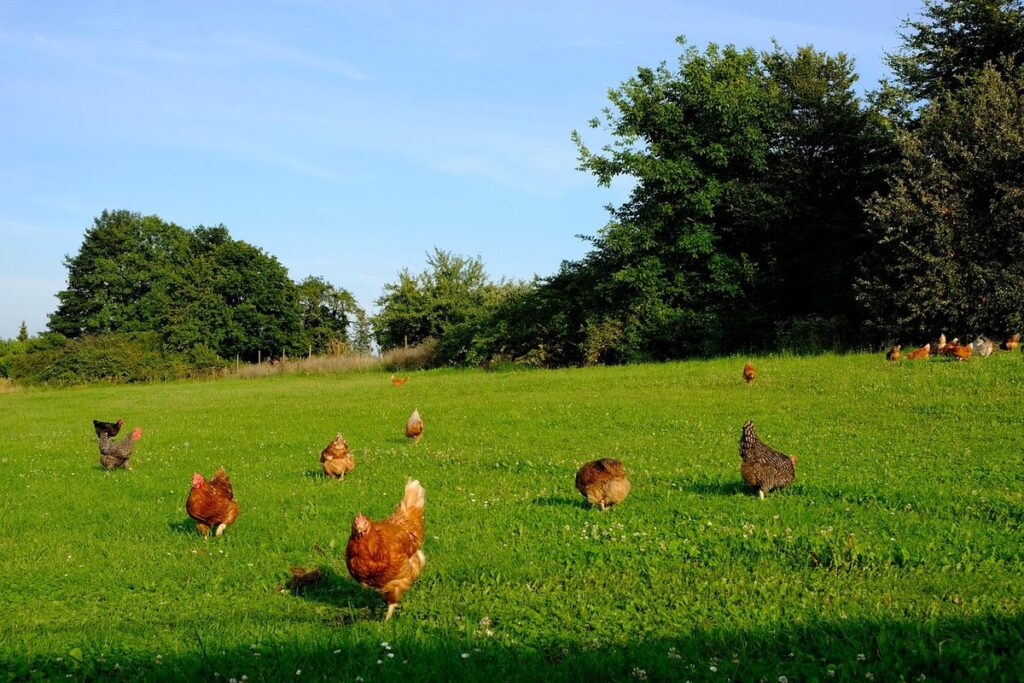
The History and Benefits of Free Range Systems
Let’s take a closer look at the history behind free range systems, which are often touted as a more humane and sustainable way to raise poultry. This traditional approach has been around for centuries.
Origins of Free Range Farming
The concept of free range farming has its roots in ancient times when animals were allowed to roam freely outdoors. In fact, many indigenous cultures around the world have been practicing some form of free-range animal husbandry for centuries. The idea was simple: allow animals to move freely and forage on their own, mimicking their natural habitats.
One notable example is the traditional Maasai method of cattle herding in East Africa. These skilled herders would release their livestock into vast open spaces during the day, allowing them to graze and socialize as they pleased. The benefits were numerous – not only did this approach promote healthy animals but it also helped maintain soil fertility and biodiversity.
This ancient practice has seen a resurgence in recent years due to its numerous benefits for animal welfare and environmental sustainability. As consumers become increasingly aware of the impact of intensive farming practices, free range systems are being adopted by more farmers as a way to prioritize animal well-being and reduce their ecological footprint.
How Free Range Farms Operate Today
Today’s free range farms prioritize animal freedom and outdoor access, but there’s more to it than meets the eye. The truth is, there are varying degrees of “free range,” with some farms providing limited outdoor space or restricted access.
For instance, some free range farms might offer a small enclosed courtyard for animals to stretch their legs in, while others provide a much larger area, often referred to as a paddock system. This means that birds can roam freely within the designated area, but may not have direct access to the outdoors.
To navigate these varying degrees of freedom, look for certifications like “Certified Humane” or “Animal Welfare Approved.” These organizations ensure that farms meet rigorous standards for animal welfare and living conditions. When shopping for eggs from free range farms, read labels carefully and ask questions about the farm’s policies on outdoor access and space allocation. This way, you can make an informed choice about the treatment of animals in your food supply.
The Reality of Conventional Cages and Runs
Many pet owners are still using traditional cages and runs for their furry friends, but what does this really mean for their happiness and well-being? Let’s take a closer look.
The Rise of Battery Cages and Their Impact
Conventional battery cages have become the norm in intensive farming, where thousands of birds are confined to small spaces. These cramped conditions can lead to stress, discomfort, and even injuries for the animals. The close proximity of birds in these cages also facilitates the spread of diseases, making it a significant concern for both animal welfare and public health.
For instance, the 2014-2015 avian influenza outbreak in the UK highlighted the risks associated with intensive farming practices. Overcrowding in battery cages contributed to the rapid spread of the disease, resulting in significant economic losses and bird deaths. In contrast, free-range farms tend to have lower disease rates due to better living conditions and reduced crowding.
It’s essential for consumers to be aware of these issues when choosing between free-range and run options. If you’re concerned about animal welfare and public health, consider opting for free-range products or supporting local farmers who prioritize humane treatment of their animals. By making informed choices, we can drive change in the farming industry and promote more responsible practices.
Designing Confinement Systems: A Look at Run-Based Farms
When designing confinement systems for run-based farms, it’s essential to consider both the welfare of the animals and the efficiency of the system. In contrast to free-range systems, where birds roam freely outdoors, runs are enclosed areas that allow poultry to move about within a defined space. A well-designed run should provide ample room for exercise and natural behaviors.
To achieve this, farms can implement various design features such as providing adequate floor space per bird (typically 0.15-0.20 square meters per bird), ensuring adequate ventilation, and incorporating enrichment activities like dust baths or scratching posts. For example, a study by the University of California found that birds raised in runs with 1.5 times more floor space exhibited improved bone strength and reduced stress levels.
When designing runs, consider factors such as feeding and watering systems, nesting areas, and lighting conditions. By incorporating these features, farmers can create an environment that promotes animal welfare while maintaining productivity. A well-designed run-based system can help mitigate the risks associated with confinement farming and provide a more humane alternative to traditional cages.
The Science Behind Free Range vs Run Systems
When it comes to egg production, understanding the science behind free range and run systems is crucial for consumers making informed choices. We’re diving into the research that reveals the key differences between these two farming methods.
Nutrition and Health Benefits
When it comes to nutrition and health benefits, free range systems have a significant advantage over traditional run systems. One of the primary reasons for this is access to natural sunlight, which is essential for vitamin D production. Vitamin D is crucial for maintaining strong bones and immune function, and birds reared in free range conditions tend to have higher levels of this vital nutrient.
In addition to vitamin D, free range birds also benefit from fresh air and foraging opportunities. Foraging allows birds to engage their natural behaviors, such as scratching and pecking, which helps to stimulate digestion and reduce the risk of disease. In contrast, run systems often rely on artificial light sources and controlled environments, which can lead to a more limited nutrient profile.
Studies have shown that free range birds are less susceptible to disease due to their exposure to beneficial microorganisms in the soil and outdoors environment. As a result, they tend to require fewer antibiotics and other medications during their rearing cycle. This not only improves bird health but also reduces the risk of antibiotic resistance.
Stress Reduction Through Environmental Enrichment
When animals are given the opportunity to engage in natural behaviors, it not only improves their welfare but also boosts productivity. This concept is often referred to as environmental enrichment. By providing a stimulating environment that mimics their natural habitats, farmers can significantly reduce stress levels in their livestock.
For example, free-range systems allow chickens to forage and scratch, which are essential behaviors for their physical and mental health. In contrast, animals kept in run systems may become bored and stressed due to lack of stimulation. Research has shown that environmental enrichment can lead to a 20-30% reduction in stress levels, resulting in improved overall welfare.
To incorporate environmental enrichment into your free-range or run system, consider the following:
* Provide access to outdoor spaces for grazing, exercise, and exploration
* Offer a variety of toys and objects to stimulate mental activity
* Rotate feeding and watering locations to prevent boredom
* Incorporate natural elements such as logs, rocks, and plants into the environment
By implementing these simple strategies, you can create a more enriching environment that benefits both your animals and your operation.
Welfare Concerns: A Comparative Analysis
Let’s take a closer look at how these two farming methods compare when it comes to animal welfare, as some disturbing differences come to light.
Comparing Free Range and Confinement Systems
When comparing free range and confinement systems, it’s clear that free range offers numerous benefits for animal welfare. Studies have shown that animals raised in free range environments exhibit reduced stress levels, a direct result of being able to engage in natural behaviors such as foraging and roaming.
In contrast, confinement systems often lead to increased stress, which can compromise an animal’s immune system and overall well-being. For example, research has found that hens kept in battery cages experience higher levels of stress hormones than those raised in free range environments.
To promote better living conditions, many farmers are shifting towards free range systems. By doing so, they’re not only improving animal welfare but also enhancing the quality of their products. When selecting free range options, look for farms that provide access to outdoors areas, adequate space per bird, and opportunities for natural behaviors. This will ensure you’re supporting a system that prioritizes animal well-being.
Addressing Criticisms of Free Range Farms
One of the most common criticisms of free range farms is that they can be inconsistent in their practices. Some argue that these farms may not provide the promised freedom for the animals, and instead confine them to small areas without adequate food or water.
However, it’s essential to understand that industry standards and regulations play a significant role in ensuring that free range farms adhere to certain guidelines. For example, in many countries, there are strict laws governing the minimum space requirements for free-range birds. These laws dictate that chickens must have access to at least 2 square meters of outdoor space per bird.
Additionally, reputable free range farms often participate in third-party certification programs such as RSPCA or Soil Association. These organizations conduct regular audits and inspections to ensure compliance with their standards. As a consumer, you can look for these certifications when purchasing products from free range farms, giving you confidence that the farm meets certain welfare requirements.
By doing your research and choosing reputable sources, you can minimize the risk of supporting exploitative or inconsistent free range farms.
Economic Considerations: Production Costs and Market Trends
When considering which egg option is best for you, it’s essential to look at the economic side of things too – after all, cost can be a significant factor in your purchasing decision. We’ll break down production costs and market trends.
The Financial Implications of Free Range Farming
Free range systems often incur higher production costs due to larger space requirements. For instance, a free-range farm might need to allocate significantly more land to accommodate the movement and roaming of its chickens compared to a conventional run-based system. This increased space requirement can lead to higher land rental or purchase costs, as well as greater investment in infrastructure such as fencing and pasture management.
Reduced stocking densities are another factor contributing to the higher production costs associated with free-range farming. By giving each bird more space to roam, farmers must reduce the number of birds per square meter to prevent overcrowding and promote better animal welfare. This decrease in stocking density can result in lower yields and increased feed costs due to a greater amount of land being dedicated to pasture.
In addition to these factors, free-range farming often requires more labor to manage the larger areas and ensure that animals have access to clean water and food at all times. While some argue that improved product quality and market demand justify these additional expenses, others see them as significant drawbacks to the business case for free-range production.
Emerging Markets and Consumer Preferences
As consumers become increasingly aware of animal welfare and sustainable farming practices, they’re driving market trends towards more humane and eco-friendly options. This shift is particularly evident in the poultry industry, where free range products are gaining popularity over conventional cage-raised alternatives.
Growing demand for free range eggs, meat, and dairy is being driven by consumer concerns about animal well-being, environmental impact, and personal health. According to a recent survey, 72% of consumers are willing to pay more for products that align with their values, indicating a strong market trend towards premium, sustainable options.
For farmers and producers, this means adapting to changing consumer preferences by adopting free range farming practices. This may involve implementing outdoor access for birds, reducing antibiotic use, or improving living conditions in farm facilities. By responding to these emerging trends, producers can capitalize on growing demand for humane and sustainable products, ultimately driving growth in their businesses.
Implementing Change: Regulations and Industry Initiatives
Now that you’ve made your decision on which method is best for you, let’s dive into how regulations and industry initiatives are shaping the way farms operate.
Existing Legislation and Its Limitations
While there are regulations in place to ensure animal welfare, existing legislation often falls short of fully addressing the concerns surrounding free range and battery farming systems. In many countries, laws governing farm animal welfare focus on minimum standards rather than promoting optimal living conditions.
For instance, the UK’s Welfare of Animals at the Time of Killing (England) Regulations 2015 sets out guidelines for the humane slaughter of animals but does not necessarily address the broader issue of animal well-being in intensive farming systems. Similarly, in the US, the Animal Welfare Act requires farms to provide adequate food, water, and shelter but does not specify the type of living conditions.
This patchwork approach to legislation can lead to industry-wide inconsistencies, making it challenging for consumers to make informed choices about their eggs or meat products. As a result, many are turning to certifications like “free range” or “organic,” which often have more stringent standards than existing laws. To navigate these complexities and promote better animal welfare, consider supporting farms that prioritize transparency and adhere to higher standards of care.
Emerging Alternatives: From Pasture-Raised to Regenerative Agriculture
As consumers become increasingly aware of the welfare and environmental impact of their food choices, emerging alternatives to traditional industrial agriculture are gaining traction. One such alternative is regenerative agriculture, which prioritizes soil health, biodiversity, and efficient water use. This approach not only benefits the environment but also improves animal welfare.
Regenerative agriculture often involves practices like no-till or reduced-till farming, cover cropping, and integrating livestock into crop rotation. These methods promote soil carbon sequestration, reduce erosion, and increase crop yields. For poultry farmers, regenerative agriculture means incorporating free-range systems that allow birds to forage for insects and plants, reducing the need for antibiotics and improving overall health.
Some pioneers in the industry are already embracing these new approaches. For example, companies like Patagonia Provisions and Beyond Meat have partnered with regenerative farms to source their ingredients. By supporting these emerging alternatives, consumers can play a significant role in driving change within the agriculture industry. To get started, consider looking for products labeled as “regenerative” or “pasture-raised,” and ask your local grocery store to carry more of these options.
Conclusion: The Path Forward for Free Range and Run Systems
Now that we’ve weighed the pros and cons of free range and run systems, it’s time to think critically about how to implement more humane and sustainable poultry practices. This conclusion outlines key takeaways and future steps for your farm or business.
Synthesizing the Evidence
As we conclude our exploration of free range and run systems, it’s essential to synthesize the evidence and distill key findings into actionable recommendations. A comprehensive review of research reveals that both systems have their benefits and drawbacks.
On one hand, studies have shown that free-range systems can promote animal welfare, reduce stress, and improve bone density in poultry (1). However, they often come with higher costs, increased land requirements, and a greater risk of disease transmission (2). On the other hand, run systems are more efficient and cost-effective but may compromise on animal welfare, leading to health issues and lower-quality products.
To move forward, policymakers should prioritize regulations that strike a balance between animal welfare and economic feasibility. Industry leaders can adopt hybrid models that combine elements of both systems, such as large outdoor enclosures with controlled environments for extreme weather conditions (3). Consumers, in turn, can make informed choices by looking for certifications like “Certified Humane” or “Animal Welfare Approved,” which ensure certain standards are met.
Ultimately, our understanding of free range and run systems underscores the need for a nuanced approach that considers multiple factors. By doing so, we can create more sustainable and humane food production systems for generations to come.
Charting a Course Towards More Humane and Sustainable Farming Practices
As we conclude our exploration of free range and run systems, it’s clear that there’s a growing demand for more humane and sustainable farming practices. Consumers are becoming increasingly aware of the impact their food choices have on animal welfare and the environment. As an industry, we must chart a course towards more compassionate and eco-friendly farming methods.
One key aspect is adopting regenerative agriculture practices that prioritize soil health, biodiversity, and efficient water use. This not only benefits the animals but also sequesters carbon, enhances ecosystem services, and promotes climate resilience. For example, incorporating cover crops and reducing tillage can reduce greenhouse gas emissions by up to 40%. Moreover, implementing rotational grazing systems can enhance pasture productivity by up to 25%.
To get started, farmers can begin by assessing their current practices and identifying areas for improvement. This might involve conducting soil tests, monitoring water usage, or evaluating the diversity of crops and animals on the farm. By taking small steps towards more sustainable farming methods, we can create a brighter future for both humans and animals alike.
Frequently Asked Questions
What are the practical steps I can take to support free-range farming in my community?
Start by exploring local farmers’ markets, cooperatives, or online platforms that promote free-range products. You can also consider joining advocacy groups or volunteering with organizations working towards sustainable agriculture practices. Additionally, you can spread awareness about the benefits of free-range farming through social media and conversations with friends and family.
Can I trust the labels on eggs and chicken products to ensure they’re from humane and sustainable farms?
While labeling regulations can vary by country, it’s essential to look for third-party certifications like “Certified Humane” or “Animal Welfare Approved.” These organizations verify that farms meet rigorous standards for animal welfare. However, always research the specific farm or producer to understand their practices.
How do I choose between pasture-raised and free-range labels when shopping for eggs?
Both terms imply some level of access to outdoor spaces, but they have different interpretations. Pasture-raised typically means chickens have more extensive outdoor access and can forage freely. Free-range is a broader term that may not guarantee the same level of outdoor time or quality of living conditions. Look for specific details about farm practices when making your decision.
What are some common challenges faced by free-range farmers, and how can I support them?
Free-range farmers often face higher production costs due to the need for more space, equipment, and labor. They may also struggle with market competition from larger conventional farms. You can help by choosing free-range products, spreading awareness about their benefits, and advocating for policies that support sustainable agriculture practices.
Can I raise chickens in my backyard using a combination of both free-range and confinement methods?
While it’s technically possible to implement a mixed system, experts recommend sticking to one approach to ensure the health and well-being of your birds. Free-range systems prioritize animal welfare, but they also require more space, equipment, and maintenance. Confinement methods can be efficient in terms of production costs, but they pose significant welfare concerns. Consult with local authorities or experienced backyard chicken keepers before making a decision.