
If you’re considering bringing home some new feathered friends, you might want to look into frizzle bantam chickens. These adorable birds have been charming chicken enthusiasts for centuries with their unique, curly coats and compact size. But what makes them such great pets? Not only are frizzle bantams a delight to watch, but they’re also relatively low-maintenance and can thrive in small spaces – making them perfect for urban backyard farmers or those new to raising chickens.
As you learn more about these lovable birds, it’s essential to consider their specific needs, from health considerations to proper care and housing. In this comprehensive guide, we’ll delve into the history, characteristics, and unique requirements of frizzle bantam chickens, including tips on breeding and showing them. Whether you’re a seasoned breeder or just starting out, get expert advice on raising happy and healthy frizzle bantams that will bring joy to your family for years to come.
History and Origin of Frizzle Bantams
The fascinating story of the Frizzle Bantam’s origins dates back to the 17th century, where they were prized for their unique appearance. Let’s delve into how these lovable birds evolved over time.
The Origins of the Frizzle Breed
The frizzle bantam breed has its roots in 17th-century Europe, specifically in England and France. The exact origin of this unique breed is unclear, but it’s believed to have emerged from the Dutch Frizzle breed, which was known for its distinctive crest and plumage texture.
In the early days, frizzle bantams were highly prized by chicken enthusiasts due to their compact size, gentle nature, and impressive egg-laying capabilities. They quickly gained popularity among backyard farmers and breeders who valued their small space requirements and hardiness. As demand grew, selective breeding programs were initiated to enhance desirable traits such as feather texture, color variety, and temperament.
The development of frizzle bantams was largely driven by the efforts of British poultry breeder William Cook, who worked tirelessly in the late 1800s to refine the breed’s characteristics. His dedication paid off, and the modern frizzle bantam emerged with its signature wavy feathers and small stature. Today, this breed remains a favorite among chicken enthusiasts for its unique appearance and friendly disposition, making it an excellent choice for hobbyists and families alike.
Characteristics That Define the Frizzle Bantam
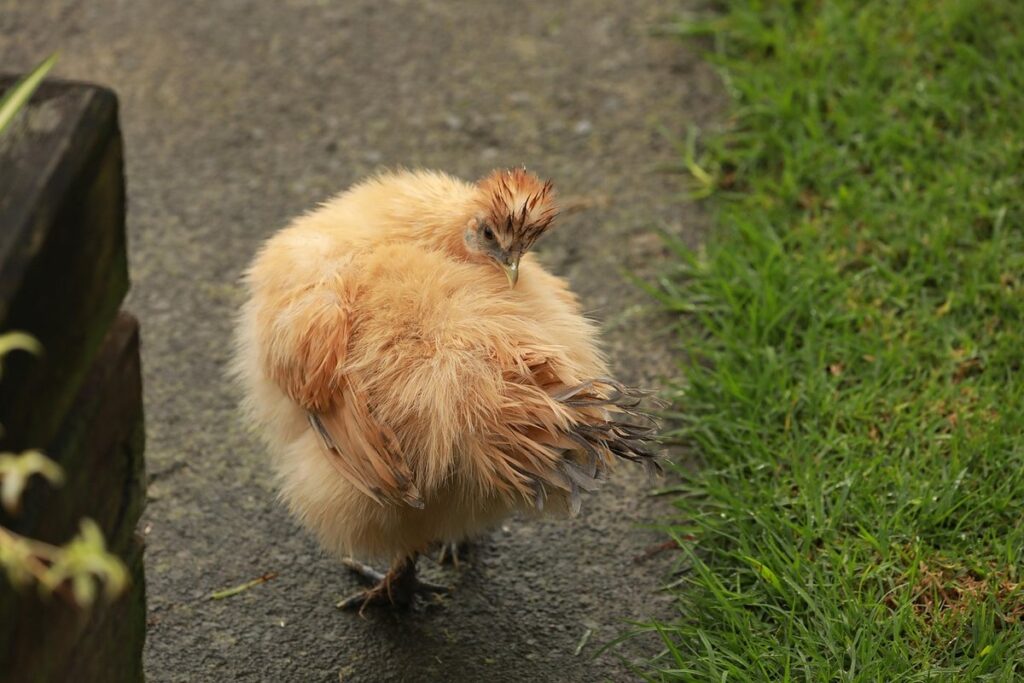
Frizzle bantams are instantly recognizable due to their unique physical appearance. They have a distinctive frizzy or wavy coat that gives them a charming, endearing look. This characteristic is the result of a natural mutation that causes their feathers to grow outwards instead of lying flat against their bodies. This distinctive feature can vary in intensity from one bird to another, with some having a more pronounced “frizz” than others.
In addition to their physical appearance, frizzle bantams are also known for their friendly and docile temperament. They make excellent pets due to their affectionate nature and ease of handling. Unlike some other breeds, frizzle bantams are not naturally flighty or skittish, making them a great choice for families with children or for those who want a low-maintenance pet.
Some notable traits of frizzle bantams include their hardiness and adaptability. They can thrive in a variety of living situations, from small backyards to apartment dwellings. However, due to their small size, they do require regular social interaction and exercise to stay happy and healthy. With proper care and attention, frizzle bantams can make wonderful companions for anyone looking for a unique and loving pet.
Physical Characteristics of Frizzle Bantams
One of the most distinctive features of Frizzle Bantams is their unique physical appearance, which sets them apart from other breeds. Let’s take a closer look at what makes them so special.
Comb and Wattle Variations
Frizzle bantams come in an assortment of comb and wattle varieties, adding to their unique charm. The most common types are pea combs, rose combs, and buttercup combs. Pea combs are small and round, typically found on frizzles with shorter beaks. Rose combs are more pronounced and wider at the base, often seen in frizzles with longer beaks.
Buttercup combs have a distinctive shape, resembling an inverted bell. They can vary significantly in size, ranging from less than 1 cm to over 2 cm in diameter. Frizzle bantams with rose combs are often found on breeds that originated in the UK and Europe. In contrast, pea combs are more commonly seen on frizzles from Asia.
Wattles also exhibit varying shapes and sizes. They can be small and tight or large and loose, adding to the overall appearance of the bird. Colors range from white, black, and red to combinations like buff, blue, and lavender. Some breeds display wattles in the same color as their facial feathers while others have contrasting colors.
It’s essential for breeders and owners to consider comb and wattle type when selecting frizzle bantams for breeding or show purposes.
Feather Structure and Growth
Frizzle bantams’ signature look is undoubtedly due to their unique feather structure and growth patterns. Their feathers grow in a helical fashion, curling outward from the body in a loose spiral shape. This distinctive growth pattern allows frizzles to achieve their iconic “frizzled” appearance, where individual feathers appear to stand out from the rest.
One of the key factors contributing to this phenomenon is the unique arrangement of tiny, hook-like structures called barbs within the feathers’ shafts. These barbs catch and twist around one another as the feather grows, causing it to curl outward in a spiral fashion. This process can be influenced by genetics, with certain breeds exhibiting more extreme frizzing than others.
Interestingly, frizzle bantams are less prone to molting, which means their unique feathers remain intact for longer periods. However, they still require regular preening and maintenance to prevent matting and tangling of the individual feathers. Regular grooming can help keep your frizzle’s feathers in top condition, ensuring they continue to showcase their signature look with ease. By understanding and catering to these specific needs, you’ll be well on your way to raising a happy and healthy frizzle bantam.
Health Considerations for Frizzle Bantam Owners
As you welcome frizzle bantams into your flock, it’s essential to consider their unique health needs and potential vulnerabilities that require extra attention. Let’s explore some key factors to keep in mind for a happy and healthy flock.
Common Health Issues Affecting Frizzle Bantams
Frizzle bantams are prone to certain health issues that can affect their overall well-being and longevity. Respiratory problems, for example, are a common concern due to the bird’s unique frizzy feathers, which can trap moisture and create an ideal environment for bacterial growth. Signs of respiratory issues may include labored breathing, wheezing, or coughing.
Another health issue affecting frizzle bantams is their susceptibility to Marek’s disease, a viral condition that affects the nervous system. This genetic disorder can be identified by symptoms such as lethargy, loss of appetite, and tremors.
To identify and prevent these issues, it’s essential for owners to provide regular veterinary check-ups and maintain good hygiene practices within the coop. Keeping the coop clean, dry, and well-ventilated is crucial in preventing respiratory problems. Additionally, vaccinations against Marek’s disease can be an effective preventative measure.
A balanced diet and adequate exercise also play a significant role in maintaining the overall health of frizzle bantams. Ensuring access to nutritious food, fresh water, and regular foraging opportunities will help keep your birds healthy and thriving.
Dietary Needs and Lifestyle Considerations
When it comes to providing optimal care for your frizzle bantam chickens, their dietary needs and lifestyle considerations are crucial aspects to consider. A well-balanced diet is essential for these birds, as they require a mix of protein, fiber, and vitamins to maintain their unique characteristics.
Frizzle bantams have high energy levels and require more food than other breeds, so ensure you’re providing them with enough feed throughout the day. Supplementing their diet with treats like fruits, vegetables, and mealworms can provide essential nutrients. However, avoid overfeeding, as this can lead to health issues.
Housing requirements for frizzle bantams are also unique. They need a spacious coop with adequate ventilation to prevent respiratory problems. A minimum of 2-3 square feet per bird is recommended, considering their high energy levels and tendency to roam.
Socialization needs should not be overlooked either. Frizzle bantams can get along with other breeds if introduced at an early age. Make sure to provide enough space for social interaction and introduce new birds gradually to prevent stress.
Caring for Frizzle Bantam Chicks
Caring for frizzle bantam chicks requires attention to their unique needs, including keeping them warm and safe from drafts in the early weeks. Providing a nutrient-rich diet is also crucial for healthy growth.
Choosing Healthy Chicks
When selecting healthy frizzle bantam chicks, it’s essential to choose from reputable breeders or hatcheries. This ensures you’re getting high-quality birds that are more likely to thrive in their new environment.
First and foremost, look for breeders who specialize in Frizzle Bantams and have experience raising these unique chickens. A reputable breeder will be able to provide detailed information about the chicks’ lineage, health history, and any genetic testing they may have undergone.
When inspecting the chicks, check for signs of overall health such as bright eyes, clean nostrils, and a plump, well-feathered body. Make sure the chicks are active and curious – if they seem lethargic or unresponsive, it’s best to look elsewhere.
It’s also crucial to consider the sex ratio of your new flock. Typically, Frizzle Bantams are sold in batches rather than individual birds. This means you may end up with a mix of males and females. If you’re planning to breed your chickens, be sure to purchase at least three females for every male.
Ultimately, choosing healthy frizzle bantam chicks from a trusted breeder or hatchery will give them the best possible start in life. With proper care and attention, they’ll grow into happy, healthy adult birds that bring joy to your backyard flock.
Raising and Socializing Your Chicks
Raising and socializing frizzle bantam chicks requires attention to their nutritional needs, vaccination schedules, and early development stages. First-time owners often wonder how much time to dedicate to feeding their young flock. A good rule of thumb is to provide about 20% more feed for chicks compared to adult birds, as they require more energy for growth.
Nutritionally speaking, ensure your chicks are consuming a balanced starter feed that contains the necessary protein and calcium levels for optimal development. A diet rich in fresh fruits and vegetables can also be beneficial, but make sure to avoid giving them avocado or onions, as these foods can be toxic.
As for vaccination schedules, consult with a veterinarian who specializes in poultry care to determine the best course of action. Typically, chicks receive their first vaccinations at around 5-6 weeks old. Early socialization is also crucial; introduce your chicks to other birds, toys, and environments from an early age to prevent behavioral issues later on.
Keep an eye out for signs of stress or disease in your flock, such as lethargy or changes in droppings. By prioritizing nutrition, vaccinations, and early development stages, you’ll be well-equipped to raise confident and healthy frizzle bantam chicks.
Breeding and Showing Frizzle Bantams
If you’re interested in showing off your frizzle bantam’s unique looks, understanding breeding and selection is essential to produce birds that meet breed standards. Let’s dive into the process of breeding and showing these charming chickens.
The Art of Breeding High-Quality Frizzle Bantams
Breeding high-quality frizzle bantams requires attention to detail and a deep understanding of these unique birds. When selecting healthy stock for your breeding program, look for individuals with good conformation, a rich fluff of feathers, and active personalities. Avoid birds that appear lethargic or have uneven feather growth.
To manage your breeding program effectively, maintain detailed records on each bird’s lineage, health status, and performance in the show ring. This will help you identify desirable traits and make informed decisions about which birds to breed together. Consider implementing a rotation system to prevent inbreeding and promote genetic diversity.
Desirable traits in frizzle bantams include a robust build, rich fluff of feathers, and vibrant plumage colors. When evaluating your birds, pay attention to the shape and texture of their feathers, as well as their overall carriage and demeanor. Remember that every bird is an individual, so prioritize quality over quantity and focus on producing birds with exceptional characteristics. By following these guidelines, you can develop a successful breeding program and produce high-quality frizzle bantams for showing or hobby purposes.
Tips for Winning with Your Flock at Shows
When it’s show time for your frizzle bantam flock, you want to make sure they’re looking and feeling their best. But what does it take to win over the judges? To prepare your birds for the competition, start by focusing on grooming.
Keep your frizzles’ feathers in tip-top shape by gently teasing out any tangles or mats with a soft-bristled brush. This will help prevent breakage and ensure their unique texture remains intact. Next, give them a good cleaning to remove any dirt or debris that may have accumulated under their wings or around their vents.
When it comes to handling your birds during the show, remember to move calmly and confidently. Make sure your frizzles are comfortable with being handled by gently introducing them to a show-style halter and leash. Practice walking them in front of a mirror so they become accustomed to the movement and can present themselves proudly to the judges.
Some final tips for presenting your flock include paying attention to overall appearance, including posture, plumage, and size. A good rule of thumb is to make sure each bird looks like it could be the best representative of its breed – this means having a uniform quality across all members of your exhibit.
Frizzle Bantams as Pets
Are you considering bringing a Frizzle Bantam into your family? This section will cover what to expect and how to provide a happy, healthy home for these unique and lovable pets.
Why Keep Frizzle Bantams as Pets?
If you’re considering adding some feathered friends to your family, Frizzle Bantam chickens make an excellent choice. These tiny balls of fluff are not only entertaining but also affectionate and loving companions. One of the joys of keeping Frizzle Bantams as pets is their friendly nature – they’ll follow you around the yard, chirping and clucking to get your attention.
Their antics will keep you laughing for hours, whether it’s chasing after bugs or playing in the dust baths. These little chickens are full of energy and curiosity, making them a delight to watch. As you spend more time with your Frizzle Bantams, you’ll find that they develop strong bonds with their owners, often seeking out pets and snuggles.
In return for the care and attention, Frizzle Bantams reward their owners with eggs, entertainment, and affection. They’re relatively low-maintenance compared to larger breeds, making them perfect for small backyards or apartment dwellers who still want to enjoy the benefits of chicken-keeping. With proper care and handling, your Frizzle Bantams will become cherished members of your family.
Tips for Integrating Your Flock into Family Life
Integrating your frizzle bantam flock into family life requires patience, understanding, and a willingness to learn. When bringing home new chickens, it’s essential to socialize them from the start. Begin by letting your children help with feeding and watering tasks, allowing them to bond with the birds. As they become more confident, encourage gentle handling of the frizzles, teaching them how to support their wings and backs.
To maintain a harmonious household, establish clear rules for interacting with the chickens. Designate specific areas for playtime and ensure that everyone understands not to disturb the birds during egg-laying or nesting periods. Be prepared for some initial noise and commotion as your frizzles adjust to their new surroundings. By setting boundaries and creating a safe environment, you can enjoy a rewarding and entertaining experience with your feathered friends.
Remember, it’s crucial to supervise interactions between children and chickens, especially in the early stages. With time and effort, your family will grow to appreciate the unique personalities of each frizzle bantam, developing strong bonds that will last for years to come.
Frequently Asked Questions
Can I raise Frizzle Bantams with other breeds of chickens?
Yes, Frizzle Bantams can thrive in mixed flocks when introduced properly. However, it’s essential to ensure that the temperament and size of the other breeds are compatible with the Frizzles’ unique characteristics.
What are some common mistakes to avoid when caring for young Frizzle Bantam chicks?
Common mistakes include inadequate ventilation, incorrect temperature control, and insufficient social interaction. Ensure proper chick care by providing a well-ventilated brooder, maintaining a consistent temperature between 90°F and 95°F (32°C to 35°C), and providing enough space for chicks to exercise and interact.
How often should I provide fresh water and feed to my Frizzle Bantam flock?
It’s recommended to change the water daily and offer fresh feed at least twice a day. This will help prevent bacterial growth, ensure proper nutrition, and encourage healthy eating habits in your birds.
Can I show my Frizzle Bantams without extensive experience with poultry shows?
Yes, while experience is beneficial, it’s not necessary to have prior knowledge of poultry shows to participate. Research the rules and regulations of the specific show you’re attending, practice handling and presenting your birds, and don’t hesitate to ask for guidance from experienced breeders.
Are Frizzle Bantams suitable for apartment dwellers or those with limited outdoor space?
Yes, due to their compact size and relatively low-maintenance requirements, Frizzle Bantams can thrive in small spaces such as apartments or backyards. However, ensure that you provide enough space for the birds to move around comfortably and accommodate their exercise needs through regular playtime outdoors.