
Are you ready to meet one of the most charming and unique breeds of chicken out there? Say hello to the lovable frizzle hen! With their endearing appearance and affectionate nature, it’s no wonder these birds have captured the hearts of many backyard farmers and poultry enthusiasts. But what makes them so special? From their quirky characteristics to the benefits they bring to your flock, we’re diving into the fascinating world of frizzle hens in this article. We’ll explore their origins, unique traits, and why raising frizzle hens can be a rewarding experience for even the most seasoned chicken keeper. Whether you’re looking to add some personality to your coop or simply want to learn more about these charming birds, keep reading to discover all about the joys of frizzle hens!
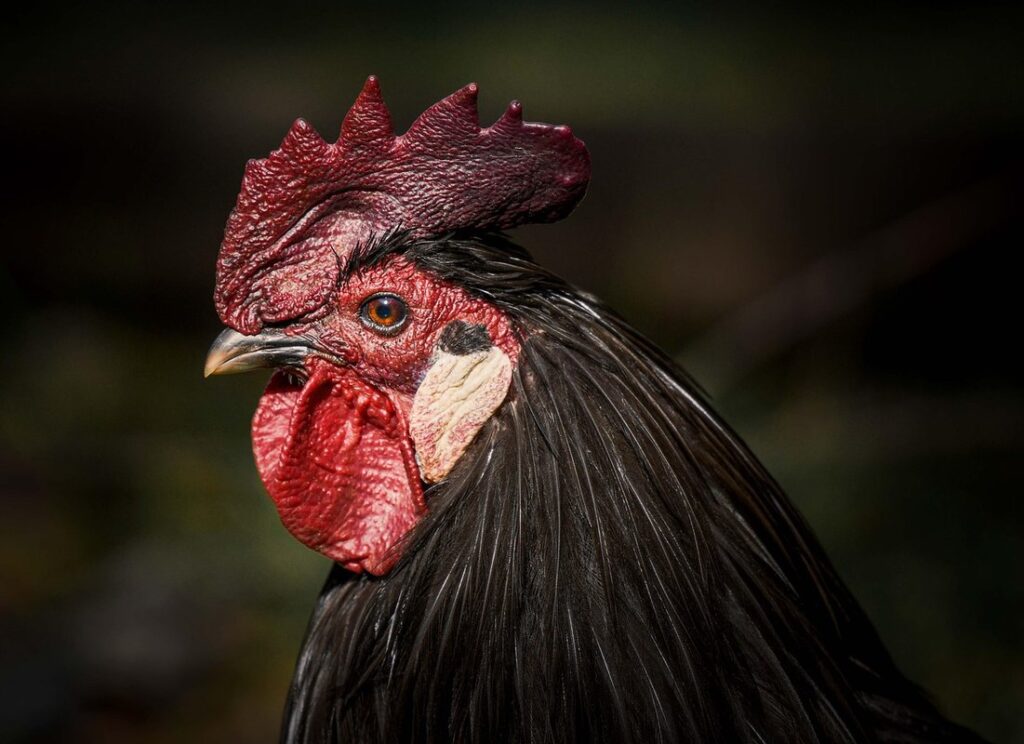
What are Frizzle Hens?
Let’s dive into the unique characteristics of frizzle hens and explore what makes them so fascinating, starting with their distinctive physical features. We’ll break down exactly what defines a frizzle hen.
Origin and History
Frizzle hens have a unique and fascinating history that sets them apart from other chicken breeds. The origins of these birds can be traced back to the 19th century in Europe, specifically in England and France. At that time, poultry enthusiasts began experimenting with various breeds, crossing different varieties to create new and distinct characteristics.
One of the earliest recorded mentions of frizzle hens dates back to 1865 in England, where they were referred to as “frizzled” due to their distinctive crest and feathers. The breed gained popularity over the years, particularly among backyard chicken keepers who appreciated their unique appearance and friendly nature.
As demand for frizzle hens grew, breeding programs began to focus on developing specific characteristics such as size, egg-laying ability, and feather patterns. This selective breeding has led to a wide range of frizzle hen varieties today, each with its own set of features that make them stand out in the world of poultry.
Despite their distinctive appearance, frizzle hens have maintained their popularity among chicken enthusiasts due to their gentle nature, adaptability, and relatively low maintenance requirements.
Characteristics and Appearance
Frizzle hens are instantly recognizable due to their unique characteristics. One of the most distinctive features is their feathering, which can be described as “frizzled” rather than simply fluffy or curly. This means that instead of having soft, wavy feathers, frizzle hens have tight, wispy curls that give them a delightfully tousled appearance.
In terms of comb type, frizzle hens tend to have small, button-like combs on top of their heads. These can be red, purple, or even lavender in color, depending on the breed and genetics at play. The comb is usually tightly packed, giving it a smooth, rounded look that complements the bird’s overall appearance.
When it comes to body shape, frizzle hens tend to be compact and well-proportioned. They often have shorter legs than other breeds, but this can make them appear even more robust and chunky in comparison to their larger counterparts. Overall, the combination of frizzled feathers, small combs, and sturdy bodies creates a charming, one-of-a-kind appearance that’s hard to resist.
Benefits of Keeping Frizzle Hens
If you’re thinking of bringing home a flock of frizzle hens, there are plenty of benefits to consider, from their unique charm to their friendly nature.
Unique Egg-Laying Abilities
One of the most fascinating aspects of frizzle hens is their unique egg-laying abilities. These birds are renowned for their remarkable fertility rates, which far surpass those of other chicken breeds. In fact, a study conducted by the American Poultry Association found that frizzle hens have an average of 280-300 eggs per year, compared to just 200-220 for non-frizzle breeds.
But what’s even more impressive is their ability to lay eggs in a variety of conditions. Frizzle hens are adaptable birds that can thrive in environments with extreme temperatures, humidity levels, and altitudes. This makes them an ideal choice for backyard chicken keepers who may not have control over the exact climate or environment in which they live.
To maximize your frizzle hen’s egg-laying potential, be sure to provide them with a balanced diet rich in protein and calcium. You should also ensure that their coop is well-ventilated and protected from predators. With proper care and attention, these remarkable birds will reward you with an abundance of fresh eggs all year round.
Low Maintenance Requirements
One of the most appealing aspects of keeping frizzle hens is their low maintenance requirements. Unlike some other breeds, these lovable birds are incredibly easy-going and adaptable to different living situations. They’re perfect for backyard chicken keepers who want a stress-free experience.
When it comes to caring for your frizzle hen, you’ll find that they require minimal attention and upkeep. For instance, their unique feathering requires less maintenance than other breeds. Their feathers don’t get ruffled or tangled easily, which means you won’t need to spend hours each week detangling and preening them.
In terms of diet, frizzle hens are relatively easy to please. They’ll thrive on a balanced commercial layer feed, supplemented with fresh fruits and vegetables. Provide a clean water source, some space to roam, and they’re good to go! With their forgiving nature and laid-back attitude, it’s no wonder why many chicken keepers fall in love with frizzle hens.
Health Considerations
When it comes to keeping frizzle hens as pets, there are some essential health considerations you should be aware of before bringing these charming birds home. Let’s take a closer look at their specific needs and potential health risks.
Common Health Issues
Frizzle hens can be prone to several health issues due to their unique characteristics. Their frizzy feathers, for example, can make them more susceptible to heat stress. This is because their feathers don’t allow for adequate airflow around their body, leading to overheating and discomfort in warm temperatures.
To mitigate this risk, it’s essential to provide your frizzle hens with a cool, well-ventilated environment. Make sure they have access to plenty of shade and keep their coop clean and free from drafts.
Frizzle hens also experience feather molting seasonally, which can be challenging for the birds. During this time, they may lose a significant portion of their feathers, leaving them vulnerable to cold temperatures and wet conditions. To support your frizzle hen through this process, ensure she has access to warm shelter and nutritious food to help promote healthy regrowth.
It’s also crucial to keep an eye out for other health issues that can affect frizzle hens, such as respiratory problems due to their compact bodies and dense feathers. Regular check-ups with a veterinarian can help identify potential issues early on and ensure your hen stays happy and healthy throughout her life.
Genetic Diversity and Breeding Programs
Genetic diversity is crucial for maintaining the health and resilience of chicken breeds, including frizzle hens. When breeders prioritize genetic diversity, they’re ensuring that their birds are better equipped to adapt to changing environments and resist diseases. This becomes especially important for rare or specialized breeds like frizzles, which may be more vulnerable due to their unique characteristics.
Inbreeding, a common practice in chicken breeding, can actually work against the long-term health of frizzle hens. By repeatedly mating birds within the same family line, breeders risk magnifying inherited traits and increasing susceptibility to genetic disorders. For example, some studies have linked inbreeding to a higher incidence of reproductive problems and weakened immune systems.
To mitigate these risks, consider implementing a breeding program that incorporates outcrossing – introducing genes from unrelated birds to broaden the frizzle gene pool. This can be achieved by partnering with other breeders or incorporating new stock into existing flocks. Regular health checks and genetic testing can also help identify potential issues early on, allowing breeders to make informed decisions about their breeding strategies.
Breeds and Variations
As you explore the wonderful world of frizzle hens, it’s exciting to discover the various breeds and unique variations that have evolved over time. Let’s dive into some of the most popular types!
Frizzle Hens vs. Polish Chicks
When it comes to Frizzle Hens and their closely related cousins, Polish Chicks, many backyard chicken enthusiasts are curious about the key differences between these two breeds. While they may share some similarities, there are several distinct characteristics that set them apart.
One of the most notable differences is in their crest. Polish Chicks have a large, fluffy topknot that can reach quite long, while Frizzle Hens have a more subdued frill that’s often shorter and less dense. This difference in crest type also affects their egg-laying abilities – Polish Chicks tend to be prolific layers, producing an average of 200-250 eggs per year, whereas Frizzle Hens typically lay around 180-220 eggs annually.
In terms of temperament, both breeds are known for being friendly and docile. However, Polish Chicks can be a bit more high-strung than Frizzle Hens, requiring more attention and social interaction to stay happy and healthy. If you’re looking to add either breed to your flock, it’s essential to consider their unique needs and personalities to ensure the best match for your backyard chicken setup.
Ultimately, both breeds offer unique charm and characteristics that can enhance any backyard flock. By understanding their differences, you’ll be better equipped to choose the right bird for your family and create a harmonious coop environment.
Other Frizzle Chicken Breeds
While frizzle hens are truly one-of-a-kind birds, they’re not the only ones to sport unique and beautiful feathers. If you’re looking for breeds that share similarities with frizzles, consider the Silkie and the Frazzle – two fascinating breeds that showcase exceptional plumage.
The Silkie is a popular breed known for its fluffy, soft feathers that resemble those of a teddy bear. While they don’t quite have the same level of frizz as true frizzle hens, Silkies possess an undeniable charm with their silky coats and sweet temperaments. If you’re drawn to the gentle nature and adorable appearance of Silkies, you may find yourself smitten with these lovable birds.
The Frazzle, on the other hand, is a lesser-known breed that’s often overlooked but definitely worth considering. Similar to frizzle hens in terms of their textured feathers, Frazzles boast an impressive array of colors and patterns, making them a standout among backyard flocks.
Tips for Raising Frizzle Hens
If you’re thinking of bringing home some frizzle hens, here are a few essential tips to keep in mind as you raise your new feathered friends.
Choosing a Healthy Starter Kit
When selecting a healthy starter kit for your frizzle hens, it’s essential to ensure that you’re getting high-quality chicks from reputable breeders. Start by researching local and national breeders who specialize in frizzle hens. Look for breeders with experience and a good reputation, as they are more likely to provide healthy chicks.
A good starter kit should include at least five chicks of different ages and sexes to ensure genetic diversity and prevent inbreeding. When buying directly from breeders, make sure to ask about the health status of the parents and the vaccination history of the chicks. Many breeders will also provide a health guarantee for their chicks.
When selecting individual chicks, look for ones that are active, have clean feathers, and no visible signs of illness or injury. Avoid chicks with labored breathing, lethargy, or wet droppings. It’s also crucial to check the seller’s return policy in case you encounter any issues after bringing the chicks home.
In terms of cost, starter kits can range from $50 to over $200 depending on the quality and quantity of chicks included. Be wary of very cheap options, as they may come with hidden costs or compromises on chick health.
Housing and Nutrition Requirements
When it comes to raising frizzle hens, providing them with a comfortable living space and a balanced diet is crucial for their overall health and well-being. Frizzle hens require a bit more attention when it comes to housing due to their unique characteristics. They need a coop that’s spacious enough for them to move around comfortably, as they can get a bit bulky in the legs.
When designing your frizzle hen coop, consider providing a sturdy roosting bar for them to perch on at night. This will help prevent any potential health issues and keep their feathers from getting tangled. A minimum of 3-4 square feet per bird is recommended, but it’s always better to err on the side of caution and provide more space.
In terms of nutrition, frizzle hens have similar dietary needs to other chicken breeds. They require a balanced diet that includes protein-rich foods like insects and grains. Aim to provide them with 16-18% protein content in their feed. You can supplement their diet with fruits and vegetables, but make sure not to overdo it as this can lead to digestive issues.
Some essential nutrients frizzle hens need include calcium for strong eggshell production, vitamin D3 for bone growth, and omega-3 fatty acids for a healthy coat. Consider using a high-quality commercial feed as the base of their diet, and supplement with fresh foods like mealworms or sunflower seeds. With proper housing and nutrition, your frizzle hens will be happy and healthy birds!
Conclusion
Now that we’ve explored the unique characteristics and charms of frizzle hens, let’s summarize the key takeaways from our fascinating journey together.
Summary of Key Points
In reviewing our discussion about frizzle hens, several key points stand out. First and foremost, it’s essential to understand that these unique birds owe their characteristic ‘frizzled’ feathers to a genetic mutation. This rare trait affects the structure of their follicles, causing them to twist and curl inwards.
We’ve also explored the various types of frizzle hens, including the Polish, Houdan, and Campine breeds, each boasting its own distinct frizzle pattern. Additionally, we delved into the characteristics that make frizzle hens such desirable pets, from their friendly, docile nature to their relatively low-maintenance care requirements.
Furthermore, our conversation touched on the importance of proper breeding techniques to ensure the health and well-being of these birds. This includes selecting for frizzle traits while also maintaining a strong focus on overall physical and behavioral characteristics.
In conclusion, this comprehensive overview provides readers with a solid foundation in understanding the fascinating world of frizzle hens. By grasping the unique genetic factors at play, recognizing the various breeds that display this trait, and prioritizing responsible breeding practices, enthusiasts can enjoy these charming birds while also contributing to their preservation.
Final Thoughts and Recommendations
If you’ve made it this far into our journey with frizzle hens, we’re confident that you’ll agree – these charming birds are a treasure to behold. Whether you’re an experienced chicken keeper or just starting out, the joy of raising frizzle hens is undeniable.
As we conclude our exploration of the fascinating world of frizzle hens, we want to emphasize why they make such wonderful pets for enthusiasts like yourself. One major reason is their gentle nature – despite their unique appearance, frizzle hens are known to be friendly and affectionate. They thrive on attention and can even become quite demanding if you don’t give them enough scratches behind the ears!
In addition to their charming personalities, frizzle hens also offer a great way to add some visual interest to your backyard or farm. Their whimsical plumage is sure to turn heads, making them a conversation starter with friends and family.
So, what are you waiting for? If you’re captivated by the allure of frizzle hens like we are, it’s time to bring one (or two, or three…) home!
Frequently Asked Questions
How do I know if a frizzle hen is healthy?
When selecting a frizzle hen, look for birds with bright eyes, clean feathers, and no signs of mites or lice. Check their beak condition, making sure it’s not overgrown. Also, consider their weight, as underweight hens can be indicators of health issues.
Can I keep multiple breeds together with my frizzle hens?
Yes, but introduce them slowly to prevent stress and fighting. Start with a separate enclosure for the new birds before integrating them into your main coop. Monitor their behavior closely, ensuring all birds have enough space, food, and water.
What’s the best way to care for a frizzle hen’s unique feathers?
Frizzles require regular dust bathing to maintain their coat. Provide a dedicated dust bath area with a mix of sand and wood ash or use a commercial dust bath product. Also, gently brush their feathers every week to prevent matting and tangling.
How do I identify potential health issues in my frizzle hens?
Common issues include respiratory problems due to their unique beak shape. Regularly inspect your birds’ eyes, nostrils, and vents for signs of disease or discomfort. Consult a veterinarian experienced with poultry if you notice any unusual behavior or symptoms.
Can frizzle hens adapt to free-range living or do they prefer confined spaces?
Frizzle hens are generally adaptable but may require extra supervision due to their curious nature. Ensure your coop has adequate ventilation, and provide enough space for them to move around comfortably, especially during hot weather.