
Fur-bearing hens have been gaining popularity among backyard chicken enthusiasts in recent years, but their fascinating history and development are still shrouded in mystery. These extraordinary birds have been selectively bred for their unique ability to grow thick, luscious coats of fur, which not only make them stunning pets but also provide a sustainable source of high-quality fur for crafting.
In this article, we’ll delve into the captivating world of fur-bearing hens, exploring their origins, care and management requirements, as well as health considerations that are essential to ensure these remarkable birds thrive. We’ll also touch on their cultural significance and how they’re being used in innovative ways beyond traditional chicken keeping. Whether you’re a seasoned poultry expert or just starting out, this comprehensive guide will give you the inside scoop on everything you need to know about fur-bearing hens.
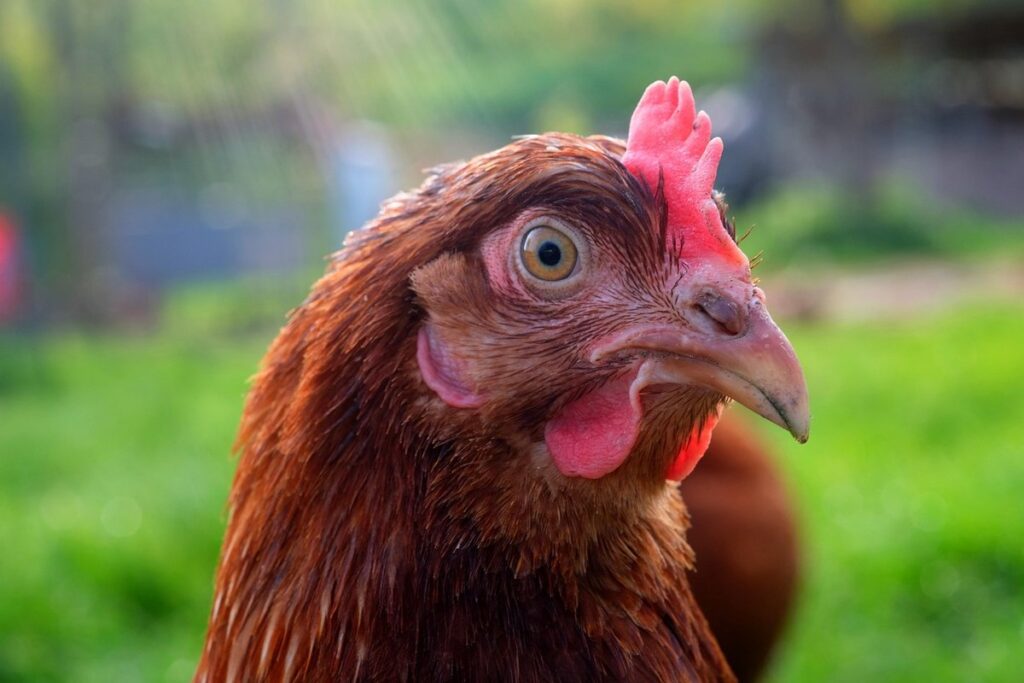
History and Origins of Fur-bearing Hens
The fascinating world of fur-bearing hens has its roots in ancient history, where farmers first crossed ordinary chickens with European polecats to create these unique birds. Let’s take a step back and explore how this incredible breed came to be.
Development and Breeding Programs
Selective breeding has been instrumental in developing the unique characteristics that make fur-bearing hens so intriguing. The history of this process dates back to the early 20th century when breeders began experimenting with various chicken breeds to create a new type of poultry with desirable traits.
One key milestone was the work of Walter Hettig, an American breeder who successfully developed the first true fur-bearing hen in the 1920s. His birds were a result of crossing native chickens with other breeds known for their distinctive feathering patterns. This pioneering effort laid the foundation for further development and refinement.
The next significant breakthrough came with the introduction of new breeds such as the Silkie and the Frizzle, which brought about an increase in fur production and texture variety. Breeders continued to experiment with different combinations, leading to a range of unique styles and looks that exist today.
Some notable breeders have made significant contributions to the evolution of fur-bearing hens, including Dr. George Pond, who worked extensively on developing new breeds in the 1950s and 60s. His research focused on improving not only the quantity but also the quality of fur produced by these birds.
Characteristics and Traits
Fur-bearing hens have been selectively bred for their unique physical characteristics over time. One of the most striking features is their coat texture, which can range from soft and fluffy to long and silky. The color palette is equally impressive, with a wide array of hues including white, black, brown, gray, and even multi-colored patterns.
Some breeds exhibit specific growth patterns, such as feathers that grow in a spiral or curly shape. These characteristics have been carefully bred through selective breeding programs, often combining the desirable traits from multiple bloodlines to create a unique individual. For instance, the Siberian Fur-bearing Hen has a thick, double coat that can reach up to 12 inches in length.
When selecting a fur-bearing hen for your flock, consider the specific needs and living conditions of each breed. Research their grooming requirements, as some may need regular brushing or trimming to prevent matting and tangling.
Care and Management of Fur-bearing Hens
To ensure the health and well-being of your fur-bearing hens, proper care and management are crucial. This includes regular grooming to prevent matting and tangling of their unique coat.
Housing and Environmental Requirements
When it comes to housing and caring for fur-bearing hens, providing a suitable environment is crucial for their well-being. These birds require more space than regular chickens due to their unique characteristics and behavior. A minimum of 4-5 square feet per hen is recommended, but a larger enclosure with plenty of room for movement and exercise is ideal.
Climate control is also essential, as fur-bearing hens are sensitive to extreme temperatures. Provide adequate ventilation and insulation to maintain a comfortable temperature range between 60°F to 70°F (15°C to 21°C). You can also install a cooling system or fans during hot weather to keep them cool.
To prevent stress and promote well-being, it’s essential to provide enrichment activities for your fur-bearing hens. This can include rotating toys and accessories every few days, providing scratching posts and perches, and even creating a “hen agility course” with tunnels and bridges. Regular cleaning and maintenance of their enclosure will also help keep them healthy and happy.
Nutrition and Diet
When it comes to providing the right nutrition for fur-bearing hens, their unique coat development is top priority. These remarkable birds require a diet rich in essential fatty acids (EFAs) and vitamins A and E to maintain the health and quality of their fur.
To meet this demand, a balanced diet should consist of high-quality feed that includes ingredients such as flaxseed, fish oil, and algae-based products. Supplementing with omega-3 fatty acids is also crucial for skin and coat health. For example, adding 1 tablespoon of flaxseed oil to your hens’ food daily can have a significant impact on their fur’s luster and overall condition.
In addition to the quality of feed, it’s equally important to ensure that your hens always have access to fresh water and a calcium-rich diet to support strong bone growth. A ratio of 16-18% protein in their feed will also help maintain the integrity of their coat. By providing this carefully crafted nutrition, you’ll be able to marvel at the full potential of your fur-bearing hens’ stunning coats.
Raising Fur-bearing Hens for Show or Pet Trade
If you’re interested in raising fur-bearing hens, whether for show or as exotic pets, learning about their specific needs and care is essential to success. This section will walk you through the process of selecting and caring for these unique birds.
Breeding Programs and Selection Criteria
When it comes to raising fur-bearing hens for show or pet trade, selecting breeding stock that meets specific criteria is crucial. The process begins by identifying key characteristics such as temperament, growth rate, and conformation.
Temperament plays a significant role in determining the suitability of a hen for the pet trade. Hens with calm and docile nature are highly sought after, making them ideal candidates for breeding programs. Growth rate is another important factor to consider, as it directly affects the overall performance and productivity of the hens. Faster-growing breeds are often preferred for their ability to mature quickly.
When evaluating conformation, breeders look for characteristics such as compact body type, well-proportioned legs, and a broad chest. A balanced and symmetrical build not only enhances the hen’s aesthetic appeal but also ensures optimal health and functionality. In selecting breeding stock, it’s essential to prioritize these key characteristics to produce hens that excel in both show and pet environments.
For breeders aiming for top-notch show birds, focus on developing hens with exceptional conformation and temperament. For those targeting the pet trade, a combination of calm demeanor and rapid growth rate is ideal.
Health Considerations and Common Issues
As you delve into the fascinating world of fur-bearing hens, it’s essential to consider their health and well-being. These unique birds require special care to thrive, and understanding common health issues is crucial for maintaining a healthy flock.
Parasites are a significant concern for fur-bearing hens. Mites, lice, and fleas can infest their feathers, causing discomfort and stress. Regular cleaning of the coop, monitoring for signs of infestation, and using diatomaceous earth or other parasite control measures can help prevent these issues. Skin conditions such as scaly leg disease and feather pecking are also common in fur-bearing hens. Maintaining a balanced diet, ensuring access to clean water, and providing adequate space for exercise can go a long way in preventing these problems.
Genetic disorders can be a concern in any breed of hen, including fur-bearing varieties. Responsible breeding practices and regular veterinary check-ups can help identify potential issues early on. It’s also essential to work with reputable breeders who prioritize the health and well-being of their birds. By being aware of these common health issues and taking proactive steps, you can help ensure your fur-bearing hens live long, happy lives.
Fur-bearing Hens in Modern Agriculture and Research
Let’s take a closer look at how fur-bearing hens are being used in modern agriculture and research, from experimental farms to cutting-edge scientific studies.
Commercial Production and Markets
In commercial production, fur-bearing hens play a significant role in meeting the global demand for high-quality fur. They are bred specifically for their soft, thick undercoat and guard hairs, which can be harvested to create luxurious garments such as coats, hats, and scarves. The most common breeds of fur-bearing hens used in commercial production include Angora, Champagne d’Argent, and Satin.
These birds contribute significantly to the global fur industry, with many countries including China, Russia, and the United States among the top producers. In fact, according to a report by the Fur Institute of Canada, over 90% of all commercial fur comes from animal sources, with fur-bearing hens accounting for a substantial portion.
However, with growing concerns about animal welfare and sustainable fashion, some companies are exploring alternatives to traditional fur production. For example, companies like Stella McCartney have developed high-quality synthetic materials that mimic the look and feel of real fur without the need for animal by-products. As consumers become more aware of the environmental and social impact of their purchasing decisions, it’s likely we’ll see a shift towards more sustainable and humane options in the commercial production of fur-bearing hens.
Scientific Studies and Research Applications
Researchers have made significant strides in understanding the biology and characteristics of fur-bearing hens. Studies on coat development reveal that these birds produce two types of hair: guard hairs and undercoat. Guard hairs provide protection from the elements, while undercoat traps warmth and air. This unique combination enables fur-bearing hens to thrive in various climates.
Genetic analysis has also shed light on the genetic traits responsible for fur growth. Scientists have identified several genes associated with coat development, allowing for the selective breeding of hens with desirable characteristics. This research has far-reaching implications for fields like biotechnology and medicine.
For instance, the study of fur-bearing hen genetics could lead to breakthroughs in human skin disorders or even regenerative medicine. The unique properties of their coats may also inspire novel materials and technologies, such as water-repellent fabrics or more efficient insulation systems. As research continues, we can expect to see innovative applications of fur-bearing hens’ remarkable characteristics.
Unique Aspects of Fur-bearing Hens in Culture and History
Fur-bearing hens have left their mark on cultures around the world, from ancient mythologies to modern-day art, often symbolizing luxury and exclusivity. Let’s explore some fascinating examples of their impact.
Historical Significance and Cultural Associations
Fur-bearing hens have been imbued with symbolic meanings and cultural associations across various societies throughout history. In ancient China, the soft fur of these birds was highly prized for its warmth and luxury, making them a status symbol among royalty and nobility. The imperial court would often gift these special fowl to dignitaries as a sign of respect.
In many Western cultures, fur-bearing hens have been associated with femininity and fertility, possibly due to their egg-laying abilities. These birds were often depicted in art and literature as symbols of abundance and prosperity. In some African societies, however, the feathers and soft undercoat of these birds are used for ceremonial adornments and rituals.
These diverse cultural associations reflect the unique characteristics and qualities of fur-bearing hens that have captured human imagination throughout history. Whether it’s their luxurious coat or reproductive prowess, these birds have been imbued with symbolic meanings that transcend their practical uses as a food source.
Contemporary Art, Literature, and Media Depictions
In contemporary art, literature, and media, fur-bearing hens have been depicted in a variety of ways, reflecting their unique characteristics and symbolic significance. In 19th-century European art, for example, hens were often portrayed as symbols of domesticity and femininity. Painters like John Constable and Claude Monet featured them in serene landscapes, emphasizing their connection to the natural world.
In literature, fur-bearing hens have been used as metaphors for fertility, abundance, and nurturing qualities. In Gabriel Garcia Marquez’s “One Hundred Years of Solitude,” the Buendia family is blessed with a fertile hen that produces eggs at an incredible rate, symbolizing the cyclical nature of life. Similarly, in children’s literature, hens are often depicted as gentle, motherly figures.
In film and television, fur-bearing hens have appeared as lovable companions or even superhero sidekicks. In the animated movie “Babe,” a pig with a passion for herding sheep is accompanied by a wise-cracking hen named Maa. These depictions not only showcase the versatility of fur-bearing hens but also highlight their enduring appeal in popular culture.
As an art enthusiast, you can explore these themes and motifs by creating your own illustrations or paintings featuring fur-bearing hens. Consider experimenting with different mediums, such as watercolor or oil paint, to capture the subtleties of light and texture on the hens’ soft feathers.
Frequently Asked Questions
Can I start with existing fur-bearing hens or do I need to purchase chicks specifically bred for their unique characteristics?
You can start with either, but keep in mind that purchasing chicks from reputable breeders will ensure you get birds with the desired traits. If starting with existing hens, monitor their behavior and characteristics closely to determine if they’re suitable for fur-bearing programs.
How do I ensure my fur-bearing hens’ health and well-being, considering their specific needs?
Regular check-ups with a veterinarian familiar with poultry care are crucial. Also, maintain proper hygiene, provide a balanced diet rich in nutrients, and offer sufficient space for exercise. Be aware of potential health issues like mites, parasites, or skin conditions and take preventative measures.
Can I integrate fur-bearing hens into my existing flock, or should they be kept separately?
Integrating them can work if you monitor their behavior closely to avoid stressing the birds. However, keeping them separate is recommended initially until you understand their unique needs and personalities. This will help prevent potential conflicts within your flock.
Are there specific nutritional requirements for fur-bearing hens that I need to consider when planning their diet?
Yes, these birds have different nutrient demands due to their thick coats. Provide a high-quality feed formulated specifically for fur-bearing poultry, rich in protein (15-18%) and fat (2-3%). Also, supplement with essential vitamins and minerals like calcium, phosphorus, and vitamin A.
What are some creative ways I can utilize the fur of my fur-bearing hens?
The sustainable source of high-quality fur can be used for crafting, such as making hats, scarves, or coats. Research local artisan communities, fashion designers, or online platforms to explore opportunities for selling your product or collaborating with other creatives.