
Choosing the right feeder for your livestock can be a daunting task, especially when you’re torn between galvanized and plastic options. Both have their pros and cons, and making an informed decision requires careful consideration of factors like durability, cost, maintenance, and environmental impact. If you’re wondering which type of feeder is best suited to your needs, you’ve come to the right place.
In this article, we’ll delve into the world of galvanized vs plastic feeders, comparing their key features and benefits to help you make a well-rounded decision. We’ll explore the durability of each material, discuss the costs involved, examine maintenance requirements, and look at the environmental impact of each option. By the end of this post, you’ll have a clear understanding of which type of feeder is right for your operation.
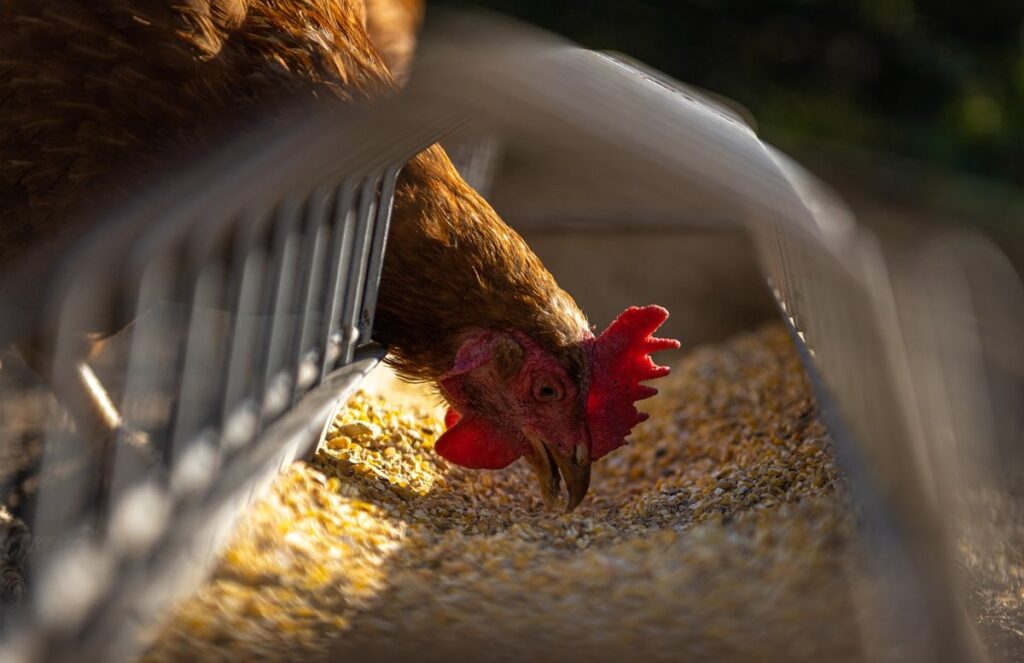
The Importance of Choosing the Right Feeder Type
When it comes to choosing between galvanized and plastic feeders, selecting the right one is crucial for your livestock’s health and well-being. Let’s dive into why this decision matters so much.
Benefits and Drawbacks of Galvanized Feeders
When it comes to galvanized feeders, there are several benefits that make them an attractive option for many farmers and livestock owners. For one, galvanized feeders are incredibly durable and resistant to corrosion, which means they can withstand harsh weather conditions and heavy use without showing signs of wear and tear. This durability also translates to a longer lifespan, saving you money in the long run by reducing the need for frequent replacements.
Another benefit of galvanized feeders is their ease of cleaning. The smooth surface makes it simple to remove debris and residue, minimizing the risk of bacterial growth and disease transmission. However, there are also some drawbacks to consider. Galvanized feeders can be heavy, making them difficult to move or relocate if needed. Additionally, installation complexity may be higher due to the need for anchoring and securing the feeder in place. This can add to the overall cost of ownership. Despite these drawbacks, many farmers find that the benefits of galvanized feeders far outweigh the costs, especially when compared to plastic feeders.
Common Applications for Galvanized Feeders
Galvanized feeders are incredibly versatile and are often used in various settings where durability and resistance to corrosion are crucial. If you’re planning to use a feeder at a construction site, for instance, galvanized is the way to go. The high-strength steel coating will withstand harsh weather conditions and heavy usage, ensuring your equipment remains functional even in challenging environments.
In farm settings, galvanized feeders are also a popular choice due to their ability to resist corrosion from animal waste and moisture. You can use them for feeding livestock, such as cattle or pigs, without worrying about the feeder rusting or decaying over time. This is particularly important in areas where saltwater or high levels of humidity are present.
Galvanized feeders are also used in industrial settings, like factories or warehouses, to store dry goods or supplies. Their resistance to corrosion makes them ideal for storing products that may be exposed to moisture or chemicals. Additionally, galvanized feeders can be easily cleaned and disinfected, making them an excellent choice for applications where hygiene is a top priority.
By choosing a galvanized feeder, you’ll enjoy peace of mind knowing your equipment will withstand the test of time and harsh conditions.
Comparison with Plastic Feeders: Initial Investment
When it comes to the initial investment required for galvanized and plastic feeders, there’s a notable difference. Galvanized feeders tend to be more expensive upfront, with prices ranging from $50 to $200 depending on size and quality. In contrast, plastic feeders are generally cheaper, often priced between $20 to $100.
However, the higher cost of galvanized feeders can be offset by their longer lifespan. With proper maintenance, a galvanized feeder can last for 10-15 years or more, whereas a plastic feeder might need to be replaced every 5-7 years due to wear and tear. Additionally, galvanized feeders require less frequent cleaning and are more resistant to rust, which can save you money in the long run.
To give you a better idea, let’s consider an example: if you replace a plastic feeder every 5 years, and it costs $50 per replacement, that adds up to $100 over a decade. In contrast, investing in a high-quality galvanized feeder upfront might cost more, but it could potentially save you money in the long term by reducing replacement needs.
The Pros and Cons of Using Plastic Feeders
When deciding between a galvanized and plastic feeder, it’s essential to weigh the advantages and disadvantages of using plastic feeders specifically. Let’s take a closer look at their pros and cons.
Lightweight and Easy to Install
When it comes to using plastic feeders, one of the most significant advantages is their lightweight nature. This makes them incredibly easy to transport and handle, especially for farmers who need to set up or reposition their feeding systems frequently.
In contrast, galvanized feeders are often much heavier due to their metal construction, which can make them more challenging to maneuver and install. Plastic feeders, on the other hand, can be easily moved into place without requiring any heavy machinery or specialized equipment.
Another benefit of plastic feeders is their ease of installation. They typically come with simple, snap-together designs that require minimal assembly and setup. This makes it easy for farmers to get started quickly and efficiently, even if they don’t have extensive experience with feeding systems.
For example, a popular brand of plastic feeders can be fully assembled in under 30 minutes using just a few basic tools. This streamlined process not only saves time but also reduces the risk of errors or mistakes that could compromise the feeder’s performance or longevity.
Durability Concerns
When it comes to plastic feeders, durability is a major concern. These containers are prone to cracking under heavy loads, which can lead to costly repairs and even more serious consequences such as contamination of the stored materials. For instance, if a plastic feeder cracks due to excessive weight, it may leak its contents, causing damage to surrounding equipment or even posing a risk to human health.
Additionally, prolonged exposure to moisture and extreme temperatures can cause plastic feeders to degrade over time. This can lead to brittleness, making them more susceptible to cracking. As a result, you may find yourself replacing your plastic feeder frequently, which not only adds up in costs but also disrupts the workflow of your operation.
To mitigate these risks, it’s essential to choose a feeder that is designed with durability in mind. When selecting a plastic feeder, look for ones made from high-quality materials that can withstand heavy loads and harsh environments. Regular maintenance, such as cleaning and inspecting the feeder regularly, can also help extend its lifespan.
Cost-Effectiveness: A Closer Look
When it comes to choosing between galvanized and plastic feeders, cost-effectiveness is an essential consideration. While initial costs may be lower for plastic feeders, the long-term expenses of maintaining and repairing them can add up quickly.
Plastic feeders are prone to cracking and breaking due to extreme temperatures, harsh weather conditions, or animal misuse. This can result in costly repairs or even replacement every few years. In contrast, galvanized feeders are made from durable metal that resists corrosion and can withstand the elements for decades with minimal maintenance.
To put this into perspective, a study by the American Society of Agricultural Engineers found that galvanized feeders require significantly less maintenance than plastic ones over their lifespan. With proper care, a galvanized feeder can last up to 20 years or more, while a plastic feeder may need replacement every 5-7 years.
In terms of repair costs, galvanized feeders are generally cheaper to fix than plastic ones. For instance, replacing a broken bracket on a galvanized feeder might cost around $10-$20, whereas repairing or replacing a cracked plastic feeder can range from $50 to over $100.
Ultimately, while the initial cost of a galvanized feeder may be higher than a plastic one, its long-term durability and lower maintenance costs make it a more cost-effective choice in the long run.
Material Properties: Galvanization vs Plastic
When choosing between a galvanized feeder and a plastic one, understanding their material properties is crucial to making an informed decision. Let’s dive into the differences in durability and corrosion resistance between these two options.
Corrosion Resistance: The Key to Durability
When it comes to choosing between galvanized and plastic feeders, one crucial factor is corrosion resistance. In simple terms, corrosion resistance refers to a material’s ability to withstand damage from chemical reactions with its environment. In the context of feeders, this means resisting rust or degradation caused by moisture, acids, or other substances present in animal feed.
For galvanized feeders, corrosion resistance is inherent due to the zinc coating applied during the galvanization process. This protective layer shields the underlying steel from corrosive agents, significantly extending its lifespan. In contrast, plastic feeders rely on their material composition to resist corrosion, but they can still be prone to degradation over time.
To assess a feeder’s corrosion resistance, look for signs of rust or discoloration. Regular cleaning and maintenance can also help prevent corrosion. Ultimately, choosing a feeder with robust corrosion resistance ensures that it remains durable and functional even in harsh environments.
Weatherproofing: A Critical Consideration
Weatherproofing is a crucial aspect of feeder selection that can greatly impact their performance and lifespan. Both galvanized and plastic feeders require weatherproofing to protect them from harsh environmental conditions.
Galvanized feeders, for instance, are prone to rust when exposed to moisture and salt-laden air. This can lead to structural weaknesses and compromise the safety of your livestock. To mitigate this risk, it’s essential to apply a rust-resistant coating or apply regular maintenance checks. In regions with high humidity or coastal areas where sea salt is present in the air, consider using galvanized feeders with an additional layer of protection.
Plastic feeders are also vulnerable to weather conditions but for different reasons. Extreme temperatures can cause them to become brittle and prone to cracking. Additionally, prolonged exposure to sunlight can degrade their material properties. Choose plastic feeders that are UV-stabilized or specifically designed for outdoor use. Regular cleaning and inspection will help identify potential issues before they escalate into more significant problems.
In either case, proper weatherproofing measures are vital to extend the lifespan of your feeder and prevent damage caused by harsh weather conditions.
Impact on Feed Quality
The impact of material properties on feed quality is a crucial consideration when choosing between galvanized and plastic feeders. Galvanized feeders are made from steel coated with a layer of zinc, which provides excellent corrosion resistance and durability. However, the coating can wear off over time, potentially contaminating feed with heavy metals like zinc. This can lead to adverse health effects in animals consuming contaminated feed.
Plastic feeders, on the other hand, are non-toxic and won’t leach chemicals into feed. They also resist bacterial growth, reducing the risk of moldy or spoiled feed. However, plastic can become brittle over time, increasing the likelihood of cracks and contamination.
To minimize risks, it’s essential to inspect feeders regularly for signs of wear or damage. For galvanized feeders, ensure the coating is intact before using them. Plastic feeders should be stored in dry areas, away from direct sunlight, to prevent brittleness. By taking these precautions, you can maintain high-quality feed and ensure your animals’ health and well-being. Regular cleaning and maintenance are also vital to preventing contamination, regardless of feeder material.
Maintenance and Repair Considerations
When choosing a feeder, it’s crucial to consider how easy it will be to maintain and repair over time. We’ll take a closer look at these considerations in more detail below.
Cleaning and Sanitizing Galvanized Feeders
Regular cleaning and sanitizing of galvanized feeders is crucial to prevent bacterial growth and ensure the health and well-being of your animals. Galvanized surfaces can be prone to corrosion if not properly maintained, which can lead to the formation of bacteria-friendly environments.
To clean galvanized feeders effectively, start by scrubbing away any visible debris or feed particles with a stiff-bristled brush. Then, mix 1 tablespoon of unsweetened bleach with 1 gallon of water and use this solution to soak the feeder for about an hour. After soaking, rinse thoroughly with fresh water and let it air dry.
It’s essential to note that harsh chemicals can damage galvanized surfaces, so always opt for gentle cleaning agents. Regularly cleaning your galvanized feeders will help prevent bacterial growth and keep them in good condition for years to come. Remember to inspect your feeders regularly for signs of rust or corrosion and address any issues promptly to ensure the health and well-being of your animals.
When sanitizing your galvanized feeder, always follow proper safety precautions, such as wearing gloves and working in a well-ventilated area.
Repairing Plastic Feeders: Tips and Tricks
Repairing plastic feeders can be a cost-effective solution when they become damaged or worn out. Before attempting to fix a plastic feeder, inspect it for any signs of significant damage, such as cracks, breaks, or excessive wear on moving parts.
Potential DIY fixes include replacing worn-out parts like rubber seals or hinges, and cleaning the feeder with mild soap and water. For more extensive repairs, you can use a repair kit specifically designed for plastic feeders. These kits usually contain replacement components, adhesive, and instructions to guide you through the process.
Some key considerations when repairing a plastic feeder include ensuring all parts fit properly, using high-quality adhesives, and following proper safety precautions. When possible, consider replacing damaged or worn-out areas with new ones instead of attempting to repair them. For example, if a plastic feeder’s lid is cracked but the rest of the feeder is still in good condition, it might be more cost-effective to replace just the lid rather than the entire feeder.
By following these tips and guidelines, you can extend the lifespan of your plastic feeder and keep it functioning properly.
Regular Maintenance Schedule
To ensure your galvanized or plastic feeder remains in top condition and continues to serve its purpose effectively, it’s essential to implement a regular maintenance schedule. For galvanized feeders, start by cleaning them at least once a week using mild detergent and warm water. You should also inspect the coatings for any signs of damage or wear, and make repairs as needed. It’s recommended that you reapply a fresh coat every six months to maintain protection against corrosion.
For plastic feeders, daily cleaning is crucial to prevent bacterial growth and maintain cleanliness. Use a mixture of water and bleach to disinfect the feeder, then rinse thoroughly with clean water. Regularly inspect the feeder for any cracks or damage, and replace it if necessary. Additionally, make sure to change the feed regularly to avoid spoilage and contamination.
By following these simple steps, you can extend the lifespan of your feeder and keep your animals healthy and well-fed. Remember to always prioritize hygiene and cleanliness when handling your feeder, and take action promptly if you notice any signs of damage or wear.
Environmental Impact: A Key Consideration
When choosing between galvanized and plastic feeders, it’s essential to consider the environmental impact of each option on your farm or backyard. This includes durability, maintenance, and potential waste generation.
Material Sourcing and Extraction
When it comes to galvanized and plastic feeders, material sourcing and extraction can have significant environmental implications. Galvanized steel, for instance, requires a substantial amount of energy and resources to produce the zinc coating, which contributes to greenhouse gas emissions and pollution. Furthermore, extracting iron ore and coal from the earth for steel production has devastating effects on ecosystems and local communities.
On the other hand, plastic feeders are often made from non-renewable fossil fuels such as petroleum and natural gas. The extraction of these resources can lead to habitat destruction, water pollution, and climate change. However, some plastic feeders may be made from recycled materials, which can reduce waste and minimize environmental harm.
It’s essential to consider the origin and production process of both galvanized and plastic feeders when making a choice. Look for manufacturers that prioritize sustainability and transparency in their supply chain practices. You can also opt for eco-friendly alternatives like stainless steel or recycled plastic feeders. By doing so, you’ll not only reduce your environmental footprint but also contribute to a more circular economy.
Production Processes and Waste Management
When it comes to choosing between galvanized and plastic feeders, understanding the production processes, waste management strategies, and recycling practices of each is crucial. Galvanized feeder production involves a multi-step process that begins with steel sheet metal cutting and forming. The metal is then coated with a layer of zinc using a hot-dip process or electroplating. While this process requires significant energy consumption, it can be optimized through improved manufacturing techniques and reduced waste management.
In contrast, plastic feeders are manufactured using injection molding, which produces less waste but may result in higher greenhouse gas emissions due to the energy required for processing raw materials. A key consideration is that plastic feeder production generates more waste than galvanized feeders during the manufacturing process. However, recycling rates have improved significantly in recent years, with some manufacturers now incorporating up to 30% recycled content into their products.
To minimize environmental impact, look for suppliers who prioritize efficient production processes and effective waste management strategies. When selecting a feeder type, consider the specific needs of your operation and the potential environmental implications of each choice. By making informed decisions, you can reduce your feeders’ overall ecological footprint.
End-of-Life Disposal
When considering galvanized versus plastic feeders, it’s essential to think about what will happen when they reach the end of their lifespan. The disposal options for these materials can have a significant impact on the environment.
Galvanized feeders are made from steel coated with zinc, which is a recyclable material. However, the process of recycling galvanized steel can be complex and energy-intensive. Additionally, if the feeder is severely corroded or damaged, it may not be suitable for recycling. In such cases, it would need to be disposed of through landfill or incineration.
On the other hand, plastic feeders are typically made from polypropylene or high-density polyethylene (HDPE), which can be recycled. However, many plastic feeders also contain additives and pigments that make them more difficult to recycle.
In practice, it’s often not feasible for farmers or users to properly disassemble or prepare these materials for recycling. In such cases, the most environmentally friendly option is to choose a feeder made from recyclable materials with clear labeling and design for recyclability in mind.
Conclusion: Choosing the Right Feeder for Your Needs
Now that you’ve weighed the pros and cons of galvanized and plastic feeders, it’s time to make a decision that suits your specific needs.
Recap of Key Points
When deciding between galvanized and plastic feeders, it’s essential to consider several key points. Galvanized feeders offer durability and resistance to rust, making them a great choice for areas with high humidity or exposure to moisture. However, they can be heavy and require more maintenance than their plastic counterparts.
Plastic feeders, on the other hand, are lightweight and easy to clean but may not be as durable in harsh environments. They also have the potential to leach chemicals into food if not made from high-quality materials.
Ultimately, your choice between galvanized and plastic feeders will depend on your specific needs and circumstances. Consider factors such as climate, usage, and maintenance requirements when making your decision. Additionally, look for feeders that meet or exceed industry standards for safety and durability to ensure the best possible outcome.
Final Recommendations
When choosing between galvanized and plastic feeders, it’s essential to consider your specific needs and priorities. If you’re looking for a durable, long-lasting option that can withstand harsh environments, galvanized feeders are likely the better choice. These feeders are made from steel coated with a layer of zinc, which provides excellent corrosion resistance and makes them ideal for outdoor use.
On the other hand, if you prioritize ease of cleaning and maintenance, plastic feeders might be more suitable. They’re generally lighter in weight, easy to install, and require minimal upkeep. However, it’s essential to note that plastic feeders may not be as resistant to extreme temperatures or harsh chemicals, which could compromise their structural integrity.
Consider your location and climate when making a decision. If you live in an area with high humidity, galvanized feeders are a better option due to their rust-resistant properties. Conversely, if you’re based in a dry region, plastic feeders might be a more cost-effective choice.
Ultimately, the decision comes down to your specific needs and circumstances. Take into account the pros and cons of each material type, and consider factors such as maintenance requirements, durability, and environmental impact before making an informed decision.
Frequently Asked Questions
Can I use galvanized feeders for indoor feeding, or are they only suitable for outdoor use?
Yes, galvanized feeders can be used indoors if properly coated to prevent rust formation due to moisture. However, it’s essential to ensure the feeder is designed with adequate ventilation to prevent condensation buildup. Always follow manufacturer guidelines and take necessary precautions when placing a galvanized feeder in an indoor environment.
How do I clean and maintain my galvanized feeder to prolong its lifespan?
Regular cleaning and maintenance are crucial for extending the life of your galvanized feeder. Use mild soap and water to clean the feeder, followed by rinsing with warm water. For tougher stains or rust spots, mix baking soda and vinegar to create a paste, which can be applied directly to the affected area. Always dry the feeder thoroughly after cleaning.
Can I repair my plastic feeder if it becomes damaged, or should I replace it entirely?
Yes, plastic feeders can often be repaired with minimal tools and replacement parts. However, if the damage is extensive or you’re unsure about how to proceed, consider consulting a professional for guidance. Repairing your plastic feeder can help extend its lifespan and reduce waste.
Are there any specific considerations when using galvanized feeders in coastal or high-humidity areas?
When using galvanized feeders in coastal or high-humidity regions, it’s crucial to take extra precautions against corrosion. Regularly inspect the feeder for signs of rust or wear, and apply a protective coating as needed. Consider choosing a galvanized feeder with an additional layer of protection, such as a clear coat or epoxy-based sealant.
Can I reuse or repurpose an old plastic feeder, or should it be discarded?
While some plastic feeders may be suitable for repurposing, it’s often more practical to discard and replace them. This is especially true if the feeder has been exposed to harsh weather conditions, pests, or heavy use. Reusing a damaged feeder can lead to contamination or health risks for your livestock.