
Gardening can be a rewarding hobby, but it often requires a lot of hard work to get those plants growing strong and healthy. One key aspect of gardening is fertilizing your soil with the right nutrients. While synthetic fertilizers are available, they can have negative environmental impacts and may not provide long-term benefits for your garden. That’s where chicken manure comes in – a natural, nutrient-rich fertilizer that’s perfect for boosting plant growth.
In this article, we’ll explore the benefits of using chicken manure as a fertilizer for your garden, from its high nitrogen content to its low environmental impact. We’ll cover how to prepare and apply chicken manure effectively, and discuss some key differences between this natural option and synthetic fertilizers. Whether you’re a seasoned gardener or just starting out, learn how to unlock your garden’s full potential with the power of chicken manure!
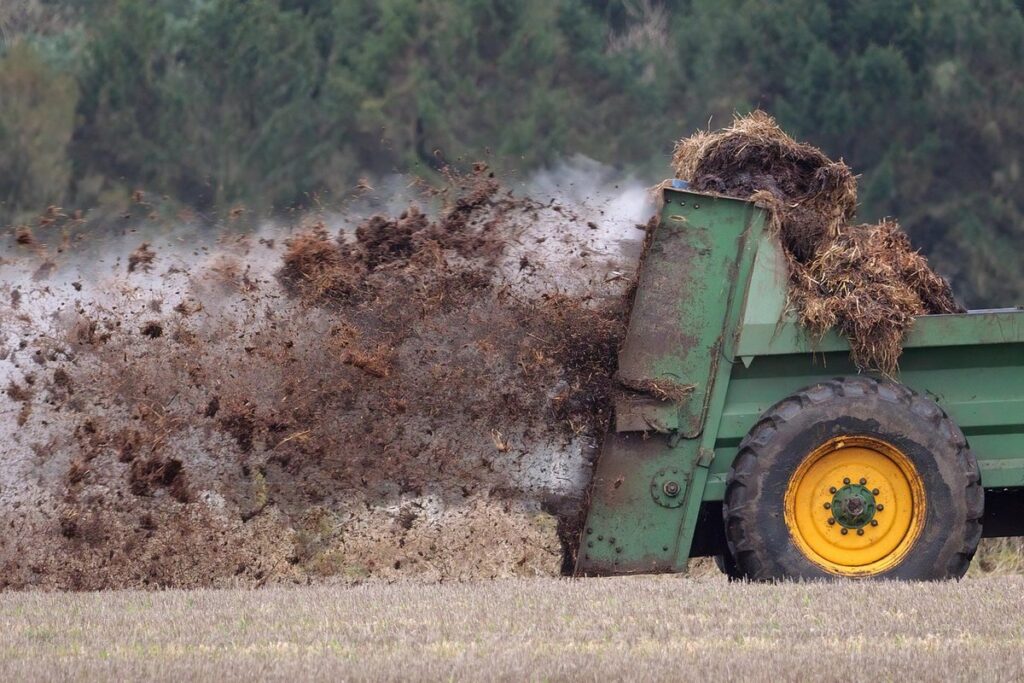
Benefits of Using Chicken Manure as Fertilizer
Using chicken manure as fertilizer is a simple and effective way to give your garden a nutrient boost, but what exactly are the benefits of this eco-friendly approach? Let’s explore them together.
Advantages Over Synthetic Fertilizers
When it comes to choosing a fertilizer for your garden, you have two main options: synthetic fertilizers and natural, organic materials like chicken manure. While synthetic fertilizers may provide quick results, they come with a host of environmental and health concerns that make them less desirable.
One of the biggest advantages of using chicken manure as a fertilizer is its eco-friendly nature. Unlike synthetic fertilizers, which can contaminate soil and waterways, chicken manure is biodegradable and won’t harm the environment if used in excess. In fact, a study by the University of California found that organic amendments like chicken manure can actually improve soil health and fertility over time.
Using chicken manure also reduces your reliance on synthetic fertilizers, which are often made from non-renewable resources and can have negative effects on human health. For example, excessive use of nitrogen-based fertilizers has been linked to respiratory problems and other health issues. By choosing natural materials like chicken manure, you’re not only helping the environment, but also creating a safer growing space for yourself and your family.
In addition to its environmental benefits, using chicken manure as a fertilizer can also be cost-effective in the long run. While it may require more effort to collect and process, the end result is a nutrient-rich soil amendment that will provide healthy plants for years to come.
Nutrient Breakdown of Chicken Manure
Chicken manure is an excellent natural fertilizer rich in essential nutrients for plant growth. A nutrient breakdown of chicken manure typically shows that it contains approximately 20-30% nitrogen (N), which is a vital component for leafy greens and stem development. This nitrogen content is also why chicken manure can help improve soil structure, increasing its water-holding capacity and aeration.
In addition to nitrogen, chicken manure is also an excellent source of phosphorus (P) and potassium (K). Phosphorus levels range from 10-20% while potassium levels are around 5-10%. These essential nutrients aid in root development, flower and fruit production, as well as overall plant resilience. For example, a study found that using chicken manure compost increased tomato yields by up to 25%.
When utilizing chicken manure as fertilizer, it’s crucial to mix it with other organic matter or soil components. This helps stabilize the high nitrogen levels and prevent over-fertilization. Start by adding about 1-2 pounds of dried chicken manure per square foot of your garden bed and gradually increase as needed.
Cost-Effectiveness
When it comes to fertilizing your garden, cost-effectiveness is a crucial factor to consider. Chicken manure can be an excellent alternative to other organic and synthetic options on the market. Compared to commercial composts like worm casting or peat moss, chicken manure is significantly cheaper. In fact, a 50-pound bag of chicken manure can cost anywhere from $10 to $20, whereas worm casting can range from $30 to $40 for the same amount.
In contrast, synthetic fertilizers may provide faster results but come with higher costs in the long run. They can also pose environmental risks, harming soil microbiology and degrading into pollutants over time. Organic options like fish emulsion or alfalfa meal are more environmentally friendly but still pricier than chicken manure. To make the most of using chicken manure as fertilizer, consider sourcing it from local farms or poultry producers who may offer it for free or at a low cost.
To calculate the cost-effectiveness of your fertilizing routine, keep track of the amount used and the results achieved. Divide the cost by the yield and compare it to other options. This will give you a clear picture of whether chicken manure is the most budget-friendly choice for your garden.
Preparing Chicken Manure for Use
Before you start using chicken manure as fertilizer, it’s essential to prepare it properly to avoid any potential health risks and ensure optimal nutrient absorption by your plants. Let’s walk through the steps together!
Collection and Storage Methods
When it comes to collecting and storing chicken manure for use as fertilizer, proper handling and storage facilities are crucial. You’ll want to start by placing a collection bin or container near the coop where you can easily deposit the droppings as they accumulate.
To prevent contamination and maintain quality, make sure your collection bins have tight-fitting lids that keep pests and other debris out. Regularly scoop out the manure into smaller storage containers for distribution around the garden or yard.
A suitable storage location should be well-ventilated, shaded, and protected from extreme temperatures to prevent overheating or freezing. You can also consider using tarpaulins or a covered area to shield your stored manure from rain.
Some tips worth considering: store the manure in smaller quantities (about 1 cubic yard per person) for ease of use; turn it regularly with a shovel to ensure oxygenation and prevent anaerobic conditions. This will help you make efficient use of your fertilizer resource while minimizing the risk of spoilage or contamination.
Composting and Aeration Techniques
Proper composting and aeration techniques are crucial when working with chicken manure. If not done correctly, it can become too hot and kill beneficial microorganisms or release ammonia gas that can be toxic to plants.
To start the composting process, mix the chicken manure with other carbon-rich materials like shredded newspaper, coconut coir, or wood shavings in a 2:1 ratio. This will help balance out the nitrogen levels in the manure and reduce odors.
Aeration is also essential as it helps to speed up decomposition and prevent anaerobic conditions that can lead to the production of toxic compounds. You can achieve this by turning the compost pile every week or two, adding more carbon-rich materials on top, or even using a compost aerator tool.
Temperature monitoring is also vital; ideal composting temperatures range between 130°F to 140°F (54°C to 60°C). If it gets too hot, you may need to turn the pile more frequently or add some water to cool it down. Regular monitoring will ensure that your chicken manure becomes a valuable resource for your garden rather than an environmental hazard.
Safety Precautions When Handling Manure
Handling raw chicken manure can pose significant health risks due to the presence of pathogens like Salmonella and E. coli. These bacteria can cause serious illnesses, especially for vulnerable populations such as the elderly, young children, and people with compromised immune systems.
When handling raw manure, it’s essential to take precautions to minimize exposure to these pathogens. Always wear protective gloves and a face mask to prevent skin contact and inhalation of airborne particles. Ensure that your work area is well-ventilated, and avoid inhaling dust or particles when mixing or spreading the manure.
Wash your hands thoroughly with soap and warm water after handling raw manure. This is crucial in preventing the transfer of pathogens to other parts of your body, particularly your face and mouth. If you plan to use a garden fork or shovel for handling manure, make sure it’s been properly disinfected between uses.
Remember, even if you’re planning to compost the manure before using it as fertilizer, it’s still vital to follow proper safety protocols when handling raw materials. By taking these precautions, you can significantly reduce your risk of exposure to pathogens and enjoy a healthy and productive gardening experience.
Application Methods for Chicken Manure Fertilizer
Now that you know how to make chicken manure fertilizer, let’s move on to applying it effectively in your garden. We’ll cover various application methods for optimal results.
Liquid vs. Solid Applications
When it comes to applying chicken manure fertilizer, you’ve got two main options: liquid and solid. Both methods have their benefits and drawbacks, which we’ll explore below.
Liquid applications involve dissolving the chicken manure in water to create a solution that can be sprayed directly onto plants or soil. This method is beneficial for young seedlings or sensitive plants that might not tolerate the high nitrogen content of undiluted manure. Additionally, liquid applications allow for more precise dosing and are often easier to mix with other fertilizers.
However, liquid applications require equipment to handle and spray the solution, which can be a drawback for small-scale gardeners. Moreover, the dissolved manure may break down too quickly in water, reducing its effectiveness over time.
On the other hand, solid applications involve spreading dried or composted chicken manure directly onto soil. This method is often preferred for larger gardens or fields due to its ease of use and reduced equipment requirements. Solid applications also tend to retain their nitrogen content longer, making them a more reliable choice for long-term fertilization. Nevertheless, they may require more labor to mix with other amendments or spread evenly.
Broadcasting and Incorporation Techniques
When broadcasting and incorporating chicken manure into garden beds, it’s essential to follow best practices to avoid any potential issues. First, prepare the soil by loosening it to a depth of about 8-10 inches. This will help the fertilizer penetrate evenly and reduce the risk of burning plant roots.
To broadcast chicken manure effectively, start by spreading it evenly over the garden bed using a rake or a broadcast spreader. Aim for a rate of about 1/4 inch to 1/2 inch thick, depending on the type of soil and plants being grown. For example, if you’re growing tomatoes, which have deep root systems, apply the fertilizer at the higher end of this range.
Once applied, use a garden fork or spade to gently work the manure into the soil. Avoid tilling too deeply, as this can damage soil structure and lead to erosion. Instead, focus on breaking up any clumps and ensuring the fertilizer is evenly distributed throughout the bed. This will help your plants absorb the nutrients they need to thrive. By following these steps, you’ll be able to harness the full potential of chicken manure fertilizer in your garden.
Timing of Application
When it comes to applying chicken manure fertilizer, timing is everything. You want to maximize its benefits and avoid any potential drawbacks. The ideal time to apply chicken manure depends on several factors, including the type of soil you have and the specific crop requirements.
For example, if you’re working with a sandy soil, it’s best to apply chicken manure during the spring or early fall when the soil is still moist but not waterlogged. This allows the nutrients to penetrate deeply into the soil without washing away. On the other hand, if you have a clay-based soil, it’s better to apply it in the late winter or early spring when the soil is still frozen and can retain more moisture.
In terms of crop requirements, leafy greens like lettuce and spinach benefit from chicken manure applied in the early stages of growth. However, for vegetables like tomatoes and peppers, it’s best to apply it closer to harvest time to avoid any excessive nitrogen buildup that can lead to weak or discolored fruit. Remember to mix your chicken manure with other compost materials to create a balanced fertilizer blend. This will help you get the most out of this valuable resource while minimizing potential drawbacks.
Safety Considerations for Using Chicken Manure Fertilizer
When using chicken manure fertilizer, it’s essential to take some crucial precautions to avoid any potential health risks and ensure a safe gardening experience. Let’s review the key safety considerations you should be aware of.
Pathogen Risk Reduction Strategies
When using raw or uncomposted chicken manure as fertilizer, there’s a risk of pathogen contamination. Pathogens like E. coli, Salmonella, and Campylobacter can be present in the manure, posing health risks to humans if not handled properly.
To minimize this risk, composting is essential. Composting breaks down the pathogens and makes the manure safe for use as fertilizer. The composting process involves maintaining a temperature of at least 131°F (55°C) for several days, which is hot enough to kill off most pathogens.
Another method to reduce pathogen risk is to age the manure for an extended period. Leaving it outdoors for at least six months allows natural processes to break down the pathogens. However, this method may not be feasible or practical in all situations.
To safely use raw chicken manure, it’s recommended to apply a thin layer (about 1/4 inch) and mix it well with other materials like straw or sawdust. This helps to dilute any potential pathogens.
Soil pH Management
When using chicken manure fertilizer, it’s essential to consider its impact on soil pH. Chicken manure is high in nitrogen and phosphorus but also tends to be acidic, with a pH range of 4-5. If not managed properly, this acidity can lead to an over-acidification of the soil, affecting plant growth and microbial activity.
To mitigate this issue, apply lime to your soil periodically. Lime helps raise the pH level by neutralizing excess hydrogen ions, creating a more balanced environment for plants to thrive. The amount of lime needed depends on the initial pH level and the amount of manure used as fertilizer. As a general rule, apply 1-2 pounds of ground limestone per 100 square feet of soil.
Another technique is to mix chicken manure with other fertilizers that have a more neutral or alkaline pH, such as fish bone meal or dolomitic limestone. This blending approach helps balance out the acidity and promotes a stable soil ecosystem. Additionally, incorporating organic matter like compost or well-rotted manure can help improve soil structure and fertility while minimizing the risk of over-acidification. Regular soil testing is also crucial to monitor pH levels and make necessary adjustments.
Integrating Chicken Manure into Your Gardening Routine
Now that you’ve collected and composted your chicken manure, it’s time to put it to good use in your garden. Learn how to safely integrate this nutrient-rich fertilizer into your routine.
Long-Term Planning and Scheduling
When incorporating chicken manure into your gardening routine, it’s essential to consider long-term planning and scheduling. This means thinking about crop rotation and fertility management to ensure a balanced and sustainable garden ecosystem.
To start, identify the specific crops you want to grow and their corresponding nutrient requirements. For example, leafy greens like lettuce and spinach prefer nitrogen-rich soils, while root vegetables like carrots require potassium-rich soil. Make sure to rotate these crops accordingly to avoid depleting the soil of essential nutrients.
Aim to incorporate chicken manure into your garden at least 2-3 times a year, depending on the amount of waste generated by your flock. Apply it as a top dressing or mix it into the soil before planting new seeds. Consider also creating a compost pile to break down the manure and create a nutrient-rich fertilizer for your plants.
Remember to balance chicken manure with other organic amendments to maintain optimal soil health. Aim to add 1-2 inches of composted manure per year, alongside regular applications of other natural fertilizers like bone meal or fish emulsion. By following this plan, you can create a thriving and sustainable garden ecosystem that relies on the benefits of chicken manure.
Alternative Uses for Chicken Manure
Chicken manure is an incredibly valuable resource for gardeners, but its uses extend far beyond fertilization. While it’s a rich source of nitrogen, phosphorus, and potassium, there are alternative ways to utilize this nutrient-dense waste. One innovative approach is to repurpose chicken manure as mulch.
By mixing dry chicken manure with other organic materials like straw or wood chips, you can create a natural mulch that retains moisture, suppresses weeds, and regulates soil temperature. This eco-friendly solution reduces the need for synthetic fertilizers and weed barriers while fostering a healthy garden ecosystem. To make your own mulch, simply mix 1 part chicken manure with 3-4 parts of other organic materials.
Another method is to utilize chicken manure as a compost tea ingredient. Compost teas are nutrient-rich liquid solutions made by steeping compost or manure in water. These teas can be applied directly to plants, providing an instant boost of beneficial microbes and nutrients. To make a chicken manure-based compost tea, simply add 1-2 pounds of dry manure to 5 gallons of water, allowing it to steep for 24 hours before applying to your garden.
These alternative uses for chicken manure showcase its versatility and potential to create a more sustainable gardening practice. By thinking outside the box, you can minimize waste while maximizing the benefits of this valuable resource.
Conclusion
Now that you’ve learned how to garden fertilize with chicken manure, it’s time to put your new skills into practice. Remember, using this natural fertilizer is not only beneficial for your plants but also for the environment. To make the most of your effort, be sure to mix the manure with other organic matter like compost or peat moss before applying it to your soil.
This will help balance out the nitrogen levels and prevent any potential burning of your plant’s roots. Also, don’t forget to rotate your crops seasonally to avoid depleting the soil of essential nutrients. By following these simple tips, you’ll be on your way to growing a thriving garden with minimal environmental impact. Happy gardening!
Frequently Asked Questions
Can I use chicken manure from any source, or are there certain requirements for its quality?
When selecting chicken manure for fertilizing your garden, look for sources that provide a balanced mix of nutrients and minimal pathogens. Consider using manure from local farms or those that have implemented proper composting and storage methods to minimize the risk of contamination.
How do I store chicken manure long-term without losing its effectiveness?
To maintain the potency of chicken manure, it’s essential to store it in a dry, well-ventilated area. Avoid exposure to direct sunlight and moisture, as this can cause decomposition and nutrient loss. Consider using airtight containers or bins with adequate ventilation to keep the manure fresh.
Can I mix chicken manure with other fertilizers or composts, or should I use it alone?
Yes, you can combine chicken manure with other natural fertilizers or composts to create a customized blend tailored to your garden’s specific needs. However, be cautious not to over-fertilize, as this can lead to an imbalance of nutrients and potentially harm your plants.
How often should I apply chicken manure fertilizer to my garden, and what are the optimal application rates?
The frequency and amount of chicken manure application will depend on factors like soil type, plant species, and climate. Generally, a 2-inch layer of composted chicken manure applied every 3-6 months is sufficient for most gardens. Be sure to follow specific guidelines based on your local conditions.
Can I use chicken manure in indoor containers or hydroponic systems, or is it best suited for outdoor gardens?
While chicken manure can be used in indoor containers and hydroponic systems, its effectiveness may vary due to differences in soil structure and nutrient cycling. Consider starting with small-scale trials to assess the impact of chicken manure on your specific setup before scaling up.