
Are you looking for a unique and effective way to secure your property? You’re not alone. Many homeowners are turning to an unlikely source: geese as guard animals. These majestic birds have been used for centuries to protect land, crops, and even families from predators and intruders. But what makes them so effective at guarding our properties? In this comprehensive guide, we’ll explore the benefits of using geese as guard animals, including their keen protective instincts, ability to alert us to potential threats, and low maintenance care requirements. We’ll also cover how to train your geese to be loyal and responsive companions, ensuring they provide top-notch protection for your property while being a joy to have around. Let’s dive in and discover the secret to using geese as effective guard animals.
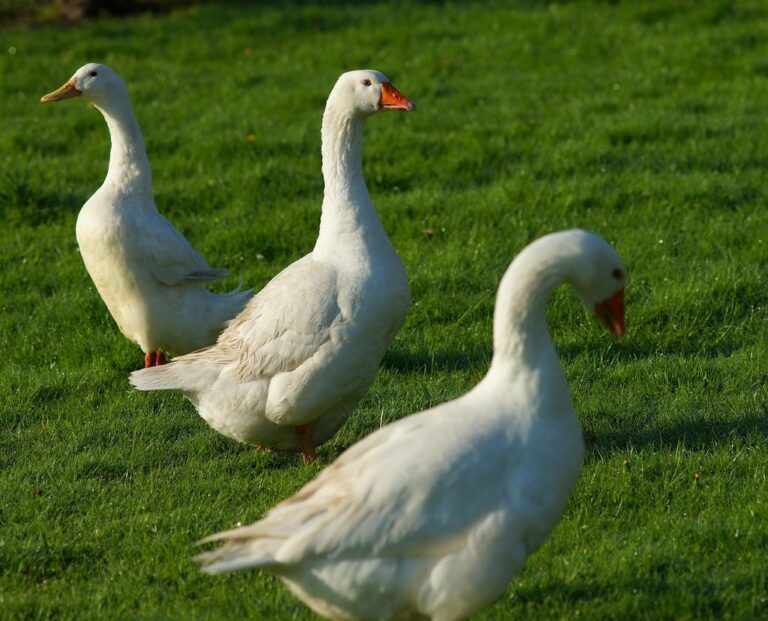
Benefits of Using Geese as Guard Animals
When it comes to protecting your property and loved ones, geese make surprisingly effective guard animals. Here are just a few of the key benefits you can expect from using geese for security.
Introduction to Goose Behavior
Geese are naturally protective and territorial animals, making them an ideal choice for guarding properties. Their keen sense of hearing allows them to detect potential threats from a distance, while their exceptional vision enables them to scan their surroundings with ease. In fact, geese have been known to spot predators as far away as 100 feet or more.
In addition to their impressive sensory abilities, geese also possess strong homing instincts that help them defend their territory. If they feel threatened or sense any danger, they will not hesitate to sound the alarm by honking loudly and aggressively. This behavior is a natural defense mechanism that helps to deter potential intruders.
As a guardian animal, a goose’s territorial nature can be leveraged to your advantage. By placing geese in strategic locations around your property, you can create a protective perimeter that deters unwanted visitors. With proper training and care, geese can become loyal and effective guardians that alert you to any potential threats, keeping your family and belongings safe.
History of Geese in Guardian Roles
Geese have been used as guard animals for thousands of years, with evidence of their utilization dating back to ancient civilizations. In ancient Egypt, geese were used to protect temples and pharaohs from intruders. The Egyptians recognized the keen eyesight and sharp honking calls of geese, which made them effective sentinels. Similarly, in ancient Rome, geese were employed as guard animals on farms and estates.
In modern times, geese have continued to be used for guarding purposes. Many farmers still rely on geese to protect their livestock from predators such as coyotes and foxes. Geese are also being used by homeowners to deter intruders and alert them to potential threats. Their loud honking calls can be heard from a distance, warning people of any approaching danger. Some farms have even reported reduced thefts after introducing geese as guard animals.
Their effectiveness as guard animals lies in their natural behavior, which makes them vigilant and protective of their territory.
Choosing the Right Breed for Guard Duty
When selecting geese as guard animals, it’s essential to choose a breed that fits your specific needs and lifestyle. We’ll help you navigate the various breeds to find the best fit for your property.
Factors Influencing Breed Selection
When selecting a breed of geese for guard duty, it’s essential to consider several key factors. The ideal breed should possess an adequate level of aggression towards potential intruders while still being manageable and easy to care for. In terms of size, larger breeds tend to be more intimidating and effective deterrents, but smaller breeds can also be suitable if properly trained.
However, climate and space availability must also be taken into account. If you live in a cold climate, it’s best to choose breeds that are adapted to harsh weather conditions. Similarly, consider the available space on your property – larger breeds require more room to roam.
Another crucial factor is noise tolerance. Some breeds are notoriously loud, which can be beneficial for alerting owners to potential threats but may also disturb neighbors. Researching breeds with temperaments and characteristics well-suited to your specific needs will help you make an informed decision when selecting a guard geese breed.
Popular Breeds Used for Guarding
When it comes to choosing the right breed for guarding, there are several popular options that excel at keeping unwanted visitors at bay. Among these breeds, Embden, Toulouse, and African Geese stand out for their exceptional guard capabilities.
Embden Geese, originally from Germany, are known for their impressive size, reaching up to 25 pounds or more. Their loud honking is an instant deterrent, warning potential intruders of their presence. With a strong instinct to defend their territory, Embden Geese make excellent guardians for large properties and farms.
Toulouse Geese, on the other hand, are smaller but no less effective. Weighing around 10-15 pounds, they pack a punch with their aggressive behavior when sensing danger. Their territorial nature makes them an ideal choice for small to medium-sized properties where space is limited.
African Geese, with their striking white and brown feathers, are also sought after for guarding duties. They’re highly intelligent and known to be fiercely protective of their families and territory. With proper training, African Geese can become valuable assets in securing your property against unwanted visitors.
Training Geese for Guardian Roles
If you’re considering training geese as guard animals, this is where we dive into the specifics of their socialization and obedience training. We’ll cover essential commands and techniques to create loyal guardians.
Basic Obedience Commands
When training geese for guardian roles, it’s essential to establish a solid foundation of basic obedience commands. This ensures they can respond promptly and accurately to tasks, making them reliable protectors. One of the most critical commands is “come,” which enables you to recall your geese quickly in case of an emergency or when they wander off.
To teach your geese to come, start by having them associate a whistle or a specific word with treats. When they respond correctly, reward them immediately. Gradually increase distances and distractions while reinforcing their response. Another crucial command is “stay,” which helps prevent unwanted behavior such as chasing visitors or other animals.
“Leave it” is also a valuable command for geese in guardian roles. This instructs them to leave food or other objects alone when requested, reducing the risk of property damage or attracting pests. Practice these commands regularly, using positive reinforcement techniques like treats and praise. Consistency and patience are key to developing reliable habits in your geese.
Socialization and Desensitization
Socialization is a critical aspect of training geese for guardian roles. You see, young goslings are naturally wary of humans and their environments, which can make them unpredictable around people they don’t know. To address this, start socializing your goslings from an early age by introducing them to various people, places, and situations. For instance, take them on regular walks around the neighborhood or to nearby parks to expose them to new sights and sounds.
To further acclimate them, try feeding them treats in public areas or having friends and family members visit with toys and goodies. This will help your geese become comfortable with human interaction and reduce aggression towards strangers. Desensitization is also essential in reducing stress and anxiety around unusual sights or sounds. For example, if your goose is startled by loud noises, try exposing them to gradually increasing decibel levels through music or other sounds while rewarding calm behavior.
By investing time in socialization and desensitization techniques, you can raise confident, well-adjusted geese that will thrive as guard animals.
Setting Up a Goose Guard System
To effectively utilize geese as guard animals, setting up a reliable goose guard system is crucial. This involves creating a structure that suits your birds’ needs and ensures they can do their job efficiently.
Perimeter Fencing and Enclosures
When setting up a goose guard system, one of the most crucial aspects to consider is secure fencing and enclosures. Geese are intelligent and curious animals that can easily escape if they find a weak spot in their containment area. A well-designed perimeter fence or enclosure not only keeps your geese safe but also prevents them from straying into neighboring properties.
When selecting materials for your fence, opt for durable options like wooden planks, metal mesh, or high-tensile wire. Wooden fences are an excellent choice as they can be aesthetically pleasing and provide a natural barrier. However, ensure that the wood is treated to withstand rot and insect damage. For a more modern look, consider using aluminum or steel fencing with a durable coating.
Design your enclosure with escape-proof features such as:
• Buried wire mesh at least 12 inches deep around the perimeter
• Overhanging roof or awning to prevent jumping
• Regular inspections to identify potential weaknesses
Regular maintenance and repairs are essential to keep your fence in good condition. Inspect your fencing system regularly for signs of wear, damage, or gaps that geese can exploit. By investing time and effort into designing a secure perimeter enclosure, you’ll ensure the safety and well-being of both your geese and neighboring properties.
Monitoring Systems and Alert Mechanisms
When setting up a goose guard system, it’s essential to incorporate monitoring systems and alert mechanisms that detect potential threats or unusual activity around the property. This can be achieved through various surveillance methods, such as installing cameras with motion detection capabilities, which allow for real-time monitoring of the area. These cameras can be placed strategically around the perimeter of the property, providing a clear view of any potential entry points.
In addition to visual monitoring, sensors can also be used to detect unusual activity. For example, pressure pads or infrared beams can be installed along fences to alert you when an intruder is detected. Smart home systems can then trigger alarm systems or send smart notifications to your phone, ensuring a swift response to any potential threats. It’s recommended to position these sensors and cameras in areas where geese are likely to patrol, such as near water sources or feeding areas.
When selecting monitoring systems, consider the specific needs of your property and the behavior of your geese. Regularly review footage from cameras and sensor data to identify patterns and areas for improvement. By combining monitoring systems with alert mechanisms, you can create an effective goose guard system that deters potential threats while keeping you informed of any unusual activity.
Health and Safety Considerations
When considering geese as guard animals, it’s crucial to weigh the benefits against potential risks to people and property. Let’s explore some essential health and safety considerations.
Vaccinations and Preventative Care
As you consider using geese as guard animals on your property, it’s essential to prioritize their health and well-being. Regular veterinary check-ups are crucial to prevent diseases and parasites from taking hold. Schedule annual vaccinations for Newcastle disease, avian influenza, and other regional threats specific to your area. Your veterinarian will also monitor for signs of parasites like mites, lice, or internal worms.
In addition to vaccinations, a solid preventative care routine is vital. Ensure your geese have access to clean water and nutritious food at all times. Regularly inspect their living quarters for signs of rodent infestation or other potential health hazards. Maintain a clean environment by removing waste daily and disinfecting feeders and waterers regularly.
Parasite control measures can be achieved through deworming medication administered by your veterinarian, typically twice a year. Additionally, consider applying topical treatments to prevent external parasites like lice and mites. By taking these proactive steps, you’ll significantly reduce the risk of disease in your geese, ensuring they remain healthy and effective guard animals for years to come.
Potential Risks and Hazards
When it comes to using geese as guard animals, there are potential risks and hazards to consider. One of the most significant concerns is biting. Geese can be territorial and protective of their space, which may lead them to bite if they feel threatened or cornered. In fact, a study by the American Society for the Prevention of Cruelty to Animals (ASPCA) found that geese are responsible for an average of 12,000 attacks per year in the United States.
To minimize this risk, it’s essential to introduce geese slowly and under controlled circumstances. You should also be aware of their body language and vocal cues, such as hissing or honking loudly. If you notice any aggressive behavior, it’s crucial to take steps to address the issue before it escalates.
Feather pecking is another potential hazard associated with using geese as guard animals. This behavior can lead to stress and anxiety in both humans and other animals, so it’s essential to establish clear boundaries and provide adequate space for your geese to roam freely. By taking these precautions, you can minimize the risks associated with using geese as guard animals and enjoy their benefits while ensuring a safe and healthy environment.
Cost-Effectiveness of Goose Guard Systems
When considering geese as guard animals, one crucial factor is their cost-effectiveness compared to traditional security systems. We’ll explore the economic benefits of using geese for protection in this next section.
Initial Investment vs. Long-Term Savings
When it comes to considering geese as guard animals for your property, one of the key factors is the cost-effectiveness of such a system. A common concern is whether the initial investment required to set up a goose guard system will pay off in the long run.
In reality, the costs associated with purchasing and caring for geese are relatively low compared to other security measures. According to the USDA, the average annual cost of maintaining a single goose is around $500. This includes food, veterinary care, and equipment costs. To put this into perspective, you could expect to pay upwards of $10,000 per year for a comparable high-tech security system.
However, geese provide more than just short-term savings on security measures. They also contribute significantly to property value increases, with some studies showing that properties with geese as guard animals can command up to 20% higher selling prices. Additionally, many insurance companies offer discounts for homes and businesses with effective deterrents in place – like a well-trained flock of geese.
Maintenance Costs and Ongoing Expenses
When it comes to caring for geese as guard animals, ongoing expenses are an essential consideration. In addition to the initial setup costs, there are several regular expenses you’ll need to factor into your budget.
Feed is one of the most significant ongoing expenses associated with goose care. A mature goose can consume around 1-2 pounds of food per day, which translates to approximately $10-20 per month, depending on the quality and type of feed. You’ll also need to consider veterinary care, including annual vaccinations and check-ups, which can cost anywhere from $50 to $200 per visit.
Equipment maintenance is another essential consideration. Fencing, enclosures, and other equipment will require regular repairs and replacements over time. Budget around 5-10% of the initial setup costs for ongoing equipment maintenance and repairs. To give you a better idea, let’s assume an initial investment of $1,000 for fencing and enclosure. This would translate to around $50-100 per year in ongoing maintenance costs.
Keep in mind that these estimates can vary depending on factors like climate, location, and the specific needs of your geese. It’s essential to research and consult with local experts or experienced goose owners to get a more accurate estimate of the ongoing expenses associated with caring for geese as guard animals.
Conclusion: Geese as Effective Guardians
Now that we’ve explored the many benefits of geese as guard animals, it’s time to summarize our findings and highlight the key takeaways. Let’s review what makes geese such effective guardians.
Recap of Benefits and Considerations
Using geese as guard animals offers numerous benefits, including enhanced security and deterrent capabilities. Not only do they serve as an effective early warning system, but their loud honking can also startle potential intruders, giving you precious time to respond.
When it comes to implementation, however, it’s essential to consider the proper care and training of these birds. Geese require regular exercise, a balanced diet, and access to clean water. They also need to be socialized from an early age to become confident and calm in their role as guard animals.
One crucial aspect to remember is that geese are intelligent creatures with strong herding instincts. If not properly trained, they may chase other pets or even humans, leading to potential conflicts. By investing time and effort into training your geese, you can ensure a harmonious coexistence between them and the rest of your household.
To reap the full benefits of geese as guard animals, make sure to provide a safe and suitable environment for them to thrive in. With proper care and attention, these remarkable birds will serve as loyal and vigilant companions, watching over your property with dedication and enthusiasm.
Encouraging Adoption and Best Practices
If you’re considering adopting a goose guard system for your property, there are several success stories that can serve as inspiration. For instance, a small farm in rural England reported a significant reduction in predator attacks after introducing a flock of geese to their perimeter. The owners credited the birds’ vigilant nature and loud honking with deterring foxes and coyotes.
Similar testimonials abound from other satisfied users who have implemented goose guard systems on their properties. Take, for example, a residential neighborhood in the United States where a homeowner installed a small enclosure with four geese to protect her garden from deer and rabbits. The geese proved highly effective, and the homeowner reported no further losses.
If you’re contemplating adopting a goose guard system, here are some practical tips to keep in mind: ensure your property has adequate space for the geese to roam and exercise; provide them with suitable shelter and food; train the birds to respond promptly to your commands; and maintain their health through regular vaccinations. By following these guidelines and doing your research, you can join the ranks of satisfied goose owners who have successfully incorporated these magnificent creatures into their property security systems.
Frequently Asked Questions
Can I use geese as guard animals if I live in an apartment or have limited space?
Yes, you can still benefit from using geese as guard animals even with limited space. Consider a small enclosure or a “geese pen” that provides enough room for your birds to move around and exercise while keeping them contained.
How long does it take to train my geese to respond to basic obedience commands?
Training time will vary depending on the individual bird’s temperament and age, but with consistent practice and positive reinforcement, you can expect to see noticeable progress within 2-4 weeks. Start with simple commands like “stay” and “come,” and gradually build upon these skills.
What are some common health risks I should be aware of when keeping geese as guard animals?
Geese are generally hardy birds, but they can be susceptible to certain diseases such as avian cholera and botulism. Regular vaccinations and preventative care, including a balanced diet and access to clean water, will help minimize the risk of illness.
How do I determine if my goose is truly alerting me to potential threats or simply being noisy?
Pay attention to your bird’s body language and vocalizations. A genuinely alerted goose will often become more agitated, puff out its feathers, and make a higher-pitched warning call. If you’re unsure, observe your bird’s behavior in different situations to gauge its response to potential threats.
Can I use geese as guard animals if I have other pets, such as dogs or cats?
Yes, geese can coexist with other pets, but it’s essential to introduce them slowly and under controlled circumstances. Start by keeping the birds in a separate enclosure or pen, allowing them to become familiar with each other’s scents and sounds before gradually increasing their interaction time.