
If you’re considering bringing home some feathered friends to add to your farm or backyard, you might be thinking about introducing geese into the mix. But have you ever thought about pairing them with chickens? It turns out that these two bird species can not only coexist but actually thrive together. By combining their strengths, you can create a harmonious and secure farm environment where both geese and chickens feel protected and happy.
In this article, we’ll explore the benefits of keeping geese as guardians for your chicken flock. We’ll dive into how these birds provide mutual protection from predators, reduce stress in your backyard or farm, and even promote a sense of calm among all the animals living there. By learning more about this unlikely yet effective partnership, you can create a healthier, happier home for both your geese and chickens.
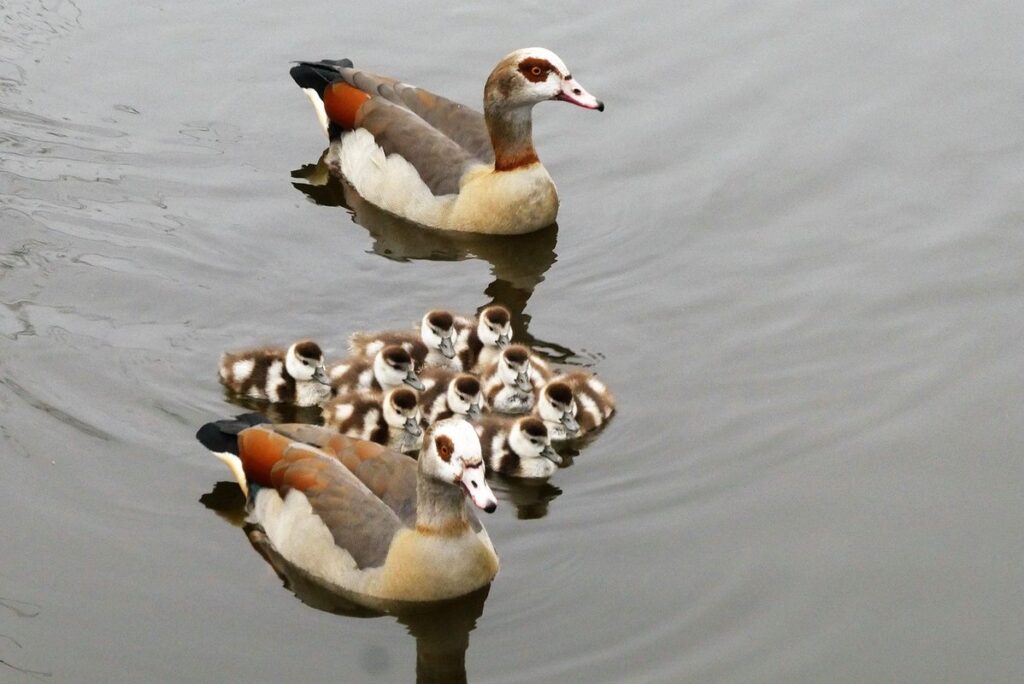
Benefits of Raising Geese and Chickens Together
When raising geese and chickens together, you’ll discover a harmonious balance that benefits both species, creating a safer and more enjoyable coop environment for all. Let’s explore these wonderful perks in detail!
Introduction to Geese-Chicken Flocks
Raising geese and chickens together may seem like an unconventional approach to backyard poultry keeping, but it’s gaining popularity among homesteaders and small-scale farmers. This unique relationship between the two species has been observed in many farms and backyards, where geese have taken on a protective role towards their chicken counterparts.
One of the most striking aspects of this partnership is the way geese alert each other to potential threats. They are naturally vigilant birds that will sound the alarm at the slightest sign of danger, whether it’s a predator or an intruder trying to access the coop. Chickens, on the other hand, tend to be more focused on foraging and socializing, leaving them vulnerable to predators.
By raising geese and chickens together, you can create a safe and harmonious flock dynamic. To get started, make sure to introduce the birds gradually, allowing them to become familiar with each other’s presence and behavior. Provide a secure coop and enclosure that meets the needs of both species, and ensure there are adequate food, water, and shelter resources for all birds.
Health Advantages of Mixed Species Flocking
When you raise geese and chickens together, one of the most significant benefits is the improved health and safety of both species. Geese have a natural instinct to protect their flock, which includes the chickens. They will sound the alarm when they sense potential threats, such as predators or strangers approaching the coop.
In addition to providing an early warning system, geese can also help deter predators from entering the yard. Their loud honking and aggressive behavior make them a formidable barrier against foxes, coyotes, and other common chicken predators. By having geese as guardians, you reduce the risk of predation and create a safer environment for your chickens.
Furthermore, mixed species flocking can also promote a healthier environment by reducing stress levels in both geese and chickens. When kept together, they develop a symbiotic relationship that fosters mutual respect and trust. This harmonious coexistence leads to lower stress levels, which is essential for maintaining the overall health and well-being of your flock.
Reduced Stress with Geese Guardianship
Raising geese alongside chickens can have numerous benefits, but one of the most significant advantages is their ability to serve as natural guardians. Geese are highly vigilant birds that take their job as sentinels very seriously, alerting other birds in the flock to potential threats. This not only reduces stress levels among chicken flocks but also provides an added layer of protection.
When geese detect a predator or intruder, they will loudly vocalize and aggressively defend their territory. This can be especially beneficial for chickens, which are often vulnerable to predation. By having geese as companions, you’re essentially having a built-in alarm system that warns other birds in the flock of potential danger.
In fact, many farmers have reported reduced losses due to predators when keeping geese alongside their chicken flocks. This is because geese will sound an early warning, giving the chickens ample time to seek safety and reducing the likelihood of them becoming prey.
Choosing the Right Geese Breed for Chicken Companions
When it comes to choosing geese as companions for your chickens, selecting a breed that’s well-suited to their needs is crucial. Consider factors like temperament and size to ensure harmony between species.
Geese Characteristics Important for Chicken Care
When choosing geese breeds to raise with chickens, there are several key characteristics to look for. Size is an important consideration, as larger geese tend to be more effective guardians against predators. However, smaller geese can still provide excellent protection and companionship.
Temperament is also crucial when selecting a breed. Look for geese that are calm and even-tempered, as they will be less likely to attack chickens or other animals in the flock. Some breeds, such as Embdens and Sebastopol Geese, are known for their gentle nature and make excellent companions for chickens.
A strong guarding instinct is also essential in a goose breed suitable for chicken companions. Look for geese that are alert and vigilant, with a tendency to sound an alarm when they sense potential danger. White Chinese Geese, for example, are notorious for their loud honking, which can serve as a warning to predators. By considering these characteristics, you can choose the right geese breed to protect your chicken flock and provide them with loyal companionship.
Popular Breeds for Geese-Chicken Flocks
When it comes to creating a harmonious and secure flock with geese as guardians, selecting the right breeds is crucial. Some popular breeds for mixed-species farming that excel at guarding chickens are the Embden, Toulouse, and Sebastopol. These birds bring a unique set of strengths to the table.
The Embden breed, for instance, is known for its exceptional loyalty and protective instincts. They’re naturally wary of strangers and will sound an alarm call if they sense any potential threats. However, their loud honking can be a drawback for some farmers who prefer a quieter environment. On the other hand, Toulouse geese are renowned for their docility and gentle nature. They make excellent companions for chickens and are often used as a calming influence in mixed-species flocks.
Sebastopol geese, with their impressive size and imposing presence, serve as an effective deterrent against predators. Their large wingspan also allows them to take flight quickly if needed, making them a formidable guardian of the flock. When introducing geese breeds like these into your farm, remember to provide enough space for them to roam and exercise, as well as separate enclosures or areas where they can relax without being disturbed by their chicken companions.
Considering Temperament and Size When Selecting a Breed
When selecting a breed of geese to join your chicken flock as companions, it’s essential to consider their temperament and size. Geese can be natural guardians for chickens, but only if they’re compatible with the flock’s needs. A calm and gentle goose is perfect for a backyard flock, while an aggressive one may cause more harm than good.
Geese come in various sizes, ranging from small Chinese geese to large Embden geese. While size isn’t always a determining factor, it can play a role in compatibility. Large geese, for example, may accidentally trample or intimidate smaller chickens, so it’s crucial to consider the size and energy level of your goose when introducing them to your flock.
When choosing a breed, look for ones that are known for their calm temperament, such as Toulouse or Sebastopol geese. These breeds tend to be more laid-back and gentle around chickens. On the other hand, avoid breeds like African or Embden geese, which can be more aggressive and territorial.
Ultimately, it’s all about finding a breed that fits your flock’s unique needs and personality. By considering temperament and size, you’ll be well on your way to creating a harmonious and protective flock with your goose companions by their side.
Integrating Geese into Your Existing Chicken Flock
When introducing geese to your existing chicken flock, it’s essential to consider the age and temperament of both species to ensure a harmonious transition. With patience and planning, you can create a balanced and thriving flock.
Preparing Your Chickens for New Goose Roommates
When introducing geese to an existing chicken flock, it’s essential to prioritize a smooth transition to minimize stress for both species. Start by preparing your chickens for the new additions. Begin by adding visual and auditory cues of geese, such as pictures or videos, to their living space to help them become familiar with the new sights and sounds.
As you bring the geese into their new enclosure, keep a close eye on body language. Monitor both species’ behavior, looking for signs of stress like hissing, growling, or avoiding each other. To promote harmony, provide multiple feeding stations and water sources to reduce competition.
Consider introducing one goose at a time, allowing the chickens to become accustomed to its presence before adding more geese. Be prepared to supervise interactions closely during this initial period, intervening if necessary to prevent any conflicts. With patience and proper introduction, your chickens and geese can develop strong bonds, becoming perfect companions in protecting their shared space from potential threats.
Providing Adequate Space and Resources for Both Species
When integrating geese into your existing chicken flock, it’s essential to provide adequate space and resources for both species. Geese have unique needs that differ from those of chickens, so it’s crucial to ensure you’re meeting their requirements.
Firstly, let’s talk about housing. When keeping geese with chickens, a minimum of 10-15 square feet per bird is recommended. However, if you want to create a harmonious and stress-free environment for both species, consider providing more space – ideally around 20-25 square feet per bird. This will give your geese enough room to move around comfortably and engage in natural behaviors like stretching their wings and exercising.
In terms of resources, geese require access to clean water and nutritious food. Geese eat a diet similar to chickens but tend to consume more grasses and aquatic plants. Ensure you’re providing adequate feeding stations and water sources that are easily accessible for both species. Additionally, consider the shelter requirements – geese need protection from wind, rain, and sun exposure, so make sure your coop or run is designed with their needs in mind.
When planning your enclosure, remember to include visual barriers between the two areas. Geese can be quite protective of their space, but they’ll appreciate having a clear view of the surroundings while maintaining some separation from the chickens. By providing sufficient space and resources for both species, you’ll create an environment that promotes harmony and reduces stress within your flock.
Tips for Managing Feeding and Watering in Mixed-Species Flocks
When integrating geese into your existing chicken flock, managing feeding and watering systems becomes a crucial aspect of their harmonious coexistence. Geese have distinct nutritional requirements compared to chickens, so it’s essential to adapt your feeding strategy accordingly.
Firstly, ensure that your feeding troughs or feeders are designed to accommodate the larger size of geese. Chickens typically prefer shallow dishes for water and food, whereas geese need deeper containers. A good rule of thumb is to use at least 2-3 times more space for water and 1.5-2 times more space for food for your geese compared to your chickens.
Consider separating the feeding areas for both species or using a large communal feeder with separate compartments for each group. This will prevent competition and stress among flock members, particularly during peak feeding times. Regularly inspect your feeding equipment to ensure it’s clean and well-maintained, as geese can be prone to feather pecking and may damage feeders if they become dirty or damaged. By making these adjustments, you’ll create a more efficient and harmonious system for both species.
Geese-Chicken Flock Management Strategies
To keep your geese and chickens safe together, you’ll want to implement effective flock management strategies that promote harmony among birds of different species. This includes setting boundaries and establishing routines.
Monitoring Health and Behavior Regularly
Regular monitoring of both geese and chicken health is crucial to ensure the overall well-being of your flock. Geese can be vigilant guardians for chickens, but it’s essential to keep a close eye on their behavior and interactions. Observe your geese and chickens daily, looking out for signs of stress, illness, or aggression.
Start by creating a routine to monitor health and behavior. This could include checking both species’ water intake, monitoring droppings (both geese and chicken), and inspecting the coop for any damage or potential escape routes. Pay attention to unusual behaviors such as increased hissing, growling, or changes in appetite. Keep an eye on your chickens’ egg production and geese’s molting patterns.
A good starting point is to divide the monitoring into three categories: health, behavior, and interactions. For example:
* Health: Monitor for any signs of illness, injury, or parasite infestations.
* Behavior: Watch for unusual behaviors such as aggressive posturing, territorial marking, or sudden changes in activity levels.
* Interactions: Observe how geese interact with chickens, including whether they appear to be competing for food or resources.
By doing this, you can quickly identify any potential issues and take corrective action before they become major problems.
Identifying Potential Conflicts and Issues Early On
When introducing geese into your flock, it’s essential to be aware of potential conflicts and issues that may arise between them and your chickens. Geese are natural guardians and can be protective of their territory and companions, which can sometimes lead to clashes with other birds.
To identify potential problems early on, pay attention to body language cues such as hissing, growling, or aggressive posturing in either the geese or chickens. You may also notice that certain areas of your coop or run are being avoided by one species due to perceived threats from the other.
Some common issues to watch out for include geese being overly dominant, leading to stress and bullying of chickens, while others might experience a lack of trust between species due to past experiences with aggressive birds.
To resolve these conflicts promptly, try introducing both species gradually under close supervision, ensuring that everyone has their own safe space within the coop or run. Monitor behavior closely and separate individuals if necessary to prevent escalation.
Training Geese as Guardians: Tips and Techniques
Training geese to act as guardians requires patience, consistency, and positive reinforcement. Start by introducing your geese to their future flock, allowing them to become familiar with the chickens’ sounds, movements, and presence. Gradually increase interactions, rewarding desired responses such as alerting or chasing away potential threats.
To encourage protective behavior, establish a clear hierarchy within the group. Geese are natural leaders; assign a dominant goose to supervise and defend the flock. This can be achieved by separating the geese from the chickens initially, then gradually reintroducing them under close supervision.
Reward desired responses with treats, praise, or affection when your geese demonstrate protective behavior, such as alerting you to potential threats or chasing away predators. Consistency is key; ensure all family members are using the same commands and rewards to avoid confusing your geese.
For example, if your goose alerts you to a predator, immediately reward them with treats and praise, then remove the threat. Repeat this process until your geese understand their role as guardians. With time and practice, your geese will become devoted defenders of your chicken flock, providing a safe and secure environment for both species to thrive together.
Conclusion
As we come full circle on our exploration of geese as guardians for chickens, let’s summarize the key takeaways from this fascinating topic.
Recap of Benefits and Considerations
In conclusion, integrating geese into your chicken flock can be a game-changer for many backyard farmers and homesteaders. By summarizing the key benefits and considerations, you’ll be well-equipped to make an informed decision about bringing these magnificent creatures onto your property.
The benefits of raising geese and chickens together are numerous. Geese serve as excellent guardians, alerting you to potential threats such as predators or intruders with their loud honking calls. They’re also effective at protecting the flock from aerial attacks by birds of prey like hawks or owls. Moreover, geese can help control pests in your garden and yard, keeping unwanted insects and rodents under control.
However, successful integration requires careful consideration. You’ll need to provide separate housing for your geese, as they have different spatial needs than chickens. Ensure that their enclosure is escape-proof and provides adequate ventilation to prevent ammonia buildup from their droppings. It’s also essential to establish a clear pecking order within the flock to avoid conflicts between species. With proper management and planning, you can enjoy the many rewards of raising geese alongside your chickens, including enhanced security, improved pest control, and increased egg production.
Final Thoughts on Geese as Guardians for Chickens
As we conclude our exploration of geese as guardians for chickens, it’s clear that this unique relationship offers numerous benefits for both species. By integrating geese into your farm, you’ll not only enjoy enhanced security but also witness the development of a fascinating dynamic between these two birds. Geese possess an innate instinct to protect their flock, making them a natural fit as guardians.
One key takeaway from our discussion is that pairing geese with chickens requires attention to detail and understanding of their specific needs. By providing adequate space, nutrition, and care for both species, you’ll foster a harmonious coexistence. For instance, consider introducing young goslings to your flock gradually, allowing them to bond with the chickens as they mature.
As you embark on this rewarding farming practice, remember that geese are not merely guard animals – they’re social companions that thrive in community. By embracing their presence and understanding their language, you’ll unlock a deeper appreciation for these remarkable creatures.
Frequently Asked Questions
How do I introduce new geese to my existing chicken flock without causing stress?
Introducing new geese to your chicken flock requires patience and careful planning. Start by keeping the geese separate from the chickens for a few days to allow them to get used to each other’s sights, sounds, and smells. Then, begin supervised interactions under close observation. Reward calm behavior with treats and gradually increase face-to-face interactions.
Can I have both aggressive and friendly breeds of geese in the same flock?
Yes. While some goose breeds are naturally more protective or territorial than others, it’s possible to create a harmonious mixed-flock environment by introducing geese from different breeds and backgrounds. Monitor their behavior closely and take steps to prevent conflicts if you notice any aggression between the birds.
How do I know which breed of chicken is best suited for guarding with my geese?
When selecting a breed of chicken to pair with your geese, consider factors like temperament, size, and energy level. Quiet, docile breeds such as Orpingtons or Plymouth Rock chickens tend to thrive under the watchful eyes of geese, while more energetic breeds may not appreciate their guardian role.
What are some common health issues I should be aware of in mixed-species flocks?
Both geese and chickens can be susceptible to certain health issues when kept together. Be on the lookout for signs of respiratory problems, stress-induced behavior changes, or parasite infestations that could affect either species. Monitor their health regularly and take prompt action if you notice any adverse effects.
Can I use my geese as guardians in a smaller backyard without adequate space to roam?
No. While geese can be wonderful guardians for chickens, they require sufficient space to exercise and move around freely. Inadequate living quarters or lack of access to green pastures may lead to stress, boredom, and potential behavioral problems among your goose flock.