
As a farmer, you’re always on the lookout for innovative ways to protect your land and livestock from predators. That’s where geese come in – these birds have been employed as farm guardians for centuries, and their effectiveness is undeniable. But before you consider bringing geese onto your property, it’s essential to weigh the pros and cons of this approach. On one hand, geese can be incredibly effective at deterring predators like coyotes, foxes, and stray dogs, making them a valuable asset to your farm’s security. However, their loud honking can also cause noise pollution concerns for neighboring properties. In this article, we’ll delve into the advantages and disadvantages of using geese as farm guardians, helping you make an informed decision about whether they’re right for your operation.
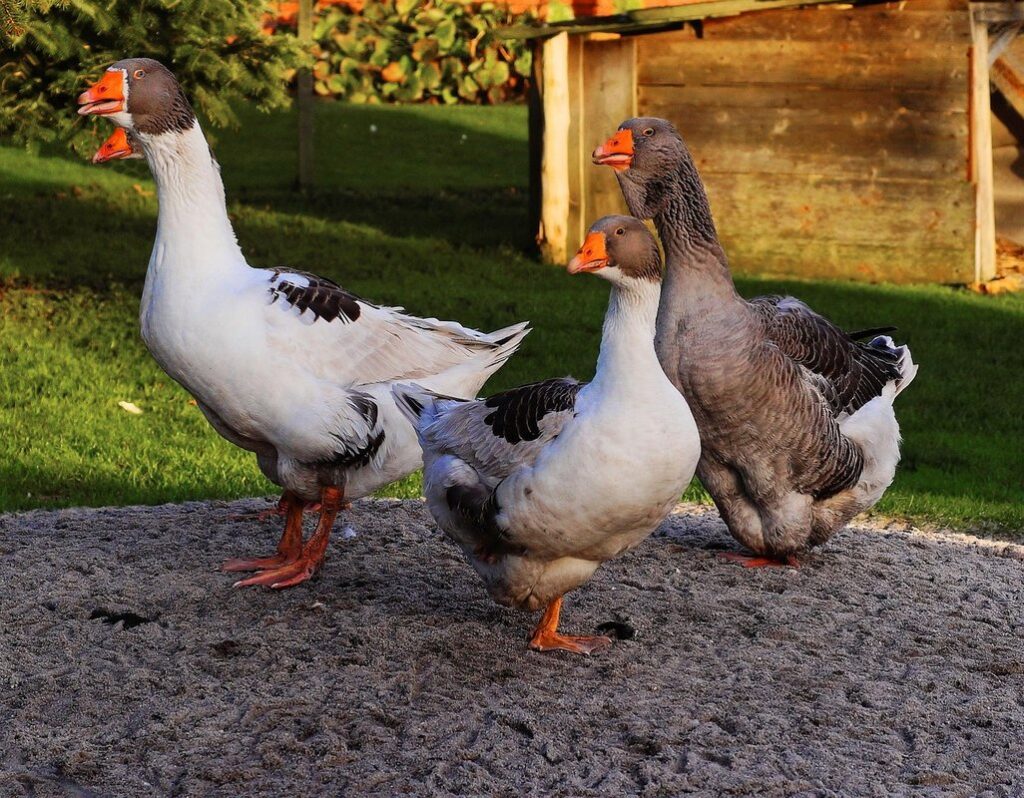
Introduction to Geese as Farm Guardians
You’re interested in learning more about geese as farm guardians, let’s start by exploring their unique characteristics and roles that make them effective protectors.
History of Using Geese in Agriculture
Geese have been used for centuries as natural guardians of farmland, providing an effective and low-maintenance solution to protecting crops from predators. The history of using geese in agriculture dates back to ancient civilizations, where they were highly valued for their ability to detect and deter threats.
In ancient Egypt, geese were employed to guard grain stores and fields from pests and wildlife. These early farmers recognized the value of geese as sentinels, and bred them specifically for their keen senses and aggressive behavior when threatened. Similarly, in medieval Europe, geese were used to protect farmyards and surrounding lands from foxes and other predators.
As agricultural practices evolved, so did the role of geese on farms. In the 18th century, farmers began using geese as a form of “natural pest control,” releasing them into fields to feed on insects and small pests that could damage crops. This early example of integrated pest management showcases the versatility and effectiveness of geese in maintaining farm health.
By understanding the historical use of geese in agriculture, we can appreciate their potential benefits as modern-day farm guardians.
Current Use of Geese in Modern Farms
Today, geese are still valued for their role on modern farms. Many farmers rely on these versatile birds to protect their crops from predators and pests. Geese can be used as guard animals, alerting owners to potential threats through their loud honking calls.
In addition to serving as sentinels, geese also contribute to farm ecosystems by eating weeds and insects that might otherwise damage crops. This dual function makes them a cost-effective solution for farmers looking to maintain healthy yields while reducing chemical use.
Some farms opt for free-range goose populations, allowing the birds to roam freely in designated areas. Others choose to keep them cooped up in enclosures, feeding them grains and monitoring their health. Whichever method is used, geese have proven themselves capable of performing multiple roles on modern farms.
By integrating geese into farm operations, farmers can reap a variety of benefits – from increased crop security to improved ecosystem balance.
Benefits of Geese as Farm Guardians
When it comes to protecting your farm from predators, geese are a surprisingly effective and low-maintenance solution. In the following points, we’ll explore their benefits in more detail.
Effective Predator Deterrents
When it comes to protecting crops from predators like foxes, coyotes, and birds of prey, geese prove to be an effective deterrent. Their loud honking calls can startle these animals, alerting them that the area is being watched. In fact, a study found that farms with geese saw a significant decrease in predation rates, with some farms reporting a 90% reduction.
But how do geese actually protect crops? For one, their vigilance allows them to spot potential threats from afar, giving farmers valuable time to respond and take action. Geese are also highly social animals that thrive on interaction, which makes them naturally aggressive towards predators trying to sneak onto the farm undetected. They will fiercely defend their territory and the people they’ve come to trust.
To maximize the protective benefits of geese, it’s essential to introduce them to your farm early on and give them time to settle in and become familiar with the area. With proper care and attention, these magnificent birds can serve as an effective first line of defense against predators, allowing you to focus on more critical aspects of farming.
Early Warning System for Insect Pests
One of the lesser-known benefits of having geese on your farm is their ability to serve as an early warning system for potential insect pest infestations. Geese are naturally inclined to alert their flock when they sense something unusual, and this instinct can be leveraged to protect your crops from pests.
When a goose detects an insect pest, it will often sound the alarm with loud honking or other vocalizations, alerting its fellow geese to potential danger. This behavior allows you to respond promptly to emerging issues, preventing infestations from becoming severe and reducing the need for chemical pesticides.
For example, if a goose notices aphids on your prized rose bushes, it will likely sound an alarm, giving you time to intervene before the pest population explodes. Similarly, geese can alert you to the presence of slugs, snails, or other damaging insects that might otherwise go undetected until significant damage has been done.
To make the most of this benefit, consider positioning your geese near areas where pests are most likely to occur, such as near fields or around orchards. With their keen senses and vigilant nature, geese can serve as a valuable asset in maintaining a pest-free farm ecosystem.
Potential Health Benefits
Having geese on your farm can have numerous benefits beyond just guarding against predators. Research has shown that geese can play a crucial role in disease prevention and stress reduction for livestock.
One of the primary ways geese contribute to disease prevention is by acting as sentinels. They are highly vigilant birds, alerting you to any potential threats or anomalies on your farm. This early warning system allows you to take swift action, reducing the risk of disease outbreaks. For example, a goose may sound an alarm if it spots signs of foxes or coyotes lurking around the farm.
In addition to disease prevention, geese can also help reduce stress levels for livestock. The presence of geese on your farm can create a sense of calm and security among animals, which is essential for maintaining their health and well-being. By introducing geese into your farming system, you may notice a decrease in stress-related behaviors such as pacing or feather pecking.
To maximize the health benefits of having geese on your farm, consider integrating them with other animal welfare strategies. This might include providing enrichment activities, rotating pastures, and implementing rotational grazing practices. By combining these approaches, you can create a harmonious and resilient farming ecosystem that supports both human and animal well-being.
Drawbacks and Challenges of Using Geese
While geese can be a valuable addition to your farm, there are also some potential downsides to consider when deciding whether to use them as guardians. Let’s take a closer look at the challenges involved.
Noise Pollution Concerns
For many farmers considering geese as farm guardians, one of the primary concerns is noise pollution. Geese are notorious for their loud honking calls, which can be a significant issue for nearby residents. The incessant honking can be disturbing, especially during peak breeding seasons or when geese feel threatened.
One of the main reasons geese make so much noise is to communicate with each other. They use vocalizations to alert others to potential threats, establish dominance, and even locate potential mates. However, this constant chatter can become overwhelming for those living nearby.
If you’re concerned about noise pollution from your geese, there are steps you can take to minimize the issue. First, consider the breed: some geese varieties, such as Embdens or Toulouse geese, tend to be quieter than others. You can also try providing a safe and secure enclosure to reduce stress and anxiety in your birds, which may lead to reduced vocalizations. Additionally, creating a designated “quiet zone” for your geese during peak noise hours might help alleviate the disturbance.
Habitat Requirements and Space Considerations
When considering geese as farm guardians, it’s essential to provide them with adequate space and habitat. Geese are social animals that require room to roam and interact with each other. A minimum of 1/4 acre per bird is recommended, but the ideal size will depend on factors such as breed, climate, and intended use.
In terms of shelter, geese need protection from harsh weather conditions, predators, and extreme temperatures. Providing a sturdy coop or barn with adequate ventilation is crucial. Ensure the enclosure is predator-proof to safeguard both your geese and other farm animals.
Water sources are also vital for geese, as they require access to clean drinking water and areas for bathing. Consider installing a pond or pool specifically designed for geese, taking into account their swimming needs and safety.
Foraging areas should be easily accessible and maintained to ensure the health and well-being of your geese. A mix of grasses, plants, and shrubs can provide essential nutrients, but avoid over-fertilizing to prevent environmental harm.
Keep in mind that geese are natural grazers, so they’ll require regular cleaning and maintenance of their surroundings to maintain a healthy ecosystem. By providing the right environment, you’ll create a happy and thriving flock that effectively protects your farm from potential threats.
Cost and Feasibility Considerations
When it comes to considering geese as farm guardians, one of the most significant drawbacks is the financial cost. Purchasing a flock of geese can be expensive, with prices ranging from $100 to $500 per bird, depending on breed and quality. Additionally, caring for geese requires a substantial investment in food, veterinary care, and infrastructure.
A single goose can eat up to 1-2 pounds of food per day, which translates to around $300-$600 per year, assuming an average cost of $3 per pound. Moreover, geese require regular veterinary check-ups and vaccinations, which can add up to another $200-$500 annually. Furthermore, you’ll need to build or modify existing enclosures to accommodate the geese’s needs, including providing adequate shelter, water sources, and fencing.
Before bringing geese onto your farm, it’s essential to consider these expenses carefully and ensure that they align with your overall business goals and budget. If you’re not prepared to make a significant investment in time and resources, geese may not be the best fit for your farm.
Best Practices for Raising Geese as Farm Guardians
To effectively use geese as farm guardians, it’s essential to establish a strong bond and clear boundaries, which we’ll explore in more detail below.
Choosing the Right Breed
When it comes to selecting the right breed of geese for farm guardian duties, there are several factors to consider. Size is a crucial consideration, as you’ll want a goose that’s large enough to intimidate potential predators but not so big that it becomes aggressive towards humans.
Temperament is also essential, as some breeds are naturally more aggressive or defensive than others. Look for breeds known for their friendly and curious nature, such as the Embden or Toulouse geese. These breeds tend to be less likely to attack unless provoked.
Adaptability is another key factor, especially if you live in an area with extreme weather conditions. For example, some breeds like the Chinese or African geese are more tolerant of heat and humidity, making them well-suited for warmer climates.
It’s also worth considering the space and living arrangements for your farm guardian geese. Some breeds require more space to roam than others, so make sure you have enough land to accommodate their needs. By choosing a breed that fits your specific situation and needs, you can ensure that your geese are effective and happy farm guardians.
Providing Adequate Care and Nutrition
To ensure that your geese are effective farm guardians, it’s essential to provide them with adequate care and nutrition. A well-fed goose is not only healthier but also more vigilant and alert, allowing them to perform their protective duties efficiently.
Start by providing a balanced diet that includes high-quality grains such as oats, barley, and wheat. Supplement this with fresh fruits and vegetables like apples, carrots, and leafy greens. Consider using a commercial geese feed as it is formulated specifically for these birds. Ensure access to clean drinking water at all times, changing the water frequently to prevent bacterial growth.
A safe and comfortable shelter is also vital. Provide a dry, draft-free area with adequate ventilation. Geese need space to move around, so ensure their enclosure is spacious enough. Consider adding a mud wallow or shallow pool for them to wade in, as this will help keep their feathers clean and healthy. Regular health checks should be conducted to monitor their overall well-being and detect any potential health issues early on.
Regular vaccinations and parasite control measures should also be implemented. A healthy goose is better equipped to defend your farm against predators, making them even more effective guardians.
Case Studies and Success Stories
Let’s take a closer look at how geese have been successfully used on farms to protect against predators, and what real-life experiences can teach us.
Examples of Effective Geese-Farm Partnerships
In various parts of the world, farmers have successfully integrated geese into their farm protection strategies. For instance, a poultry farmer in the United Kingdom reported significant reductions in fox and raccoon attacks after introducing a flock of geese to his property. The geese not only deterred predators but also provided early warning systems for potential threats.
In Australia, a sheep farm owner has been using geese as guard animals for over five years with impressive results. According to the owner, the geese are highly effective at detecting and chasing away dingoes, which had previously caused significant losses. The farmer attributes the success of his geese-farm partnership to careful selection of birds that were suitable for the farm’s specific needs.
These real-world examples demonstrate how geese can be valuable additions to a farm’s security measures when properly integrated into the ecosystem. By understanding their behavior and working with local breeders, farmers can establish effective partnerships between geese and other livestock to protect against predators and pests.
Lessons Learned and Recommendations
From our research, it’s clear that geese can be valuable additions to farm management strategies when integrated correctly. Successful partnerships between farmers and geese have shown significant reductions in pest control costs and improved crop yields.
One key takeaway from these partnerships is the importance of proper goose placement. Geese are naturally curious creatures and require a secure enclosure or designated grazing area to prevent them from escaping or causing damage to surrounding crops.
Another essential consideration is feeding and nutrition management for geese. Farmers who have seen success with geese as farm guardians typically provide a balanced diet that includes a mix of grains, fruits, and vegetables, supplemented with minerals and vitamins as needed.
Regular monitoring and maintenance are also crucial for a harmonious goose-farm relationship. This includes regular cleaning of enclosures, monitoring for signs of disease or injury in the geese, and making adjustments to feeding schedules as necessary.
By following these best practices, farmers can create mutually beneficial relationships between their operations and geese populations.
Conclusion
Now that we’ve weighed the pros and cons, it’s time to summarize our findings and bring a practical perspective to your decision-making process. Let’s look at what you can expect from using geese as farm guardians.
Recap of Geese as Farm Guardians Pros and Cons
When it comes to deciding whether geese are right for your farm as guardians, weighing their pros and cons is crucial. As we’ve discussed throughout this post, geese have a number of advantages that make them an attractive option for farmers.
One of the main benefits of using geese as farm guardians is their ability to detect predators and alert you to potential threats. With their keen sense of hearing and sight, they can quickly pick up on signs of danger and sound the alarm, giving you time to respond and protect your livestock. In fact, a study by the University of Wisconsin found that geese are highly effective at detecting coyotes, one of the most common predators on small farms.
Another advantage of using geese as farm guardians is their low maintenance requirements. Unlike dogs or other animals, geese don’t need extensive training or socialization to be effective guardians. They’re also relatively easy to care for and can thrive in a variety of environments.
However, there are also some limitations to consider when it comes to using geese as farm guardians. For example, they can be noisy and may disturb neighbors if not kept under control. Additionally, geese require regular exercise and may need space to roam in order to stay healthy and happy.
In terms of their effectiveness, the key is to choose geese that are specifically bred for guarding and have been socialized from an early age. By selecting birds with a strong instinct to alert and defend, you can maximize their potential as farm guardians. As one farmer noted, “Our geese have become like family members – they’re always watching out for us and the other animals.” With proper care and attention, geese can be a valuable addition to your farm’s security team.
Frequently Asked Questions
What are the ideal living conditions for geese as farm guardians?
Geese require a secure, dry, and well-ventilated shelter with adequate space to roam. A minimum of 2-3 square feet per bird is recommended, considering their social behavior and need for movement. The shelter should also provide protection from extreme weather conditions and predators.
How can I humanely deter geese from escaping or getting into trouble?
Using physical barriers like fencing or netting around the perimeter of your property can help prevent escape attempts. Additionally, providing a suitable enclosure with adequate ventilation and a secure entrance/exit point will minimize the risk of geese getting lost or injured.
What are some effective ways to manage noise pollution concerns from geese as farm guardians?
To mitigate noise pollution issues, consider the following strategies: separating the goose flock from neighboring properties using natural barriers like trees or hills; implementing noise-reducing measures such as sound-absorbing materials in the shelter; and communicating with nearby residents about your goose-keeping practices.
Can I train geese to alert me specifically to certain types of predators?
Yes, through consistent training and positive reinforcement, you can teach your geese to respond differently to various threats. For example, associating a specific sound or whistle with a predator alarm can help them differentiate between genuine threats and harmless animals.
How do I choose the right breed of geese for my farm’s specific needs?
When selecting a breed, consider factors such as climate adaptation, temperament, and egg-laying ability (if applicable). For example, White Chinese geese are well-suited for cold climates, while Embden geese excel in temperate regions. Researching local breeds can also ensure compatibility with your farm’s existing ecosystem.