
Are you considering adding some new feathered friends to your backyard, but not sure where to start with raising Golden Coturnix quails? Or perhaps you’ve already fallen in love with these stunning birds and want to learn more about how to care for them. Whatever your reason, this article is here to guide you through the ins and outs of keeping Golden Coturnix quails happy and healthy.
These charming birds have a rich history that spans thousands of years, originating from Southeast Asia and prized for their eggs and meat. But they’re not just valuable for their practical uses – with their striking golden coats and gentle disposition, it’s no wonder why many bird enthusiasts adore them. In this ultimate guide, we’ll delve into the unique needs of Golden Coturnix quails, including their habitat requirements, breeding practices, and more.
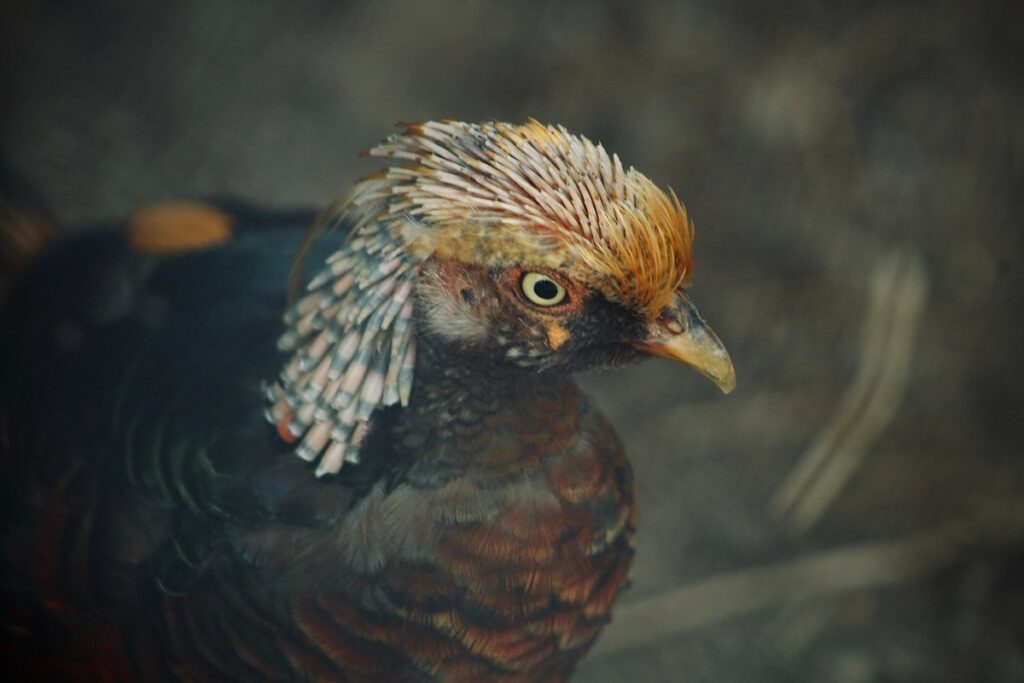
Origins and History
Let’s take a step back in time to explore where Golden Coturnix quail originated, tracing their fascinating history from ancient times to modern-day breeding. Their story is one of adaptation and resilience.
Evolutionary Background
The Golden Coturnix quail has its roots in the Old World, specifically in Africa and Europe. This species belongs to the Peralidæ family and is closely related to other popular breeds such as the Button Quail and the Japanese Quail. Its evolutionary history is deeply connected to that of other quails.
Genetic studies have shown that the Golden Coturnix quail shares a common ancestor with the Old World quails, which emerged around 20 million years ago during the Miocene epoch. This ancient lineage is believed to have given rise to various species, including the Phasianidae family, which comprises pheasants and partridges.
Interestingly, the Golden Coturnix quail’s physical characteristics, such as its distinctive golden-brown plumage and large size, set it apart from other Old World quails. Its unique appearance is likely a result of adaptation to its original habitat in Africa and Europe, where it evolved alongside other species.
As we delve into the history of the Golden Coturnix quail, it’s essential to understand its place within the broader context of quail evolution. By examining its ancestry and genetic relationships with other breeds, we can gain a deeper appreciation for this fascinating bird and better understand its characteristics and behaviors.
Early Domestication
The Golden Coturnix quail’s domestication story dates back to ancient times. While we can’t pinpoint an exact time frame, historical accounts suggest that these charming birds were first kept as pets and for their eggs in China over 2,000 years ago. It is believed that the Chinese bred them specifically for their unique characteristics, such as their striking golden feathers and friendly demeanor.
One of the earliest recorded mentions of quail domestication can be found in ancient Chinese texts, where they are described as being kept in enclosures and fed on grains. Breeders of the time prized these birds not only for their eggs but also for their delightful songs and entertaining behavior.
Interestingly, many breeders today still use traditional breeding methods to produce the Golden Coturnix quail’s distinctive traits. To get started with domesticating your own quails, research reputable breeders who prioritize using natural breeding techniques. Be prepared to invest time and patience in hand-raising your chicks from day-old, as this is crucial for developing their desired characteristics.
When choosing a breeding pair, select birds with the most desirable traits – including golden plumage and friendly disposition. With dedication and proper care, you too can be a part of preserving this unique species’ genetic heritage while enjoying the rewards of backyard quail-keeping.
Modern Breeding Programs
In recent years, modern breeding programs for the Golden Coturnix have become increasingly sophisticated. Breeders are now focusing on selectivity, striving to produce birds with exceptional characteristics such as vibrant plumage, robust health, and optimal egg-laying capacity. One key trend is the emphasis on linebreeding, where breeders isolate and emphasize specific genetic traits within their flocks.
This approach allows for more precise control over the breeding process, enabling breeders to concentrate on producing high-quality birds that meet their exacting standards. Another significant development is the use of advanced selection tools, such as pedigree analysis and genetic testing. These technologies enable breeders to make informed decisions about which birds to pair and when, maximizing the chances of successful breeding.
As a result, modern Golden Coturnix breeding programs are able to produce consistent, high-quality stock that meets the demands of serious hobbyists and commercial producers alike. By combining traditional knowledge with cutting-edge technology, breeders can create flocks that are not only stunning in appearance but also robust and productive.
Physical Characteristics
Let’s take a closer look at the physical characteristics that make golden coturnix quail so unique and beautiful birds. These small, plump birds have some impressive features to their appearance.
Plumage and Color Variations
The plumage of golden coturnix quail is one of their most striking features. Their feathers display a stunning array of colors and patterns, which can vary depending on several factors. The genetic makeup of the bird plays a significant role in determining its coloration. Some quails may have more pronounced golden hues, while others may exhibit subtle variations of gray or buff.
One of the most notable aspects of golden coturnix plumage is their ability to change colors with age. Young birds typically have a more subdued appearance than adults, which may display brighter, richer tones. This transformation can occur over time, and it’s not uncommon for breeders to wait several months before assessing the full color potential of a young quail.
Genetic diversity has led to the development of numerous color variations within the species. Breeders often select birds with desirable traits, such as solid golden feathers or intricate patterns, to refine their breeding programs. By understanding and managing these genetic factors, enthusiasts can cultivate exceptional plumage characteristics in their quails.
Size and Weight
When it comes to the Golden Coturnix quail’s physical characteristics, one of its most notable features is its size and weight. Compared to other popular quail breeds, the Golden Coturnix stands out as a relatively large bird.
On average, an adult Golden Coturnix quail weighs around 6-8 ounces (170-225 grams) with some males reaching up to 9 ounces (255 grams). In comparison, other popular quail breeds like the Button Quail and Japanese Quail typically weigh between 2-4 ounces (50-100 grams).
This larger size has significant implications for breeders. For example, Golden Coturnix require more space to roam, which means you’ll need a larger aviary or enclosure to accommodate them comfortably. Additionally, their increased weight can also impact the design of your coops and nesting boxes.
When breeding Golden Coturnix quail, it’s essential to consider these size and weight factors when selecting mates and designing your breeding program. This will help ensure that you’re providing optimal conditions for growth and fertility, ultimately leading to healthier and more productive birds.
Sexing and Identification
When it comes to sexing and identifying Golden Coturnix quails, it’s essential to understand their unique physical characteristics and behavioral cues. At around 6-8 weeks of age, you can start distinguishing between males and females.
One way to identify the sex is by examining the feather pattern on their backs. Males typically have a solid coloration with little to no white or buff markings, while females often display striking patterns and colors, including white or buff streaks along their back feathers. However, it’s not always easy to distinguish between the two based solely on plumage.
Behavioral cues can also be helpful in sexing Golden Coturnix quails. Males tend to be more aggressive and will frequently challenge each other for dominance, whereas females are generally more docile and less confrontational. Listen for distinctive sounds – males often make a softer, higher-pitched call compared to the deep, resonant sound produced by females.
When handling your Golden Coturnix quails, look for physical differences in the genital area, but be aware that this method may not be 100% reliable until they reach maturity (around 12-14 weeks).
Habitat and Care
To create a thriving environment for your golden coturnix quail, you’ll want to consider their specific habitat needs and learn how to provide proper care and attention.
Environmental Requirements
To provide a suitable environment for your Golden Coturnix quails, you’ll want to consider their natural habitat and adapt it to your local climate. These birds are native to Europe and Asia, where they thrive in temperate zones with mild winters and hot summers.
In terms of housing, Golden Coturnix quails require a spacious enclosure that allows for free movement. A minimum of 2-3 square feet per bird is recommended, but larger enclosures will give your quails ample room to roam and exercise. The enclosure should be well-ventilated to prevent ammonia buildup from the birds’ droppings.
The climate you live in will also impact the care of your Golden Coturnix quails. In hot climates, provide shade for your quails during peak sun hours, while in cold climates, ensure their enclosure is insulated and draft-free. A temperature range of 40°F to 80°F (4°C to 27°C) is ideal for these birds.
When creating an enclosure, consider the following: a solid bottom or mesh floor with adequate drainage, nesting boxes for breeding pairs, and hiding places such as plants or rocks to reduce stress. By replicating their natural habitat and adapting to your local climate, you’ll be well on your way to providing a happy and healthy environment for your Golden Coturnix quails.
Dietary Needs and Nutrition
When it comes to feeding your Golden Coturnix quail, understanding their dietary needs is crucial for maintaining their overall health and well-being. These birds are native to the grasslands of Asia and have evolved to thrive on a diet rich in grains, seeds, and insects.
In the wild, Golden Coturnix quail feed on a variety of foods including millet, oats, barley, and rice, as well as insects like beetles, ants, and crickets. To replicate their natural diet, you can offer a mix of commercial quail feed supplemented with fresh vegetables like leafy greens, carrots, and sweet potatoes.
However, overfeeding is a common mistake many new owners make, leading to obesity and related health issues in Golden Coturnix quails. A good rule of thumb is to provide 1-2 tablespoons of food per bird per day, depending on age and activity level. Fresh water should always be available, and you can add a calcium supplement to their diet to prevent egg binding.
By following these guidelines, you’ll be able to meet your Golden Coturnix quail’s nutritional needs while avoiding common health risks associated with overfeeding or malnutrition.
Health Considerations
Golden Coturnix quails are generally hardy birds and can thrive in captivity with proper care. However, like all living creatures, they can be susceptible to certain health issues. One common problem is respiratory infections, which can be caused by poor ventilation or exposure to disease-carrying birds.
To prevent these infections, it’s essential to maintain a clean and well-ventilated environment for your quails. This includes regular cage cleaning, disinfecting food and water dishes daily, and providing a balanced diet that includes a high-quality commercial quail feed along with fresh fruits and vegetables.
Early signs of respiratory infection include labored breathing, wheezing, or coughing. If you notice any of these symptoms in your Golden Coturnix, consult a veterinarian experienced in caring for quails as soon as possible. Treatment typically involves antibiotics and supportive care such as humidity therapy to help the bird recover from the infection.
Regular health checks can also help detect other issues early on, allowing for prompt treatment and minimizing the risk of long-term damage. By being proactive about your quail’s health and taking steps to prevent common problems, you can ensure they live a happy and healthy life in their new home.
Breeding and Raising
When it comes to raising healthy golden coturnix quail, breeding is a crucial aspect of their care. In this section, we’ll walk you through the basics of successful quail breeding and raising techniques.
Selective Breeding Practices
As you work to improve your Golden Coturnix quail flock, selective breeding practices can help you achieve specific goals. This process involves choosing individual birds with desirable traits and mating them to pass those characteristics on to their offspring.
When selecting for desirable traits, consider factors like egg size, color, or quality; feather pattern, length, or quality; and temperament. For instance, if you want quails that lay larger eggs, select females that consistently produce the biggest eggs and breed them with males known for robust fertility. Conversely, if you’re looking for more vibrant plumage, focus on birds with striking patterns or intense colors.
Genetic considerations are also crucial when selective breeding. Avoid inbreeding to prevent genetic disorders and ensure overall health. Instead, use a “three-generation” approach: select parents that are at least two generations removed from the original breeders. This method allows you to incorporate desirable traits while maintaining genetic diversity. Regularly monitor your flock’s overall health and adjust your selection criteria as needed to maintain a balanced gene pool.
Hatching and Chick Management
When it’s time to hatch your Golden Coturnix quail eggs, the process is just as crucial as raising the chicks themselves. To increase the chances of successful hatching and survival, you’ll want to pay close attention to incubation temperature and humidity levels.
A good quality incubator will maintain temperatures between 99°F (37°C) and 100°F (38°C), with a slight drop in temperature at the end of the incubation period. Humidity levels should be kept around 50-60% during the first 18 days, then increase to about 70% for the last few days before hatching. This balance is crucial in preventing dehydration and respiratory problems.
Once you notice pipping (the eggshell cracking), humidity levels can be adjusted slightly higher to facilitate easier breathing for the chick. A common mistake many breeders make is over- or under-hydrating their chicks, which can lead to a host of health issues.
To prevent this, ensure you’re monitoring temperature and humidity closely, and keep the incubator well-maintained with regular cleaning and calibration. If you’re new to breeding Golden Coturnix quail, consider investing in an incubation kit specifically designed for small species like yours – they’ll walk you through the process step-by-step.
Growth Stages and Developmental Milestones
As a Golden Coturnix quail breeder, it’s essential to understand the growth stages and developmental milestones of these young birds. This knowledge will help you provide the necessary care and nutrition for optimal health and development.
From hatch to 7-10 days old, the chicks are entirely dependent on their mother for warmth and nutrients. During this critical period, it’s crucial to maintain a consistent brooding temperature (around 90-95°F) and ensure adequate food and water for the hen. Once the chicks begin to venture out of the nest, you can introduce starter feed mixed with crumbles or powders specifically formulated for young quails.
Between 7-14 days old, growth accelerates rapidly, and nutritional requirements shift. Chicks require a diet rich in protein (20-25%) and calcium to support bone development. Be aware that sudden changes in temperature or nutrition can lead to stress-related issues like pasty butt or respiratory infections.
As quails approach 4-6 weeks of age, they begin to transition from starter feed to grower pellets. During this period, their nutritional needs remain high, but you can gradually introduce more whole foods like grains and vegetables to promote gut health. Always provide fresh water and monitor your quail’s overall health, watching for signs of disease or discomfort.
Keep in mind that growth rates may vary depending on factors such as breed quality, nutrition, and environmental conditions. Monitor your quails’ progress closely, and adjust their care accordingly to ensure a healthy and thriving flock.
Behavior and Handling
When it comes to caring for your golden coturnix quail, understanding their behavior and handling is crucial to building a strong bond and creating a harmonious home environment. This section will walk you through some essential tips on how to handle them gently and safely.
Temperament and Trainability
Golden Coturnix quail are known for their lively and social nature, which can make them a delight to handle and care for. However, their temperament can also present some unique challenges. These birds are naturally curious and love to explore their surroundings, so they may require more attention and interaction than other types of quail.
One key aspect to consider when handling Golden Coturnix quail is their strong instinct to fly. They have a natural fear of being caught or restrained, which can make them resistant to training. To overcome this, it’s essential to start with gentle and gradual handling from an early age. Begin by letting them get accustomed to your presence and touch, then gradually introduce handling exercises such as picking them up and placing them on your hand.
When training Golden Coturnix quail, be patient and consistent. Use positive reinforcement techniques like offering treats or rewards for desired behavior. With time and effort, you can develop a strong bond with these birds and enjoy their company in the palm of your hand.
Social Structure and Interaction
Golden Coturnix quails are social creatures that thrive in groups, and understanding their social structure is crucial for maintaining a harmonious flock. In the wild, these birds live in small family units, with a dominant male leading the group.
When keeping Golden Coturnix quails as pets, it’s essential to replicate this natural social hierarchy. A pecking order will form within your flock, with some individuals asserting dominance over others. However, with proper introduction and management, you can minimize stress and aggression. To establish a harmonious flock, introduce new birds gradually, allowing them to get used to each other’s presence and scent.
Monitor the behavior of your quails closely, identifying any signs of stress or bullying. Remove any aggressive birds from the group or provide separate housing for individuals that don’t mesh well with others. Ensure adequate space and enrichment activities to keep your quails engaged and stimulated. By understanding and respecting their social needs, you can create a happy and thriving community in your backyard flock.
Safety Precautions
When handling Golden Coturnix quail, it’s essential to exercise caution due to their small size and potential escape risks. These tiny birds are a delight to handle, but they can easily slip through fingers, causing them to fly away or get injured.
One of the primary concerns with Golden Coturnix quail is their ability to squeeze through tiny openings. If you’re not careful, they might escape from their enclosures, which could lead to stress for both the bird and yourself as you try to catch it. To prevent this, ensure that all enclosure doors and vents are securely shut before handling your quail.
Additionally, be mindful of their fragile bones. While Golden Coturnix quail are generally hardy birds, they can still suffer injuries if handled roughly or dropped from a height. Handle them gently, supporting their body and keeping them secure in one hand. If you must pick up the quail with both hands, place your thumbs on either side of their body for support.
Remember to always supervise young children when handling Golden Coturnix quail, as they may not be aware of the bird’s fragility or potential escape risks.
Frequently Asked Questions
Can I start raising Golden Coturnix quails without prior experience with birds?
Yes, while it’s helpful to have some knowledge of bird care, many people successfully raise Golden Coturnix quails as their first pet birds. With proper research and guidance, you can provide the necessary environment and care for these charming birds.
How do I sex my Golden Coturnix quails, especially at a young age?
Sexing Golden Coturnix quails can be challenging, even for experienced breeders. Look for subtle differences in size, coloration, or behavior between males and females. In some cases, DNA sexing may be necessary to determine the sex of your birds accurately.
Can I keep Golden Coturnix quails in a backyard coop with other types of birds?
While it’s possible to keep different bird species together, introducing Golden Coturnix quails to an existing flock requires caution. Research compatibility and observe the behavior of all birds before integrating new members into your flock.
What are some common health issues to watch out for when raising Golden Coturnix quails?
Regularly monitor your birds for signs of respiratory problems, mites, or parasites. Provide a clean, well-ventilated environment and maintain good hygiene practices to prevent these common health issues. Regular veterinary check-ups can also help identify potential problems early on.
Can I raise Golden Coturnix quails in an urban setting with limited space?
While Golden Coturnix quails require some space to move around, they are adaptable to smaller enclosures if properly maintained. However, consider factors like noise levels, local regulations, and the ability to provide adequate ventilation before raising these birds in a confined urban area.