
If you’re an avid poultry enthusiast or just starting out, chances are you’ve come across the majestic Golden Laced Wyandotte rooster. With their stunning golden laced feathers and impressive size, it’s no wonder why this breed has captivated many backyard chicken keepers. But what makes them so special? Their rich history, unique physical characteristics, and exceptional temperament set them apart from other breeds.
As you’re considering adding a Golden Laced Wyandotte rooster to your flock or poultry project, you’ll want to know the ins and outs of raising and caring for this stunning bird. Our comprehensive guide will walk you through everything you need to know about their breed history, physical characteristics, temperament, and care requirements. Whether you’re looking to raise, show, or breed Golden Laced Wyandottes, our expert advice will help you achieve success with your poultry project.
Characteristics and Origins
Let’s dive deeper into the fascinating world of Golden Laced Wyandotte roosters, examining their unique characteristics and tracing their origins back to their American heritage.
Breed History and Development
The Golden Laced Wyandotte breed has its roots in the United States, developed from the Dutch Windmill fowl that arrived in America during the 19th century. One of the pioneering breeders who played a significant role in shaping this breed is William Cook, an American poultry breeder and exhibitor. His relentless efforts to create a stunning dual-purpose bird led him to develop the Golden Laced Wyandotte rooster.
The breed’s development spanned several decades, with breeders focusing on its striking golden lacing pattern, temperament, and impressive size. By combining the Dutch Windmill fowl with other breeds like the Cochin and Brahma, breeders were able to create a robust bird capable of producing high-quality eggs while also being suitable for meat production.
The Golden Laced Wyandotte rooster was officially recognized by the American Poultry Association (APA) in 1885. Since then, it has gained immense popularity among backyard chicken keepers and poultry enthusiasts due to its unique appearance, friendly nature, and adaptability. If you’re considering adding this majestic breed to your flock, make sure to research reputable breeders who have maintained the breed’s integrity over generations.
Physical Characteristics
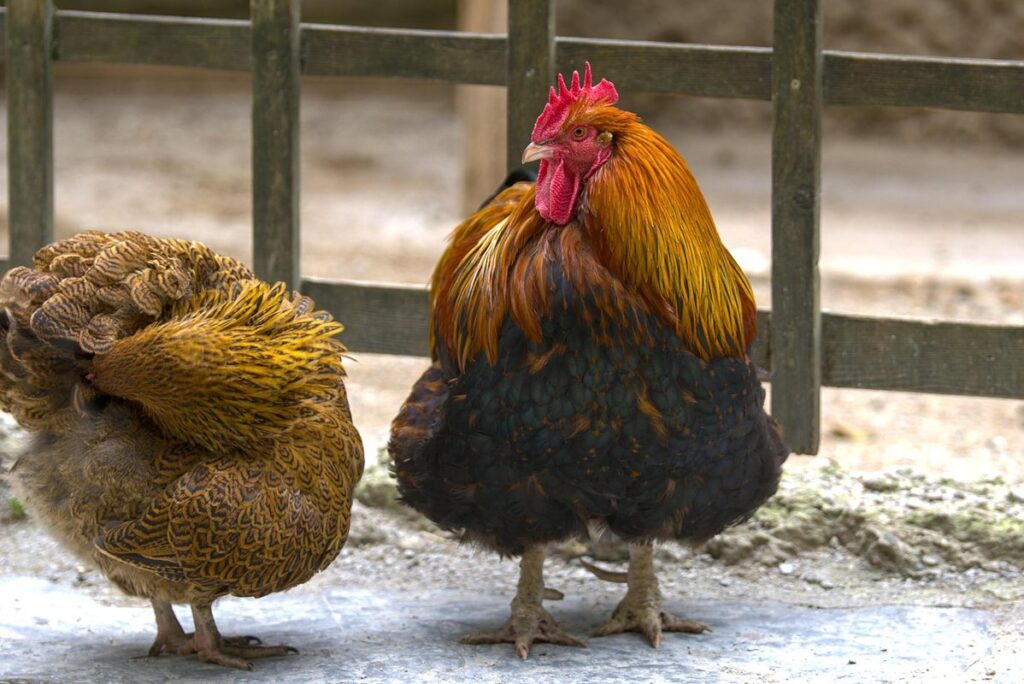
When it comes to the physical characteristics of the Golden Laced Wyandotte rooster, you’ll notice a striking combination of beauty and functionality. One of the most distinctive features of this breed is its plumage, which boasts a stunning golden lacing pattern on a white background. The feathers are long and flowing, with a subtle sheen that catches the light. This unique coloration gives the Golden Laced Wyandotte rooster an unmistakable appearance that’s sure to turn heads in any backyard flock.
In addition to its show-stopping plumage, the Golden Laced Wyandotte rooster also sports a large, single comb and long, curved wattle. The comb is a vibrant red color and is held high on the head, giving the bird an alert and intelligent appearance. The wattle, which hangs below the beak, is equally impressive and helps to regulate the bird’s body temperature.
In terms of size, the Golden Laced Wyandotte rooster typically weighs between 9-10 pounds (4-5 kg) and stands approximately 27 inches (69 cm) tall at the shoulder. These dimensions make them a sturdy and imposing presence in any flock, but also require careful consideration when it comes to housing and feed management.
Temperament and Personality
When it comes to temperament and personality, Golden Laced Wyandotte roosters are renowned for their unique characteristics. Known for being friendly, docile, and affectionate, they make excellent companions for backyard flocks and first-time chicken keepers. Their calm demeanor allows them to thrive in a variety of settings, from small urban spaces to larger rural areas.
In terms of interaction with humans, Golden Laced Wyandottes are often described as “lap chickens.” They adore human attention and will frequently seek out pats, scratches, and treats. However, it’s essential to establish early boundaries and respect their space when they’re not in the mood for affection.
When paired with other birds, Golden Laced Wyandottes generally get along well, especially if socialized from a young age. They can be quite dominant, but this is often balanced by their friendly nature. By providing a suitable environment and adequate attention, you can develop a long-lasting bond with your Golden Laced Wyandotte rooster and enjoy the rewards of responsible chicken ownership.
Raising and Caring for a Golden Laced Wyandotte Rooster
Raising a golden laced wyandotte rooster from chick to adult requires careful attention to diet, environment, and socialization. Learn how to provide your rooster with the best possible start in life.
Housing and Environment
When it comes to raising and caring for a Golden Laced Wyandotte rooster, providing a suitable environment is crucial. A well-designed coop that meets the bird’s specific needs will ensure its health, happiness, and overall well-being.
Firstly, let’s talk about coop size. The Golden Laced Wyandotte rooster requires sufficient space to move around comfortably. Aim for a minimum of 3-4 square feet of floor space per bird, with additional space for perches, nesting boxes, and feeders. A larger coop is always better than a smaller one, as it will reduce stress and promote a healthy lifestyle.
Ventilation is another vital aspect of the Golden Laced Wyandotte rooster’s environment. Proper airflow helps maintain a clean and dry atmosphere, preventing respiratory issues and diseases. Ensure your coop has adequate windows, vents, or fans to circulate air and keep the space fresh.
In addition to housing and ventilation, enrichment activities play a significant role in keeping your Golden Laced Wyandotte rooster engaged and stimulated. Provide toys, scratching posts, and treats to encourage foraging, climbing, and exercise. Rotate these items regularly to prevent boredom and promote mental health.
To give you a better idea of what to expect, consider the following example: A typical backyard coop with 3-4 Golden Laced Wyandotte roosters would require at least 12-16 square feet of floor space, with ample perches, nesting boxes, and feeders. This will provide each bird with around 4-5 square feet of personal space, promoting a relaxed and stress-free environment.
By understanding and meeting the specific housing requirements for your Golden Laced Wyandotte rooster, you’ll be well on your way to raising happy and healthy birds.
Nutrition and Diet
When it comes to feeding your Golden Laced Wyandotte rooster, providing a balanced diet is crucial for its overall health and well-being. These birds require a high-quality feed that meets their nutritional needs.
A layer or starter-grower feed is ideal for Golden Laced Wyandottes, as they are primarily egg-layers. However, if you plan to breed your rooster, you may want to consider a breeder’s mash or a specialized laying hen feed with extra protein and calcium. It’s essential to follow the manufacturer’s guidelines for feeding amounts to avoid overfeeding.
To supplement their diet, you can provide fresh fruits, vegetables, and grains such as oats, barley, and wheat. Dark leafy greens like kale and spinach are excellent sources of calcium and vitamins A and E. Avoid giving them avocado, onion, or garlic as these can be toxic to chickens.
In addition to providing a balanced commercial feed, consider adding oyster shells or crushed eggshells as a source of calcium for strong eggshell production and overall bone health.
Health Considerations
As a responsible rooster owner, it’s essential to be aware of the potential health issues that can affect your Golden Laced Wyandotte rooster. One common problem is respiratory issues, which can be caused by dust, mold, or drafty environments. To prevent this, make sure your coop has good ventilation and is kept clean.
Another issue that may arise is obesity, particularly if your rooster is overfed. A balanced diet is crucial to maintaining a healthy weight, so ensure you’re not overfeeding him. A daily egg-laying hen’s feed can be suitable for roosters as well, but it’s recommended to supplement their diet with fruits and vegetables.
Regular check-ups by a veterinarian are also vital in detecting any potential health problems early on. Keep an eye out for signs of illness, such as labored breathing, drooping wings, or loss of appetite. A healthy lifestyle, including regular exercise and social interaction, will contribute significantly to the longevity of your Golden Laced Wyandotte rooster.
Consider setting up a dust bath area in your coop, which can help reduce stress on their respiratory system. By taking these preventative measures, you’ll be able to enjoy a long and happy relationship with your rooster.
Breeding and Egg Production
If you’re interested in raising Golden Laced Wyandotte roosters, understanding their breeding habits and egg production is crucial for a healthy flock. This section will delve into these essential topics.
Breeding Program Requirements
When it comes to breeding Golden Laced Wyandotte roosters, several key requirements must be met to ensure the health and quality of future generations. One crucial aspect is maintaining genetic diversity within the flock. This can be achieved by introducing new bloodlines or incorporating roosters from other breeds into the breeding program.
Aim for a minimum of 20-30% heterozygosity, which means at least 20-30% of the rooster’s genes are different from those of its parents. You can achieve this by carefully selecting roosters with unique characteristics or ancestry. For example, you might introduce a Golden Laced Wyandotte rooster from a renowned breeder to add fresh genetic material.
Proper management practices also play a significant role in breeding high-quality Golden Laced Wyandotte roosters. This includes maintaining a clean and healthy coop environment, providing adequate nutrition and space for your birds, and monitoring their health closely. By focusing on these essential requirements, you can build a strong foundation for a successful breeding program that produces exceptional Golden Laced Wyandotte roosters.
Egg Characteristics
When it comes to egg production, Golden Laced Wyandotte hens are known for laying large, brown eggs with excellent shell quality. On average, you can expect each hen to lay around 200-220 brown eggs per year, making them a great choice for backyard flocks and small-scale farms. The size of the eggs is also impressive, ranging from extra-large to jumbo in size.
One of the notable characteristics of Golden Laced Wyandotte eggs is their high fertility rate. This is due in part to the breed’s reputation for being healthy and free from many genetic disorders that can affect fertility. In fact, studies have shown that Golden Laced Wyandottes have a higher fertility rate than many other popular breeds.
In terms of shell quality, you can expect Golden Laced Wyandotte eggs to have strong, clean shells with minimal imperfections. This is thanks in part to the breed’s robust constitution and ability to thrive in a variety of environments. Overall, if you’re looking for a breed that will give you plenty of delicious, high-quality eggs, the Golden Laced Wyandotte is an excellent choice.
Showing and Exhibition
When it comes to showing off your golden laced Wyandotte rooster, there are several key factors to consider, from breed standards to exhibition rules. We’ll break them down for you in this section.
Preparation and Training
To prepare your Golden Laced Wyandotte rooster for showing and exhibition, it’s essential to focus on its handling, grooming, and behavior. Handling is a critical aspect of training, as it helps the bird become comfortable with human interaction and reduces stress levels.
When handling your rooster, make sure to support its wings and tail feathers gently, as these areas are sensitive. Practice lifting and carrying the bird securely to help it get accustomed to being handled. Spend time each day stroking and petting your rooster’s plumage, paying particular attention to its golden lacing.
Grooming is also crucial for a Golden Laced Wyandotte rooster. Regularly inspect and clean its beak, nails, and vent area to prevent health issues. Keep its living quarters clean and well-ventilated, ensuring good air circulation around the coop.
Behavioral training is equally important for show birds. Teach your rooster to walk calmly on a leash or in a pen, and avoid sudden movements that may frighten it. Reward calm behavior with treats and praise, gradually increasing exposure to new environments and situations.
Show Rules and Regulations
When participating in poultry shows with your Golden Laced Wyandotte Rooster, it’s essential to understand the rules and regulations governing these events. Breed standards are a crucial aspect of judging criteria, outlining the characteristics that define this specific breed. The American Poultry Association (APA) sets the standard for the Golden Laced Wyandotte Rooster, emphasizing key features such as feather quality, shape, and color.
Judging criteria often include factors like overall appearance, balance, and movement. However, in poultry shows, the focus is primarily on visual characteristics rather than behavior or temperament. Competitions are usually held according to specific formats, such as group classes, breed classes, or even “best of show” competitions. It’s vital to familiarize yourself with these formats to ensure your rooster receives fair judging.
In terms of preparation, make sure your Golden Laced Wyandotte Rooster is clean, well-groomed, and healthy before the event. Additionally, consult with experienced breeders or judges to better understand what to expect during the competition. By being aware of these rules and regulations, you can navigate the world of poultry shows with confidence and give your rooster the best possible chance to shine.
Conclusion
In conclusion, the Golden Laced Wyandotte rooster is an impressive addition to any backyard flock. If you’re considering bringing one home, remember that they require a balanced diet and regular exercise to stay healthy and happy. Make sure to provide them with plenty of space to roam and interact with their flock members.
As you’ve learned throughout this guide, Golden Laced Wyandottes are known for their friendly and docile nature, making them an excellent choice for families or novice chicken keepers. With proper care and attention, they can thrive in a variety of settings, from small backyards to larger farms. By following the tips and advice outlined in this comprehensive guide, you’ll be well on your way to creating a harmonious and happy home for your new feathered friend.
Frequently Asked Questions
What are the ideal living conditions for a Golden Laced Wyandotte rooster, and how can I ensure they thrive?
To provide optimal living conditions, ensure your rooster has enough space to move around (around 4-5 square feet per bird) and adequate ventilation. A dry, well-drained area with shade is also essential. Regular cleaning of the coop and run will prevent health issues. Consider providing a dust bath area for your rooster to keep their feathers healthy.
Can I mix Golden Laced Wyandotte roosters with other breeds, or do they require separate housing?
Golden Laced Wyandottes can be mixed with other breeds, but it’s crucial to introduce them slowly and under close supervision. Separate housing may be necessary for aggressive birds or if you’re experiencing breeding issues. Monitor your flock’s dynamics and adjust as needed to maintain harmony.
How often should I check on my Golden Laced Wyandotte rooster’s health, and what are the common health concerns?
Regular checks (at least once a week) will help detect potential health issues early on. Common concerns include respiratory problems, Marek’s disease, and external parasites. Monitor your bird’s appetite, droppings, and overall behavior for any signs of illness.
Can I use automated feeders or waterers for my Golden Laced Wyandotte rooster, or do they require manual filling?
Automated feeders and waterers can be used, but ensure they’re designed for large fowl and are easily cleaned. Manual filling is recommended during extreme weather conditions or if you notice issues with the equipment.
How long does it take to train a Golden Laced Wyandotte rooster to follow commands and exhibit desired behavior?
Training time varies depending on individual birds, but generally, it takes several weeks to months of consistent training and positive reinforcement. Be patient, as some birds may require more attention than others. Use clear commands, rewards, and patience to encourage good behavior.