
If you’re anything like me, there’s nothing quite like cracking open an egg from your backyard chicken coop to find that perfect shade of golden goodness inside. But have you ever stopped to think about why Golden Wyandotte eggs are so uniquely colored? As it turns out, the intensity and consistency of these eggs’ hue depend on a combination of genetic factors, diet, and overall health of your hens. In this article, we’ll dive into what makes Golden Wyandottes special when it comes to laying golden eggs – and provide you with some expert tips on how to care for your girls and promote healthy laying habits. Whether you’re a seasoned backyard chicken enthusiast or just starting out, this post is packed with practical advice to help you get the most beautiful, delicious eggs from your flock.
What Are Golden Wyandotte Chickens?
Let’s dive into what makes these stunning birds so unique, starting with their fascinating history and characteristics.
Origin and History of the Breed
The Golden Wyandotte breed has its roots in North America, specifically in the United States and Canada. Developed in the late 19th century, this breed was created by crossing various breeds such as the White Wyandotte, Golden Spangled Hamburg, and probably the Partridge Cochin or others with a good amount of gold on them.
The result was a stunning bird with a vibrant golden coat and striking feather patterns. Initially bred for its beauty, the Golden Wyandotte soon gained popularity among backyard farmers due to its excellent egg-laying abilities. The breed’s early characteristics made it an ideal choice for small-scale farming operations, where it would provide a steady supply of eggs.
One of the key factors that contributed to the Golden Wyandotte’s development was the demand for dual-purpose birds – those that could provide both meat and eggs. This requirement led to the selection of breeds with desirable traits, such as hardiness, fertility, and egg-laying capacity. As a result, the Golden Wyandotte emerged as a popular breed among farmers and enthusiasts alike.
Physical Characteristics of Golden Wyandottes
Golden Wyandottes are known for their stunning physical appearance, which makes them a favorite among backyard chicken enthusiasts. One of the most distinctive features of this breed is their beautiful plumage, characterized by golden-brown feathers with a hint of red and orange undertones. The males have a striking gold color on their heads, necks, and backs, while the females have a more subdued but equally attractive golden coat.
When it comes to size, Golden Wyandottes are considered medium-sized chickens, weighing between 7-10 pounds (3-4.5 kg) and standing about 20 inches (50 cm) tall. They are also known for their impressive comb size, which is typically red or reddish-pink in color. One of the unique features of Golden Wyandottes is their pea comb, which makes them relatively heat-tolerant compared to other breeds.
In terms of body type, Golden Wyandottes have a sturdy build and are well-suited for free-ranging due to their energetic and curious nature. Their broad chests and strong legs make them capable of handling rough terrain with ease. Overall, the physical characteristics of Golden Wyandottes make them a stunning addition to any backyard flock.
Understanding Egg Color in Chickens
When it comes to egg color, there are several factors that can influence its shade and tone. Let’s explore how these variables play a role.
The Science Behind Eggshell Pigmentation
Eggshell pigmentation is determined by two main factors: genetics and environmental influences. The genetic component is responsible for producing the initial color, which can range from pale cream to deep brown. This genetic code is passed down from a chicken’s parents, making breed characteristics like the golden Wyandotte’s egg color relatively consistent.
In addition to genetics, environmental factors also play a role in determining the final eggshell color. The production of pigment is dependent on the availability of certain nutrients and substances within the hen’s body. For example, riboflavin (vitamin B2) helps produce brown pigments, while xanthophylls contribute yellow tones.
Chickens with high-quality feed, adequate light, and optimal living conditions will typically lay eggs with vibrant colors. Conversely, deficiencies in these essential elements can result in less saturated eggshell pigmentation. Understanding the interplay between genetics and environmental factors provides valuable insights for chicken keepers aiming to produce healthy hens that lay well-colored eggs. By recognizing the importance of a balanced diet and proper living conditions, breeders and enthusiasts can maximize the golden Wyandotte’s signature egg color.
Factors Influencing Eggshell Color Intensity
When it comes to the unique golden wyandotte egg color, you might wonder what factors contribute to its intensity. Well, let’s crack open this topic and explore the key influencers.
Diet plays a significant role in determining the eggshell color intensity. For instance, if your hens are fed a diet rich in marigold petals or alfalfa meal, it can enhance the golden hue of their eggs. On the other hand, a lack of these pigments may result in less vibrant colors.
The health and age of your chickens also impact the eggshell color intensity. For example, if your hens are stressed due to poor living conditions or inadequate nutrition, it may affect the quality and intensity of their eggshell colors.
Another critical factor is the hen’s age. Younger hens tend to lay eggs with more intense colors than older ones. This is because as chickens mature, their egg-laying abilities decline, and the color intensity often decreases accordingly.
Golden Wyandotte Egg Color: What to Expect
Now that we’ve covered the basics of golden wyandotte eggs, let’s dive into what you can expect when it comes to their unique and beautiful egg color.
Eggshell Color Range in Golden Wyandottes
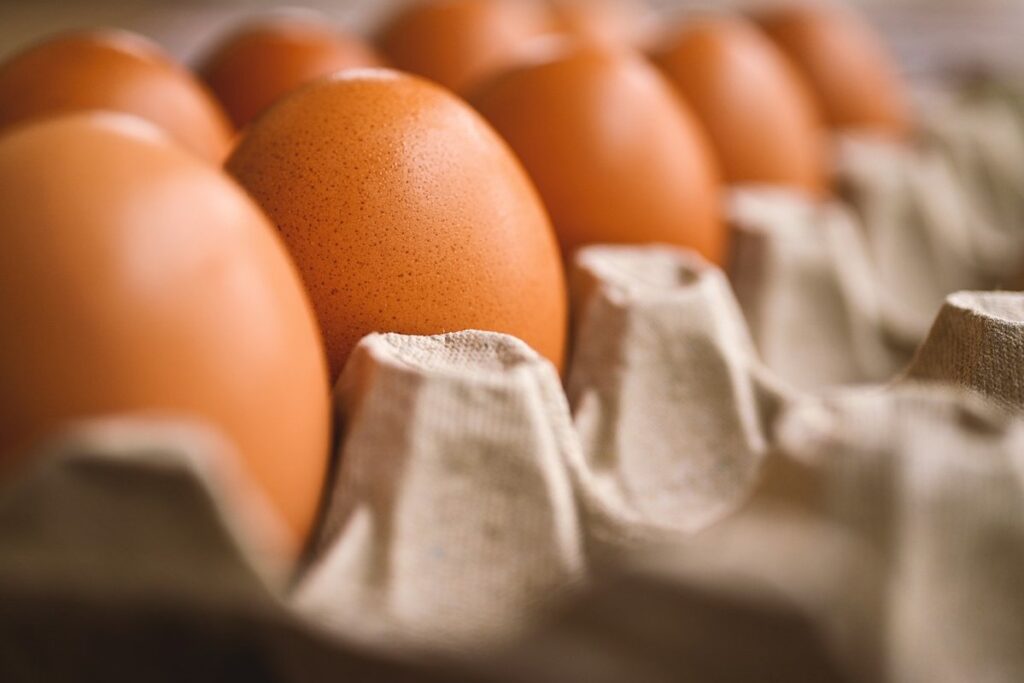
When it comes to Golden Wyandottes, their eggshell color is as stunning as they are. The typical eggshell color range for these magnificent birds is a beautiful shade of cream to light brown, often with a subtle sheen to them. However, just like their feathered coats, the eggshell colors can vary slightly from one hen to another.
In general, Golden Wyandotte eggs tend to fall into three main categories: pale cream, medium light brown, and dark brown. While some hens may lay eggs that lean more towards a pale cream color, others might produce eggs with a deeper, richer tone. It’s not uncommon for Golden Wyandottes to have variations in eggshell color within the same flock.
One thing to keep in mind is that factors such as diet, age of the hen, and even the time of year can influence the color and consistency of your Golden Wyandotte eggs. To minimize any potential effects on eggshell quality, make sure your hens are receiving a balanced and nutritious diet rich in calcium and other essential nutrients.
In some rare cases, you might notice slight inconsistencies or irregularities in the eggshell texture or color. If this happens, it’s likely due to an underlying health issue with the hen rather than a genetic trait specific to Golden Wyandottes.
Factors Affecting Egg Color Consistency
When collecting eggs from your Golden Wyandotte flock, you may notice that their color can vary from egg to egg. This is not unusual and can be influenced by several factors. One significant factor affecting egg color consistency is the diet of your hens. A balanced diet rich in fruits, vegetables, and grains will result in more vibrant and consistent eggshell colors.
However, if your hens are not receiving adequate nutrients, their eggs may appear dull or pale. For example, a lack of calcium can lead to weak and brittle eggshells, while inadequate vitamin D3 can cause the pigment responsible for brown pigmentation to break down. Ensuring that your Golden Wyandotte’s diet is well-rounded will help promote consistent egg color.
Another factor affecting egg color consistency is breed purity. If you’ve cross-bred your Golden Wyandottes with other breeds or introduced new birds into the flock, it may disrupt their egg-laying patterns and affect the color of their eggs. Regularly monitoring your flock’s diet and genetic makeup will help you identify any potential issues.
Health can also play a significant role in determining eggshell color consistency. Chickens that are under stress or have underlying health conditions may produce eggs with irregular colors or inconsistent quality. By maintaining a clean, safe, and healthy environment for your Golden Wyandottes, you’ll be promoting overall well-being and more consistent egg-laying habits.
By controlling these factors, you can enjoy the unique golden color of your Golden Wyandotte’s eggs while minimizing any variability in their appearance.
Caring for Golden Wyandotte Hens to Promote Healthy Egg Laying
To keep your Golden Wyandottes healthy and productive layers, it’s essential to provide them with a nutritious diet and optimal living conditions. A well-cared-for flock will reward you with plenty of delicious eggs!
Nutrition and Diet for Optimal Egg Production
Providing your Golden Wyandottes with a balanced diet is crucial for optimal egg production. A well-fed hen will not only produce eggs more frequently but also ensure their quality and color are maintained. The Golden Wyandotte’s unique eggshell color is a result of the pigments present in their diet, so it’s essential to provide them with nutrient-rich food.
Forage-based diets have proven effective for promoting healthy egg laying in chickens. Consider introducing leafy greens like kale or spinach into your hens’ meals. You can also add fruits like berries or melons to provide essential vitamins and minerals. Ensure they always have access to fresh water, as dehydration can lead to reduced egg production.
In addition to a balanced diet, consider adding supplements specifically designed for laying hens. These can include calcium and protein-rich foods that support strong eggshell formation and overall health. Aim to spend around 1/4 of your flock’s daily budget on high-quality feed that meets their nutritional needs. With the right combination of nutrients, you should notice a significant improvement in egg quality and quantity within a few weeks.
Environmental Factors Affecting Egg Quality and Color
A healthy environment is crucial for Golden Wyandotte hens to produce high-quality eggs with that distinctive golden color. Lighting plays a significant role, as hens require adequate daylight hours to synthesize vitamin D3, essential for calcium absorption and eggshell production. Ensure your coop receives natural light, but also consider supplemental lighting during winter months when days are shorter.
Temperature is another vital factor, as extreme temperatures can stress the birds and impact their ability to lay eggs. A comfortable range of 40°F to 80°F (4°C to 27°C) is ideal for Golden Wyandottes. Make sure your coop is well-ventilated to maintain a healthy temperature.
Hygiene is also essential, as dirty conditions can lead to health issues that affect egg quality. Keep the coop clean by removing soiled bedding and adding fresh material regularly. Regularly inspect the coop for signs of pests or disease, and address any issues promptly. By providing your Golden Wyandottes with a healthy environment, you’ll be rewarded with eggs that are not only beautiful but also nutritious and delicious.
Tips for Breeding Golden Wyandottes with Desired Egg Characteristics
When breeding Golden Wyandottes, you may want to focus on specific egg characteristics, and achieving your desired results requires careful consideration of several factors. Here’s how to get started with planning for the perfect eggs.
Selective Breeding Strategies for Golden Wyandottes
When breeding Golden Wyandottes for desired egg characteristics, it’s essential to understand the importance of selective breeding strategies. By focusing on specific traits, you can enhance the overall quality and appearance of your flock’s eggs.
To achieve your desired outcomes, start by identifying the key characteristics you want to focus on, such as egg size, shape, or color intensity. For Golden Wyandottes, it’s common to prioritize egg color, as their distinctive golden hue is one of their most defining features. Consider implementing a breeding program that emphasizes the production of eggs with uniform, deep golden colors.
To achieve this, you can use the following selective breeding strategies:
* Select parents with high-quality, consistently colored eggs and breed them together
* Monitor and record egg color data to track progress over generations
* Introduce new bloodlines that exhibit desirable traits, such as increased egg size or improved shell texture
Remember to balance your focus on desired characteristics with the overall health and well-being of your flock.
Genetic Considerations in Golden Wyandotte Breeding Programs
When breeding Golden Wyandottes for their distinctive egg color, it’s essential to consider the genetic factors at play. Maintaining breed purity is crucial to ensure that your birds consistently lay eggs with the characteristic golden hue.
Golden Wyandottes are a rare and unique breed, and as such, their genetics can be quite complex. To produce consistent results, it’s vital to work with purebred lines that have been developed for their egg-laying qualities. This means selecting parents that are true to type and have demonstrated excellent egg color characteristics in previous generations.
To increase the chances of producing eggs with the desired golden color, it’s essential to understand the genetic principles involved. For example, the genetics behind Golden Wyandotte egg color is polygenic, meaning it’s influenced by multiple genes working together. By selecting parents that exhibit the best traits and minimizing outbreeding, you can reduce the risk of introducing unwanted genetic variations.
When creating a breeding program, consider the following tips:
* Work with reputable breeders who have experience with Golden Wyandottes
* Select purebred lines that have been developed for their egg-laying qualities
* Understand the genetic principles involved in producing eggs with the desired golden color
* Minimize outbreeding to reduce the risk of introducing unwanted genetic variations
Common Health Issues Affecting Egg Color in Golden Wyandottes
Golden Wyandotte owners often notice that inconsistent egg color can be a sign of an underlying health issue, so let’s explore what might cause this. We’ll take a closer look at common health issues affecting your birds’ egg color.
Health Conditions that Can Impact Eggshell Pigmentation
Golden Wyandottes are known for their distinctive golden eggs, but did you know that certain health conditions can impact eggshell pigmentation? As a Golden Wyandotte owner, it’s essential to be aware of these potential issues and take steps to maintain the optimal health of your flock.
Nutritional deficiencies can significantly affect egg color. For instance, a lack of calcium or vitamin D3 can lead to pale, washed-out eggs. This is because these nutrients play a crucial role in pigment production. To prevent this, ensure your birds have access to a balanced diet rich in calcium and vitamin D3. You can supplement their feed with crushed oyster shells or consider adding a calcium source like alfalfa meal.
Diseases such as coccidiosis or respiratory infections can also impact egg color. These conditions can cause stress, leading to changes in eggshell pigmentation. Keep an eye out for signs of illness, and take prompt action if you notice any unusual behavior or symptoms. Regular health checks, proper ventilation, and a clean living environment can go a long way in preventing these issues.
Maintaining a healthy flock is crucial for preserving the unique golden color of your Golden Wyandottes’ eggs. By being aware of potential health conditions and taking proactive steps to prevent them, you can ensure that your birds continue to lay eggs with their signature warm, golden hue.
Identifying and Managing Health Issues in Golden Wyandotte Flocks
As a Golden Wyandotte flock owner, it’s essential to be aware of potential health issues that can impact egg color. Regular monitoring and proactive management are key to maintaining the breed’s characteristic golden hue.
Fatty liver syndrome, for example, is a common issue in layer breeds like the Golden Wyandotte. This condition occurs when the hen’s diet is too rich in fat, causing an overload of lipids in the liver. As a result, egg yolks may become pale or discolored. To prevent fatty liver syndrome, ensure your hens have access to balanced feed and maintain a healthy weight through regular exercise.
Another health concern affecting Golden Wyandotte egg color is hypothyroidism. This condition affects the thyroid gland’s ability to produce essential hormones, leading to changes in egg production and coloration. Identify symptoms such as weight gain, lethargy, and decreased egg laying. Consult with a veterinarian to develop a treatment plan that includes hormone replacement therapy.
Maintaining a clean and safe coop environment is crucial for overall health. Ensure your flock has adequate ventilation, nesting boxes, and roosting areas. Regularly inspect your hens for signs of stress or illness, such as changes in droppings or egg laying patterns. Early detection and intervention can help prevent long-term damage to your flock’s health and the quality of their eggs.
Conclusion: Unlocking the Secrets of Golden Wyandotte Egg Color
Now that you’ve learned about the unique characteristics of Golden Wyandotte egg color, it’s time to unlock its secrets and incorporate them into your backyard chicken-keeping experience. Remember, every flock is different, so don’t be discouraged if your eggs don’t turn out exactly as expected at first. With a little patience and practice, you’ll begin to notice the subtle variations in egg color that make Golden Wyandotte eggs truly special.
To get started, consider keeping a record of your hens’ individual egg-laying patterns and any noticeable changes in color. This will help you identify what factors might be affecting the eggs’ appearance, such as diet or living conditions. By paying attention to these details, you’ll gain a deeper understanding of how to nurture the unique qualities of Golden Wyandotte eggs in your flock.
Frequently Asked Questions
Can Golden Wyandottes lay eggs of consistent golden color throughout the year, or is there a natural variation?
Yes, with proper care and attention to nutrition, your Golden Wyandotte hens can consistently produce beautiful golden eggs throughout the year. However, it’s essential to monitor their diet and health regularly to ensure they’re getting the necessary nutrients for optimal egg production.
How important is genetics in determining the intensity of eggshell color in Golden Wyandottes?
Genetics play a significant role in determining the intensity and consistency of eggshell color in Golden Wyandotte hens. Selective breeding strategies can help you achieve the desired egg color characteristics, but it’s also crucial to consider other factors like nutrition and overall health.
Can I use supplements or additives in my Golden Wyandottes’ diet to enhance egg color or quality?
While some supplements may promote overall health and egg production, adding them specifically to enhance egg color can be challenging. Focus on providing a balanced and nutritious diet that meets your hens’ needs for optimal health and eggshell pigmentation.
What are some common mistakes to avoid when breeding Golden Wyandottes with desired egg characteristics?
When breeding Golden Wyandottes, it’s essential to avoid inbreeding, which can lead to reduced fertility, genetic disorders, and compromised egg quality. Also, be cautious not to over-rely on selective breeding, as this can limit the breed’s overall diversity.
Can I raise Golden Wyandottes in a small backyard flock or do they require large spaces?
Golden Wyandottes are a relatively hardy breed and can thrive in smaller backyard flocks, but it’s essential to provide them with adequate space for movement and exercise. A well-maintained coop with enough ventilation and a balanced diet will help ensure your hens’ overall health and egg-laying capabilities.