
Caring for geese can be a delightful experience, but it requires attention to detail and a solid understanding of their needs. With so many breeds to choose from, selecting the right type of goose for your property or backyard can be overwhelming. Whether you’re a seasoned bird enthusiast or just starting out, ensuring that your feathered friends are happy and healthy is crucial. In this article, we’ll cover the essential basics of goose care, including breed selection, housing, nutrition, health checks, training tips, and vital safety precautions to keep both humans and geese safe. By mastering these fundamental elements, you’ll be well on your way to creating a thriving and harmonious flock that brings joy and companionship to your life. Let’s dive into the fundamentals of goose care and explore what it takes to raise happy and healthy geese.
Choosing the Right Breed
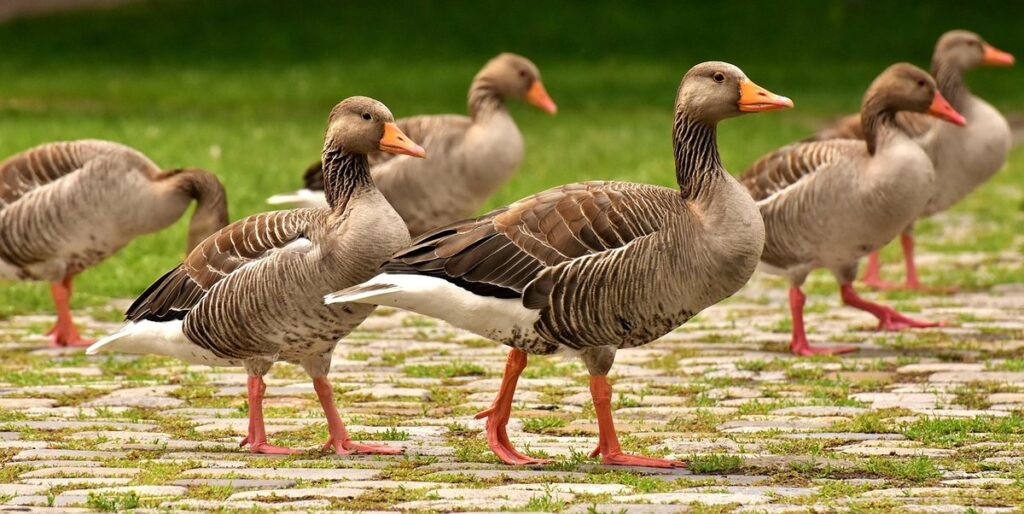
When it comes to adding geese to your family, selecting the right breed is crucial to ensure a harmonious and happy household. With so many types of geese available, making an informed decision can be overwhelming.
Selecting a Suitable Environment
When selecting a suitable environment for your geese, it’s essential to consider their space and shelter requirements. Geese need room to roam and exercise, so a spacious enclosure is crucial. Aim for at least 10 square feet of outdoor space per goose, with adequate shelter from the elements. A three-sided shelter or a coop with adequate ventilation will protect your geese from wind, rain, and sun exposure.
Fencing is also vital to prevent escape and predator entry. A sturdy fence that stands at least four feet high around the enclosure will help keep your geese contained. Consider installing electric fencing for added security. When choosing a breed, consider their specific environmental needs. For example, some breeds are more tolerant of cold temperatures than others.
Consider your lifestyle and available space when selecting a breed. If you live in an urban area with limited space, a smaller breed like the Chinese or African goose might be suitable. However, if you have a larger property with plenty of room to roam, a larger breed like the Embden or Toulouse might thrive.
Understanding Geese Temperament
When it comes to choosing the right goose breed for you and your family, understanding their temperament is crucial. Different breeds have unique personalities, which can be influenced by their origins, purpose, and genetics.
Some breeds, like the Embden and Toulouse, are known for being calm and gentle, making them ideal for families with small children or other pets. On the other hand, breeds like the Sebastopol and African can be more aggressive and territorial, requiring experienced owners who can provide the right environment and training.
Understanding a goose’s social needs is also essential. For example, some breeds are naturally flock-oriented and require companionship from their own kind, while others can thrive as solo birds or with other pets in the household. Researching the specific breed you’re interested in will help you understand its unique requirements and whether it’s compatible with your lifestyle.
When introducing a new goose to your home, consider its compatibility with other pets, especially dogs. Geese can be protective of their territory and may see smaller animals as threats, so proper introduction and supervision are crucial to prevent conflicts.
Housing and Shelter
When it comes to housing your geese, providing a safe and comfortable shelter is crucial for their health and happiness. Here’s what you need to know about setting up a great home for them.
Designing a Goose-Friendly Coop
When it comes to designing a coop for your geese, there are several essential features to consider. First and foremost, ventilation is crucial to keep the air inside fresh and clean. Geese produce a significant amount of droppings and ammonia from their urine, which can be hazardous if not properly ventilated. Make sure your coop has windows or vents that allow for good airflow.
Lighting is also vital for geese, as they need access to natural light to regulate their circadian rhythms. Consider installing skylights or using solar-powered lights to provide a sufficient amount of light during the day and night. It’s also essential to protect your geese from predators such as foxes, coyotes, and hawks.
To integrate the coop with the rest of your backyard ecosystem, consider incorporating plants that are beneficial for geese, such as clover or alfalfa. You can also create a pond or pool near the coop to provide your geese with a source of water and exercise. By designing a well-ventilated, well-lit, and predator-proof coop, you’ll be providing your geese with a safe and healthy living space.
Providing Adequate Space for Exercise
When it comes to providing a happy and healthy life for geese, one of the most crucial aspects is giving them enough space to exercise. Geese are natural foragers and explorers, and they need room to stretch their wings, run around, and engage in their natural behaviors.
A good rule of thumb is to provide at least 10 square feet per goose in an enclosed area. However, this can vary depending on the breed, age, and health of your geese. For example, younger geese or those with mobility issues may need more space to accommodate their unique needs.
Some practical ways to provide exercise space for your geese include:
• Setting up a fenced enclosure where they can roam freely
• Creating a “goose agility course” using natural obstacles like logs and hills
• Providing access to a pond or lake where they can swim and exercise in the water
Remember, providing enough space for exercise is not just about keeping your geese happy – it’s also essential for their physical health. Geese that don’t get enough exercise are more prone to obesity, stress, and other health problems. By giving them the space they need, you’ll be setting them up for a long and healthy life.
Nutrition and Hydration
A goose’s diet is a crucial aspect of their care, so let’s dive into what to feed them and how to ensure they always have access to fresh water.
Formulating a Balanced Diet
When it comes to formulating a balanced diet for your geese, understanding their specific nutritional needs is crucial. Geese are grazers and require a diverse range of nutrients to maintain optimal health. A good quality commercial goose feed should be the foundation of their diet, providing essential proteins, vitamins, and minerals.
In addition to commercial feed, geese also need access to fresh water and forage, such as grasses, leafy greens, and aquatic plants. Aim to provide at least 1-2% of your goose’s body weight in fresh produce daily. For example, a 10-pound (4.5 kg) goose should have around 0.1-0.2 pounds (45-90 grams) of fresh produce per day.
Common feeding mistakes include overfeeding, which can lead to obesity and other health issues. Limit treats such as bread and table scraps, and avoid giving your geese foods high in sugar or salt. It’s also essential to ensure they have access to a calcium-rich source, such as crushed eggshells or oyster shells, to support strong beak and bone growth.
When introducing new foods or supplements, do so gradually to prevent digestive upset. Always consult with a veterinarian if you’re unsure about your geese’s dietary needs or suspect any nutritional deficiencies.
Watering and Hygiene Practices
Providing fresh water and maintaining clean living conditions are essential for your geese’s overall health and well-being. Geese need access to clean drinking water at all times, which means changing the water frequently to prevent bacterial growth and contamination. Aim to change the water at least twice a day, more often in hot weather or if you have multiple geese.
To ensure your geese are getting enough to drink, consider installing a watering system that delivers fresh water directly to their enclosure. This will save you time and effort in the long run. When selecting a watering system, choose one with a built-in filter to keep the water clean.
Clean living conditions also contribute to a healthy environment for your geese. Make sure to regularly remove droppings, uneaten food, and debris from their enclosure. Keep a dedicated area for cleaning supplies and wash your hands thoroughly before interacting with your geese. Regularly disinfect any surfaces or equipment that come into contact with your geese’s living space.
Health and Wellness
Taking care of a goose’s health is crucial, so let’s dive into some essential tips on maintaining their physical and mental well-being. Proper nutrition, regular exercise, and preventative measures will keep your feathered friend happy and healthy.
Identifying Common Health Issues
As a goose owner, it’s essential to be aware of the common health issues that can affect your feathered friends. Geese are prone to respiratory problems, particularly during cold weather or if they’re exposed to dust and pollutants. Look out for symptoms like labored breathing, coughing, and sneezing. If you notice any of these signs, provide a humidifier in their enclosure to help ease congestion.
Parasites like lice, mites, and fleas can also infest geese, causing discomfort and skin irritation. Regularly inspect your birds’ plumage for signs of parasites, such as excessive scratching or pecking at the affected area. Use a gentle shampoo specifically designed for poultry to clean your geese thoroughly.
Injuries can occur when geese are exposed to predators, other animals, or even sharp objects in their enclosure. Monitor your birds’ behavior and watch out for signs of stress or injury, such as limping or difficulty moving. Keep the area around your geese’s enclosure free from potential hazards to prevent accidents.
By recognizing these common health issues early on, you can take preventative measures to ensure your geese stay healthy and happy.
Vaccinations and Regular Check-Ups
As a responsible goose owner, it’s essential to prioritize their health and well-being. Vaccinations play a crucial role in protecting your geese from specific diseases that can be prevalent in certain regions. Consult with a veterinarian experienced in caring for waterfowl to determine the best vaccination schedule for your flock. Typically, geese are vaccinated against diseases such as Newcastle disease, avian influenza, and Marek’s disease.
Schedule regular check-ups with your veterinarian every 6-12 months to monitor your geese’s overall health and detect any potential issues early on. During these visits, have your veterinarian inspect their eyes, beak, and droppings to ensure they’re healthy and free from parasites. Additionally, discuss parasite control measures such as deworming medication and the importance of maintaining a clean living environment.
Remember, preventative care is key to keeping your geese happy and healthy. By staying on top of vaccinations and regular check-ups, you’ll be well-equipped to address any health concerns that may arise. Don’t hesitate to reach out to your veterinarian if you have any questions or concerns about your flock’s specific needs.
Training and Socialization
Now that you have your goose settled into its new home, it’s time to focus on training and socialization to help it become a well-behaved and friendly companion. Effective training will also strengthen the bond between you and your feathered friend.
Teaching Basic Commands and Behaviors
When it comes to training geese, using positive reinforcement techniques is essential for establishing trust and promoting good behavior. Start by introducing basic commands like “come” and “go away.” To teach the “come” command, begin by having treats ready and calling your goose’s name while taking a few steps back. As soon as they approach you, reward them with a treat and praise. Repeat this process until they associate coming to you with a positive outcome.
For the “go away” command, start by having your goose sit or stand still, then take a step back while saying the command. If they follow you, reward them for leaving space between you. Gradually increase the distance and time spent apart. Be patient, as geese can be stubborn at times. It’s also crucial to set boundaries early on, establishing clear expectations for what behavior is acceptable.
Training sessions should be short and frequent, ideally ending on a positive note while your goose is still engaged. Consistency is key in teaching geese basic commands; try to use the same verbal cues and hand signals each time to avoid confusion.
Building Trust and Strong Bonds
Socializing geese from an early age is crucial for their development and well-being. When raised with proper care and attention, geese can become loving and loyal companions. Building trust is the foundation of a strong bond between you and your feathered friends.
Start by getting to know each bird’s unique personality, likes, and dislikes. Spend quality time with them daily, engaging in activities such as feeding, grooming, and playtime. This will help create a sense of comfort and security around you. Be patient and gentle when interacting with the geese, especially during their initial weeks.
It’s essential to establish routines that promote socialization and bonding. For example, feeding time can be a great opportunity to interact with your geese. You can also try hiding treats or toys around the enclosure to encourage exploration and problem-solving together. By doing so, you’ll not only strengthen your bond but also provide mental stimulation for your geese.
As you build trust, gradually introduce them to new environments, people, and situations. This will help them become more confident and calm in unfamiliar settings. Remember that every goose is different, so be prepared to adjust your approach based on their individual needs and personalities. With time, patience, and consistency, you can develop a deep and loving relationship with your geese.
Safety Precautions and Regulations
When caring for geese, safety should always be your top priority. This section will outline essential guidelines to follow and regulations to observe when handling these majestic birds.
Understanding Local Laws and Regulations
When introducing geese to your property, it’s essential to familiarize yourself with local laws and regulations governing backyard goose keeping. These ordinances can vary significantly depending on where you live, so it’s crucial to research the specific rules in your area.
In many regions, homeowners are required to obtain special permits or licenses to keep geese on their property. For instance, some municipalities may require a permit for each goose, while others might have specific zoning restrictions on the number of geese allowed per acre. Researching local ordinances will help you avoid potential fines or even having your geese seized.
Before bringing home your new feathered friends, check with your local government to determine what regulations apply in your area. Be sure to ask about any necessary permits, licenses, and zoning restrictions. This proactive approach will ensure a smooth transition for both you and your geese. In some cases, even if your local ordinances permit backyard goose keeping, there may be specific requirements or recommendations for noise reduction measures, fencing, or regular inspections. By understanding these regulations upfront, you can create a harmonious environment for both humans and animals.
Preventing Accidents and Injuries
When it comes to caring for geese, safety is often overlooked until an accident occurs. However, by being aware of common hazards and taking preventative measures, you can minimize the risk of accidents and injuries for both you and your feathered friends.
Some common safety hazards associated with goose keeping include territorial behavior, aggressive feeding, and loose fencing. Geese are naturally protective of their territory and can become aggressive when feeling threatened or scared. To prevent attacks, it’s essential to establish a relationship with your geese based on trust and respect. This means moving slowly and calmly around them, avoiding direct eye contact, and not approaching them when they’re eating.
To ensure loose fencing doesn’t pose a risk, regularly inspect the enclosure for any damage or weaknesses. Make sure gates are secure and consider installing a locking mechanism to prevent accidental escapes. Additionally, always supervise children when interacting with geese, as their unpredictable behavior can be startling. By being mindful of these potential hazards, you can create a safe and enjoyable environment for both you and your geese.
Frequently Asked Questions
How do I introduce new geese to an existing flock?
When introducing new geese, it’s essential to prioritize a gradual and controlled introduction process to prevent stress and potential aggression. Start by keeping the new geese separate from the main flock for a few days, allowing them to become familiar with each other’s sounds, smells, and visual presence. Once they seem comfortable, allow supervised interactions in a neutral area under close observation.
What if I have limited space, can I still keep geese?
While geese require significant space for exercise, you can still keep them in smaller areas like backyards or balconies if properly managed. However, ensure you provide adequate shelter, nutrition, and regular cleaning to prevent health issues. Consider consulting with local authorities or a veterinarian to determine the feasibility of keeping geese in your specific situation.
How often should I perform health checks on my geese?
Regular health checks are crucial for maintaining your geese’s overall well-being. Aim to inspect them daily, paying attention to changes in appetite, droppings, and feathers. Also, schedule annual vaccinations with a veterinarian and conduct thorough check-ups at least twice a year, including weighing, inspecting beaks, eyes, and feet.
What are some common mistakes beginners make when caring for geese?
Some common mistakes include inadequate space provision, neglecting to provide proper shelter, underestimating the amount of food required, and failing to monitor health regularly. Additionally, ignoring local regulations and not preparing for seasonal changes can lead to issues. Stay informed, plan ahead, and be prepared to adapt.
How do I handle aggressive behavior in my geese?
Aggressive behavior in geese is often a result of frustration or lack of socialization. To address this, ensure you’ve provided adequate space, shelter, and nutrition. Consult with a veterinarian or experienced breeder for personalized advice on managing aggression. In severe cases, separating the goose from the flock may be necessary to maintain safety.